Simple change you can make to your ceiling fan to lower your energy bill without changing the temperature

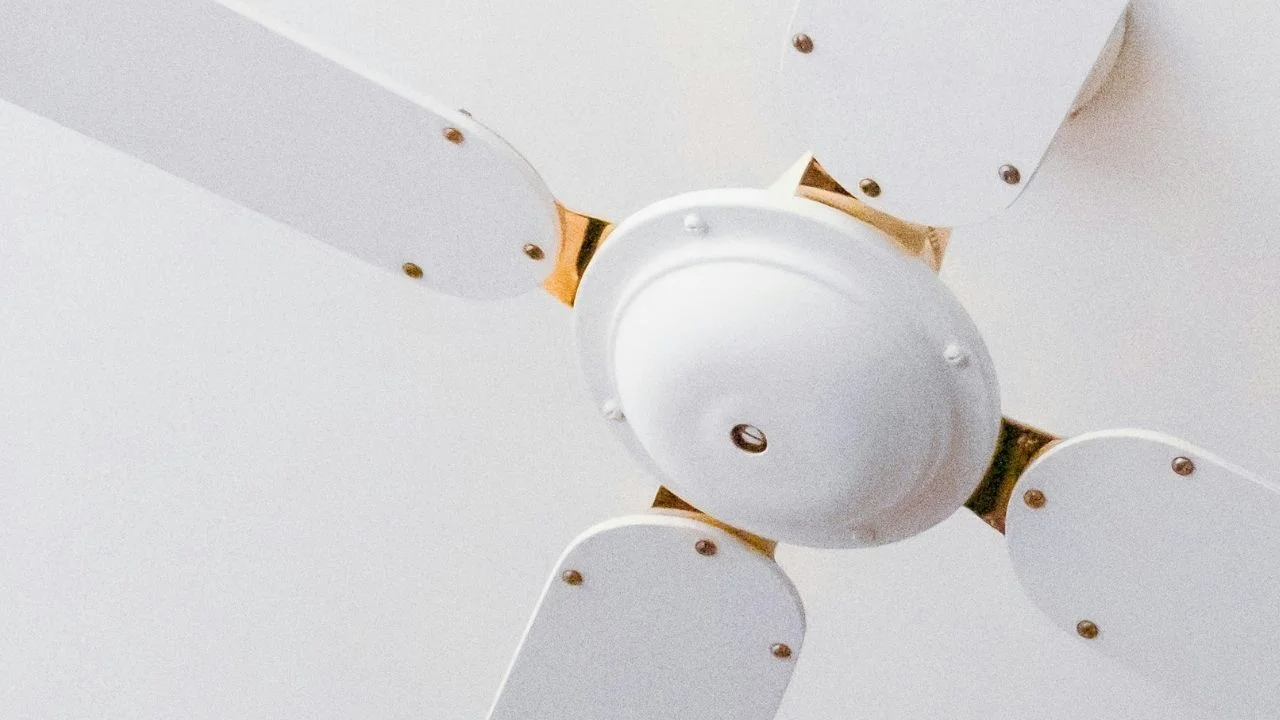

Summer days are on the way, and there’s a simple change you can make to your ceiling fan that could help lower your energy bill without changing the temperature on your thermostat.
As temperatures climb, many people across the United States automatically reach for the air conditioning controls, but there’s an easier way to stay comfortable without hiking up your bills.
Did you know that your ceiling fan can make a surprising difference if it’s set up correctly?
It only takes a few seconds to adjust, and it could help reduce how hard your air conditioning has to work throughout the summer.
What to do to your ceiling fan to lower your energy bill
Despite what many people think about this common household gadget, ceiling fans don’t actually lower a room’s temperature.
Instead, they create a ‘wind chill effect’ by moving air across your skin, making you feel cooler even though the air itself stays at the same temperature, a bit like at the beach.
That’s why experts recommend making sure your ceiling fan spins counterclockwise during the warmer months.
When viewed from underneath, the blades should rotate counterclockwise, pushing air straight down into the room, which creates a refreshing breeze that helps your body lose heat more effectively.
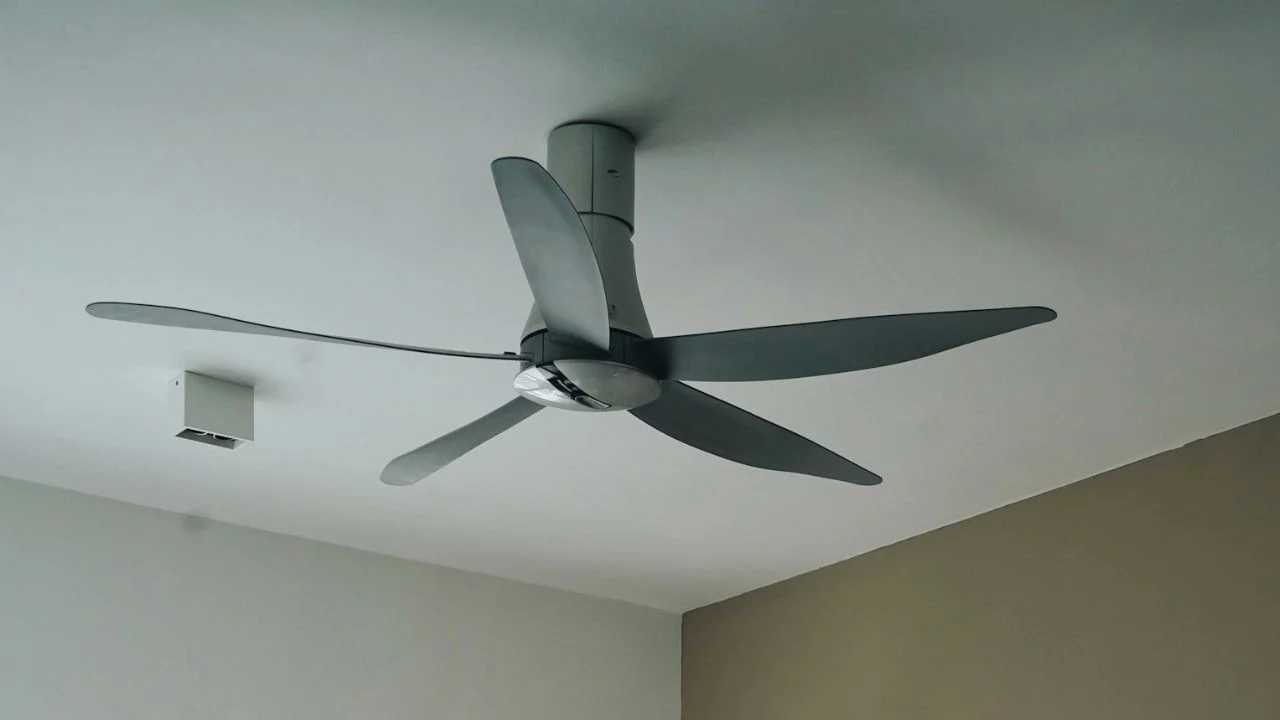
Because you’ll feel cooler, you may be able to raise your thermostat by a couple of degrees without noticing much difference in comfort, which means your air conditioning won’t have to switch on as often or run for as long, helping reduce electricity use over time.
Most ceiling fans include a small direction switch on the motor housing, but before changing the direction, make sure the fan is completely switched off and the blades have stopped spinning.
Once the switch has been flipped, turn the fan back on and check that it’s producing a noticeable downward breeze.
While the savings will vary depending on your home, climate and how often you use air conditioning, it’s one of the easiest ways to make your cooling system work more efficiently without spending any extra money.
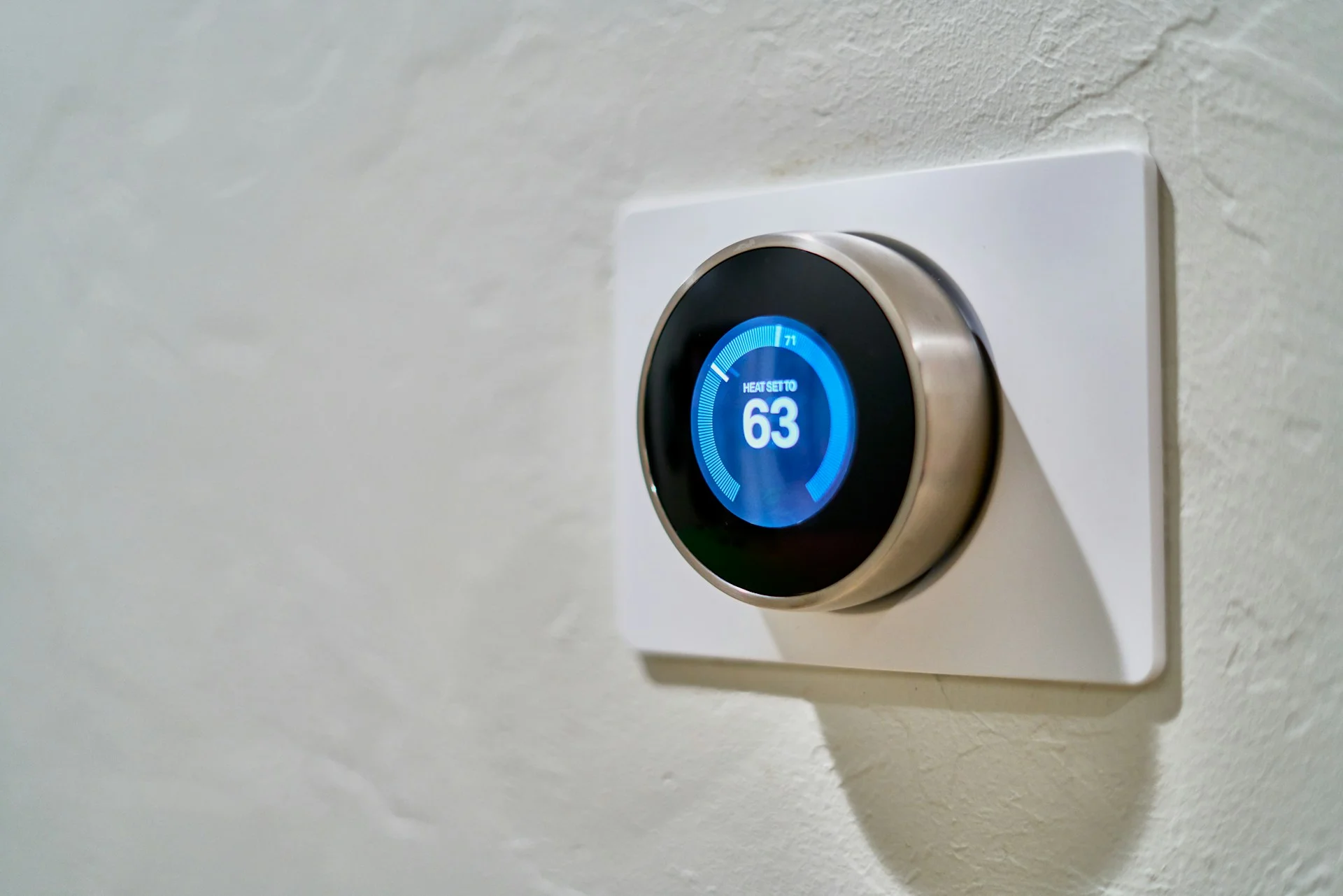
Lower your energy bill without changing the temperature
There is one important catch, though.
A ceiling fan only cools people, not rooms.
Because it simply moves air around rather than lowering the actual temperature, leaving it running in an empty room won’t make the space cooler; it turns out that in fact, it will just use electricity for no real benefit.
That means it’s worth getting into the habit of switching the fan off whenever everyone leaves the room.
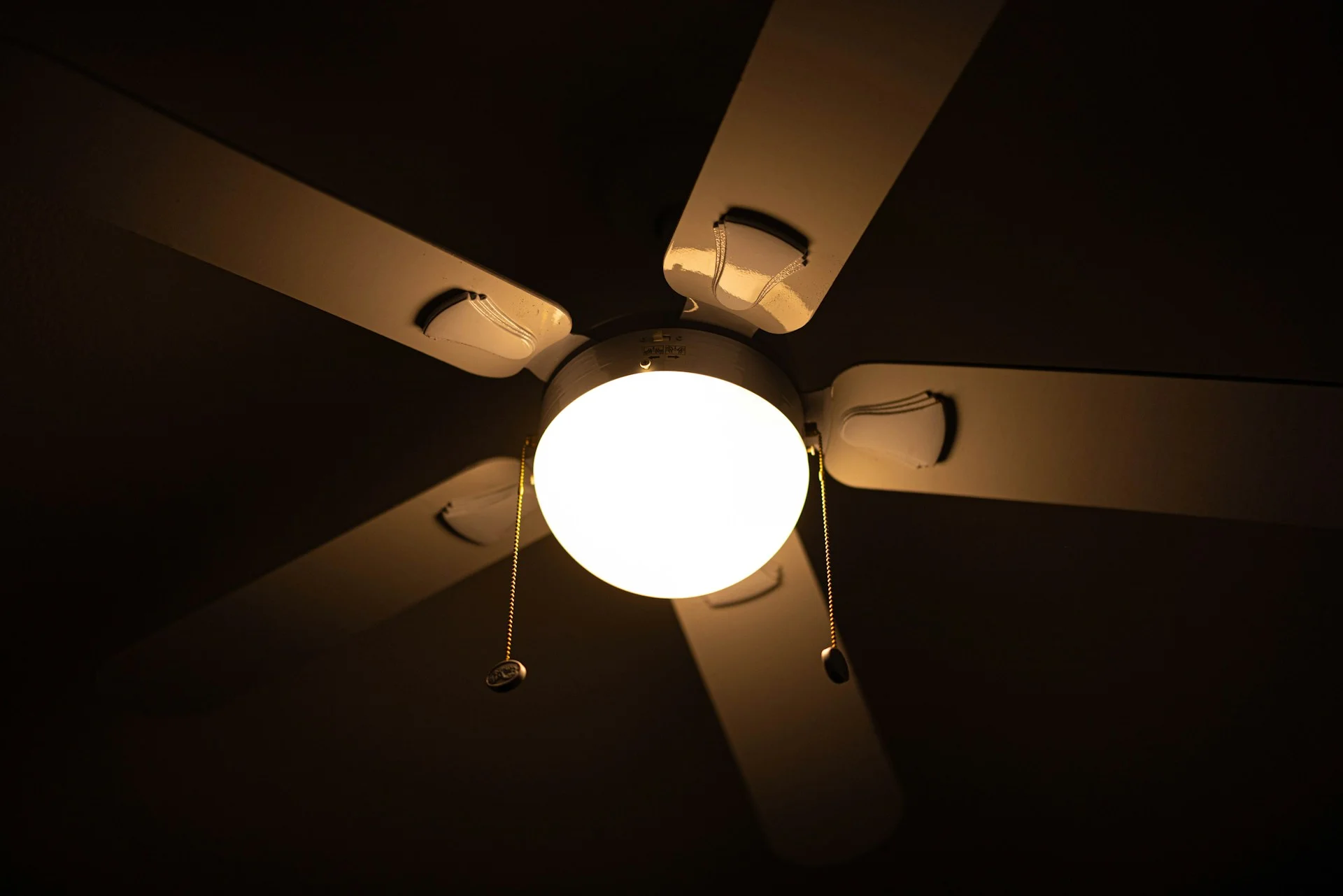
But did you also know that the same ceiling fan can also help once the weather starts getting colder?
During winter, changing the blades to spin clockwise at a low speed gently pulls cooler air upwards while pushing the warm air that naturally collects near the ceiling back down into the living space.
That can help make rooms feel warmer without turning up the heating quite as much, improving comfort while potentially lowering energy costs too when it comes to heating.
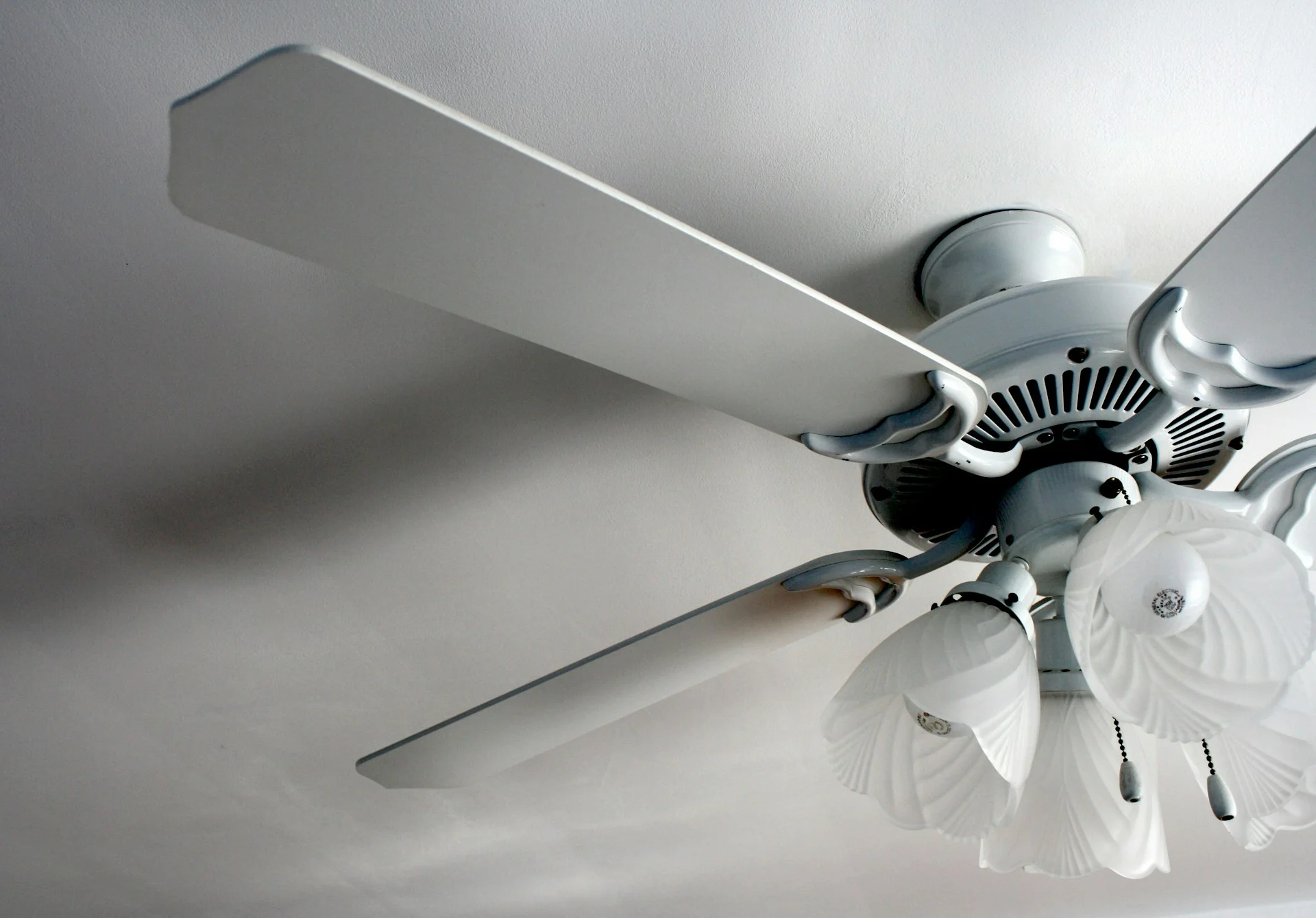
It’s a feature that’s built into most ceiling fans but is often overlooked by homeowners.
Considering it only takes a few seconds to flick a switch, it’s one of the simplest home energy hacks around.
Whether you’re trying to stay cool during a heatwave or make your home feel warmer in winter, making sure your ceiling fan is spinning in the correct direction could help you stay comfortable, all while saving you some serious cash!