Scientists just bust the 8-hour myth after working out exactly how many hours of sleep you need per night



For years, we’ve been told that eight hours of sleep is the magic number for staying healthy, but scientists have now challenged that long-standing belief.
New research suggests the ideal amount of snooze time may actually be quite different than the famous eight-hour benchmark.
After analyzing data from hundreds of thousands of people, researchers identified a surprisingly specific ‘sweet spot’ linked to healthier aging.
The findings could change the way many of us think about our nightly routine.
Scientists say the 8-hour sleep myth doesn’t tell the full story
Researchers from Columbia University examined health and sleep data from around 500,000 people as part of the UK Biobank project.
The team wanted to understand how sleep duration affects biological aging, which measures how quickly organs and body systems age compared to a person’s actual age.
Using specialized tech and machine learning and a series of specialized ‘aging clocks’ to track different organs, the researchers found a clear pattern.
The healthiest participants were not necessarily the ones getting the mythical eight hours of sleep every night.

Instead, the study found that the ideal range was between 6.4 and 7.8 hours of sleep per night.
People who consistently slept less than six hours or more than eight hours showed signs of accelerated aging across multiple organs.
Lead author Junhao Wen said both too little and too much were linked to faster aging across nearly every organ system, with effects seen in the brain, heart, lungs, and immune system, among others.

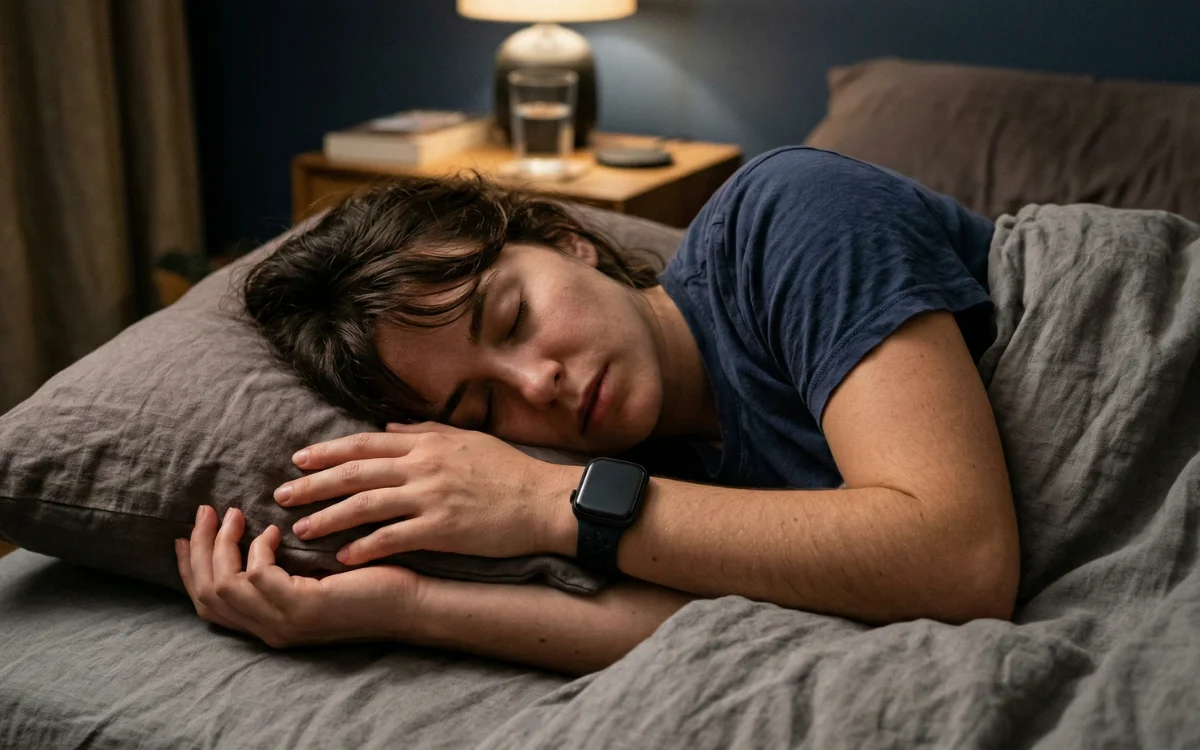
Sleeping too much could be just as bad as too little
The research also uncovered links between sleep duration and various health conditions.
Short slumbers were associated with higher rates of anxiety, depression, obesity, heart disease, and type 2 diabetes.
Meanwhile, both short and long durations were connected to conditions such as asthma and digestive disorders.
That doesn’t mean everyone should immediately start setting alarms to limit their snoozing time, though.

Sleep experts point out that individual needs still vary from person to person, while the study identified an average sweet spot, many medical organizations continue to recommend roughly seven to nine hours for most adults.
Researchers also noted that the findings were based on self-reported sleep data and show associations rather than direct cause and effect.
Still, the results add to growing evidence that when it comes to snoozing, more is not always better.
For anyone trying to get a perfect eight hours every night, it turns out the ideal number might be a little lower than expected.
It looks like you’re cruising for a snoozing, sunshine.