AI is making it possible for companies to design and build chips that compete with Nvidia and startups are racing to make it happen
 Claire Reid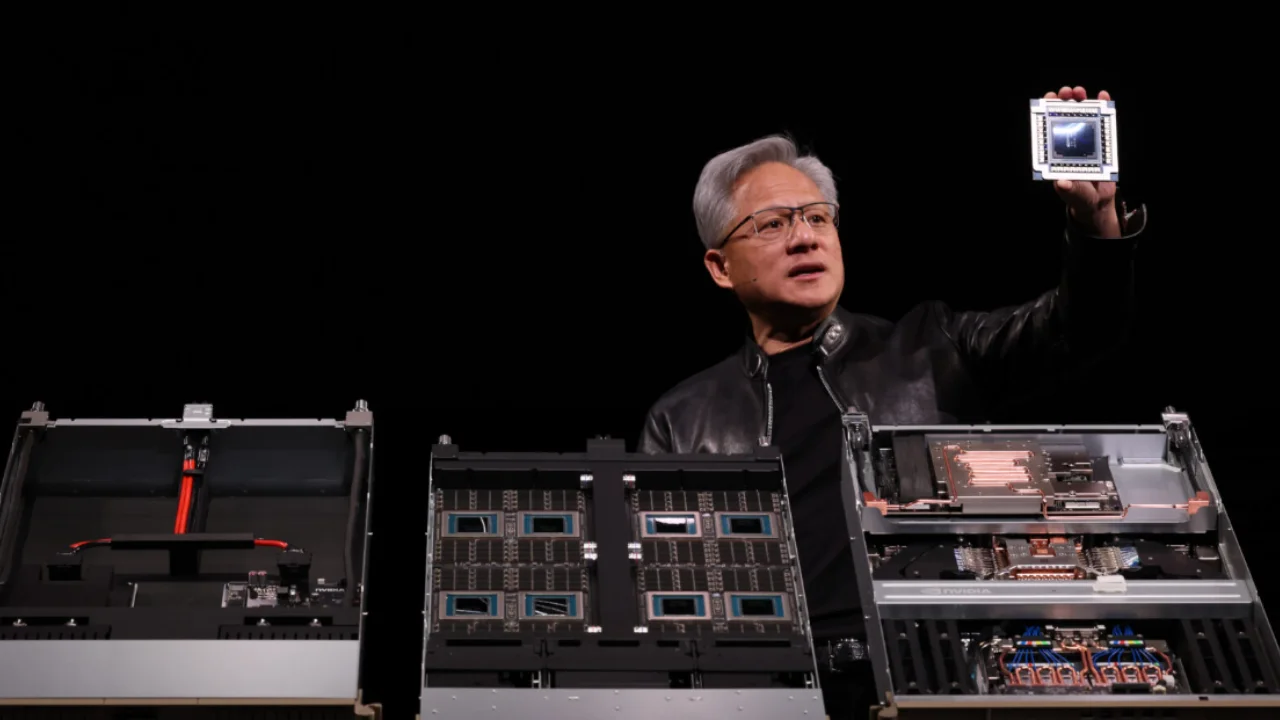

Startups are gearing up to take on chip-making giant Nvidia and are using the AI technology it helped to create to get there.
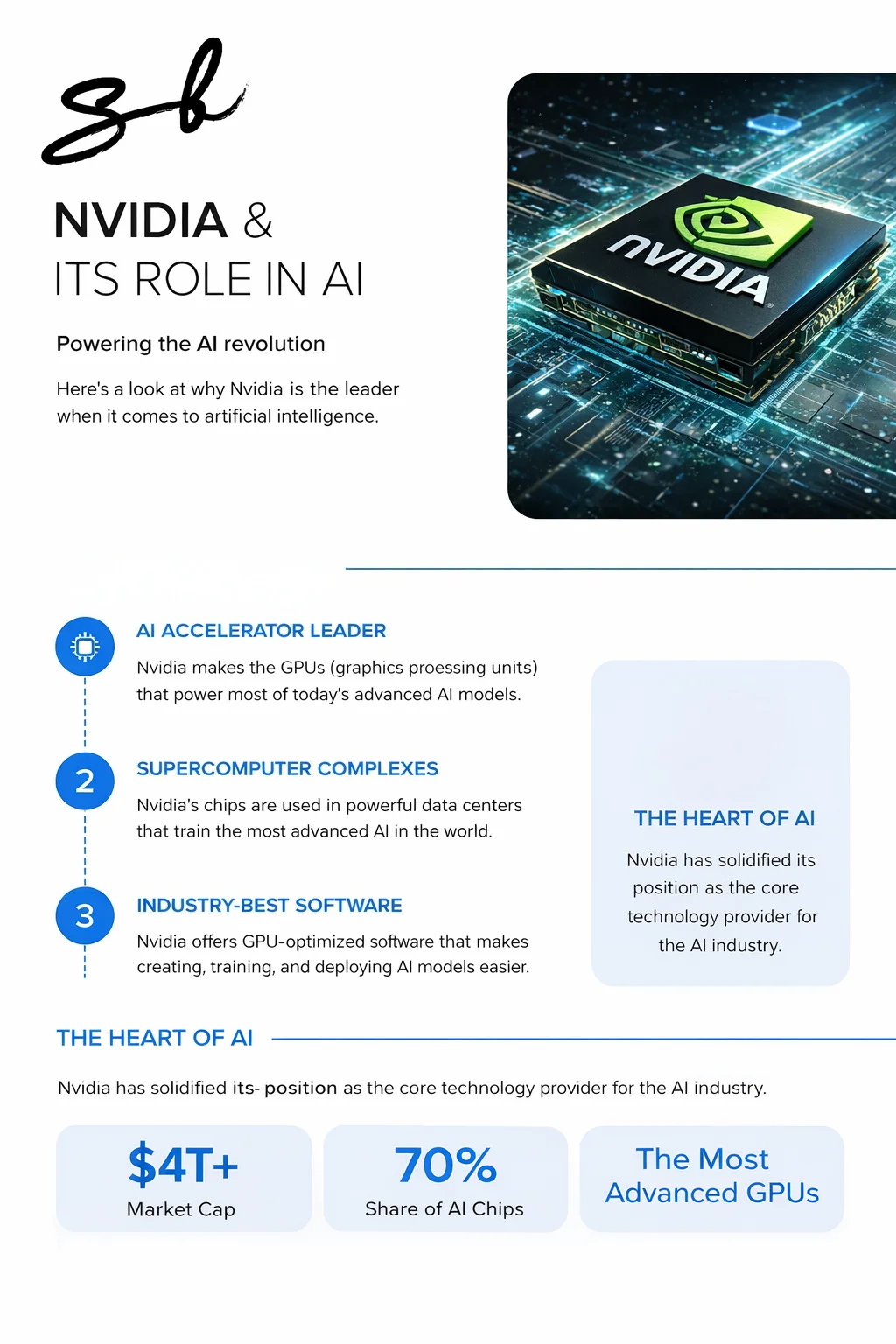
Nvidia is at the top of the pile when it comes to creating AI chips, with the majority of advanced artificial intelligence systems powered by its chips.
This success means that Nvidia is now one of the most valuable companies in the world, worth more than $4 trillion.
However, it could soon face competition from a handful of startup companies that are using AI to disrupt the market.
Nvidia is top dog when it comes to creating AI chips, but is change on the way?
One of the reasons that Nvidia dominates the AI chip-making market is the software that comes with the chips.
This software makes it easy for developers to write code that works well with the chips, but tech startup Wafer is now training AI models to optimize code so that it runs more efficiently on other silicon chips.

Speaking to Wired, Wafer CEO Emilio Andere explained that its AI models are trained to write ‘kernel code’, which is the kind of software that controls hardware.
The company is also able to enhance other AI models, like Claude or ChatGPT, so they become better at writing this sort of code.
A lot of big names in tech, like Google, Meta, Apple, and Amazon, are designing their own chips.
But these custom chips need specific code to run efficiently, and this can become expensive and complicated to create.
However, Wafer is now working with some of these companies, including Amazon, to improve their software so it works better with the hardware.
Andere said that Wafer’s AI-centric approach could be enough to take on Nvidia and explained that some chips are already able to offer a similar raw power to Nvidia’s chips.
“The best AMD hardware, the best [Amazon] Trainium hardware, the best [Google] TPUs, give you the same theoretical flops to Nvidia GPUs,” Andere told Wired.
“We want to maximize intelligence per watt.”
Artificial intelligence could be used to design chips, too
As well as using artificial intelligence to optimize code to run more efficiently on a variety of chips, AI technology could also be used to make chip design easier.
Former Google engineers Azalia Mirohoseini and Anna Goldie have founded Ricursive Intelligence, a smart startup that uses AI to design chips.
This would allow companies to start designing their own chips using custom hardware that can run software more efficiently.
Chip design is a notoriously difficult process, but Ricustive Intelligence believes that AI technology could make the process simpler by optimizing chip layouts, automating parts of the design process, and allowing engineers to describe changes using simple language.
Timeline of key AI breakthrough moments
1950: British mathematician Alan Turing devises the ‘Imitation Game’, now known as Turing Test, designed to test a machine’s ability to replicate human intelligence and behavior
1956: The term ‘Artificial Intelligence’ is officially coined during a research project at Dartmouth College in the UK
1966: MIT professor Joseph Weizenbaum creates ‘ELIZA’, a rudimentary AI-powered chatbot that mimics human behavior
1997: IBM supercomputer Deep Blue defeats world chess champion, Garry Kasparov
2011: Apple introduces Siri, the first AI-powered assistant integrated directly into a smartphone
2016: An AI bot writes an entire movie, Sunspring, from scratch, including the film’s soundtrack and screenplay
2022: OpenAI launches ChatGPT, the world’s first widely available AI-powered chatbot