AI model was put through real-world test and ended up being better at diagnosing patients than ER doctors

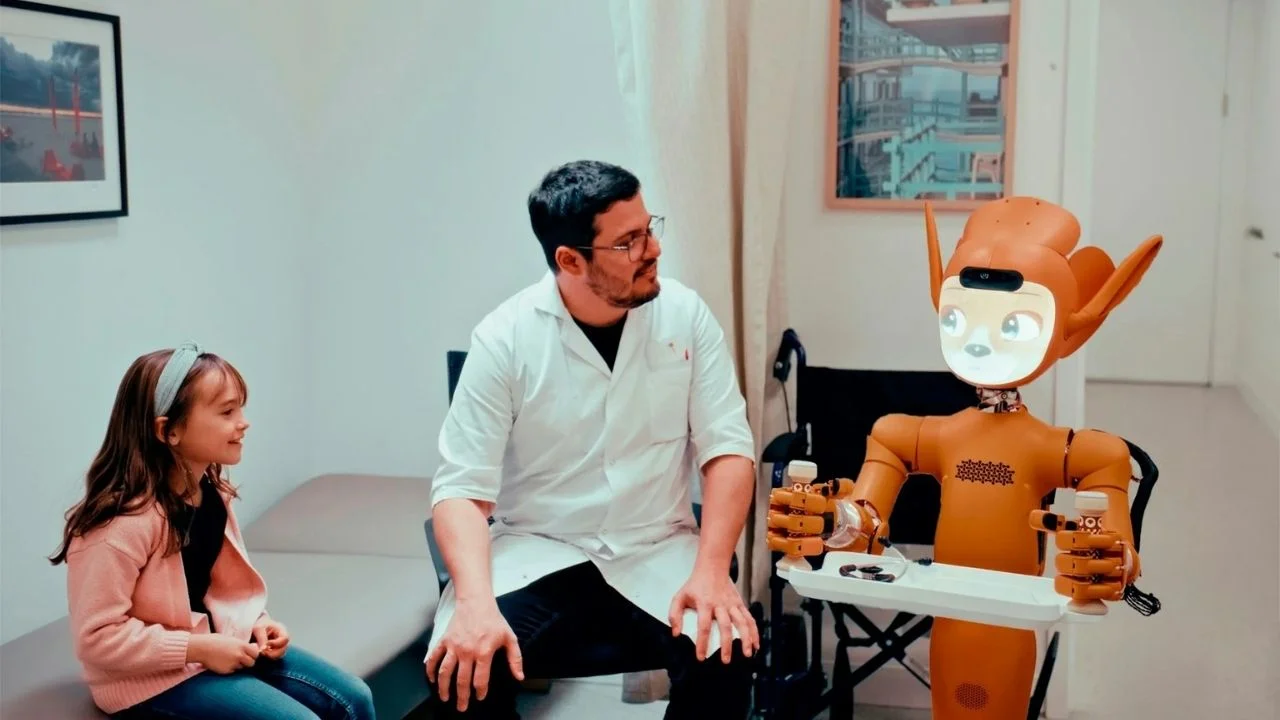

Researchers recently put an advanced OpenAI model through a series of emergency room scenarios using actual hospital data, and the results were eye-opening when it came to the effect on ER doctors.
In situations where quick, accurate decisions can mean the difference between life and death, the AI didn’t just keep up with doctors, it often outperformed them.
That doesn’t mean your local ER is about to be run by robots, but it does show how fast this technology is evolving.
And it’s causing some big questions about the future of medicine.
AI model was put through a real-world test and beat ER doctors
The tech study, led by researchers from Harvard Medical School, tested an OpenAI reasoning model on 76 real emergency room cases.
Using only the same written patient records available to doctors, the AI was asked to make diagnoses at multiple stages of care, including initial triage and hospital admission, and the results were striking.
The AI delivered correct or near-correct diagnoses about 67 percent of the time, while doctors scored between 50 and 55 percent.

That gap widened even further when more detailed information was added, with the AI continuing to edge ahead of human physicians.
Researchers say the big breakthrough here is that the system worked with messy, real-world data, not just clean textbook examples, which is something previous AI models struggled with.
In one standout case, the AI correctly identified an underlying autoimmune condition that doctors initially missed, showing how it can connect dots that aren’t always obvious in high-pressure environments.

Why artificial Intelligence won’t replace real-life doctors anytime soon
Before anyone starts picturing robot ER doctors taking over hospitals, experts are being very clear: this isn’t about replacing humans.
The AI was only working from written records, meaning it couldn’t see patients, read body language, or pick up on subtle symptoms, and those human elements are still a huge part of real-world medicine.
There are also concerns about safety, and some researchers warn that AI can sometimes recommend unnecessary tests or miss important context, which could lead to problems if used without oversight.
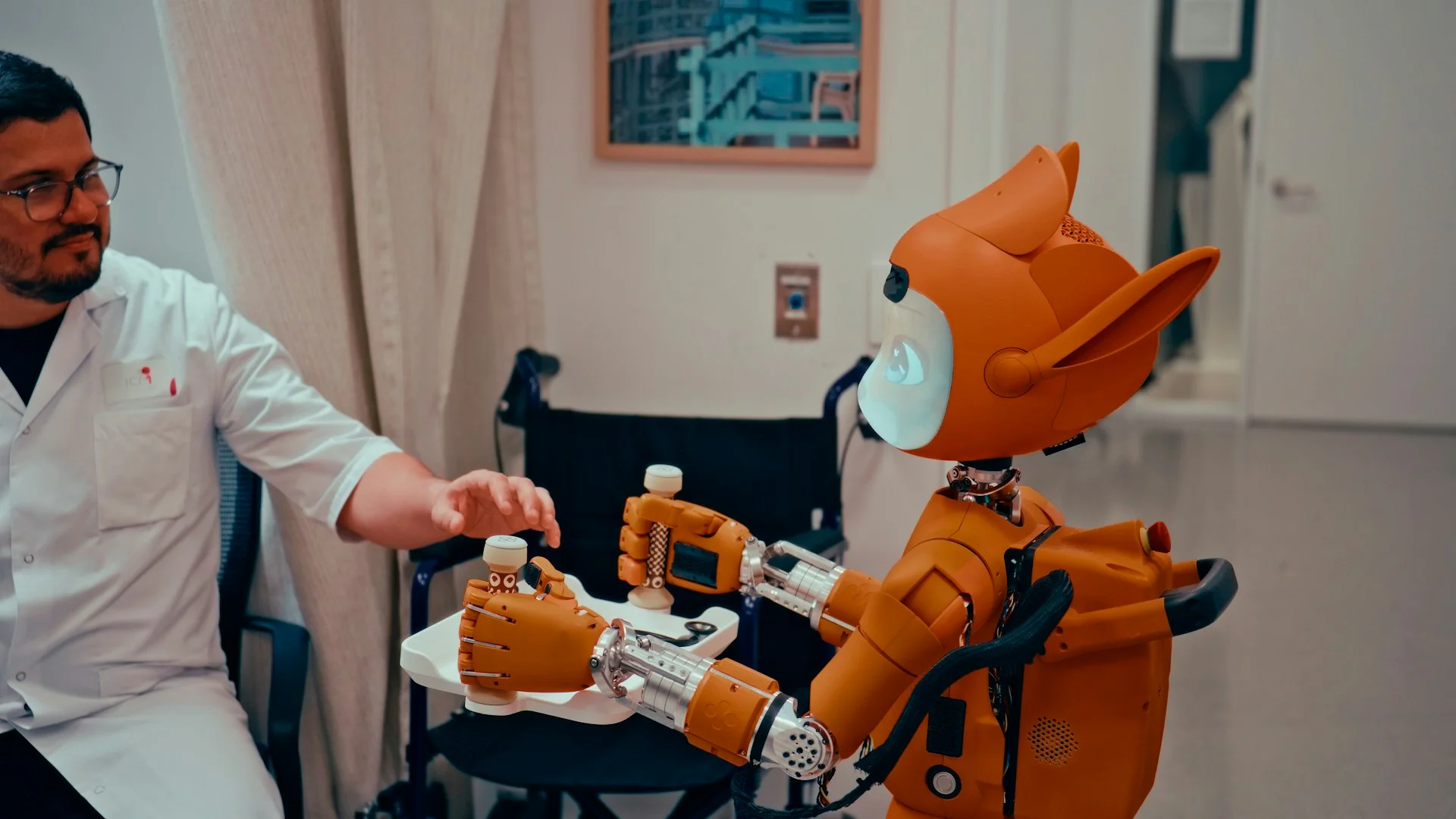
Instead, it looks like the future is a team effort.
ER doctors could use AI as a kind of robotic second opinion, helping them double-check diagnoses, spot rare conditions, and make faster decisions in busy emergency rooms.
So while AI may have just beaten doctors in this specific test, the real story is collaboration, but the goal isn’t to replace physicians, but to give them a powerful new tool that could ultimately improve patient care.