Amazon spent $11,000,000,000 to get into the satellite business and the Apple partnership that came with it is the real story
 Claire Reid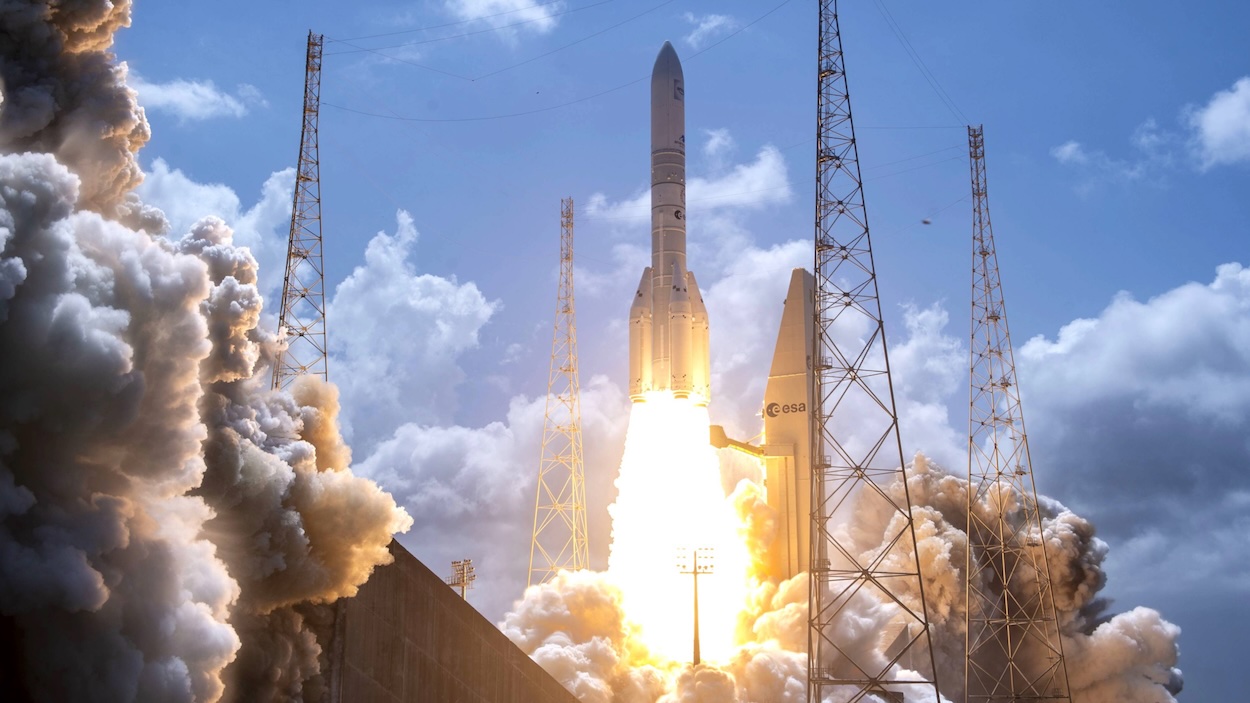

Amazon spent $11 billion to acquire satellite company Globalstar and announced a partnership with Apple for its Amazon Leo to power satellite services for the iPhone and Apple Watch.
Amazon began launching low Earth orbit satellites in 2023 for its Project Kuiper.
Just last week, another batch of 29 satellites was launched from Florida’s Cape Canaveral Space Force Station.
Last few launches were big for @AmazonLeo – bringing us to 390+ satellites deployed, enough to support continuous service across initial latitudes.
— Chris Weber (@Weber44Chris) July 2, 2026
Still lots of work ahead – including raising all these new satellites to their assigned altitude – but we’ve completed enough… pic.twitter.com/UZb404fXRq
Amazon plans to send thousands of satellites into orbit
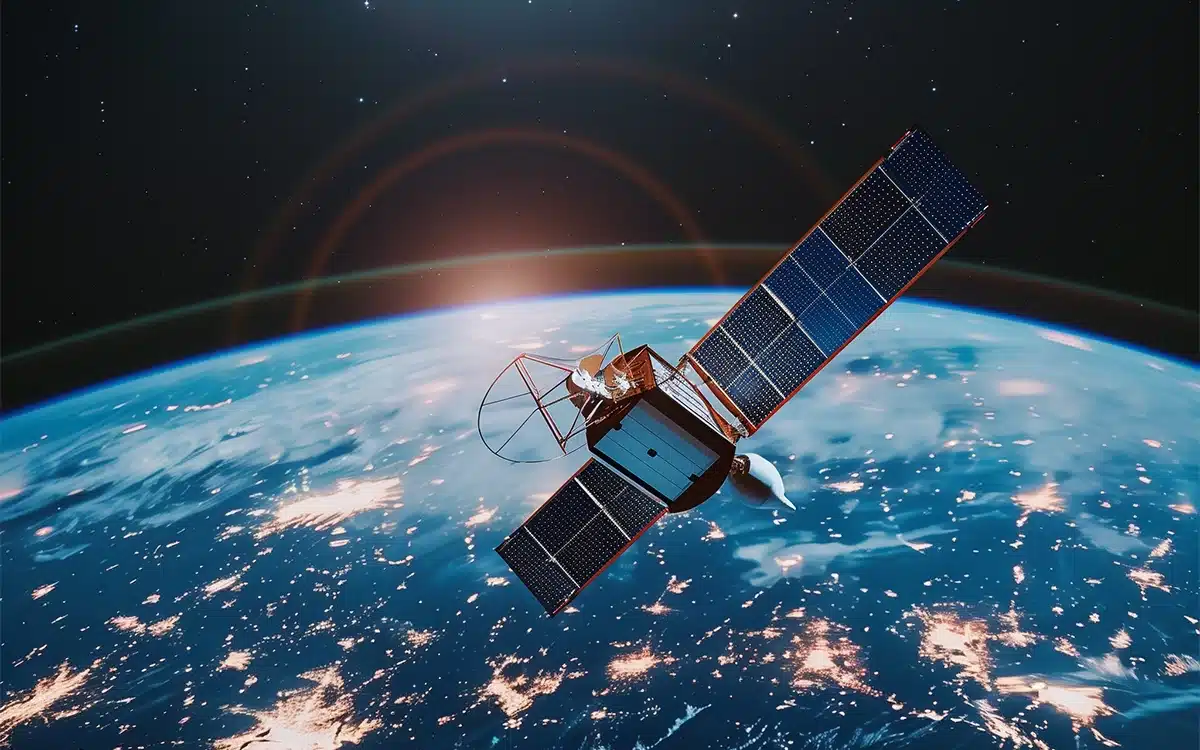
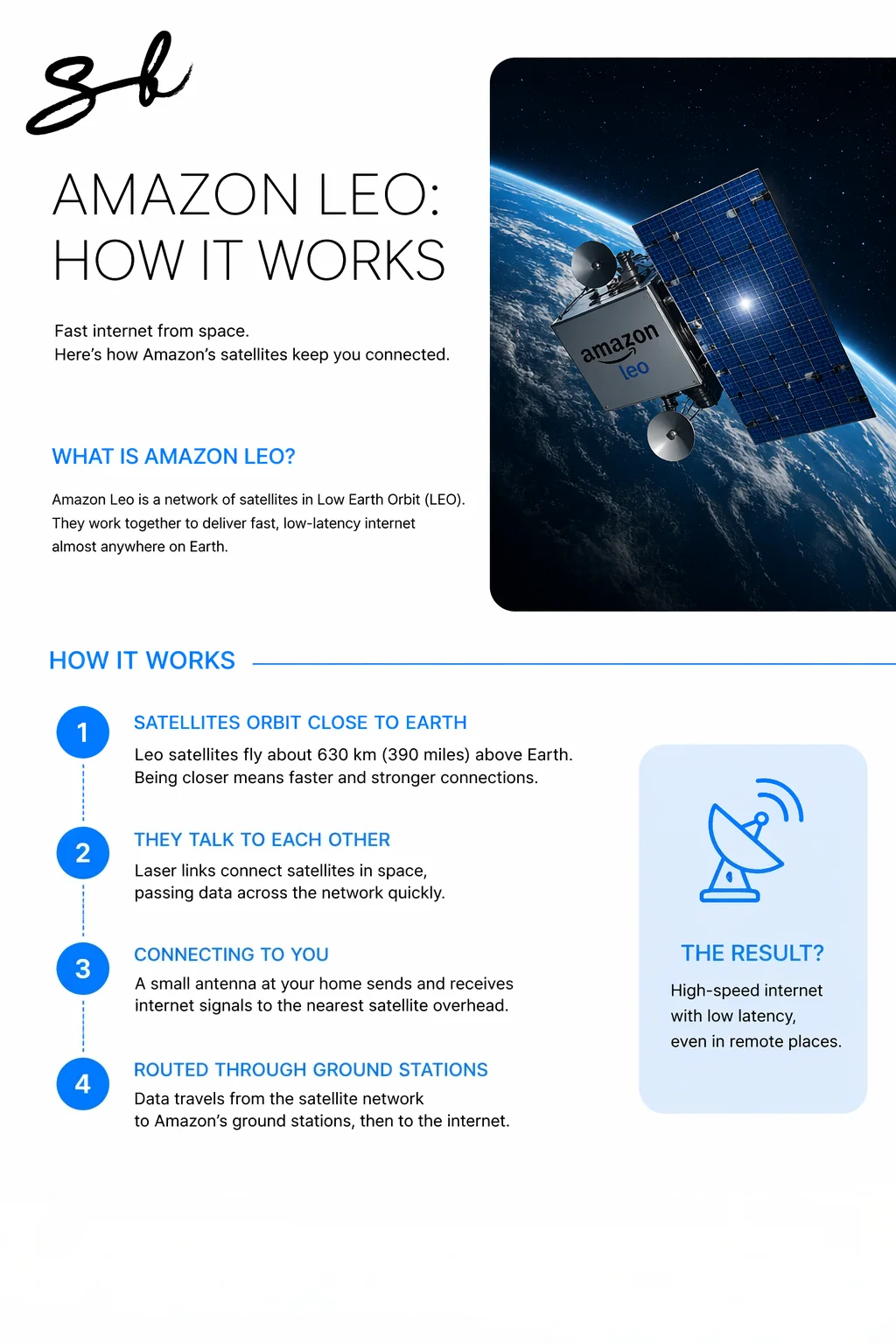
Amazon is aiming to send thousands of satellites into low Earth orbit to create a network that will be available just about anywhere in the world.
This fleet of satellites will have the capacity to support ‘hundreds of millions of customers’, according to the company.

And to help it achieve that goal, the tech giant dropped a staggering $11.57 billion to acquire Globalstar.
“There are billions of customers out there living, traveling, and operating in places beyond the reach of existing networks, and we started Amazon Leo to help bridge that divide,” Amazon’s Senior Vice President of Devices & Services Panos Panay said.
Currently, Globalstar only has around 24 satellites in low Earth orbit, but the purchase means Amazon will also acquire its solid network of GPS asset-tracking tech, which could be used to track delivery vehicles or packages.
Alongside that, it means Amazon Leo will be able to add Direct-to-Device (D2D) services to future generations of its satellite network, which will expand cellular network coverage to smartphone users outside the reach of typical terrestrial networks.


The tech giant has announced a deal with Apple – here’s what it means for your iPhone
While announcing the acquisition earlier this year, Amazon also revealed it had signed an agreement with Apple for its Amazon Leo to power satellite services for various supported devices.
Globalstar currently powers satellite service features for the iPhone 14 or newer, and the Apple Watch Ultra 3, so they can access services such as calling for roadside assistance or texting emergency services when they’re not connected to the regular terrestrial network.
The new deal means Amazon will continue to support iPhone and Apple Watch models and will provide support for future models.
The two companies will also ‘collaborate’ on future satellite services.
“Since launching more than three years ago, our groundbreaking safety service Emergency SOS via satellite has helped save many lives around the world – from a scout troop stranded on a winter hike in British Columbia, to a woman who was airlifted to safety in Colorado after her car rolled down a 250-foot cliff,” Apple’s Senior Vice President of Worldwide Product Marketing, Greg Joswiak, said.
For Apple users who currently have satellite-supported devices, it’ll be business as usual.
“Apple and Amazon have a long and proven track record of working together through Amazon’s core infrastructure services, and we look forward to building on that collaboration with Amazon Leo,” Joswiak added.
“This ensures our users will continue to have access to the vital satellite features they have come to rely on, including Emergency SOS, Messages, Find My, and Roadside Assistance via satellite, so they can stay safe and connected while off the grid.”