Every iPhone Apple ever released and how each generation helped change phones forever over the last 20 years

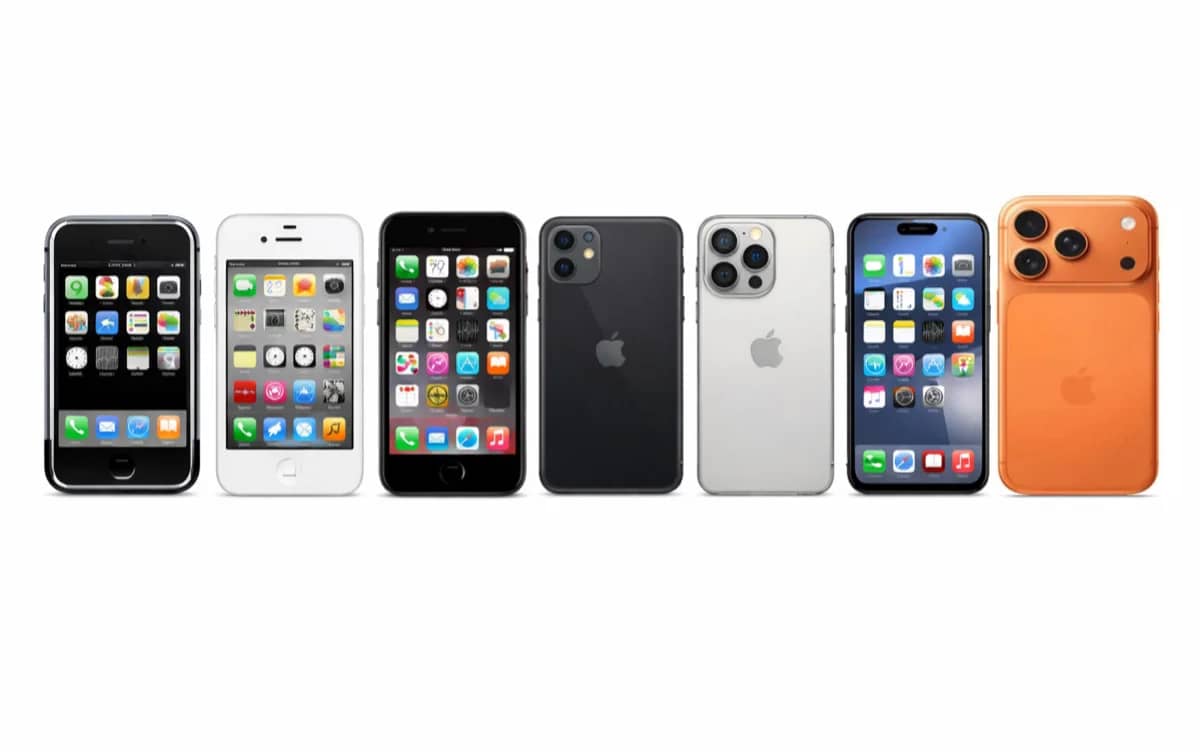
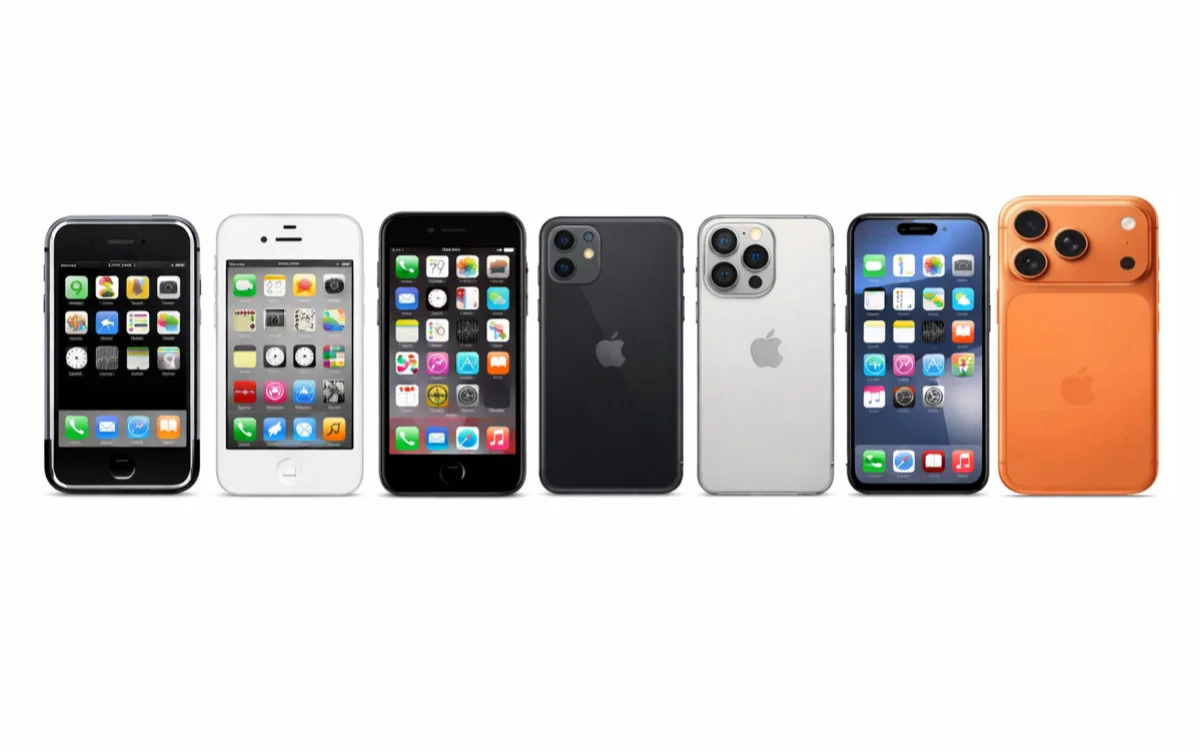

What started with the first Apple iPhone unveiled by Steve Jobs nearly 20 years ago evolved and became a cultural and technological revolution.
Apple iPhone changed the way we use phones, and it indirectly changed the way we use everything else as well.
Remember the ‘all-in-one’ moment with Steve Jobs on stage? This is now a phone, a camera, a CD player, a video player, a sat nav, and the list goes on.
From the very first device to the latest one, a thorough breakdown of every single model ever made takes time and a lot of a coffee… but we tried anyway.
The first of the breed – but there was so much missing
The first one was unveiled at MacWorld 2007, and it had that memorable moment with Steve Jobs on stage when he said this device would be several things in one.
It introduces a few features that became iconic – for example, the mute switch on the side – and it completely changed the way we use phones.
And yet, surprisingly, so many things were missing.
For starters, the first model didn’t even have 3G, it was 2G/EDGE only – hence why it’s sometimes known as ‘iPhone 2G’.
Below: when Steve Jobs took the stage to unveil the first Apple iPhone, he famously repeated the quote ‘an iPod, a phone, and an internet communicator’ three times
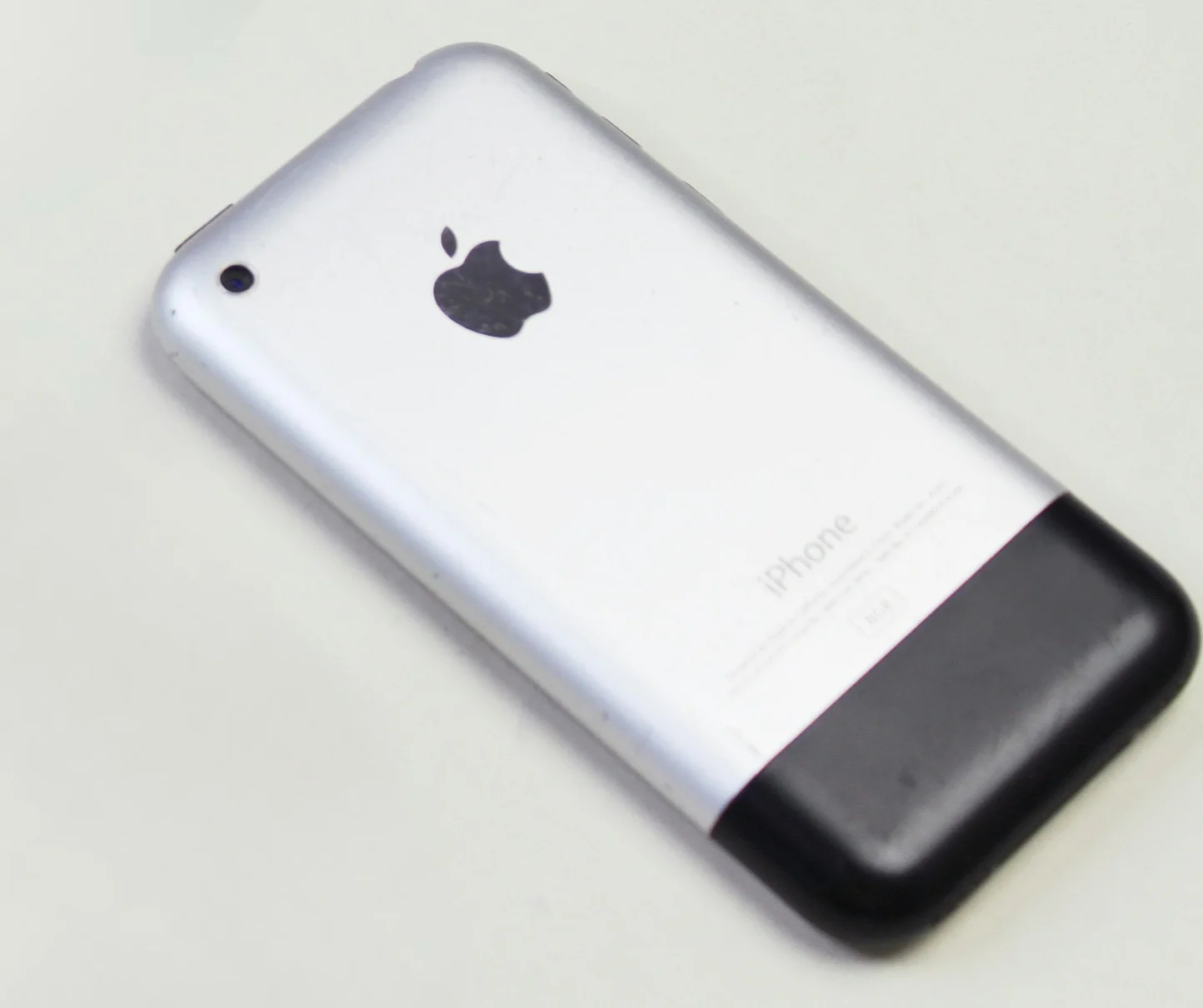
It came with a very recognizable two-tone design – with plastic at the bottom and metal at the top – and Apple also pioneered what became a pattern, and a way to do business.
That’s because from the start, Apple has always tried to lock customers into the ecosystem.
This is why even the first model came with a proprietary connector (they called it ’30-pin dock’), and a very recessed headphone jack, which prevented lots of non-Apple headphones from working with it.
We’re sure this was done purely by accident.
It also had no App Store – you could only use the included apps (mainly because Steve Jobs didn’t want third-party apps) – and no wallpaper.
That’s right.
The first iPhone had a blank (and black) wallpaper that you couldn’t change.
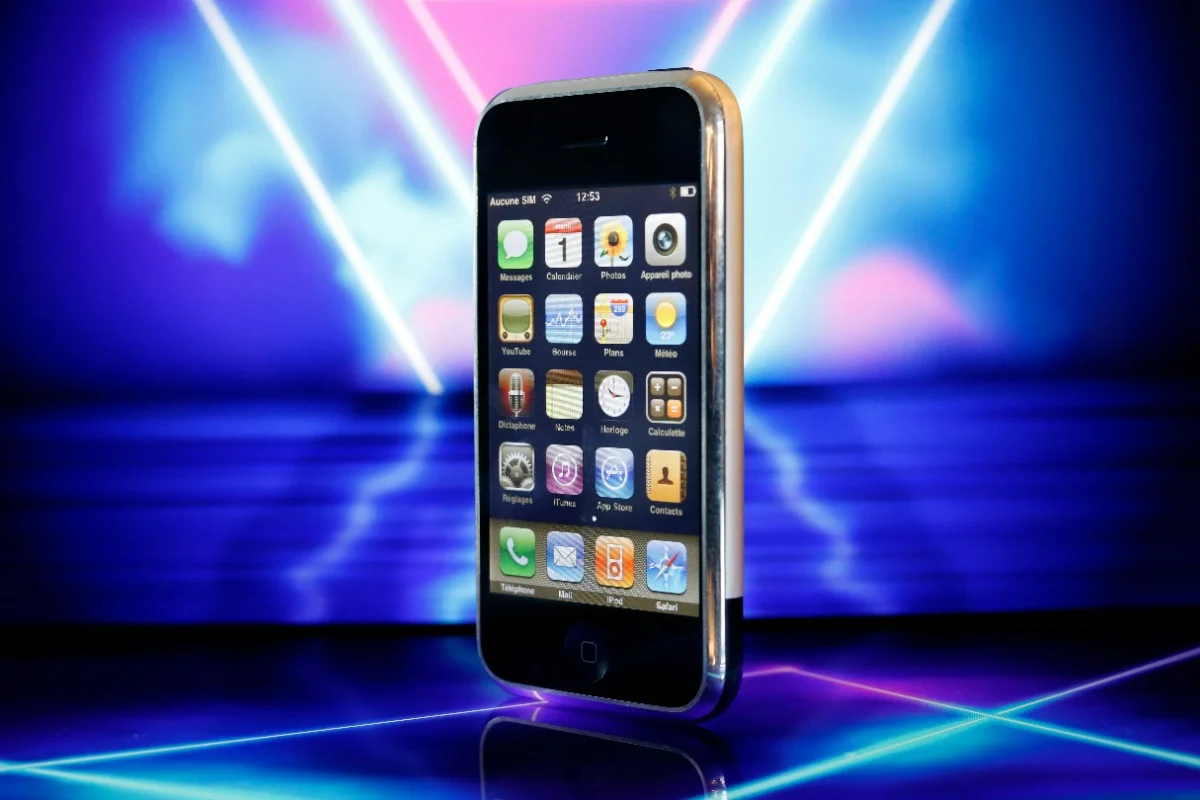
Pictured below: in 2007, digital icons in Apple devices were designed to resemble the real-world objects they represented, this changed in 2013 with iOS 7, which introduces minimalistic icons
There was more stuff missing.
Even though it had a 2MP camera at the back, it had no video camera, and no selfie camera.
Also, this is something else Apple pioneered, it didn’t offer external memory support.
No SD cards, no nothing – you get 4GB or 8GB, or the 16GB version that came a bit later.
To this day, this remains the only two-tone iPhone ever created, and by far the most valuable one at auction.
The ‘3G’ and ‘3GS’ – the ones with the App Store
Nearly identical to the previous one (aside from the colorway), the 2008 3G model was the first to introduce the App Store, and the first one with 3G.
A year later, Apple also unveiled the 3GS – the first ‘S’ update – with a larger battery, a 3MP camera, and a faster chip… made by Samsung – another recurring theme in Apple’s history.
This was also the first model that could record videos, and (believe it or not) the first to introduce cut-copy-paste features.
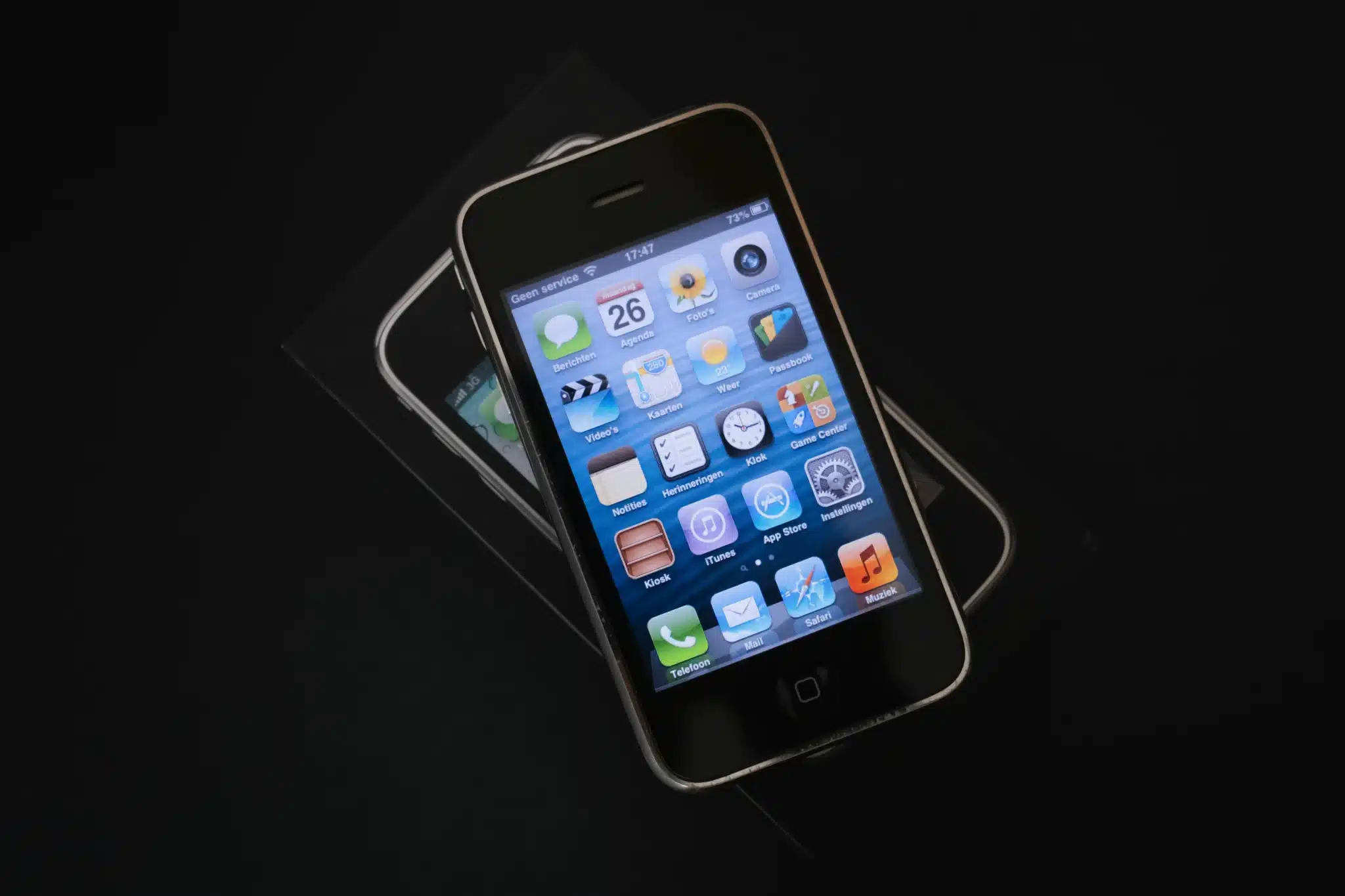
Since it was made of plastic, it cracked quite easily around the charging port and audio jack.
This was first problem, and some people called it the ‘Hairlinecracksgate’.
As for the white variant, it also discolored quite easily due to excessive heat.
This prompted something else that became a recurring theme: Apple’s response to ‘-gates’, which will become clear with the next one, iPhone 4.
Apple iPhone 4 and 4S – great design, bad antenna
Apple iPhone 4 came up with a major design overall, and a really bad antenna.
This became known as ‘Antennagate’.
Below: iPhone 4 still came with a giant box with everything in it (including headphones)
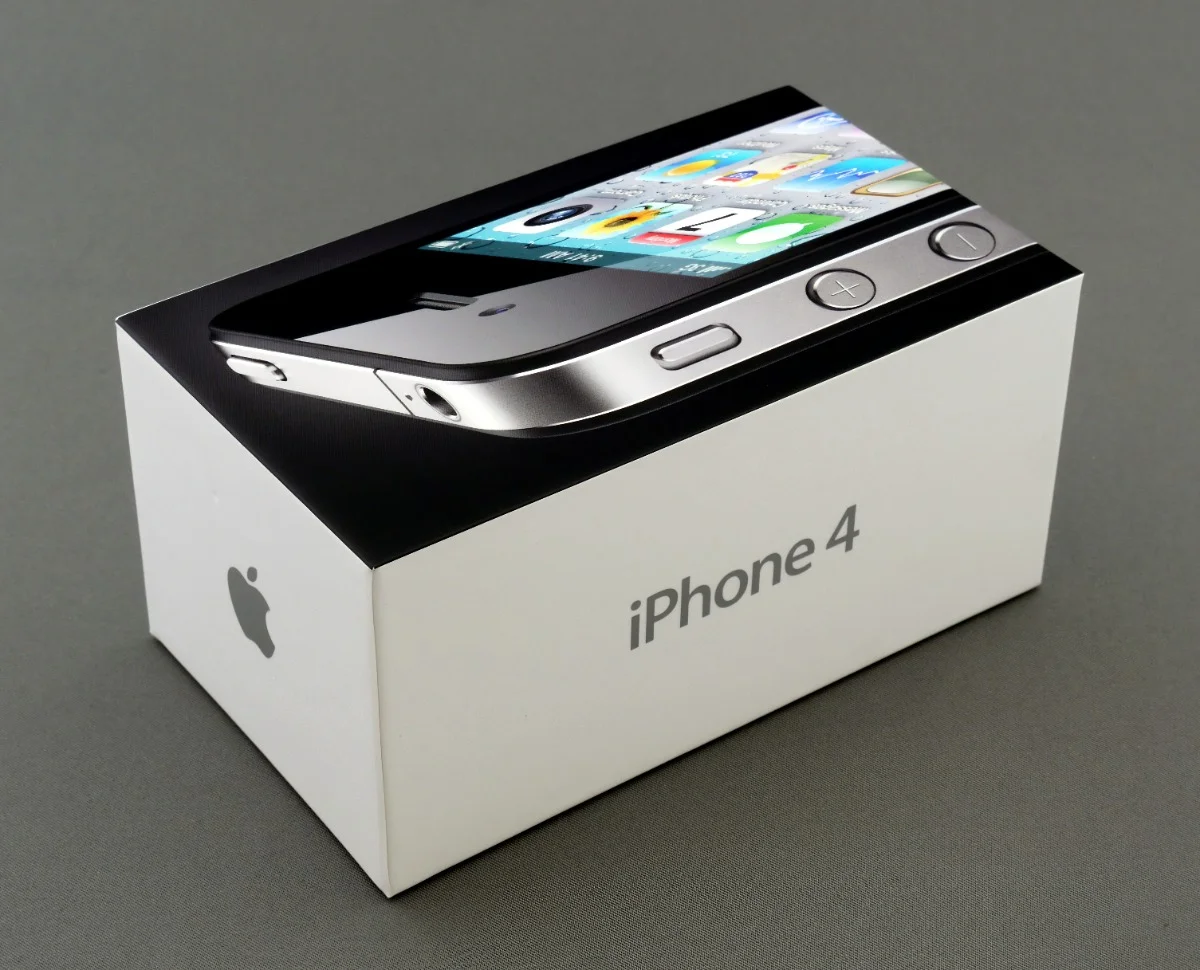
Because of where the antennas were placed – exactly where most people are likely to naturally place their hand to hold the phone – iPhone 4 wasn’t particularly great for phone calls.
It was a very real problem that effected every device, because if you lived in an area with already low signal, you could drop to one bar just by holding your phone.
Apple’s response was also pretty legendary.
The company simply told its users to hold their phones in a different way – that’s the recurring theme we mentioned earlier, because Apple’s response is often a variant of ‘well, just don’t do that’.
Antennagate aside, it introduced the Retina display, a new Apple-branded chip (still made by Samsung), a selfie camera (finally), and therefore Face Time.
But the iPhone 4 is also worth remembering for two things.
It was the last Apple iPhone that was presented by Steve Jobs himself, and the protagonist of what some people call ‘the biggest consumer teach leak in history.’
Below: clockwise – iPhone 6, 4 and 3G
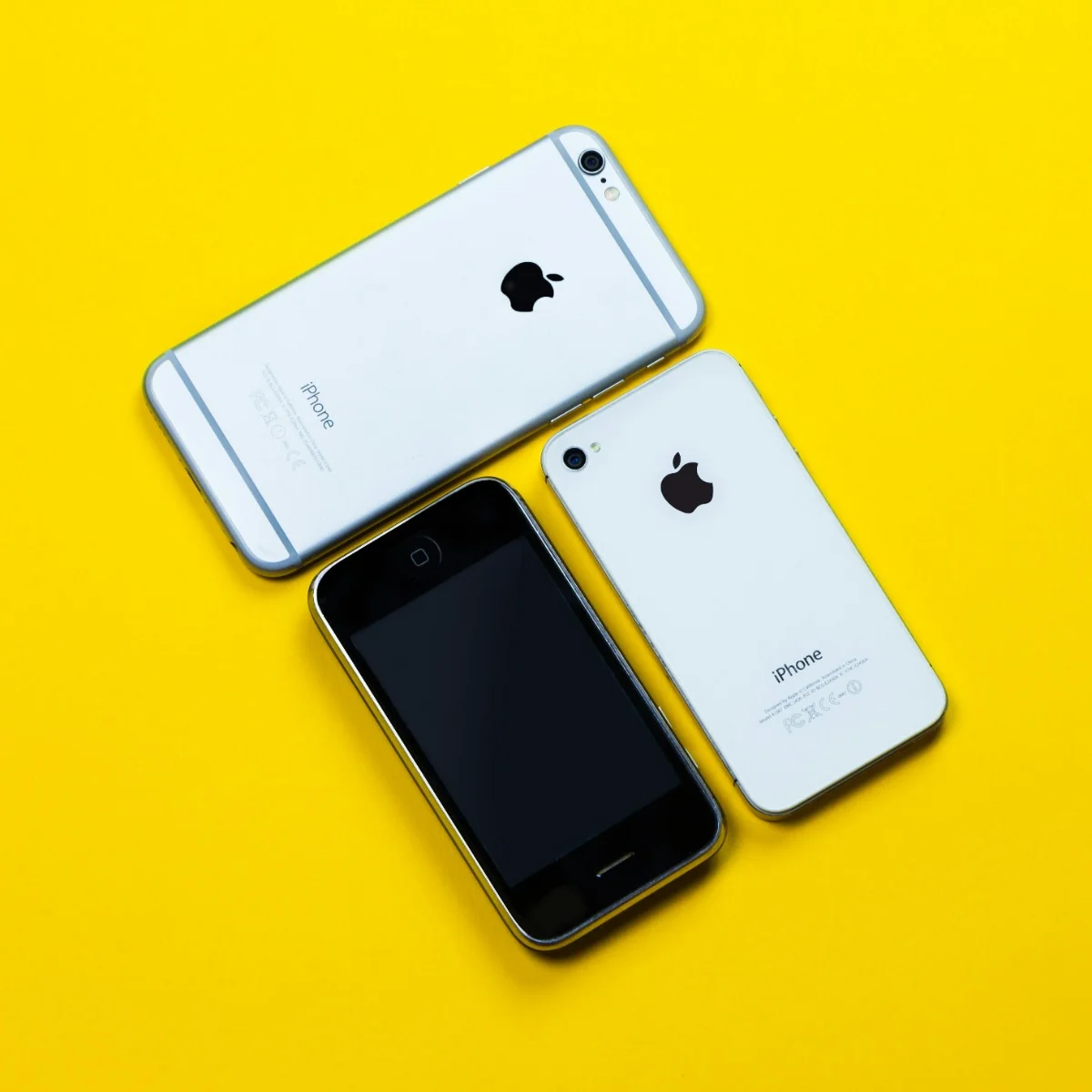
In 2010, an Apple software engineer was field-testing an iPhone 4 prototype hidden inside a fake plastic case made to look like an iPhone 3GS.
We’re going to gloss over some of the details but the phone eventually ended up in the hands of a major media outlet, which published the leak.
Steve Jobs intervened, the publication and the person that sold the phone to the publication got in (relatively) minor legal trouble, and Steve Jobs got the prototype back.
Steve Jobs ended up using the whole thing as a sort of humorous publicity stunt.
When he took the stage at WWDC 2010 to announce the new phone, he joked: “Stop me if you’ve seen this before.”
The 4S was unveiled around a year later, just one day before Steve Jobs’ death in October 2011.
5, 5S and 5C – thinner body, strange (but wonderful) colorways
The jump from iPhone 4 to 5 was not particularly shocking in terms of tech, but Apple did make a few changes.
First, they made the body thinner, and the screen bigger.
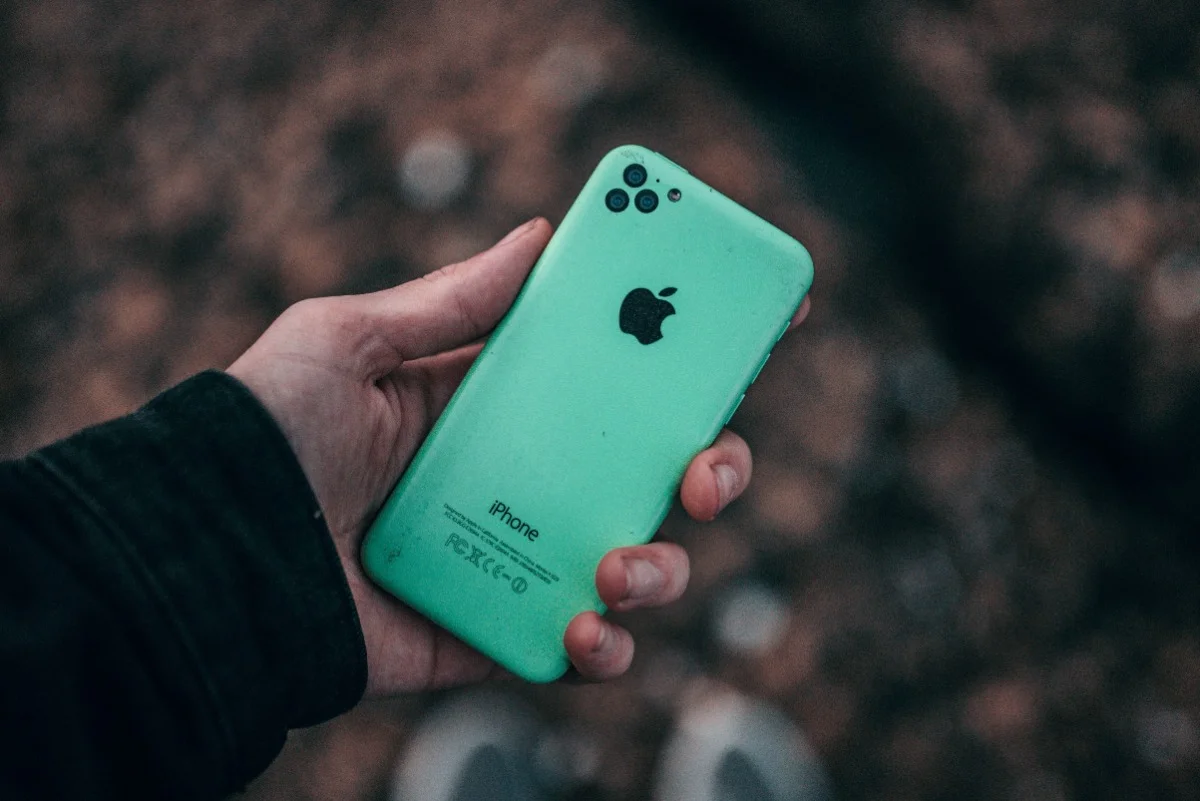
Second, they introduced iPhone 5C, by far the most colorful iPhone ever made with its bright colorways.
Pictured below: iPhone 5C is one of the worst-performing iPhones in terms of sales, but it now enjoys cult status, mainly because of the quirky colorways
And third, this is arguably the biggest leap forward, they introduced Touch ID with 5S.
Right, they also fixed the antenna problem.
Something else worth noting is that this was the first iPhone to replace the 30-pin dock connector with ‘Lightning’, another Apple-exclusive connector.
The ‘big screen’ revolution with 6, 6S, 7, 8 (and their Plus versions)
This was probably the longest design cycle for iPhone.
In 2014, Apple unveiled the iPhone 6 and 6 Plus, going back to a more rounded design for the first time since the original iPhone/iPhone 3G.
These phones were also pretty big: the ‘Plus’ versions were nearly the same size as a modern smartphone.
Below: Apple iPhone 6 is still the best-selling smartphone ever
Apple introduced three main features – Apple Pay (with iPhone 6), Wireless Charging (8) and 4K videos (8) – and removed the headphone jack for the first time.
Everyone criticized the move at the time, but good luck finding a smartphone (especially a premium one) with a headphone jack today.
Interestingly, the last model with Touch ID (8) and the first one with Face ID (X) were unveiled the same year.
The ‘all-screen’ transition with X, XR, XS, 11
Visually, the iPhone X (unveiled in 2017 at the Steve Jobs Theater) looks very similar to all iPhones that followed it.
The smartphone lost its ‘chin’ and its ‘forehead’, and debuted a new all-screen design with no buttons at all, not even the home button.
As a result, Touch ID was removed and replaced with Face ID, which is what we’re still using today.
Unlike some Android devices, Apple never introduced a version of Touch ID hidden beneath the screen – an in-display fingerprint sensor, if you want to get technical.
Pictured below: X was the first all-screen iPhone, and therefore the first with Touch ID
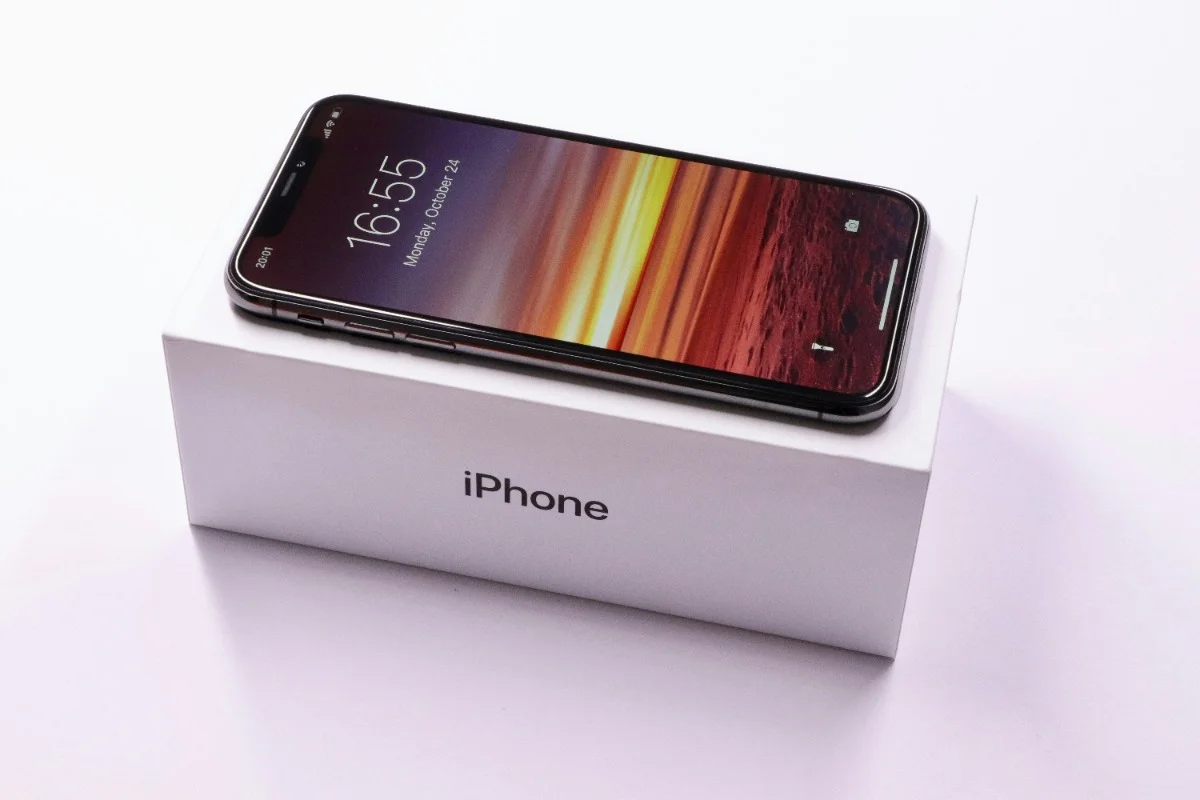
Design-wise, X was also the first one to introduce the square camera bump at the back, and the first one to introduce the ‘notch’ at the top.
Also, and this kind of crucial, the X was first the iPhone to break a psychological barrier because it was the first smartphone with a four-figure price tag: it started from $1,000.
And we shouldn’t forget that iPhone 11 was the first one to introduce the current naming strategy.
It came as iPhone 11, 11 Pro, and 11 Pro Max.
The ‘flat-edge’ era – iPhone 12, 13, 14, 15, 16
At this point, with Apple iPhone 12 (2020), technology has already reached a peak and it’s difficult to make huge changes from one generation to the other.
If we look at them cynically, every new device since then has been a slightly different and improved version of its predecessor.
Each one is slightly faster, with slightly a better camera and zoom, slightly slimmer edges, and so on.
Even so, there are still three main takeaways from this era of Apple devices.
Pictured below: Apple iPhone 15 Pro is virtually indistinguishable from 14 Pro or 16 Pro depending on the colorway
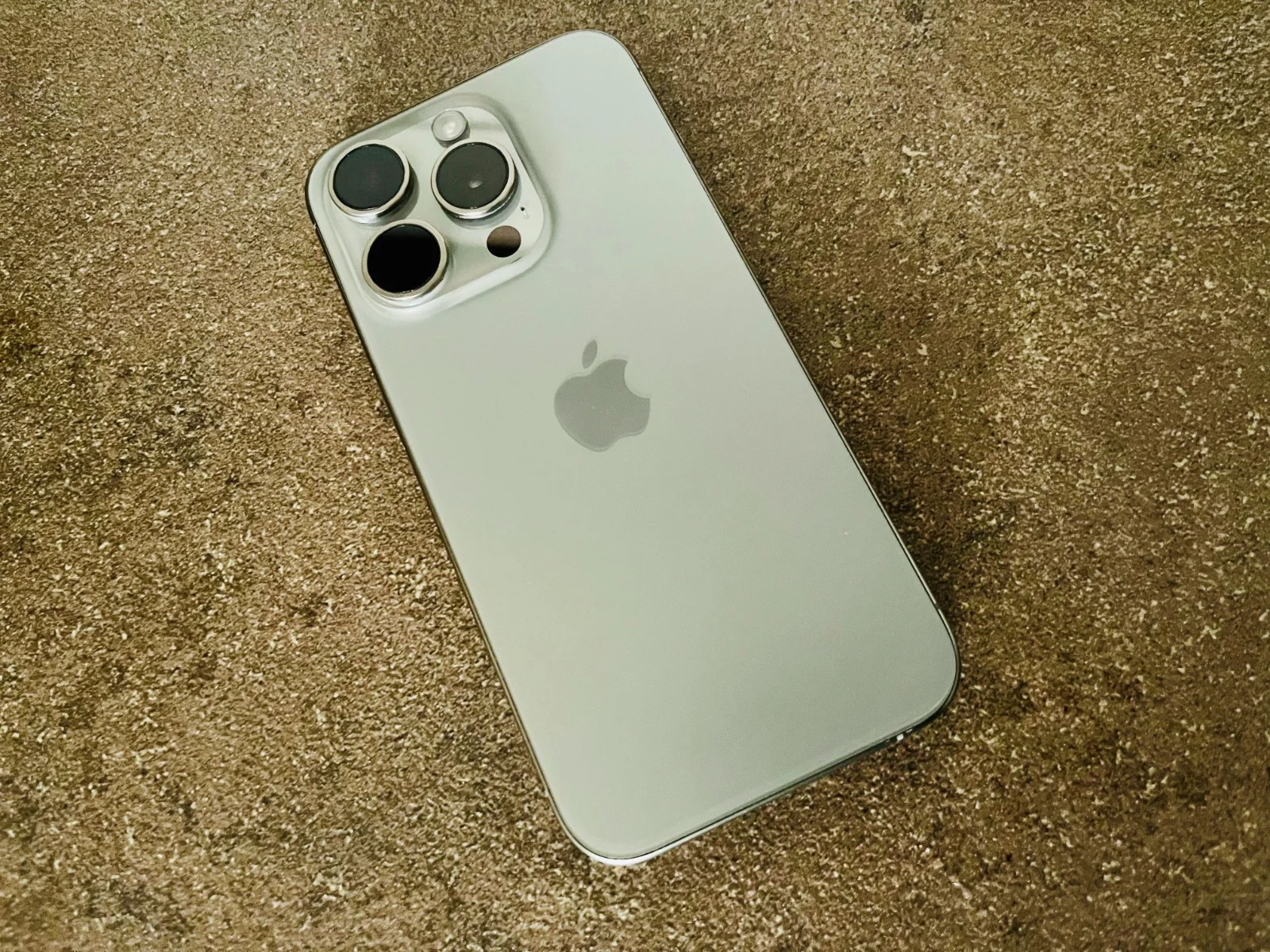
The first thing is 5G compatibility, introduced in 2012, and the second thing is Dynamic Island, unveiled with 14 Pro.
Apple transformed the static notch at the top into a ‘living’ thing called Dynamic Island, a pill-shaped area that displays real-time alerts, notifications, background activity, and so on.
The third thing is USB-C.
With 15/15 Pro/15 Pro Max, Apple also did something uncharacteristic and cave in to EU demands.
After years spent paying fines to avoid removing the Lightning port, the company finally gave up and adopted USB-C like everyone else.
For the first time ever, Apple users could now use any Android changers to charge their phones.
Something else worth mentioning is that this era probably rang the death knell for smaller versions of this smartphone.
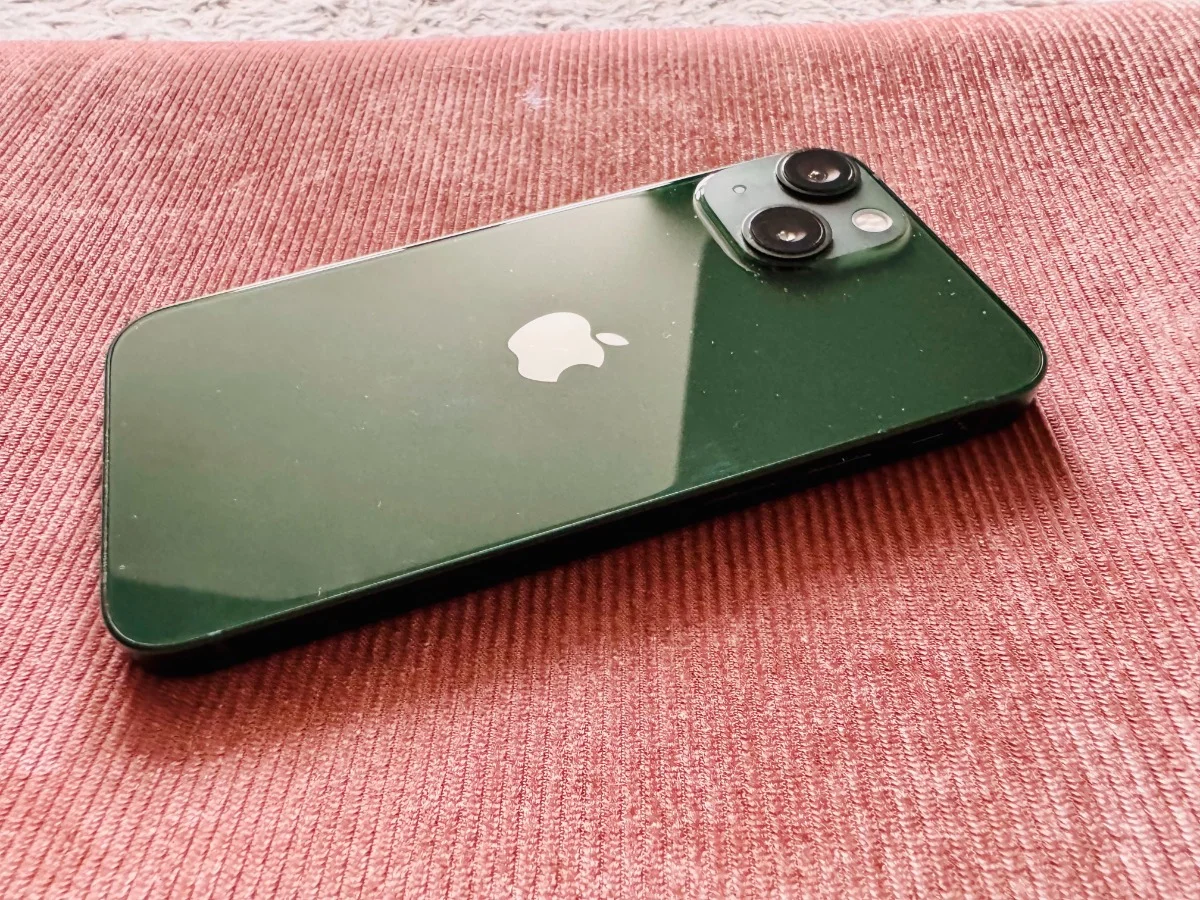
With 12 and 13, Apple tried marketing a newer, smaller phone called ‘mini’.
But sales numbers don’t lie, and mini (spelled without the capital ‘m’, for some reason) variants didn’t do well at all.
Pictured below: 12 mini and 13 mini (roughly the same size as the original 2G/3G) were Apple’s attempt at marketing small phones, but it didn’t really work
Apple iPhone 17 – the first major redesign in years
The 17th iPhone came with the first major redesign since iPhone 12, or maybe since iPhone X, depending on how you look at it.
At the back, the square camera bump was replaced with a horizontal camera ‘plateau’ that takes up the entire width of the phone.
This only applies to iPhone 17 Pro (below) models.
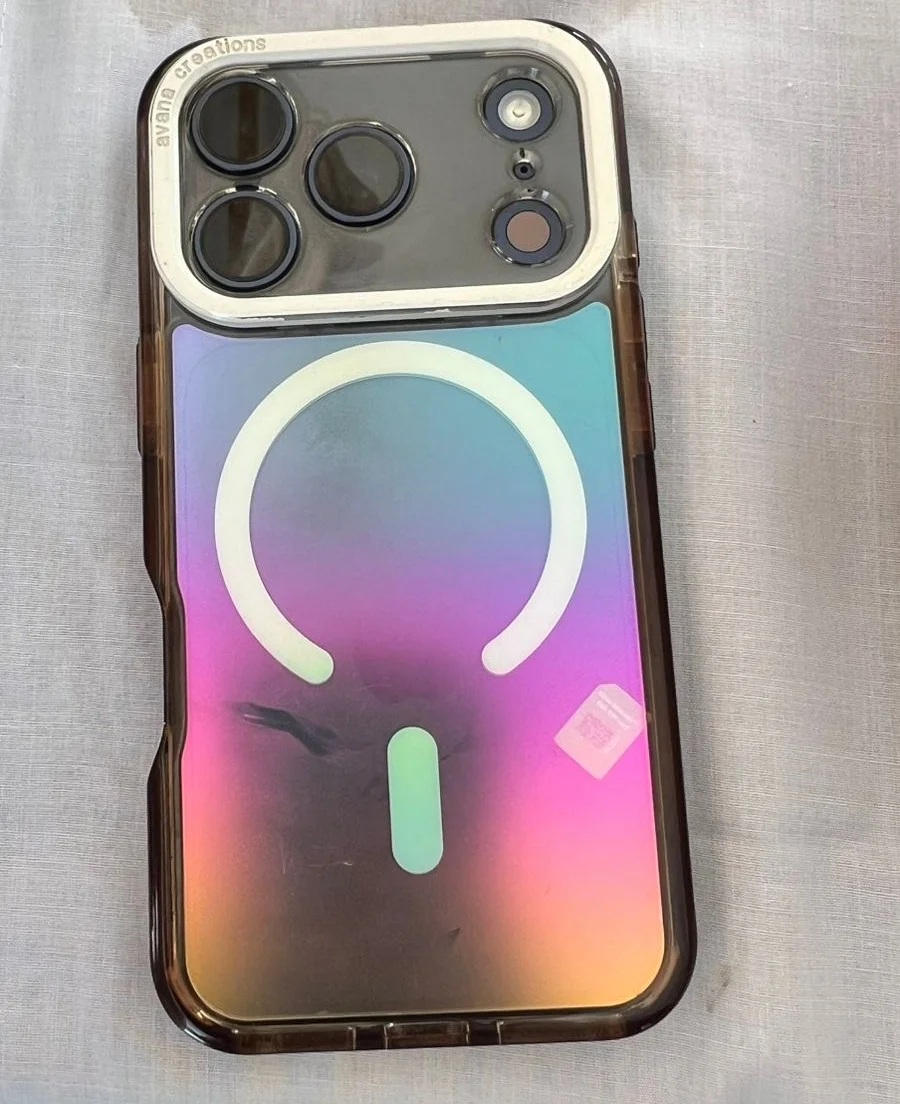
Apple also introduced Air, the slimmest iPhone yet, making this the first iPhone with four separate variants: base model, 17 Pro, 17 Pro Max, Air.
Tech-wise, 17 comes with a better Telephoto lens, a better selfie camera, and finally 120Hz refresh rate for all models, including the base model.
Honorable mentions: iPhone SE and 16e
Through the years, Apple introduced four generations of a smartphone you could sort of market as a ‘budget’ phone.
It started with the first 2016 iPhone SE (Special Edition) which, if we wanted to simplify things, was an iPhone 5s with iPhone 6s tech.
Apple later introduced two more SE models, in 2020 and 2022.
Pictured below: unlike SE (1st, 2nd, 3rd), 16e came with an original design even though it was based on other Apple devices
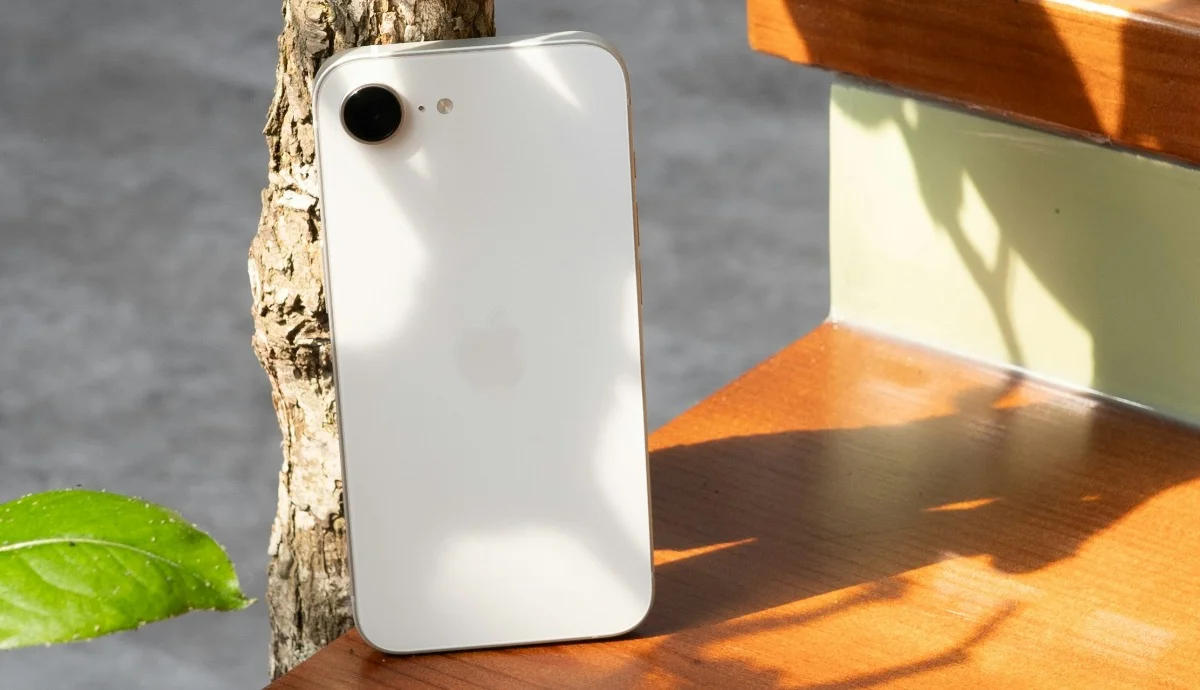
Both were based on the 8, but used internal components from the 11 and 13 respectively.
Fast-forward 2025, Apple replaced the SE (3rd generation) with 16e.
The first ‘budget’ iPhone to come with its own design, it shared its dimensions and front design with 13, 13 Pro and 14, but had a different design at the back, and components from 14, 15, and 16.
Obviously it’s all relative, this being Apple.
With a price tag of $599, iPhone 16e is not cheap, and more importantly technically more expensive than the first flagship iPhone.
DISCOVER SBX CARS: The global premium car auction platform powered by Supercar Blondie