How Apple's trade-in program actually works and what happens to your iPhone after you send it off


If you’ve upgraded an iPhone in the last few years, there’s a good chance you’ve used Apple’s trade-in program.
The process seems simple enough: hand over your old device, get a discount on a new one, and walk away happy.
But what actually happens after your iPhone disappears into that prepaid shipping box?
As it turns out, there’s a huge global business operating behind the scenes, and your old phone is far more valuable than you might think.
A behind-the-scenes look at how Apple’s trade-in program actually works
From the customer’s perspective, Apple’s gadget trade-in program couldn’t be much easier.
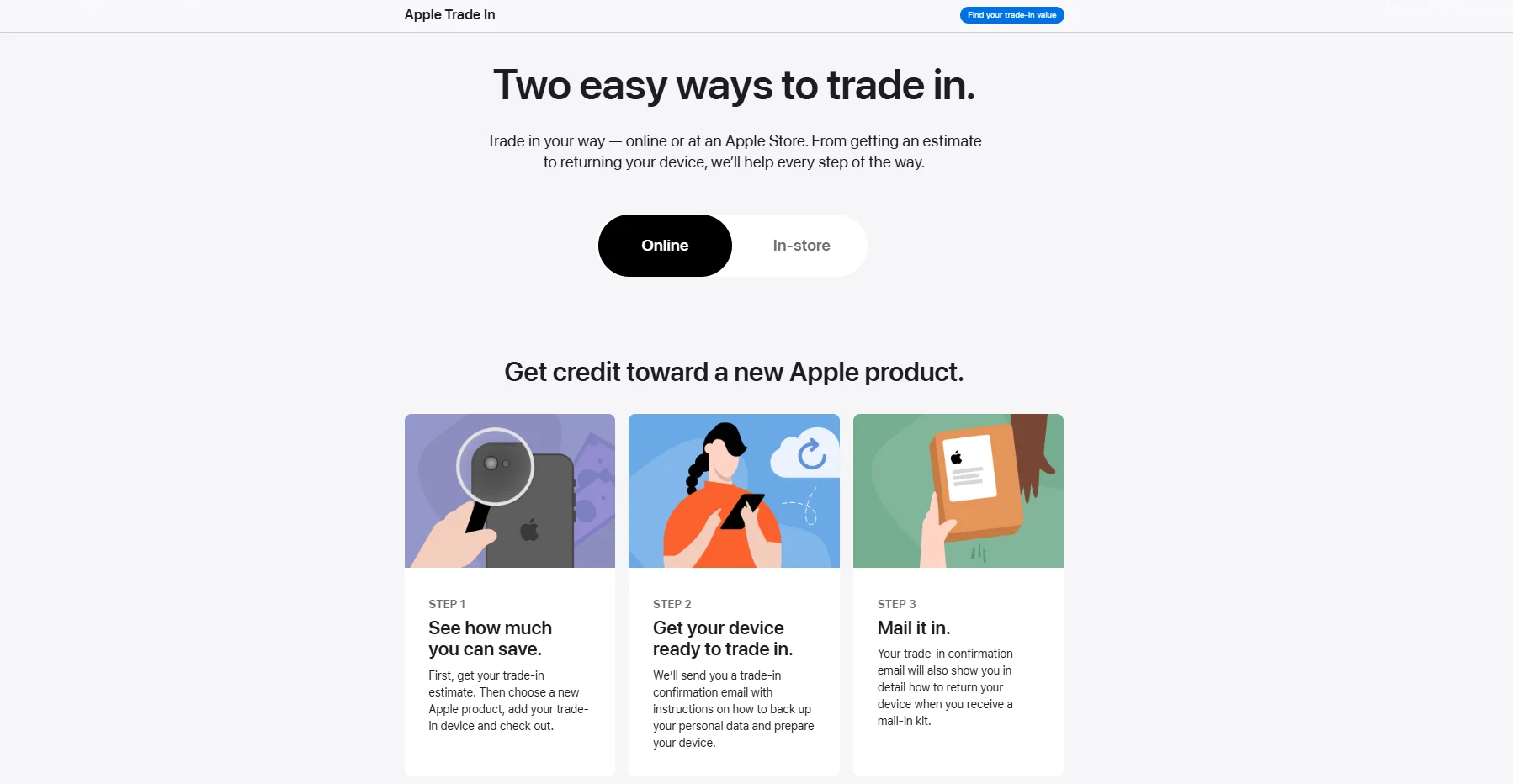
You answer a few questions about your current device, receive a valuation, and that amount is deducted from the cost of a fresh new iPhone.
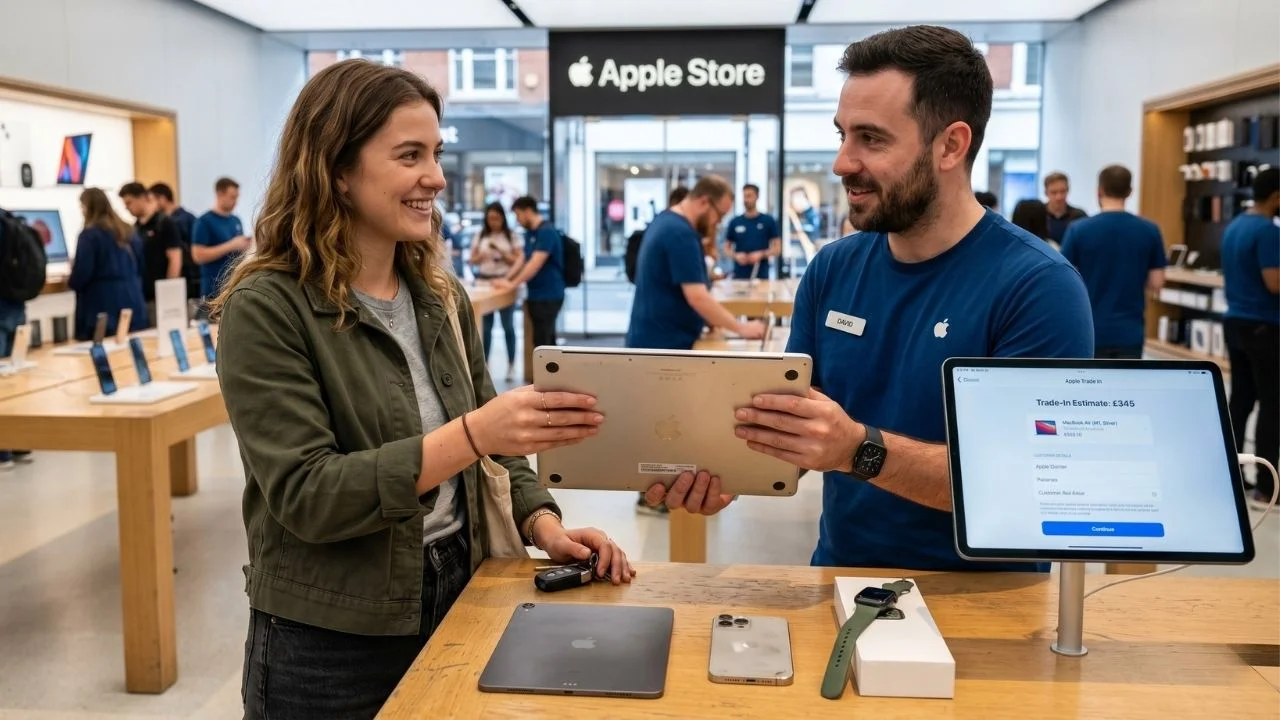
If you’re trading in online, Apple sends you a prepaid package to mail your old device back, but in-store, an employee checks the phone’s condition and works out the value immediately to help towards your new product.
But once your iPhone leaves your hands, it enters a completely different world.
For years, Apple relied on a company called Alchemy to process trade-ins before reportedly switching to another major partner, Likewise, in 2025.
The process remains largely the same.
The first step is securely wiping the device to ensure no personal data remains, then technicians inspect the phone’s screen, frame, cameras, ports, buttons, and battery health before assigning it a condition grade.
If replacing a battery or screen can significantly increase its value, the repair is carried out before the phone moves on.
According to figures cited in a recent breakdown of the program, around 99 percent of devices are eventually reused rather than recycled.
Many end up being sold through refurbishers, repair shops, and online marketplaces like Back Market or eBay.
Related

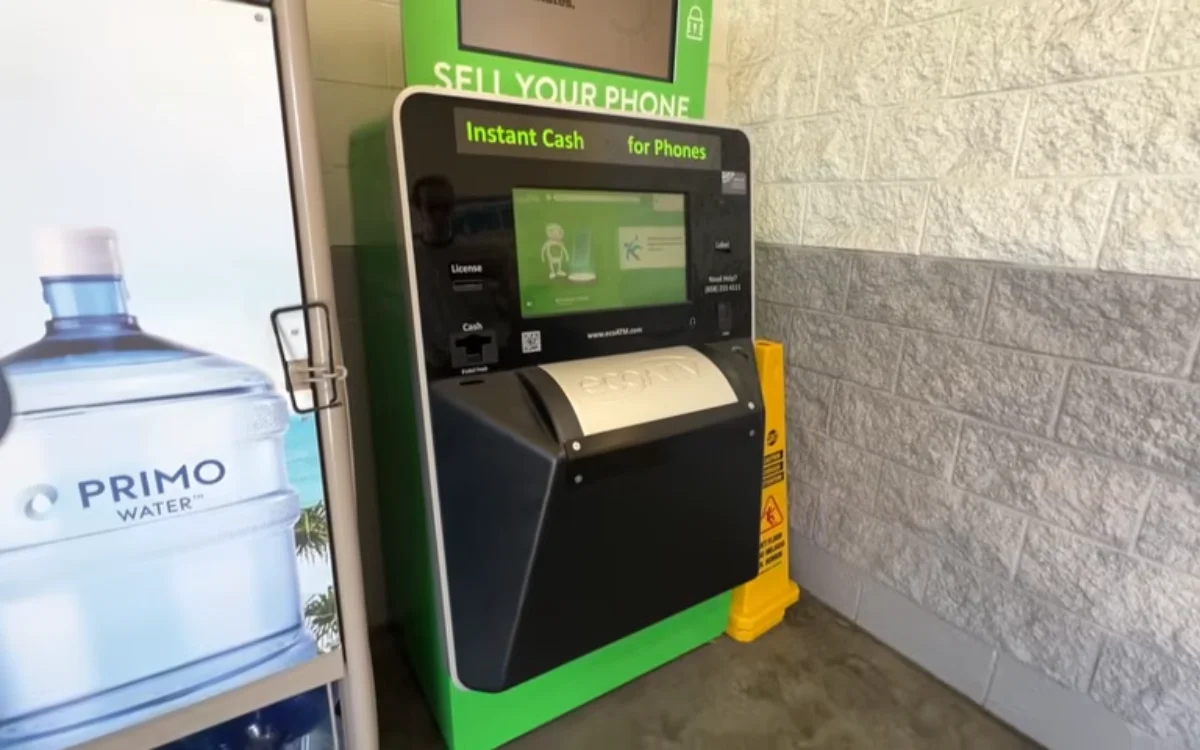
What happens to your iPhone if it’s beyond repair
Not every device is worth refurbishing.
If an iPhone arrives badly damaged or has little resale value, it enters Apple’s recycling system instead, that’s where one of the company’s most impressive pieces of technology comes in.
Apple developed a robot called Daisy (great name) that can recognize more than 20 different iPhone models and take them apart in just 18 seconds.
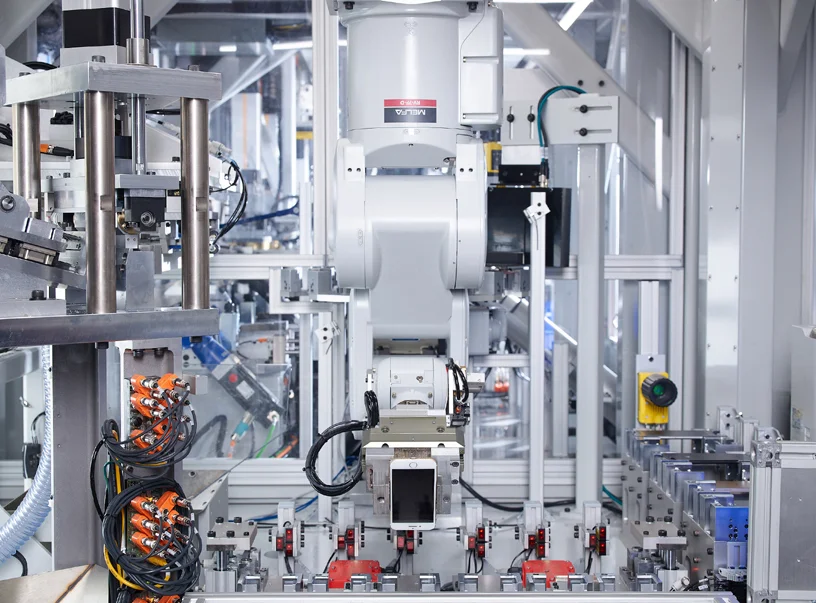
The machine removes valuable components including batteries, cameras, speakers, displays, and haptic engines before sorting materials such as aluminum, cobalt, copper, gold, steel, tungsten, and rare earth elements for reuse.
The goal is to recover as many materials as possible and feed them back into future products.
The trade-in system also serves another purpose for Apple.
While companies handling the devices make money by refurbishing and reselling them, Apple benefits by making upgrades feel more affordable.
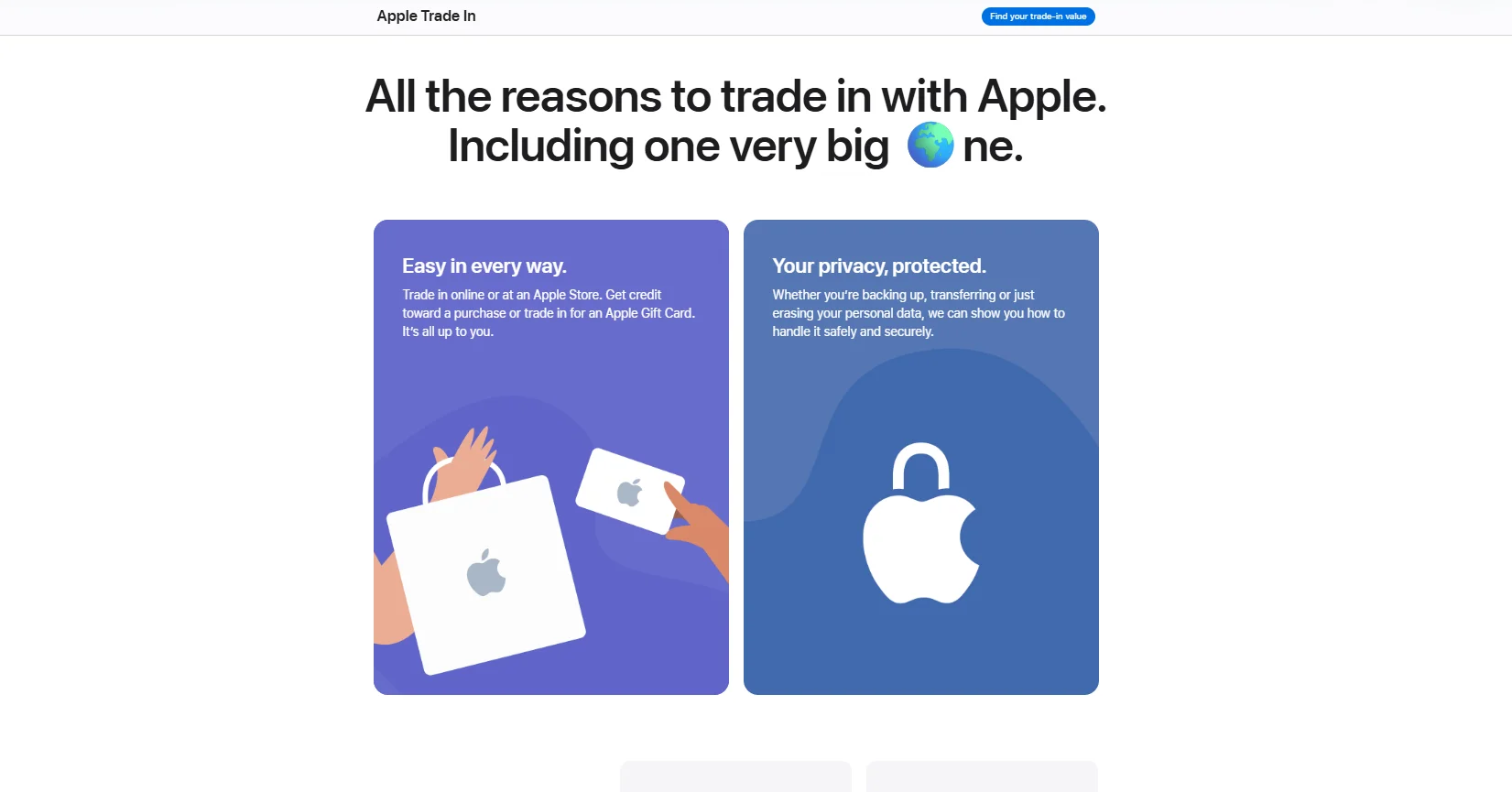
A customer might see a new iPhone priced at over $1,000, but a generous trade-in offer can significantly reduce the amount they actually pay.
So while your old iPhone may seem like it disappears the moment you send it away, it’s usually getting a second life somewhere else, whether that’s in another customer’s pocket or being taken apart by a robot designed specifically for the job.