Apple executive explains why every song was on iTunes for $0.99 despite the fact it would lose the company money




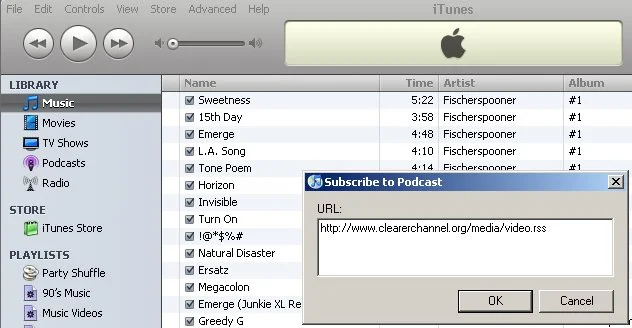
Remember back in the good old days when every song you bought on Apple iTunes was $0.99?
What looked like a simple price tag was actually part of a much bigger plan to make buying music feel effortless.
Back when Apple launched the iTunes Store in 2003, the company knew that getting people comfortable with digital music would be just as important as making money on each individual track.
And according to Apple executive Eddy Cue, Apple was willing to take a hit at first because it believed people would not stop at buying just one song.
Why every song was on iTunes for $0.99
Eddy Cue, an executive for one of the most iconic tech companies in the world, said there were two big reasons Apple was so committed to the $0.99 model, even when plenty of people thought it made no financial sense.
The first was psychological, because if every song cost the same amount, customers never had to stop and think about whether one track was worth more than another, which made the whole experience faster and smoother.
The second issue was far more complicated, because on paper, Apple was actually losing money on songs.
Cue explained that once credit card fees were taken into account, a single $0.99 purchase became a problem.
The fixed transaction fee and percentage taken by the card companies meant a huge chunk of the payment disappeared straight away, while most of the rest still went to the music labels.
Why losing money on songs still made sense
That is where Apple’s bigger strategy came in.
Rather than treating every single song as a standalone transaction, the company kept purchases open over a period of time and grouped them together before charging the customer.
Apple's Eddy Cue reveals the logic behind charging $0.99 a song when the company launched iTunes Store in 2003, despite the fact that Apple would lose money at that price:
— TBPN (@tbpn) April 1, 2026
"There were two keys to $0.99 that we really believed in, and people didn't see."
"Number one is when the… pic.twitter.com/SMcCNCs4Fd
Cue said Apple basically bet that people would buy multiple songs instead of just one, which would make those payment fees far less painful.
And that gamble worked.
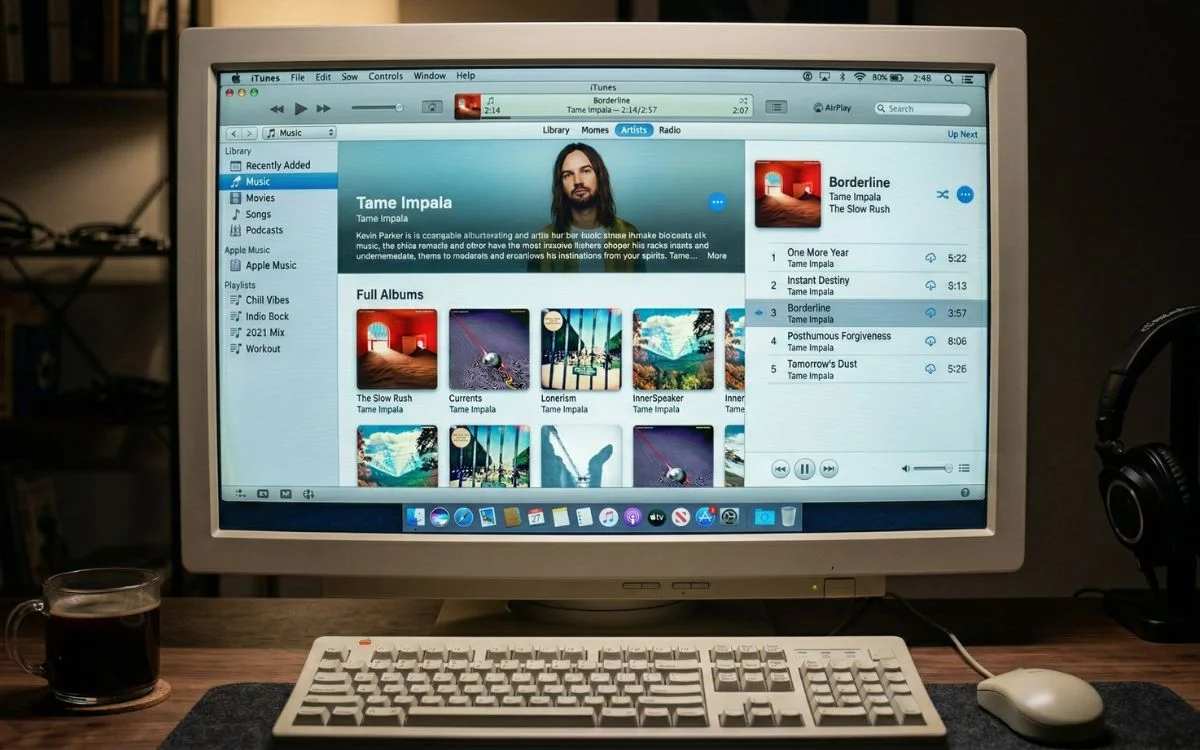
Instead of endless one-song purchases, most customers ended up spending several dollars at a time, which meant the fixed card fee stopped being such a big deal.
In other words, Apple was not really building a store around one 99-cent song; it was building a habit.
It is such a classic Apple move too, what looked like a loss-making idea on the surface turned out to be a clever way of making digital music feel simple, frictionless, and almost impossible to resist.
DISCOVER SBX CARS: The global premium car auction platform powered by Supercar Blondie
Follow topics and authors from this story to see more like this in your personalised homepage feed and to receive email updates.