Apple sacked Steve Jobs in the 1980s, almost collapsed without him but what happened when he returned is extraordinary
 Claire Reid

It’s hard to think of Apple without thinking of founder Steve Jobs, but back in the 1980s, the company decided to get rid of Jobs, and it almost cost everything.
Jobs founded Apple alongside Steve Wozniak and Ronald Wayne on April 1, 1976.
Apple began life in Jobs’ bedroom in his parents’ house, before moving to their garage, and before becoming one of the biggest tech companies ever, with a valuation of around $4 trillion.
But things almost went a very different way for Apple, after the company sacked Jobs in 1985.
Enter our competition to win a stunning 2006 Ford GT or $400,000 cash!
Steve Jobs founded Apple when he was just 21
Steve Jobs was still in high school when he met Wozniak in 1971, and the pair struck up a friendship.
Within months, the pair had joined forces to sell Wozniak’s ‘blue boxes’, a device that allowed people to make long-distance phone calls at no extra cost.
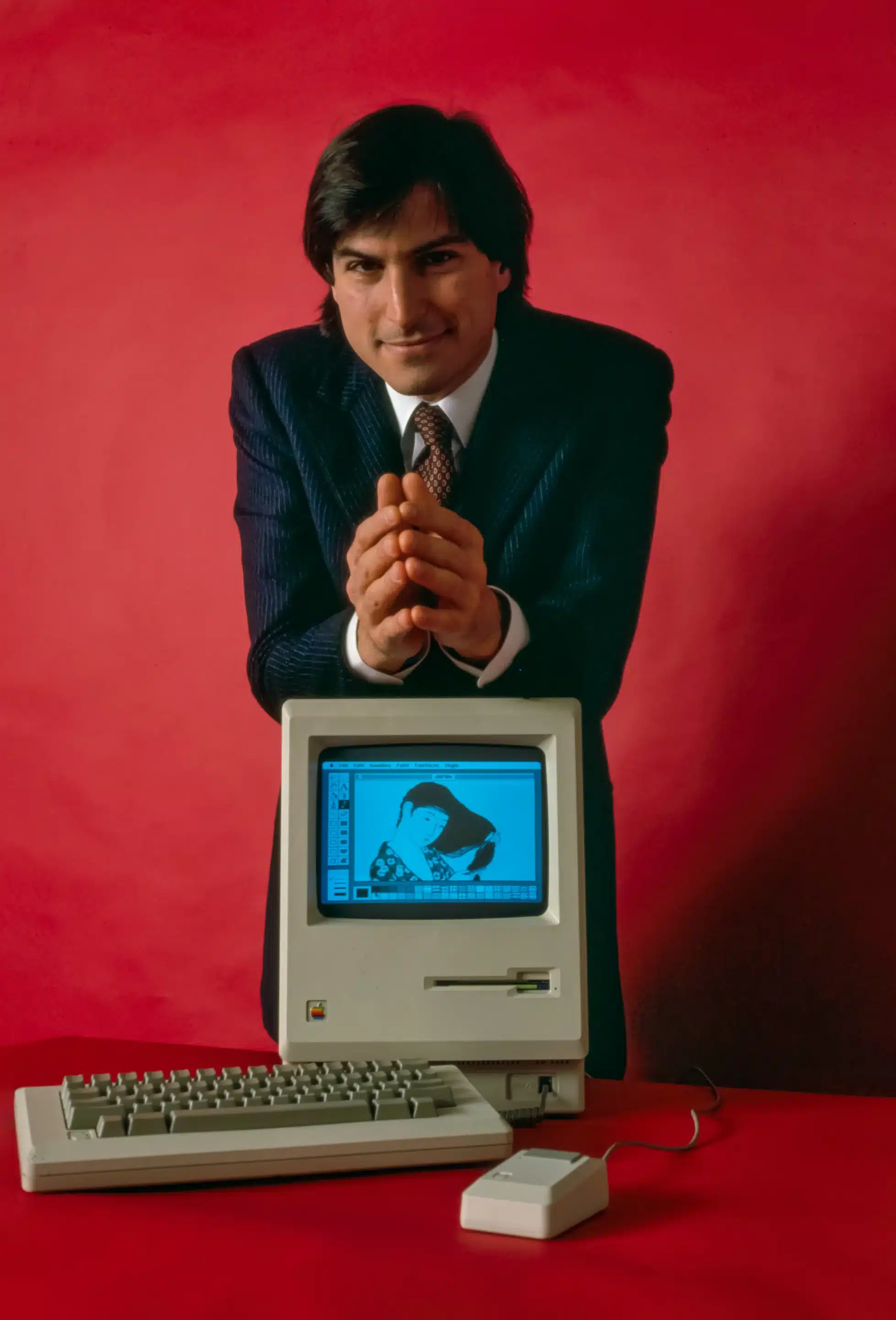
In 1975, Wozniak began work on the Apple I, with both he and Jobs selling their belongings to help finance it.
The following year, the two Steves, alongside former Artari employee Wayne, signed the contract that brought Apple to life.
But it wasn’t a smooth run for the trio.
Wayne sold his 10 percent stake in the company less than two weeks later, and Wozniak parted ways in 1985, going on to create a bizarre universal remote control.
And just a few months later, Jobs would also be out the door.
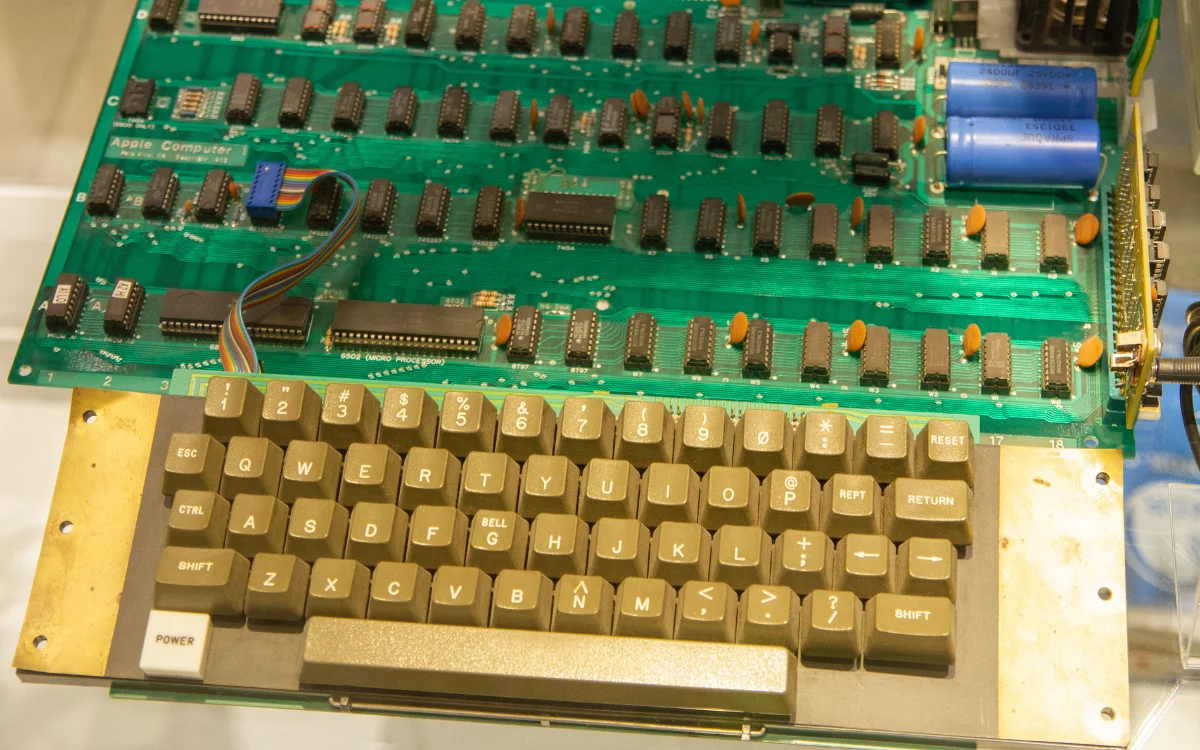
Cracks began to show after Apple hired former Pepsi president John Sculley in 1983 and made him CEO.
Jobs had also wanted to be CEO, but the board went for Sculley as he had more business experience.
In the months and years that followed, the pair clashed, and amid falling sales of the Macintosh and the Lisa, Jobs departed Apple.
Now, whether he was sacked or left is a bit of a mystery.
Jobs always maintained that he was fired from the company, while Sculley says Jobs left voluntarily.
Either way, by the end of 1985, all three original founders no longer worked at Apple, and with them gone, the company didn’t do too well.
After he left, things didn’t go well for Apple
Jobs went on to found NeXT and also funded The Graphics Group, later known as Pixar.
He’s even credited as an executive producer on the 1995 flick Toy Story.
Meanwhile, back at Apple, Sculley had launched the System 7 operating system, which introduced color to Macs for the first time, and the PowerBook laptop.
But the company soon hit a slump, with devices like the Newton MessagePad failing to gain interest from customers.
He also began work on a new processor called PowerPC, which cost a lot more than Intel’s processors and, again, was not a success.
Ultimately, Sculley was let go and replaced by Michael Spindler, who lasted around three years, before he was replaced by Gil Amelio, and that’s when things got interesting.
Jobs returned and changed the tech industry forever
Apple was just weeks away from bankruptcy when Amelio decided to buy Jobs’ NeXT for $429 million in 1997.
The acquisition meant that Jobs was back at Apple and eventually led to Amelio being ousted and Jobs taking the job as CEO.
Back where he began, Jobs wasted no time in getting to work.
Just one month on, he’d managed to convince Microsoft to invest $150 million into Apple, and in less than a year, he’d announced the launch of the iMac.
The iMac proved to be a huge hit, selling 800,000 units in its first five months.
The lineup was quickly joined by the iBook laptop in 1999, and Apple changed the tech industry forever two years later with the introduction of the iPod.
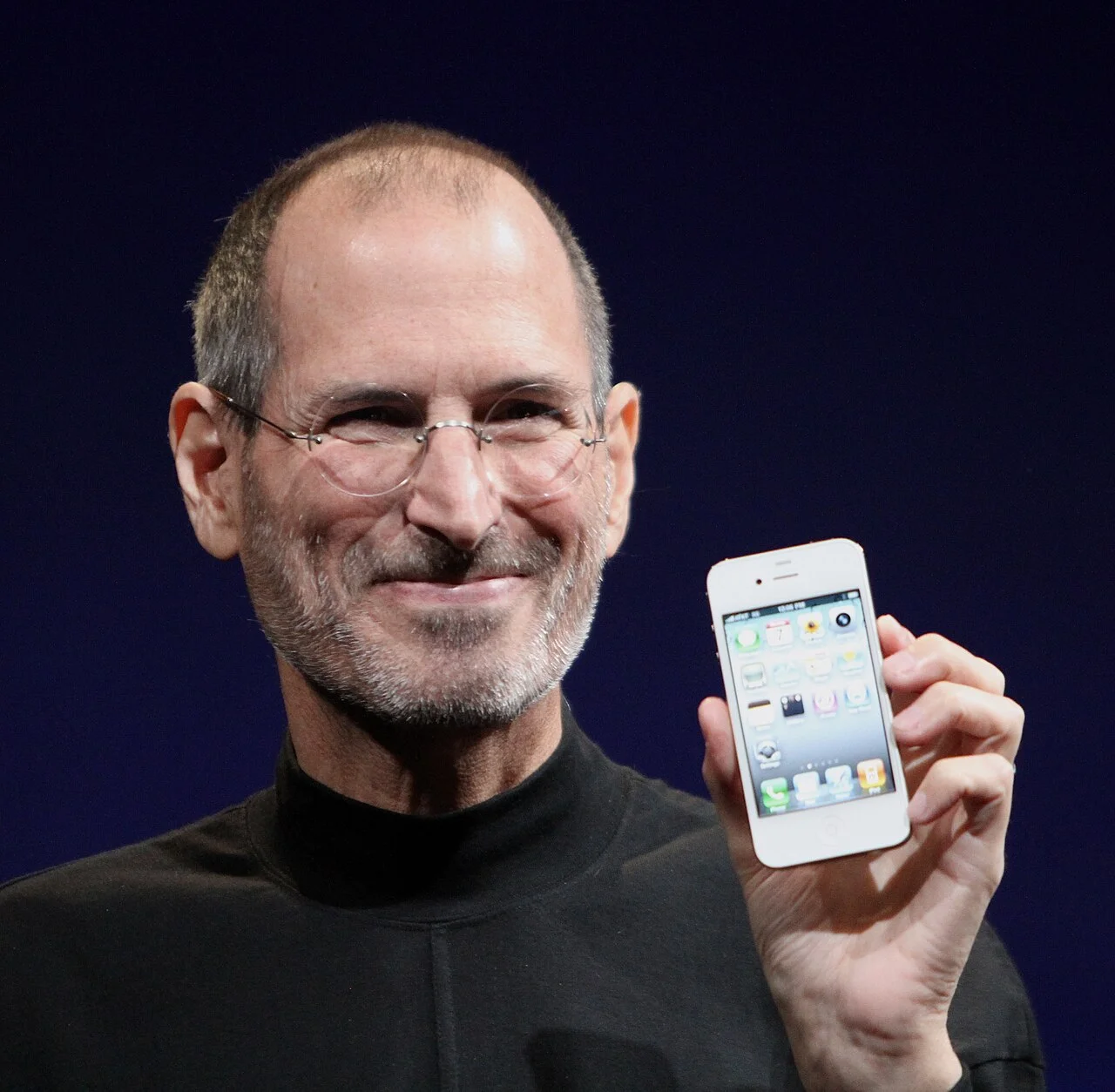
The comapny went from strength to strength, selling more than 100 million iPods in six years, and helping to pave the way for the iPhone in 2007.
The iPhone has since been joined by the Watch, Apple TV, Vision Pro, and more new products and services than you can shake a stick at.
Today, Apple is valued at $400 trillion, but the company could have just as easily become another casualty of the tech industry, had it not been for Steve Jobs return and forward-thinking approach.
DISCOVER SBX CARS: The global premium car auction platform powered by Supercar Blondie