Apple is turning Siri into a hub for every AI on the market and the strategy is as clever as it is unexpected
 Claire Reid
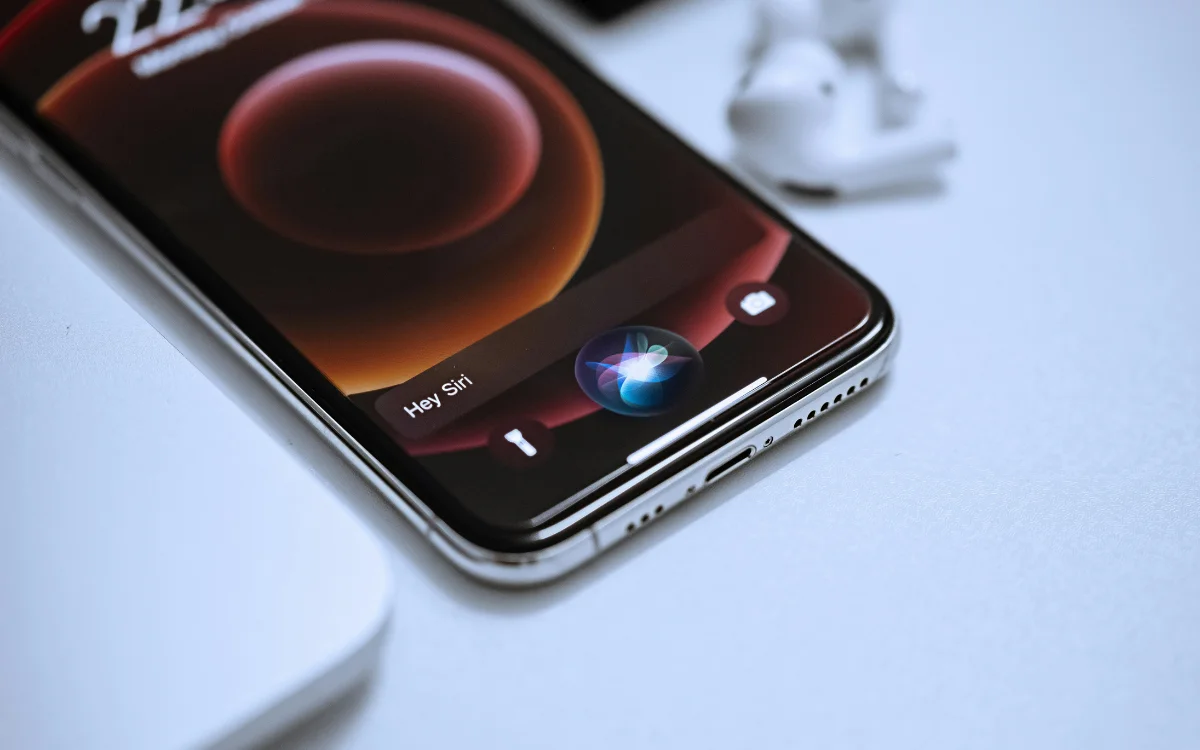

Apple is rumored to be opening up Siri to third-party AI services, like ChatGPT and Claude, allowing its customers to choose their own AI model.
This means that Siri would act a bit like a hub for multiple third-party AI services.
The reports suggest the change will be coming with the launch of iOS 27 later this year.
Although it might sound like an unusual move for Apple, which has its own proprietary Apple Intelligence, it could actually solve a big problem the tech giant has faced.
Apple is reportedly set to open Siri up to a bunch of AI models
Apple could be set to make a very big change when it comes to Siri.
Currently, Apple customers can send queries to ChatGPT via Siri, thanks to a partnership between the tech giant and OpenAI.
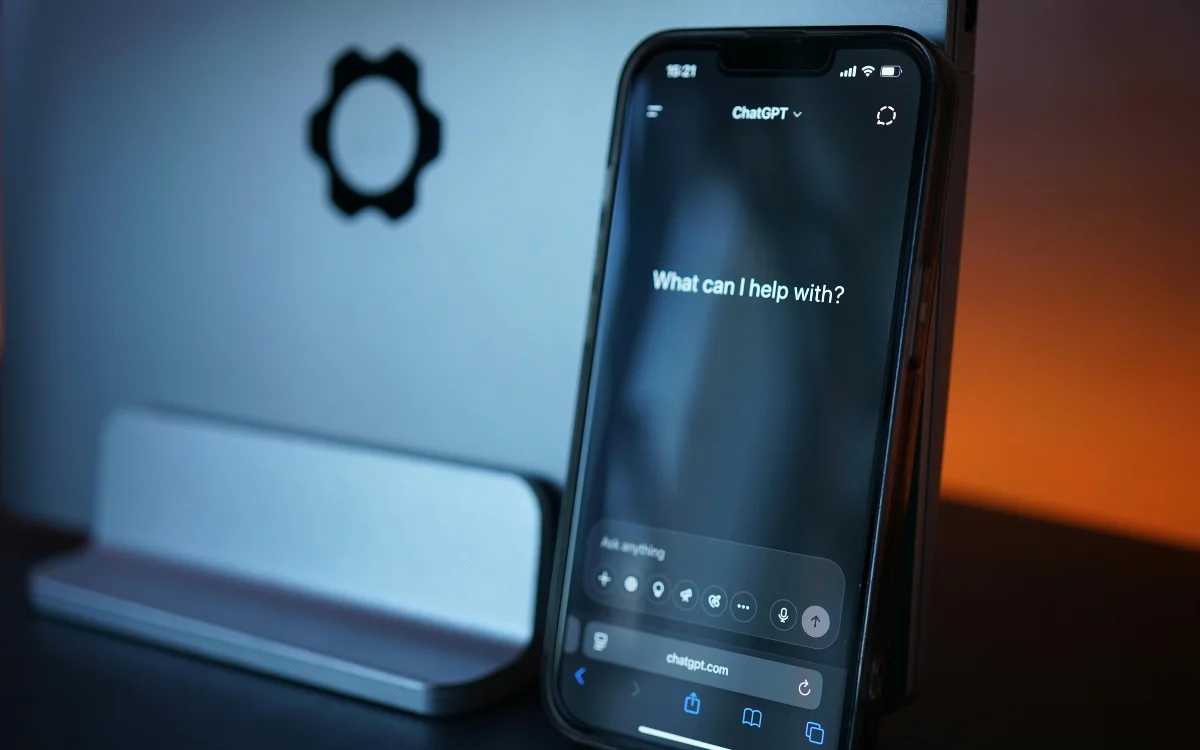
However, in the not-too-distant future, Apple will reportedly allow a whole range of AI assistants, including Gemini and Claude, to be integrated into its own digital assistant.
According to a report from Bloomberg’s Mark Gurman, Apple will be opening up Siri to any AI service on the App Store.
As well as working with Siri, the chatbots will also work across other features on the Apple Intelligence platform.
The report suggests the new plans will be unveiled at the Worldwide Developers Conference on June 8, before being introduced for iOS 27.
As well as offering more choice, the move could also see the company make money from third-party AI subscriptions through its App Store.
Could this solve a real problem for the tech giant?
The move to allow its customers to choose their own AI agent could solve a persistent problem for Apple.
The company was first off the block when it came to digital personal assistants, with Siri launching on the iPhone 4s back in 2011.
However, as the years have passed, newer and more advanced virtual assistants, like ChatGPT and Claude, have blown Siri out of the water.
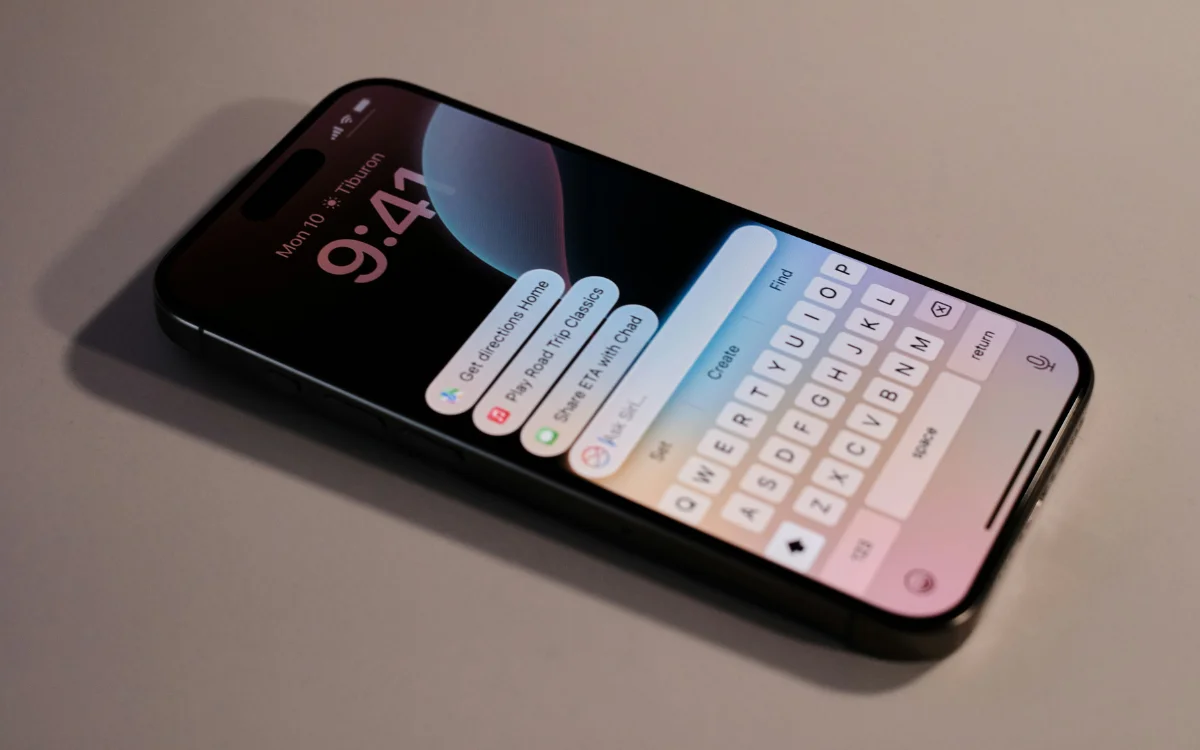
This is partly down to the tech it was initially built on, and the company’s decision to stick with that technology, rather than rebuild it.
Apple had also largely shied away from AI until the likes of ChatGPT were introduced, and it quickly began to build its own system.
But it was a case of too little, too late, and Apple has struggled to catch up.
Now, by positioning Siri as a sort of AI hub, it takes the pressure off having to rebuild its own AI.
A quick history of voice assistants
1952: Audrey voice recognition system by Bell Labs, recognizes spoken digits – one of the first speech-recognition machines
1962: IBM Shoebox from IBM can understand about 16 words and perform simple math
1997: Dragon NaturallySpeaking launches, allowing users to dictate text on computers using natural speech
2011: Siri launches on the iPhone 4S, bringing voice assistants to mainstream smartphones
2014: Amazon Alexa debuts with the Amazon Echo, making voice assistants central to smart homes
2016: Google Assistant launches, using advanced machine learning and Google search data to improve responses
2017: The Transformer neural network architecture is introduced, enabling powerful AI language models that improve voice assistant understanding
2020: Voice assistants become widely integrated into smartphones, cars, TVs, and smart home devices, with billions of users worldwide
2023: Generative AI assistants like ChatGPT and Google Gemini begin powering more advanced conversational assistants
2024-Present: Companies including Apple, Amazon, and Google work to upgrade voice assistants with large language models, aiming for more natural conversations and complex task automation
DISCOVER SBX CARS: The global premium car auction platform powered by Supercar Blondie