Archaeologists just used AI to reconstruct the face of a Pompeii victim for the first time and the result is extraordinary

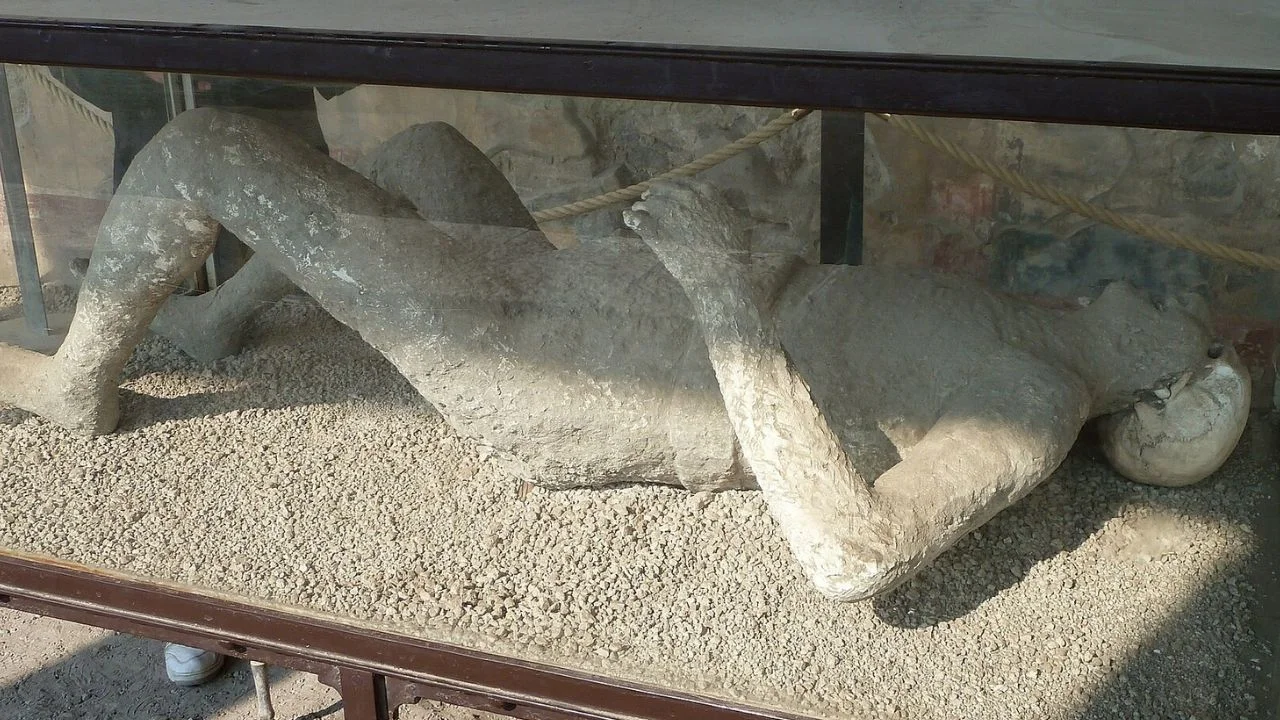

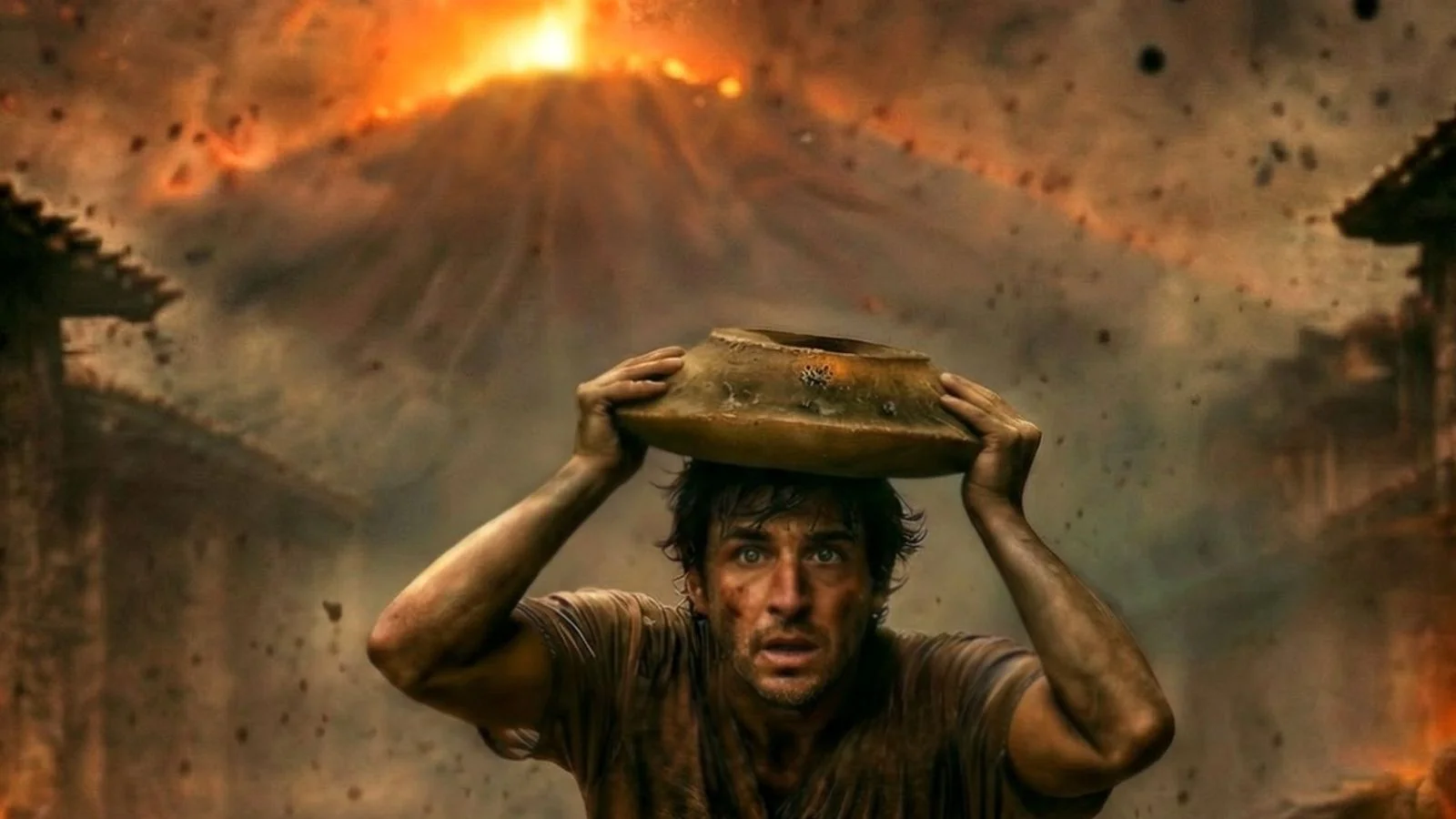
AI is helping bring history back to life, especially now that archaeologists have asked AI to reconstruct the face of a Pompeii victim for the first time.
The breakthrough brought a human story back to life from one of history’s most devastating disasters.
By combining cutting-edge tech with ancient remains, experts were able to create a remarkably lifelike face.
And it’s giving people a whole new way to connect with the tragedy of the Mount Vesuvius eruption of 79AD.
Archaeologists and AI reconstruct the face of a Pompeii victim
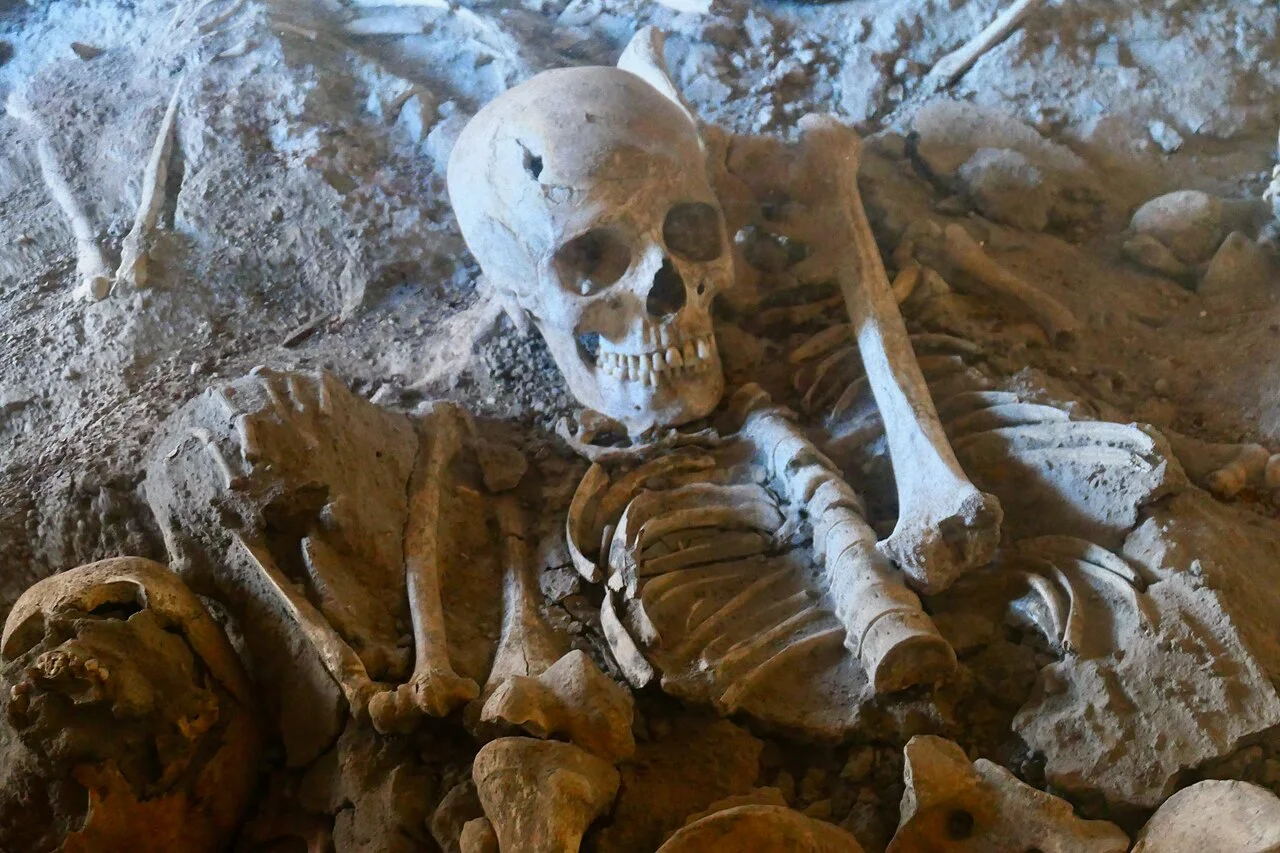
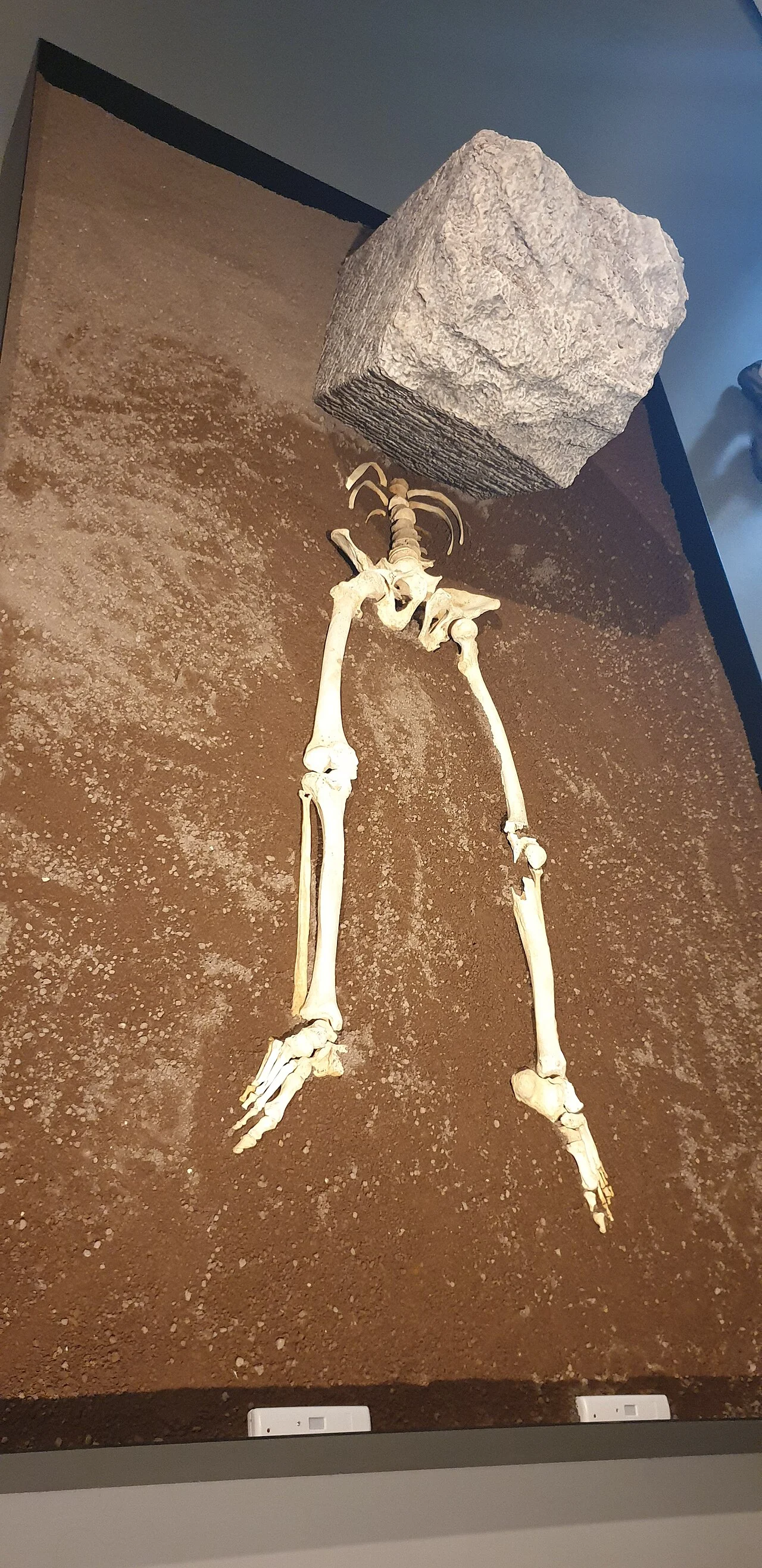
The tech reconstruction was based on the remains of a man who died during the destruction of Pompeii, after Mount Vesuvius erupted and buried the city under ash.
Using AI alongside traditional forensic techniques, archaeologists were able to rebuild his facial features in a way that feels strikingly real.
The result offered a glimpse into the past, which is exciting for archeology, tech, and history fans alike.
Experts say this kind of technology is already transforming archaeology, especially when it comes to analyzing huge datasets.
Forensic archaeology expert Sameena Khan explained: “Honestly, it’s super transformative in some areas and overhyped in others.
“The areas where AI is already proving itself are mostly about scale and pattern recognition, so things like LIDAR analysis.
“AI can scan aerial data and flag anomalies, which are like buried structures.”
She added that these tasks are far speedier now, saying: “When I was learning LIDAR, stuff like that can take days or even weeks to review, depending on how much data there is to go through.”
It’s powerful but not perfect
But while the results are impressive, experts are also urging caution.
Khan pointed out that AI still lacks the deeper understanding needed to fully grasp ancient history.
“I do think, though, that AI doesn’t understand interpreting things; it doesn’t have the in-depth knowledge we have…
“We need cultural/historical frameworks to understand a lot of what we see in archaeology, and I just don’t think AI is there yet.”
She also warned about the risks of getting things wrong.
“If an AI-assisted reconstruction of someone is wrong… it can have huge implications like legal, academic, and human implications.”
There are also ethical questions around how these reconstructions are presented.
Khan explained that transparency is key: “Every reconstruction should have a clear indication of what is evidenced, what is reasoned inference, and what is speculative.”
Even so, there’s no denying the impact.
Bringing a face back from nearly 2,000 years ago is something that once felt impossible, and now it’s happening – AI might not have all the answers yet, but it’s already changing how we see the past.