Artemis II is the first crewed mission beyond low Earth orbit since Apollo 17 in 1972 and the 10 day journey it is about to take is extraordinary

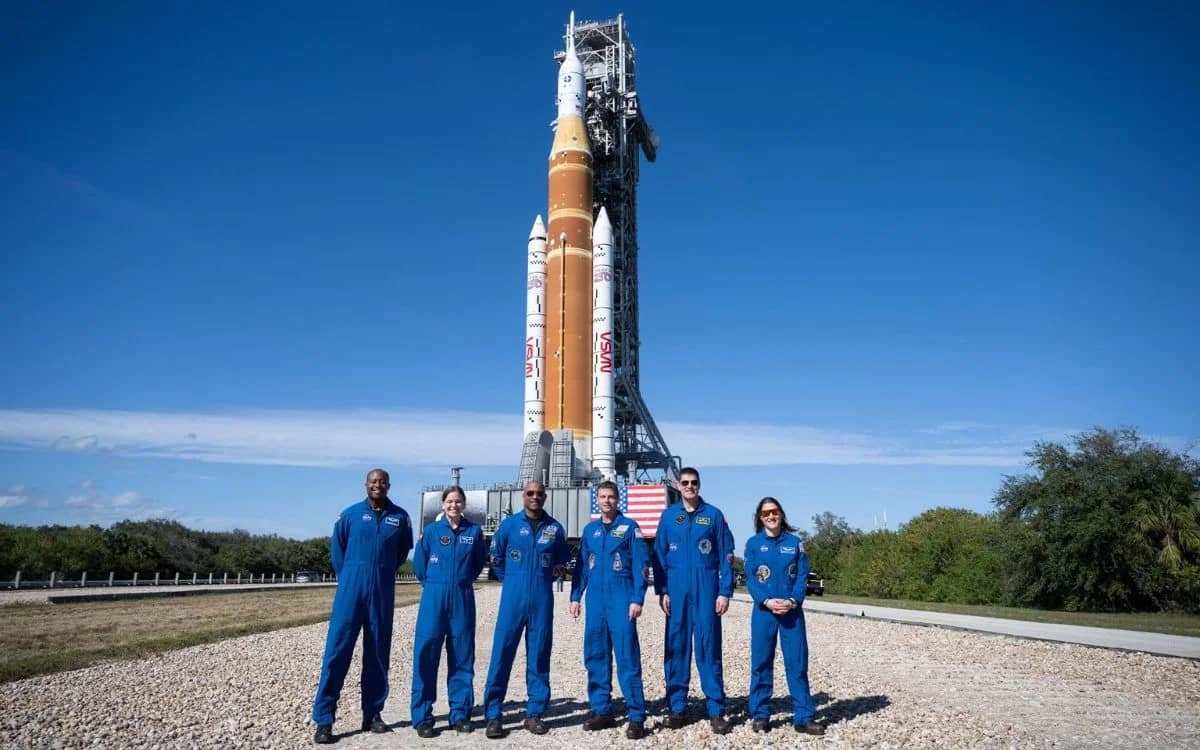
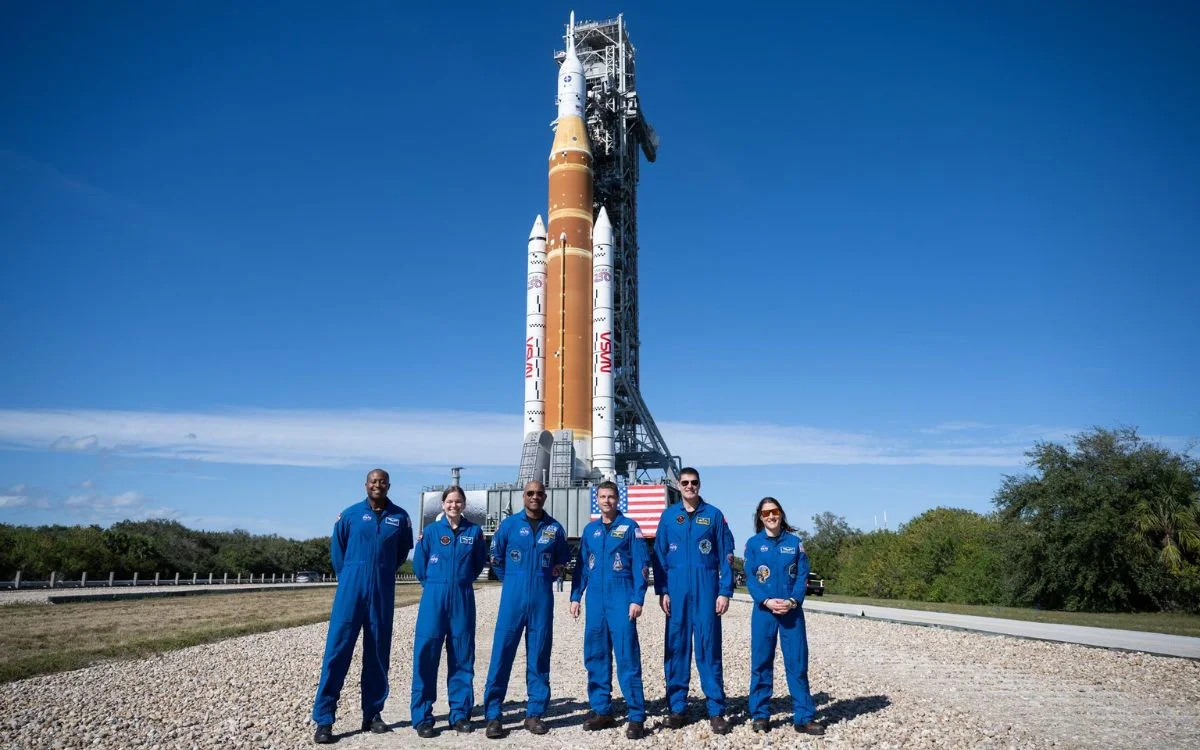

For space fans, the fact that Artemis II is the first crewed mission beyond low earth orbit since Apollo 17 is so exciting.
For the first time in more than half a century, humans are heading back out into deep space, with NASA sending four astronauts around the Moon on a mission designed to prove the Orion spacecraft and Space Launch System are ready for even bigger adventures ahead.
The flight lasts about 10 days, follows a free return path around the Moon, and takes the crew thousands of miles beyond the lunar far side before bringing them back to Earth for splashdown in the Pacific.
It is the kind of mission that gets space fever to an all time high, because every stage is packed with milestones, testing, and jaw-dropping views.
Artemis II is the first crewed moon mission since Apollo 17 in 1972
After yesterday’s Artemis II launch, Orion will first head into low Earth orbit in space rather than zooming for the Moon.
The crew will then spend roughly two days checking systems, testing life support, and carrying out operations close enough to home for NASA to confirm everything is behaving as it should before committing to deep space.
Once that box is ticked, Orion will perform the crucial burn that sends it toward the Moon and locks in the free return trajectory that naturally loops the spacecraft around our lunar friend and then back toward Earth.
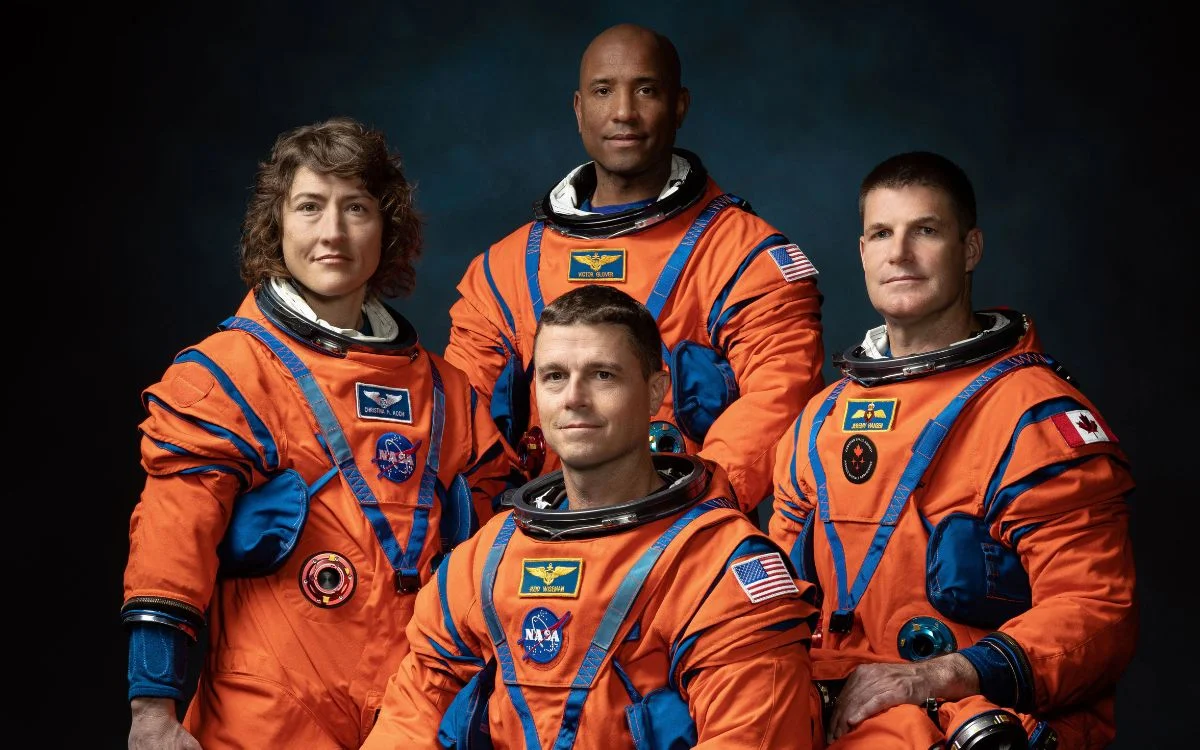
NASA has described the mission as a major turning point, saying it ‘marks a key step toward long-term return to the Moon’, and that sense of momentum runs through every phase of the flight.
That alone would be huge, but Artemis II also takes humans beyond Earth’s protective magnetosphere for the first time in over 50 years, making it a real-world test of how astronauts and systems perform in deep space.
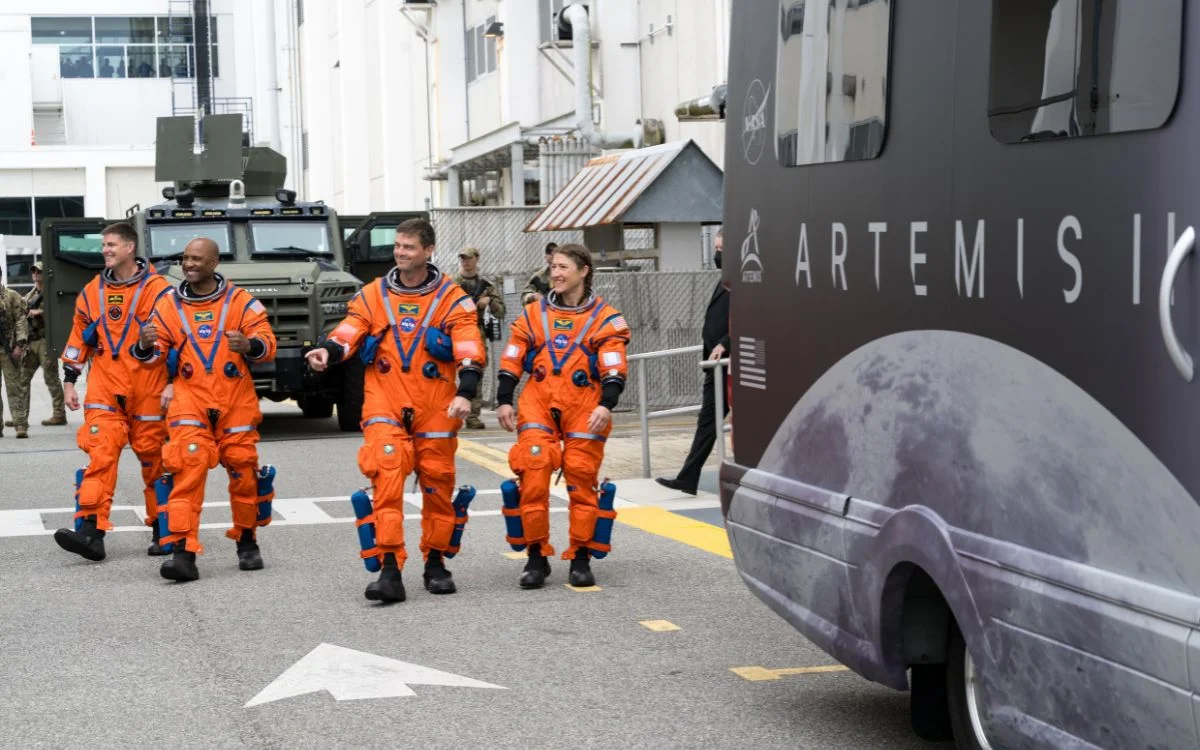
This is one extraordinary journey
Artemis II feels almost cinematic in scope.
Orion will swing around the Moon in a figure-of-eight path, travelling about 4,700 miles beyond the far side, and will then give the crew a view few humans have ever seen, with the Moon filling the window and Earth in the distance.
Every maneuver is carefully planned to push the spacecraft while still ensuring a safe return, thanks to the natural physics of the free return trajectory.
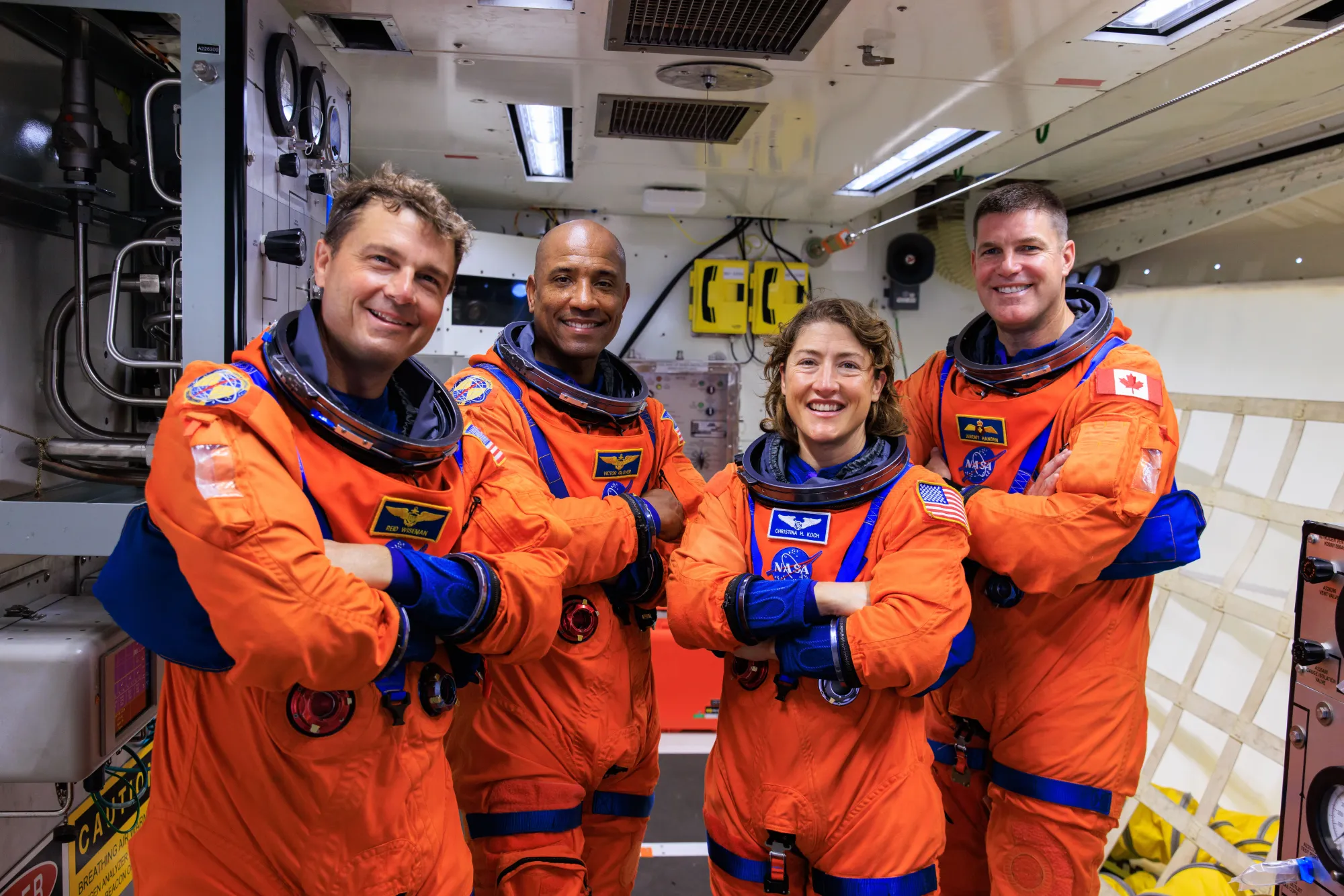
NASA has also made clear this is about proving the future of human spaceflight, explaining the mission will ‘demonstrate a broad range of SLS and Orion capabilities for deep space’.
Then comes the finale: the high-speed return through Earth’s atmosphere and a Pacific Ocean splashdown, closing out a journey through the stars unlike any other (except maybe Apollo 17).
DISCOVER SBX CARS: The global premium car auction platform powered by Supercar Blondie