Astronomers have just spotted a new galaxy forming 1.2 billion years after the Big Bang


Astronomers studying the early universe have uncovered a massive new galaxy that dates back to 1.2 billion years after the Big Bang.
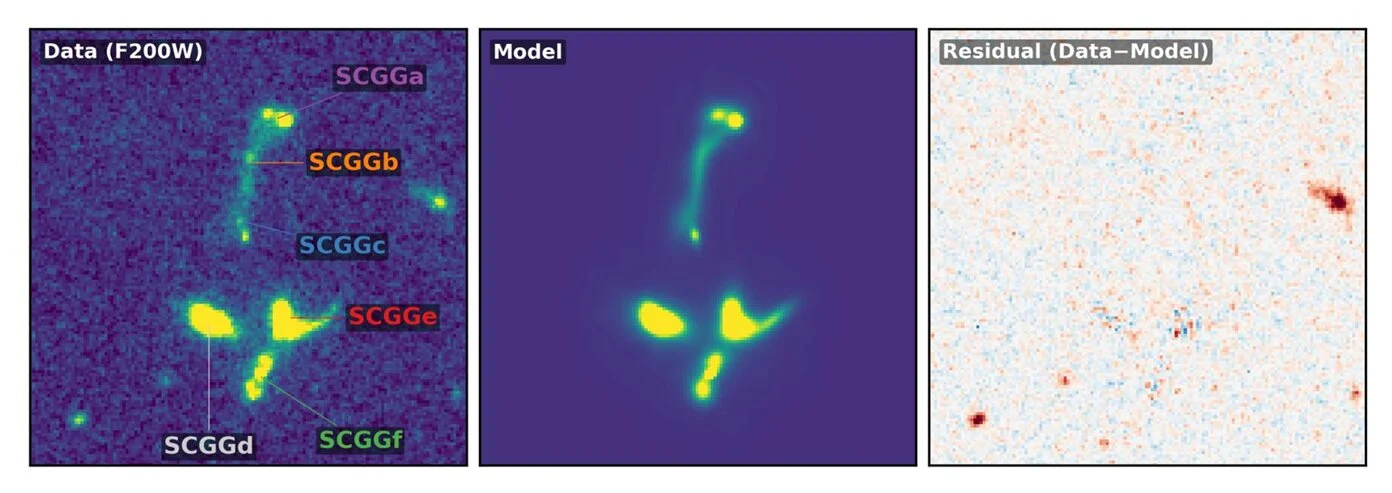
The remarkable discovery appears to capture six young galaxies in the process of merging into one enormous structure.
Scientists say it offers one of the clearest glimpses yet of how the universe’s largest galaxies may have formed.
The finding could help solve a long-standing mystery about how giant galaxies appeared so soon after the Big Bang.
New galaxy spotted 1.2 billion years after the Big Bang
The newly discovered system consists of six galaxies packed tightly together, all bound by gravity and believed to be on course to merge into a single giant galaxy in space.
Researchers think the object is an early example of a Brightest Cluster Galaxy, or BCG, and these colossal galaxies sit at the centers of galaxy clusters and rank among the most massive galaxies in the known universe.
Astronomers have long believed these unknown giants grow by absorbing and merging with smaller galaxies over billions of years.
However, actually catching that process in action has proven incredibly difficult because it represents a relatively brief stage in a galaxy’s lifetime.
How the team watched the formation of a new galaxy
The team used observations from several telescopes to study the distant system and found evidence that the six galaxies are interacting with each other as they slowly combine.
Because the light has taken more than 12 billion years to reach Earth, researchers are effectively looking back in time to witness an important chapter in the universe’s history.
The study has been published on the arXiv preprint server and is awaiting peer review.
Why this discovery from astronomers matters
The discovery could help explain one of the biggest surprises in modern astronomy.
Recent observations from the James Webb Space Telescope have revealed enormous galaxies that already existed much earlier than many scientists expected, prompting fresh questions about how these cosmic giants formed so quickly.
This newly discovered system may represent one of the missing pieces of that puzzle by showing multiple young galaxies assembling into a future giant galaxy rather than observing the finished result.
If future observations confirm the researchers’ conclusions, it would provide strong evidence that rapid mergers between young galaxies helped build some of the universe’s earliest and largest structures.
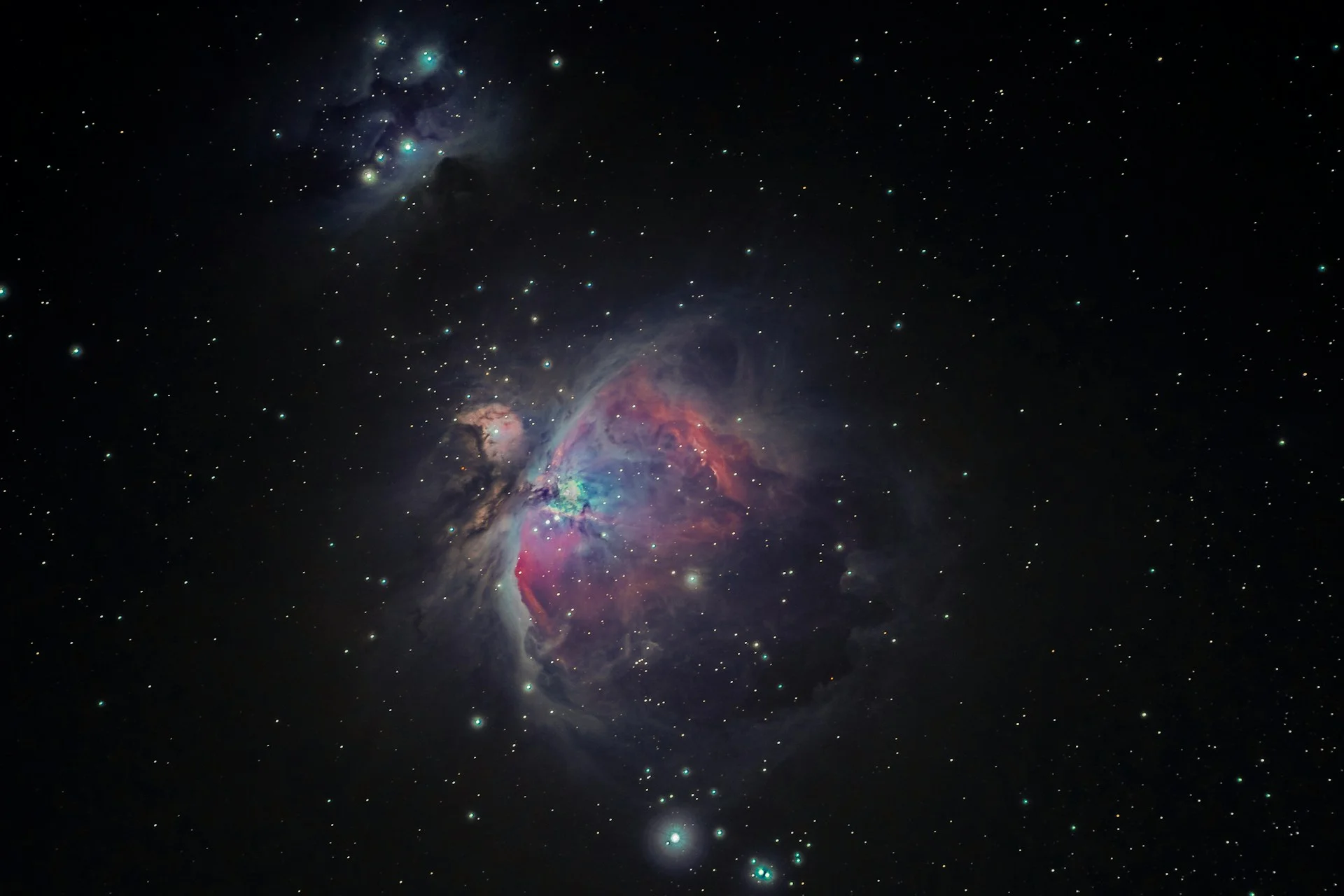
The discovery also highlights how much remains to be learned about the early universe.
As increasingly powerful telescopes peer deeper into space, astronomers are continuing to uncover objects that challenge existing theories and reveal new chapters in the story of how galaxies evolved.
For researchers, finding a new galaxy at this stage of development is exceptionally rare and provides a valuable opportunity to watch one of the universe’s biggest building projects unfold almost from the very beginning.
A Short History of the James Webb Space Telescope
- 1996 – Planning begins for what would eventually become the James Webb Space Telescope, originally called the Next Generation Space Telescope.
- 2002 – The mission is officially renamed in honor of former NASA administrator James E. Webb.
- December 25, 2021 – The telescope launches aboard an Ariane 5 rocket from French Guiana.
- January 24, 2022 – Webb arrives at the Sun-Earth L2 point, around 1 million miles (1.5 million km) from Earth.
- July 12, 2022 – NASA releases Webb’s first full-color science images, marking the start of regular science operations.
- 2022-2024 – Webb discovers some of the earliest and most distant galaxies ever observed, challenging existing theories about how quickly galaxies formed after the Big Bang.
- 2025-2026 – The telescope continues making groundbreaking discoveries, including helping astronomers identify galaxies that were assembling just 1.2 billion years after the Big Bang and revealing new details about the early universe.