Company unveils bladeless wind turbines and they solve multiple problems

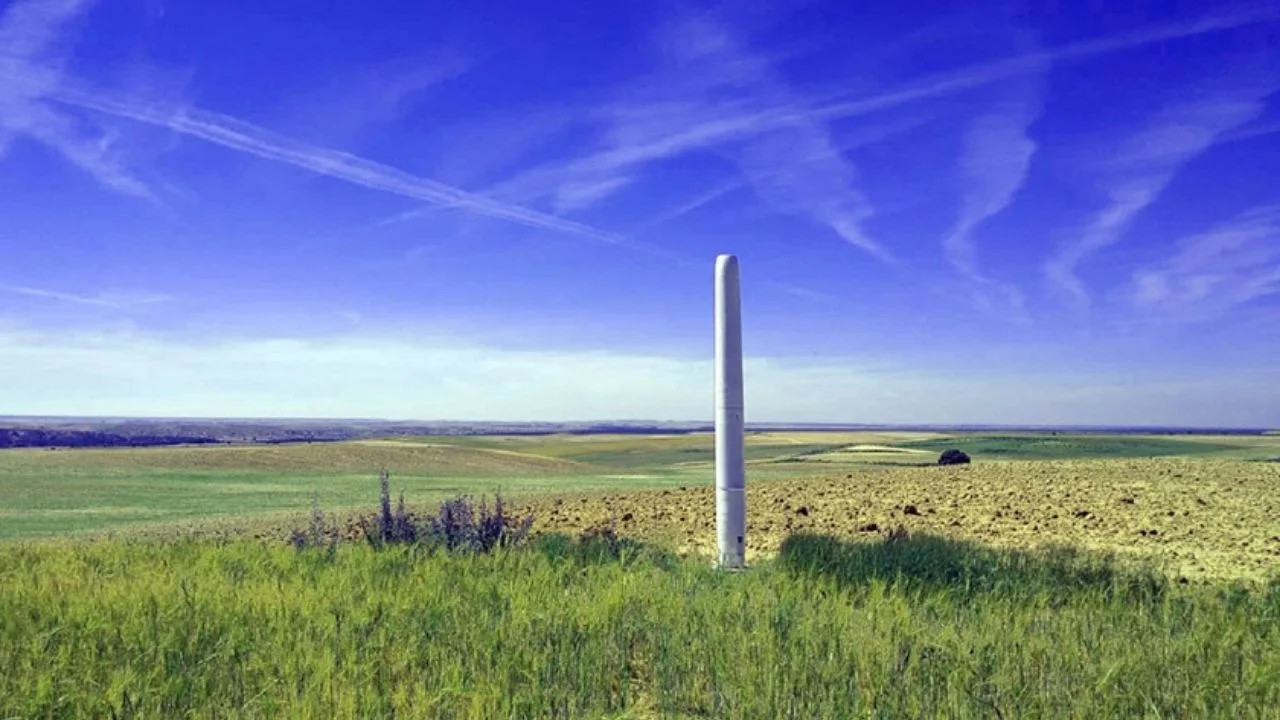

Wind turbines have become a familiar sight, but one company is taking a radically different bladeless approach to harvesting the wind.
Instead of enormous spinning blades, Vortex Bladeless has developed slender turbines that sway in the breeze to generate electricity.
The unusual design could tackle several of the biggest complaints surrounding conventional wind farms, from noise and maintenance to their impact on wildlife.
And, yes, they look a little more like giant wobbly poles than the wind turbines we’re used to seeing.
The bladeless wind turbines wobble instead of spin
Vortex Bladeless’ futuristic technology works using something called vortex-induced vibration.
When wind flows around the tall cylindrical structure, it creates swirling air patterns that cause it to oscillate from side to side like a fan in your room.
That movement is then converted into electricity by a generator at the base.
There are no giant rotating blades, which gives them a different footprint from a conventional wind turbine.
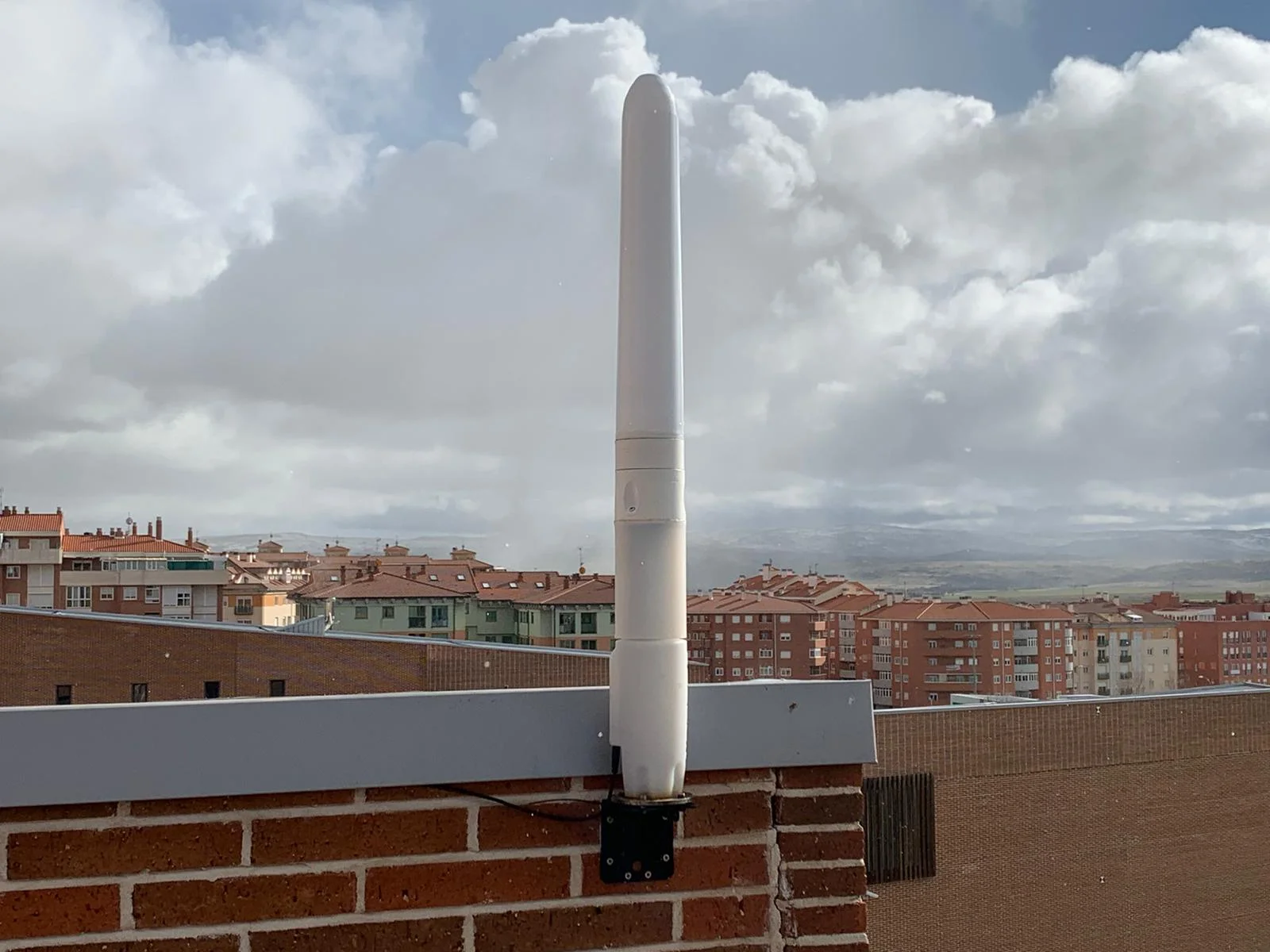
The EU-backed VORTEX project described the technology as a compact way to generate renewable energy close to where it is actually needed, potentially alongside solar panels and other clean-energy systems.
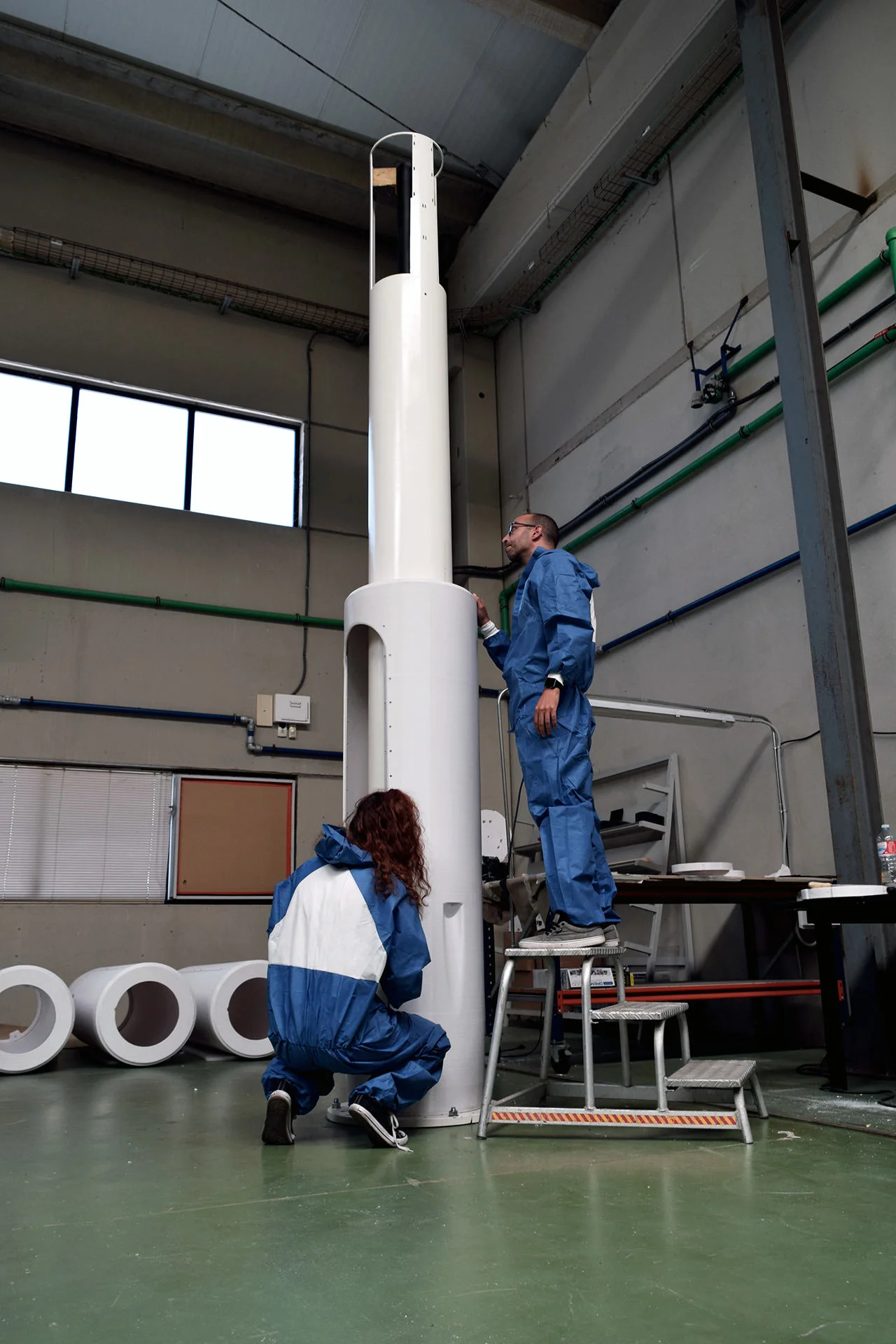
The company has also designed its turbines to be considerably simpler than traditional systems.
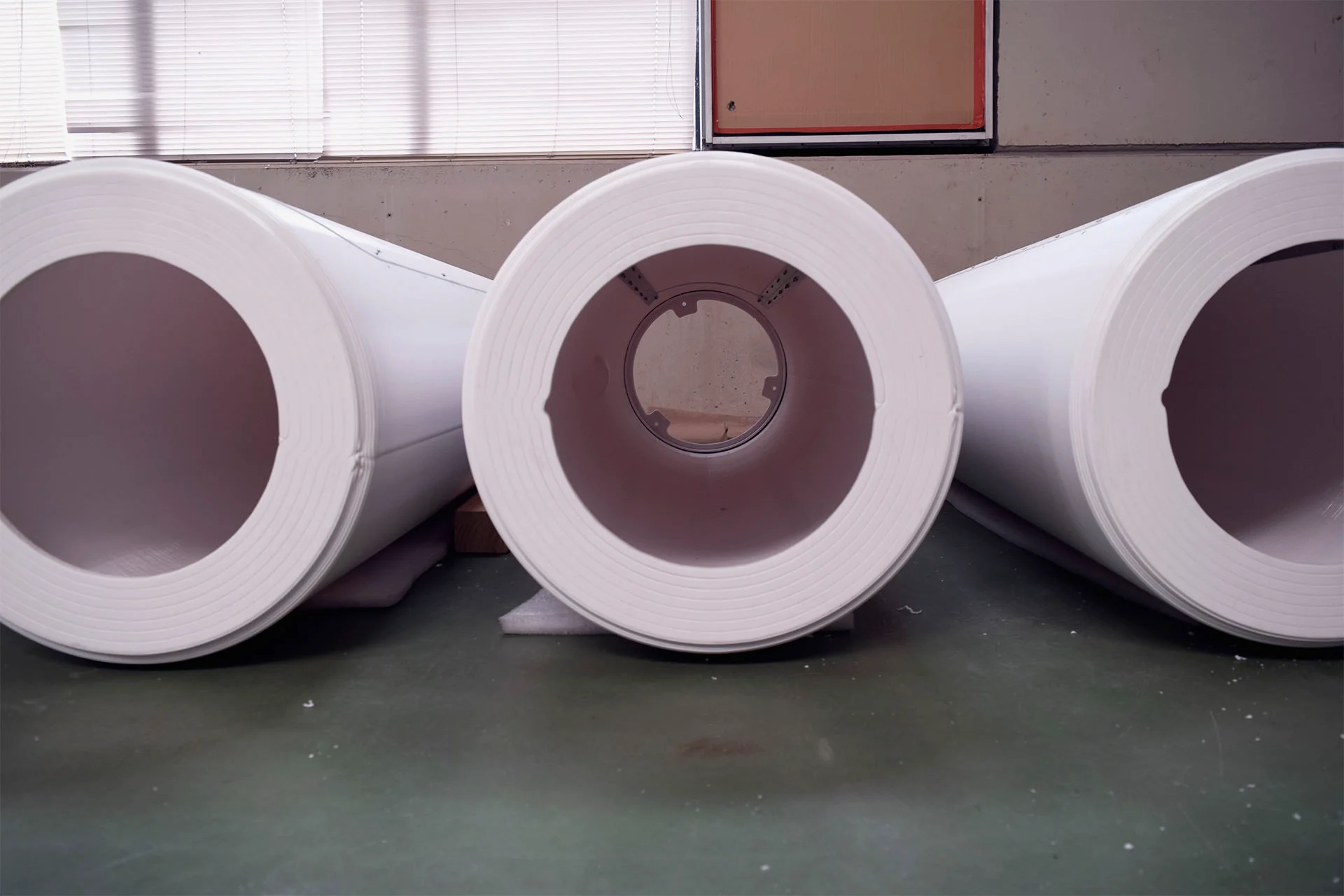
With fewer moving parts, there is potentially less equipment to maintain and fewer bits exposed to the stresses associated with constantly spinning blades.
That’s important because wind turbines can be expensive and complicated pieces of machinery, particularly when they are installed in difficult-to-reach locations.
The bladeless design could also make wind power possible in places where traditional turbines aren’t exactly welcome.
The new turbines could solve some big wind power problems
One of the biggest potential advantages is noise.
Traditional wind turbines can produce noise from their moving blades and mechanical components, while bladeless designs avoid the huge rotating structures altogether.
Vortex’s concept has been promoted as a quieter alternative, potentially making it more suitable for locations closer to buildings and communities.
Then there’s wildlife.
Removing the rotating blades also removes the risk of birds and bats crashing into them, one of the environmental concerns associated with some conventional wind turbines.
The smaller footprint could also make the technology less intrusive than a field of giant turbines.
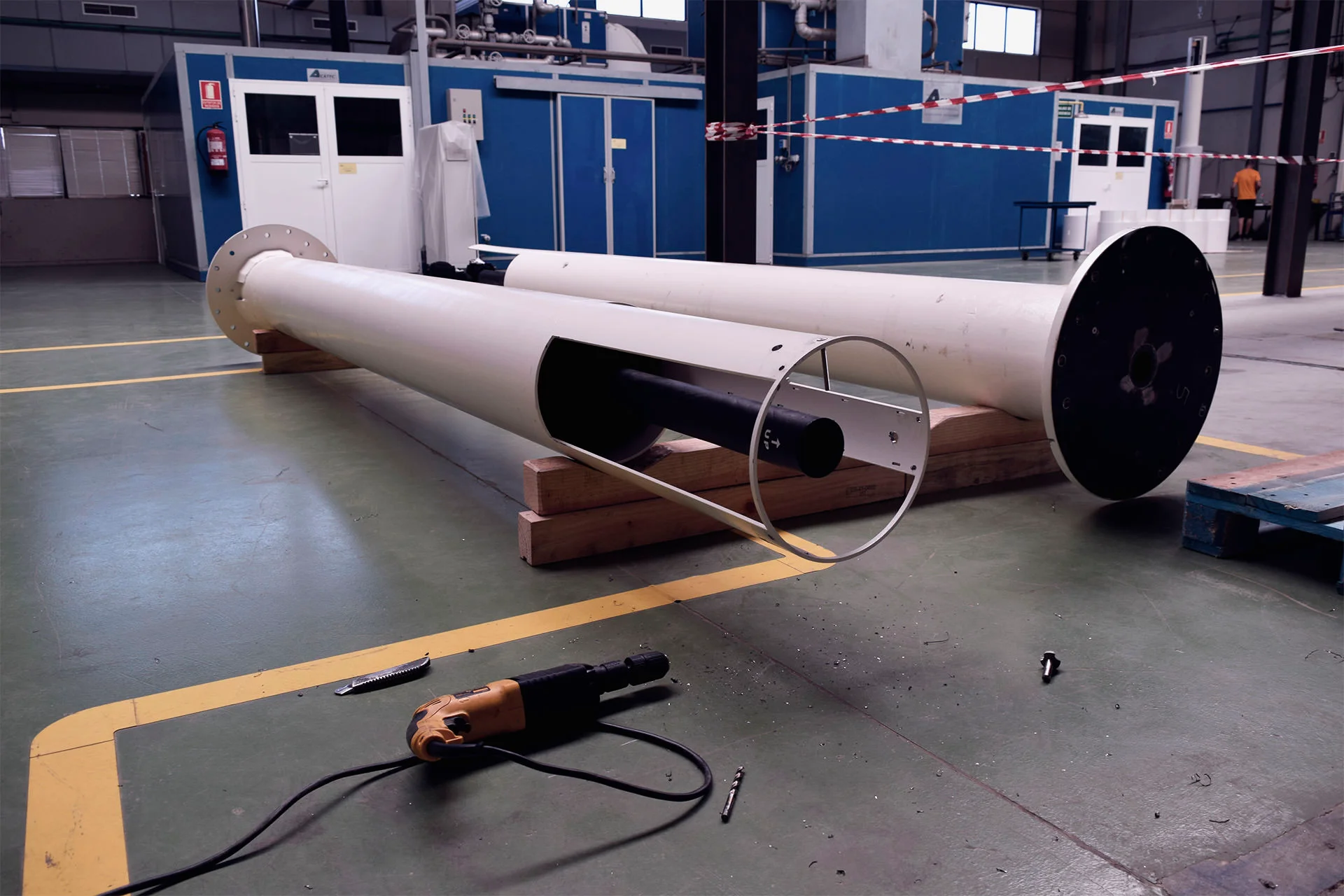
The compact design is another major selling point because, rather than requiring the enormous amount of space and infrastructure associated with a conventional wind turbine, several smaller bladeless ones could potentially be installed together densely.
There is an important catch, though: badeless wind technology is still developing and isn’t about to replace the enormous turbines used in today’s major wind farms.

Conventional turbines remain far more powerful at scale, so the more realistic future for bladeless systems is as a complementary technology for homes, businesses, urban environments, and smaller energy systems.
If wind power can be generated with less noise, fewer moving parts, a smaller footprint, and less impact on wildlife, these strange-looking wobbly machines could make it possible to put renewable energy in places where traditional turbines don’t fit.