Bot farms are generating billions of fake social media interactions every day and most people have absolutely no idea



Most people assume a huge pile of likes, views, follows, and comments must mean something genuinely took off online, but it turns out that bot farms are generating billions of fake social media interactions every day.
These are places that are set up to mimic real human activity on an enormous scale.
These operations use networks of devices and automated software to create fake engagement that looks convincing from the outside.
That means the internet can feel filled to the brim with viral moments that are not nearly as organic as they seem.
Bot farms are generating billions of fake social media interactions
A bot farm is basically a large system built to automate online activity in bulk.
Instead of one person manually liking a post or following an account, these setups can trigger thousands or even millions of interactions across platforms in a way that makes content seem popular.
That is what makes them so unsettling.

They can boost follower counts, flood comment sections, increase video views, and create the illusion that an account or brand has serious momentum, even when that attention is not coming from real people at all.
Modern bot farms can be much more sophisticated than just spam, using coordinated devices, rotating IP addresses, and behavior patterns designed to blend in with genuine traffic.
So. to the average user just scrolling past, fake engagement can look almost identical to the real thing.
Related

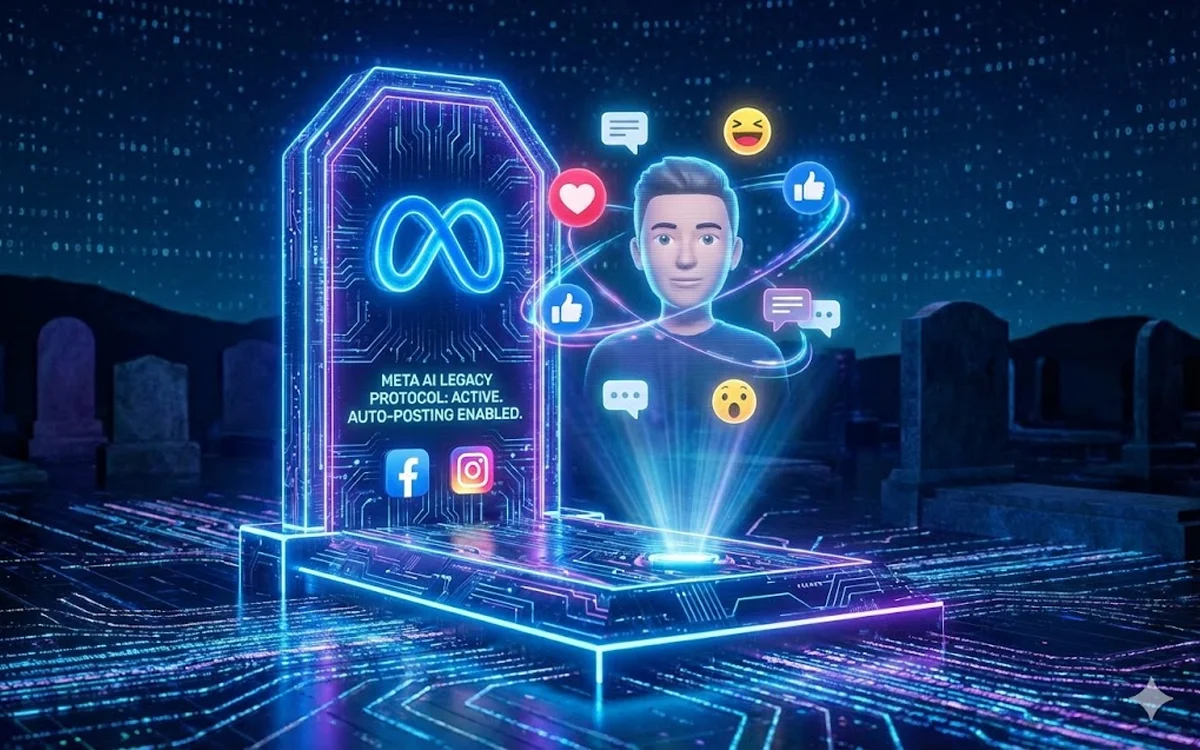

Fake social media interactions can distort everything online
The strangest part is how far the impact can spread.
Fake engagement doesn’t just make content creators or pages look bigger than they are; it can also mess with ad campaigns, website traffic, analytics, politics, and brand decisions.
A company might think a campaign is taking off because the numbers look huge, only to discover those clicks and visits are not leading to any real customers.

That can mean wasted ad spend, misleading performance data, and a very warped picture of what people are actually interested in.
So the next time you see a post with massive engagement, it may be worth taking that popularity with a pinch of salt.
Because once you realize there are entire systems built to manufacture online attention for profit, the internet starts to look a lot more staged.