Expert reveals truth about whether the light from your phone affects your sleep and it's eye-opening

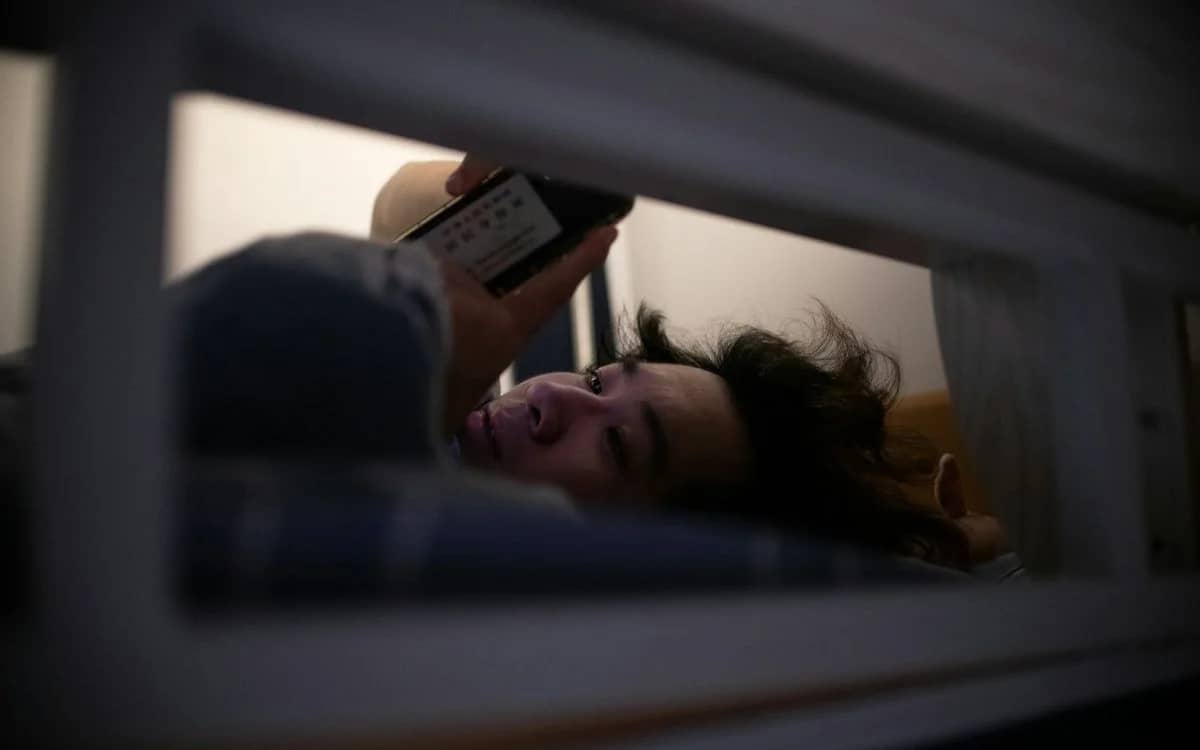
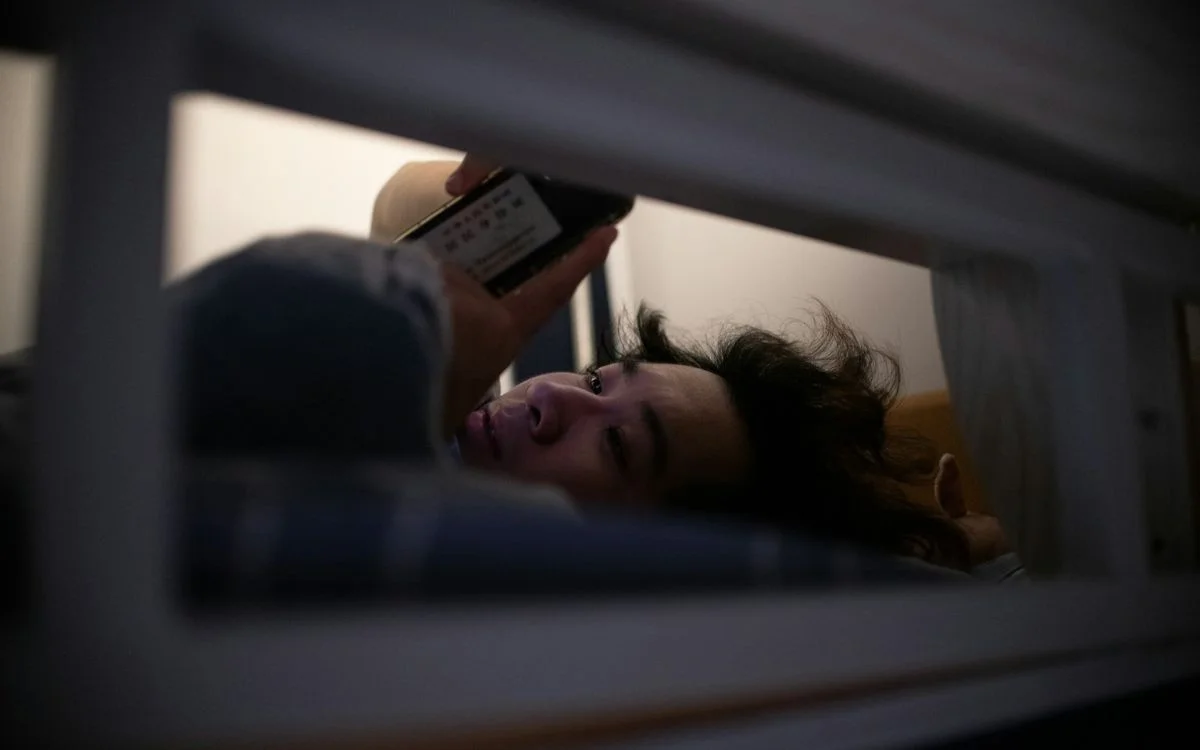

For years, people have been told that the blue light from their phones affects their sleep so badly that even one late-night scroll could ruin their entire night.
But experts are now saying the reality is a lot more nuanced, and it is not quite as simple as blaming your screen.
While light does play a role in how your body prepares for sleep, the amount coming from your phone may not be as powerful as many people assume.
Instead, scientists say other factors at play could be having a much bigger impact, and it turns out your bedtime habits and sleep hygiene might matter far more than the glow itself.
Expert reveals truth about whether the light from your phone affects your sleep
There’s a classic idea in the tech space that blue light is the main culprit when it comes to causing sleeplessness, because of the way it influences melatonin, the hormone that helps control your sleep cycle.
In theory, exposure to blue light at night can delay when your body feels ready to sleep.
But research suggests that the light emitted from phones is relatively low compared to other sources, especially when used at typical brightness levels.
That means the effect is often smaller than people expect.
Experts point out that normal indoor lighting can sometimes have a stronger impact than your phone screen.
So while blue light is not completely harmless, it may not be the sleep-destroying force it has been made out to be.
What really stands out is how people use their phones before bed.
Whether it is scrolling through social media, replying to messages, or watching videos, these activities can keep your brain alert and engaged when it should be winding down.
You are the problem
This is where things get interesting.
Experts say the stimulation from content and the habit of staying up later are often bigger issues than the light itself.
If you lose track of time or keep your mind active right before trying to sleep, your body simply is not ready to switch off.
There is also the question of timing and routine.
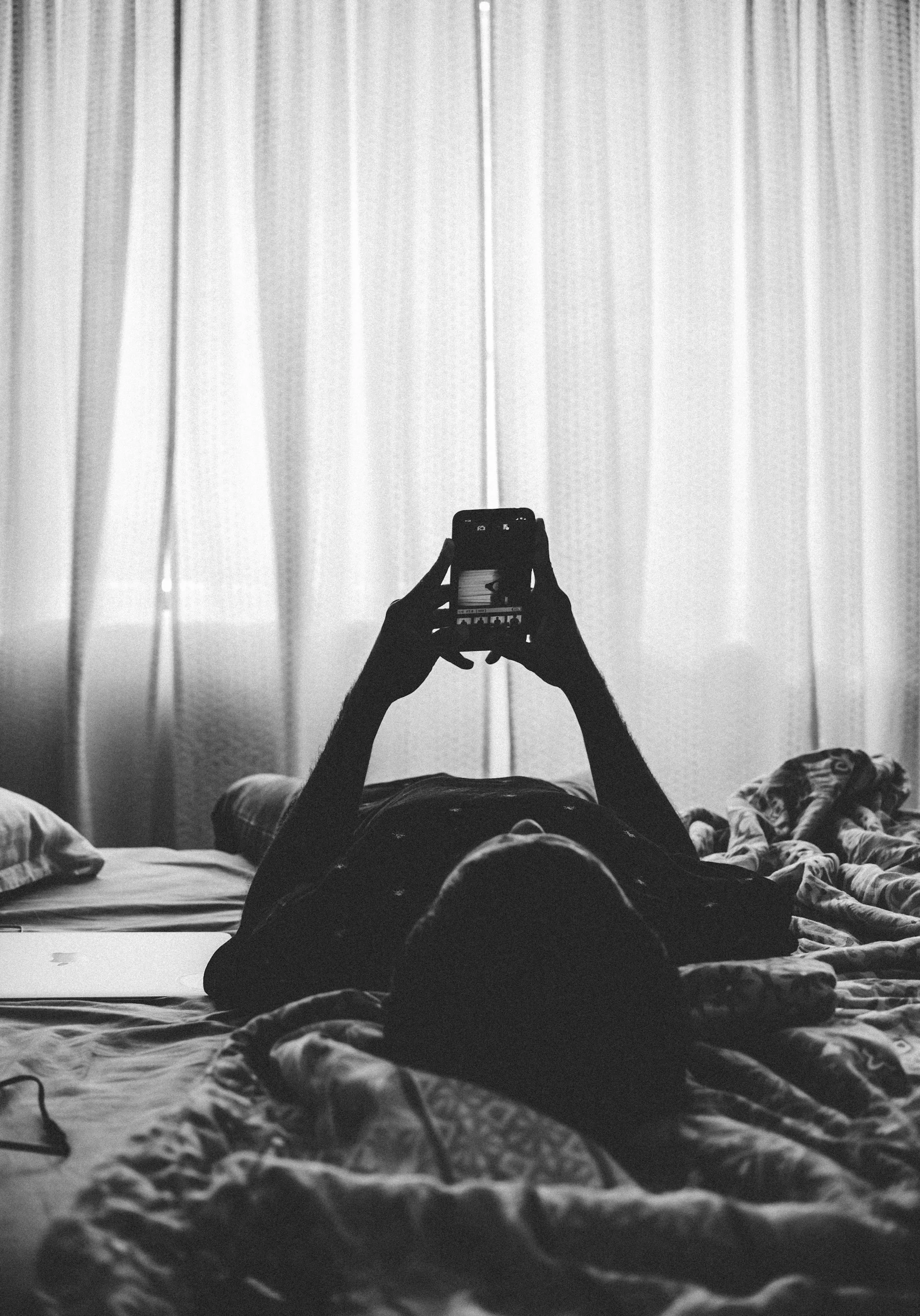
Using your phone late into the night can push your bedtime later and reduce the total amount of sleep you get, which has a clear knock-on effect the next day.
So while your phone can still play a role in poor sleep, it’s not just about the light coming from the screen.
The real takeaway is that how you use your phone, and when you choose to put it down, may be far more important than any setting or filter.
DISCOVER SBX CARS: The global premium car auction platform powered by Supercar Blondie