Earth's rotation rate is changing to a level not seen in 3.6 million years and it could have a serious effect on GPS

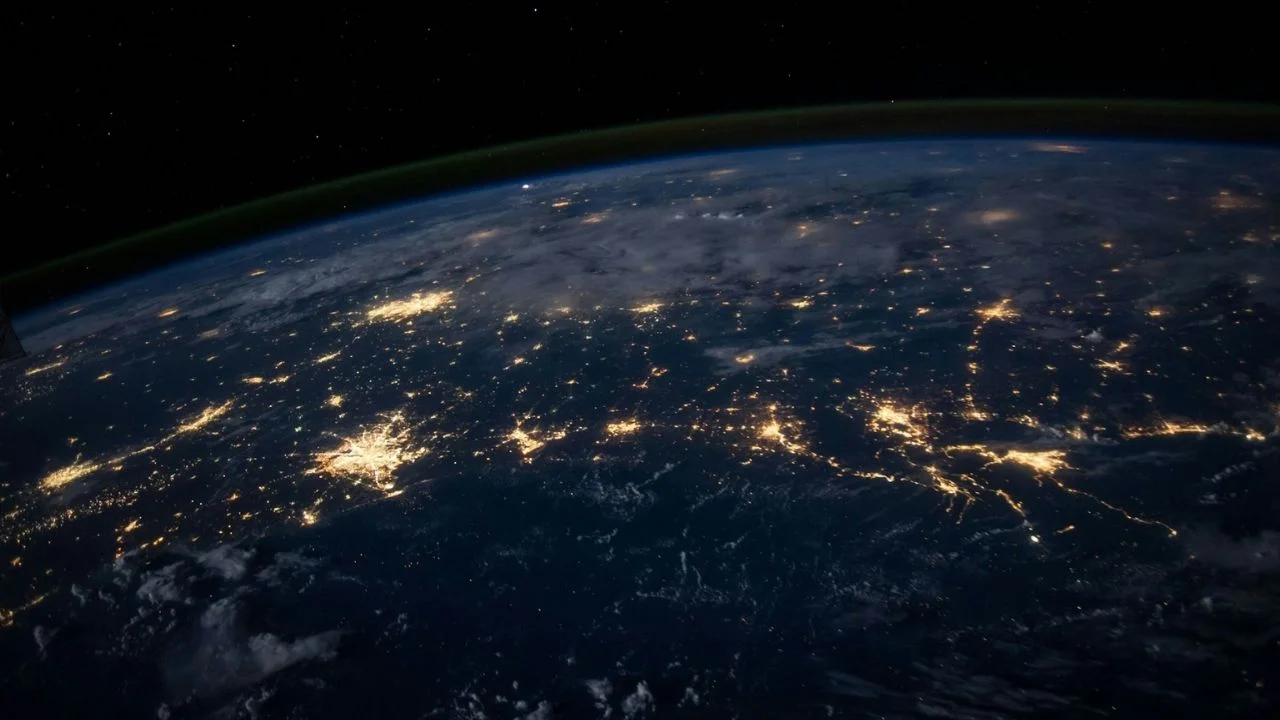

Something remarkable is happening to the Earth’s rotation, and most of us have no idea what’s going to happen to our GPS.
Scientists have discovered that our planet’s rotation is changing at a rate not seen in 3.6 million years, and they know what’s playing a major role in the shift.
The change is incredibly small, but it could have surprisingly big consequences for technology that relies on precise timing, including GPS systems and spacecraft navigation.
Researchers say humanity is now influencing the way the entire planet spins, which sounds more like science fiction than reality.
Why Earth’s rotation rate is changing after 3.6 million years
A study from researchers using satellites in space at the University of Vienna and ETH Zurich found that melting polar ice sheets and glaciers are redistributing huge amounts of water around the planet.
As ice melts, water flows from the poles into the oceans and gradually spreads toward the equator.
The effect is similar to a figure skater extending their arms while spinning, because, as mass moves farther from Earth’s axis, the planet rotates slightly more slowly.
According to the research, days are currently lengthening by around 1.33 milliseconds per century because of climate-related changes.
How researchers made the discovery
While that may sound tiny, scientists say the rate is unprecedented in the geological record stretching back 3.6 million years.
The researchers used ancient marine fossils preserved in ocean sediments to reconstruct sea levels and determine how Earth’s rotation has changed over millions of years.
Their findings suggest that modern climate change is producing effects unlike anything seen since the late Pliocene, which was 5.33 to 2.58 million years ago, when the world was roughly 2°C to 3°C warmer than today.
How the changing rotation rate could affect GPS technology
Us humans won’t notice a day becoming a fraction of a millisecond longer, but highly sensitive technology certainly will.
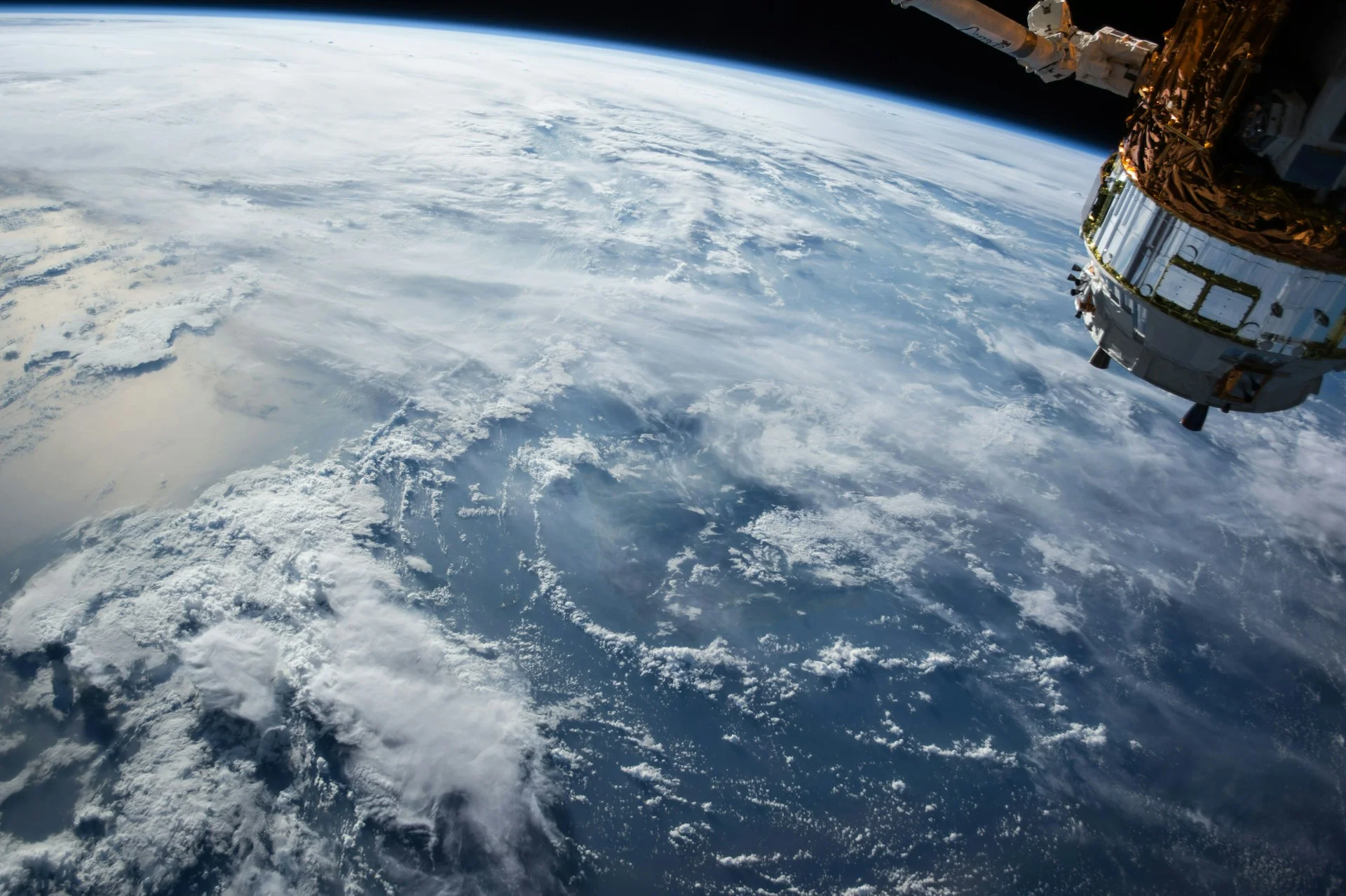
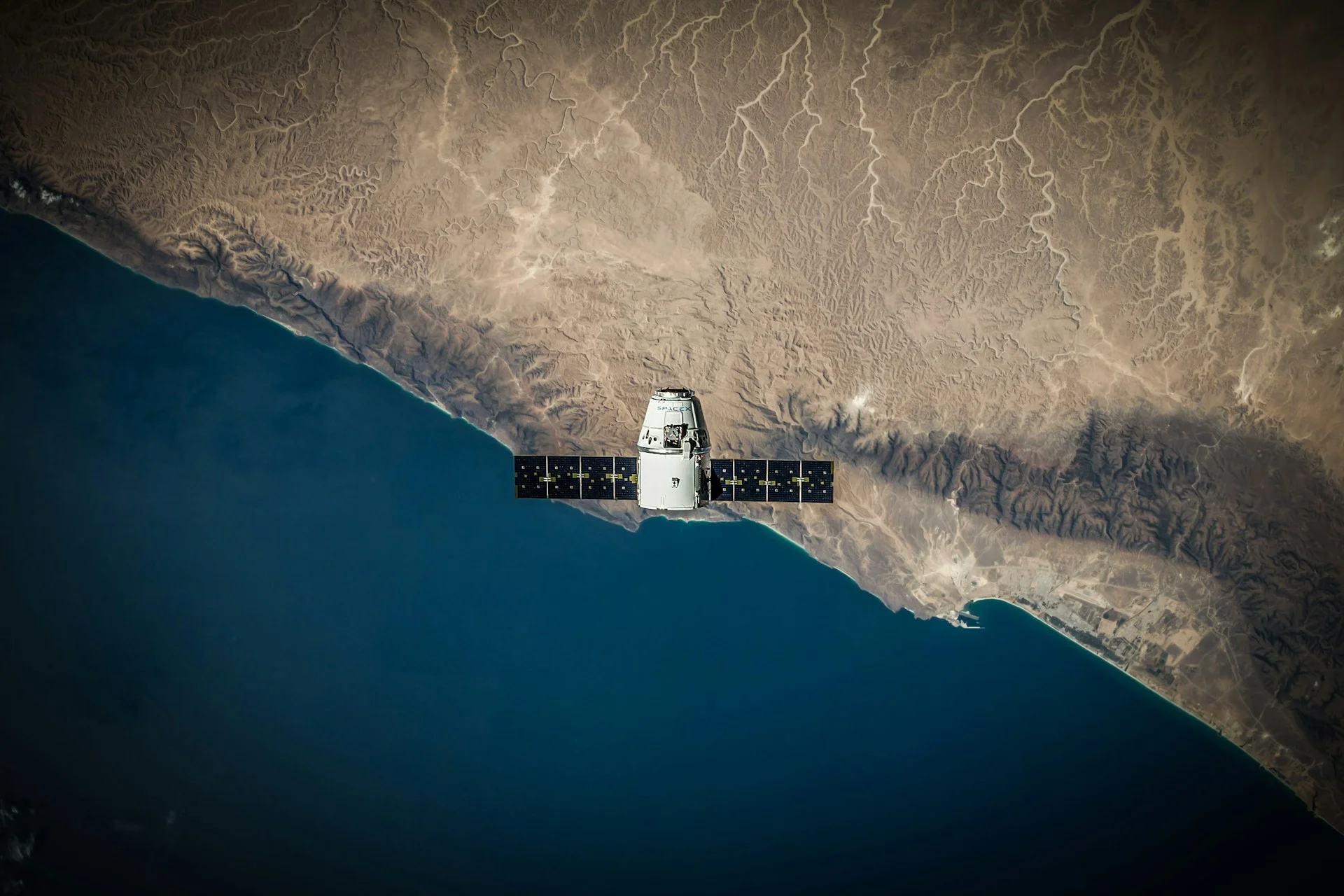
GPS satellites, spacecraft, and scientific instruments all rely on extremely accurate measurements of Earth’s rotation.
Navigation systems constantly account for tiny variations in the planet’s movement to maintain precise positioning.
Experts say the challenge is that climate-driven changes are less predictable than the natural slowing caused by the Moon’s gravitational pull.
Ice melt, weather patterns, and changing water distribution can fluctuate from year to year, making future corrections more complicated.
Researchers warn that even a seemingly insignificant timing error could translate into much larger navigation errors for spacecraft travelling vast distances through space.
The study also suggests that under higher-emissions scenarios, climate change could become a bigger influence on Earth’s rotation than the Moon by the end of the century, marking the first time a single species has significantly altered the way our planet spins.