US man buys $17 'fake iPod' from AliExpress to see if it's actually worth it

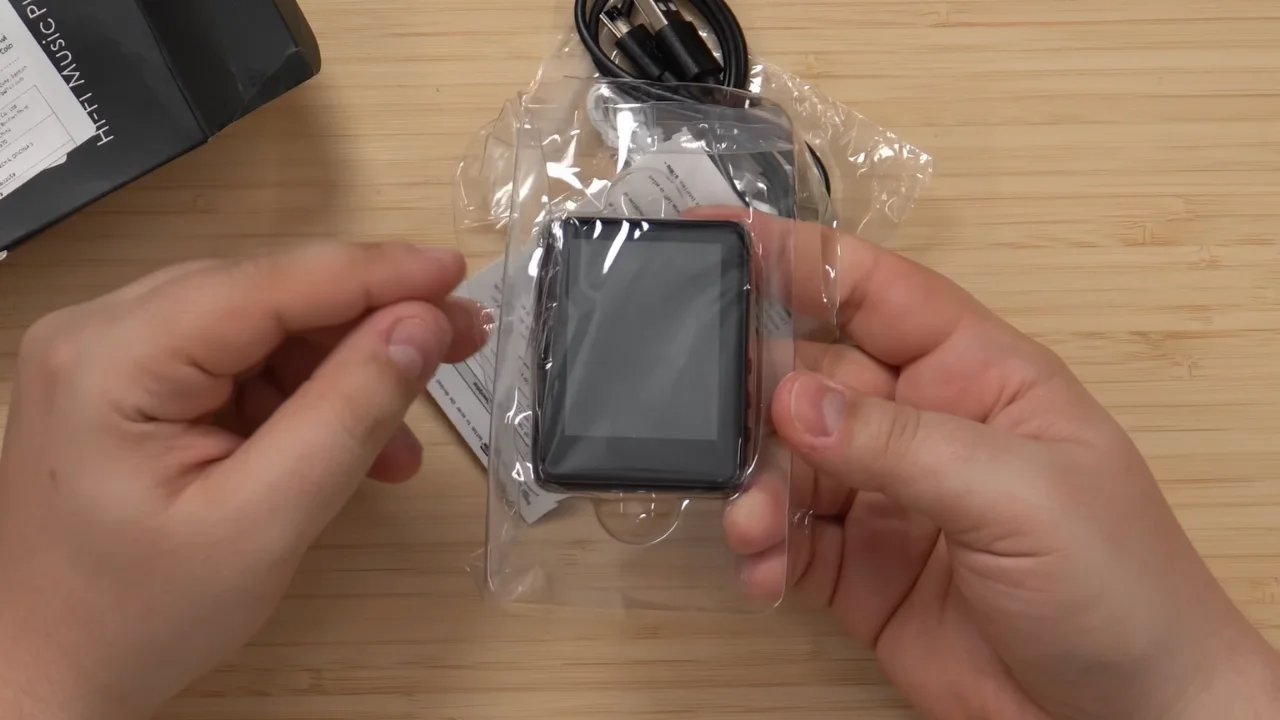

It can feel almost impossible to escape subscriptions these days, with music streaming services charging monthly fees for access to songs you don’t even technically own, so this $17 iPod-style device from AliExpress was a bold solution.
Lot’s of people are going back to basics, choosing MP3 players and offline listening instead of relying on apps.
One US-based YouTuber decided to lean fully into that idea by buying a super cheap iPod alternative online.
But after putting the $17 device through its paces, it quickly became clear whether the bargain was actually worth it.
How did the AliExpress iPod alternative work?
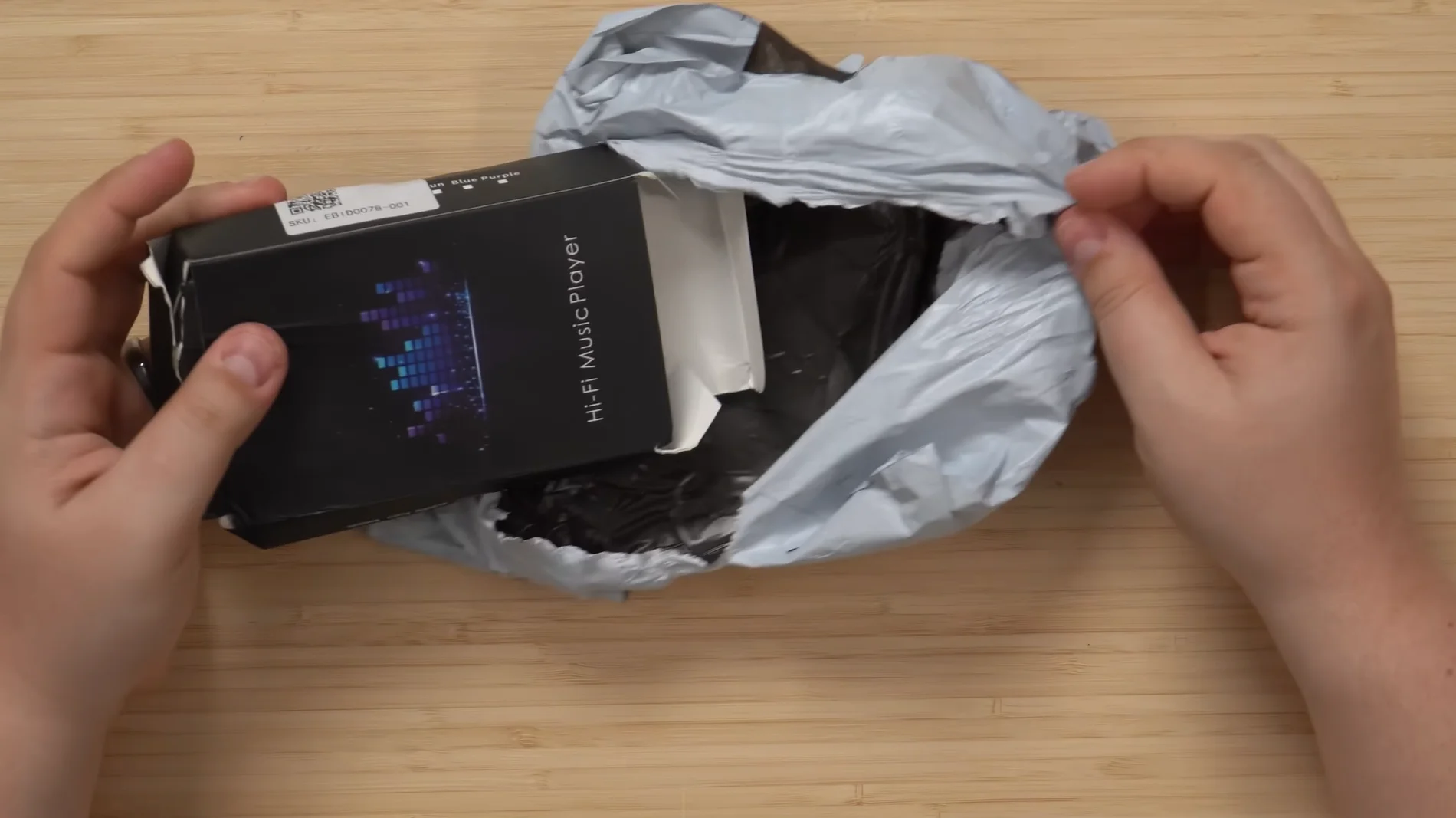
The weird gadget, picked up from AliExpress for just $17 by YouTuber Smokin’ Silicon, arrived in rough condition with barely any protective packaging.
Despite that, it actually felt surprisingly solid, with a full metal back and a weightier build than expected.
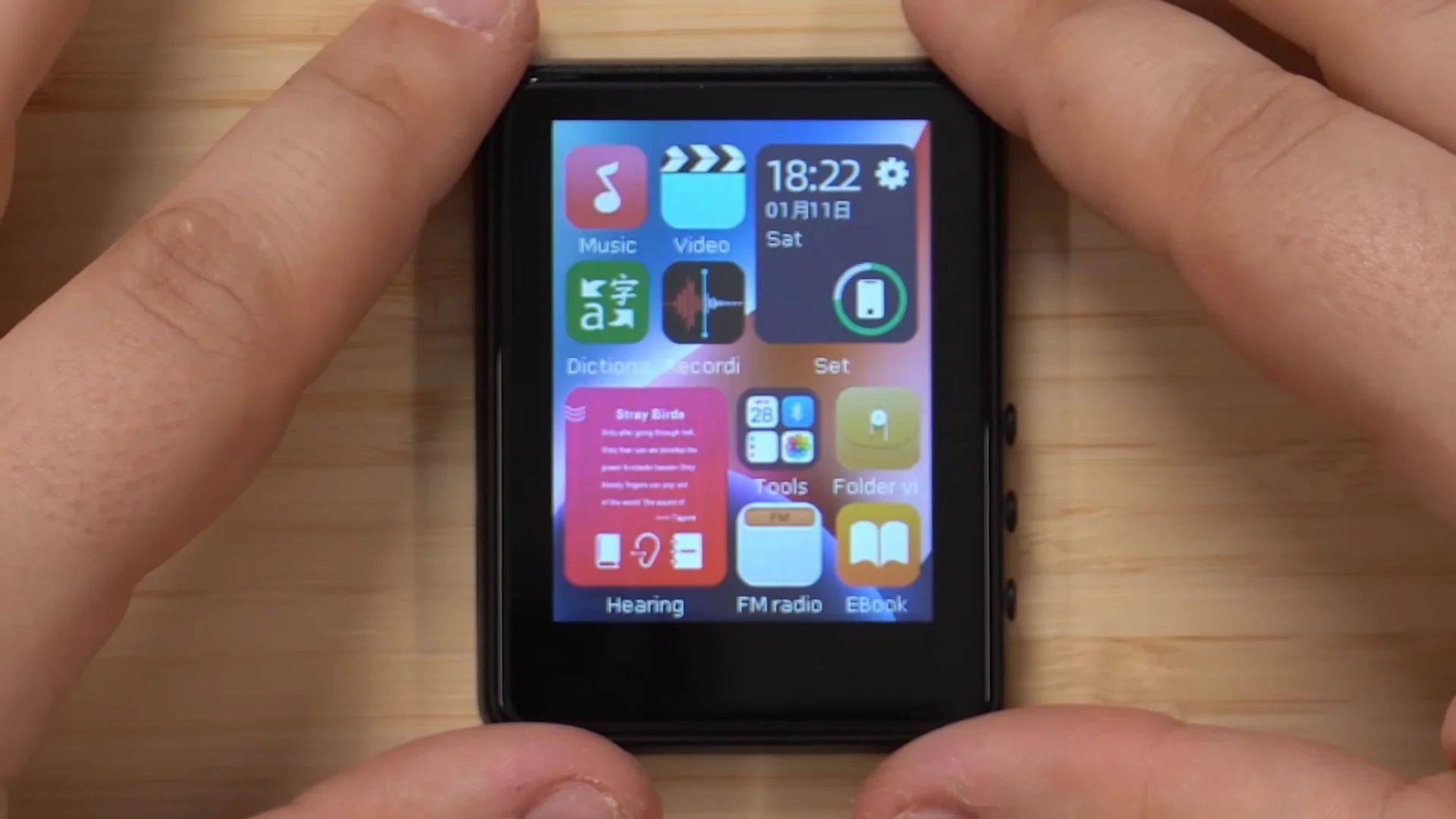
At first glance, the design looked oddly familiar, with icons and menus that closely resembled those found on Apple devices.
But that’s where the similarities ended.
The interface was confusing from the moment it powered on, with poor viewing angles making the screen hard to see unless held at just the right position.
Navigation was equally frustrating, with no proper scrolling and only a single home screen to work with; even basic settings were limited, with no Wi-Fi support and less than 4GB of usable storage.
The device has some unexpected features
While the core experience was rough, the device did manage to include a surprising number of features.
There was a voice recorder that worked well enough, though recordings were stored separately from the music library for no clear reason.
It also included a built-in dictionary, which could read definitions aloud in a robotic voice, an odd addition for a music player.
Other extras like FM radio, Bluetooth, alarms, and ebook support were there too, but most of them were unreliable or difficult to use.
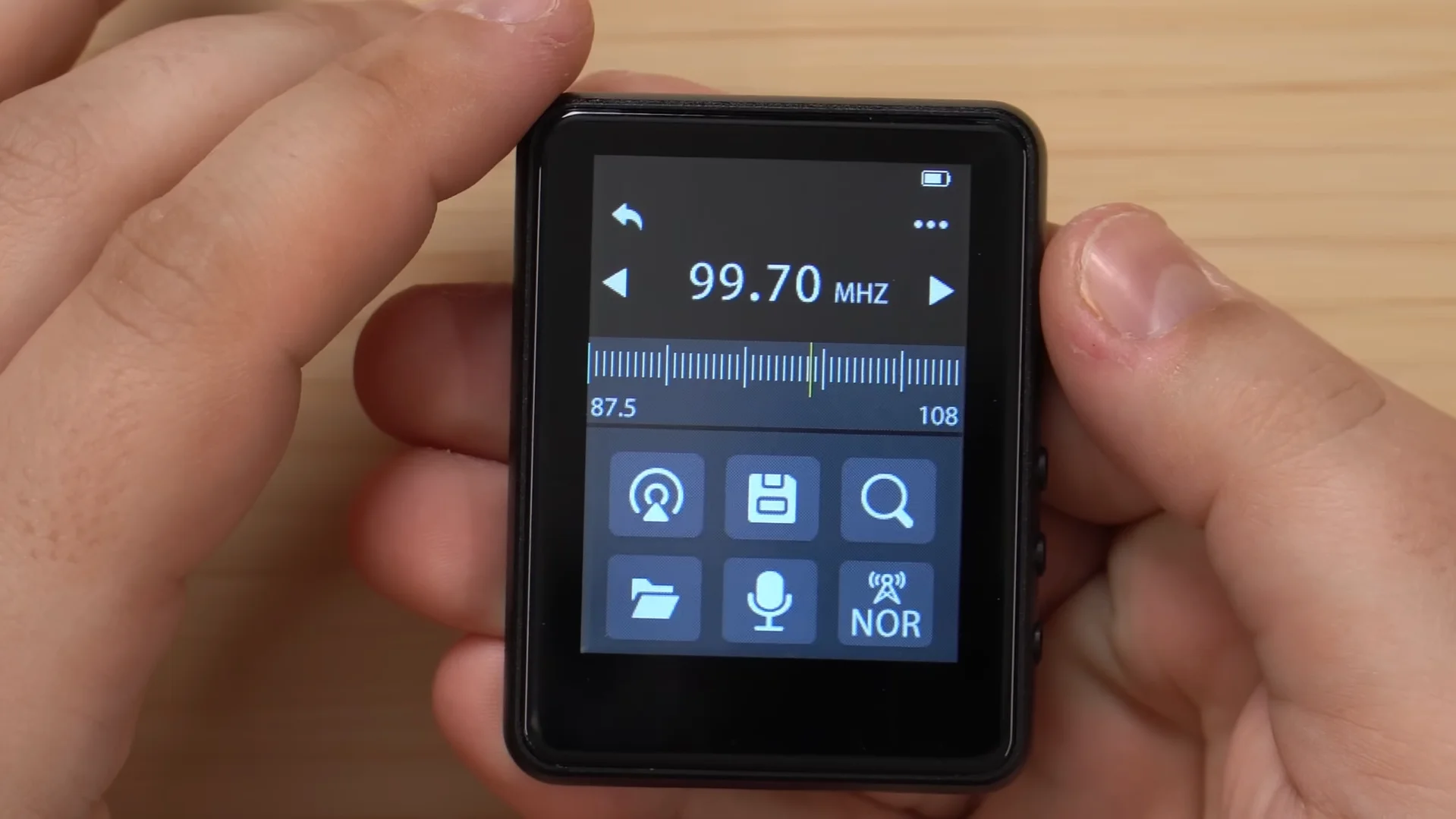
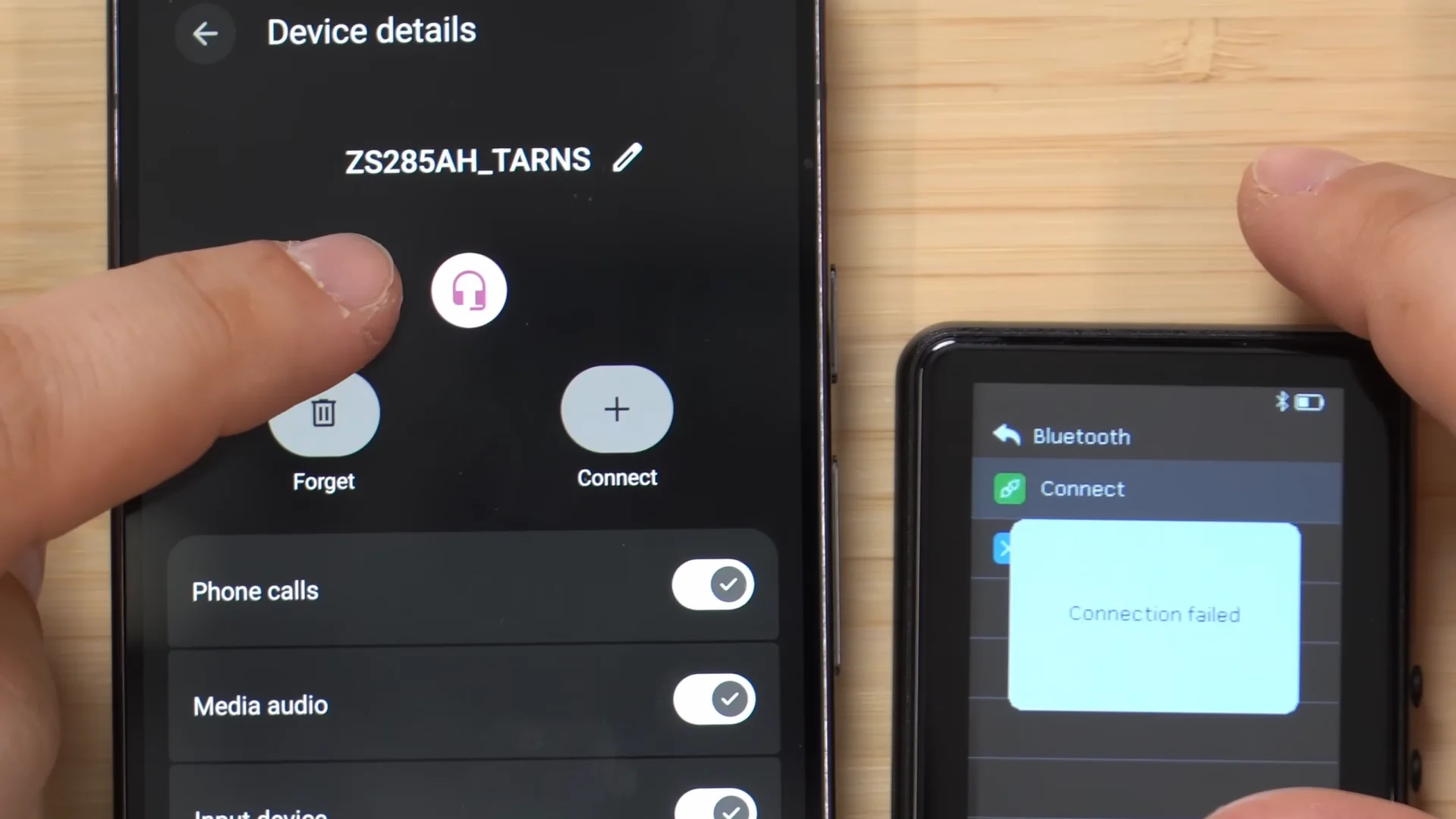
The radio required wired headphones to function as an antenna, while Bluetooth struggled to maintain a connection.
When it finally came to playing music, the device did support multiple formats including MP3, WAV, and FLAC, but the audio quality left a lot to be desired, with tinny sound and almost non-existent bass.

On top of that, strict file format limitations meant videos and images often wouldn’t load at all.
In the end, while the idea of ditching subscriptions for a cheap offline music player might sound appealing, this $17 MP3 player from AliExpress proved that sometimes you really do get what you pay for.
A short history of MP3 players
1997 – The MP3 format gains popularity, making it possible to compress music files and store them digitally.
1998 – The first portable MP3 player, the MPMan F10, is released with just 32MB of storage (around 6-8 songs). 1999 – The Diamond Rio PMP300 becomes one of the first commercially successful MP3 players.
2001 – Apple launches the iPod, revolutionizing the market with a sleek design and large storage.
2003 – The iTunes Store launches, making it easy to legally buy and sync music.
Mid-2000s – MP3 players dominate, with brands like Sony and Microsoft (with Zune) entering the market.
2007 – The iPhone is released, combining a phone, internet device, and music player in one.
2010s – Smartphones replace standalone MP3 players for most users; streaming services like Spotify take over. 2020s – MP3 players become niche, with a small resurgence among people seeking offline listening and ‘digital minimalism’.