Google wants to release 64,000,000 mosquitoes in Florida and California

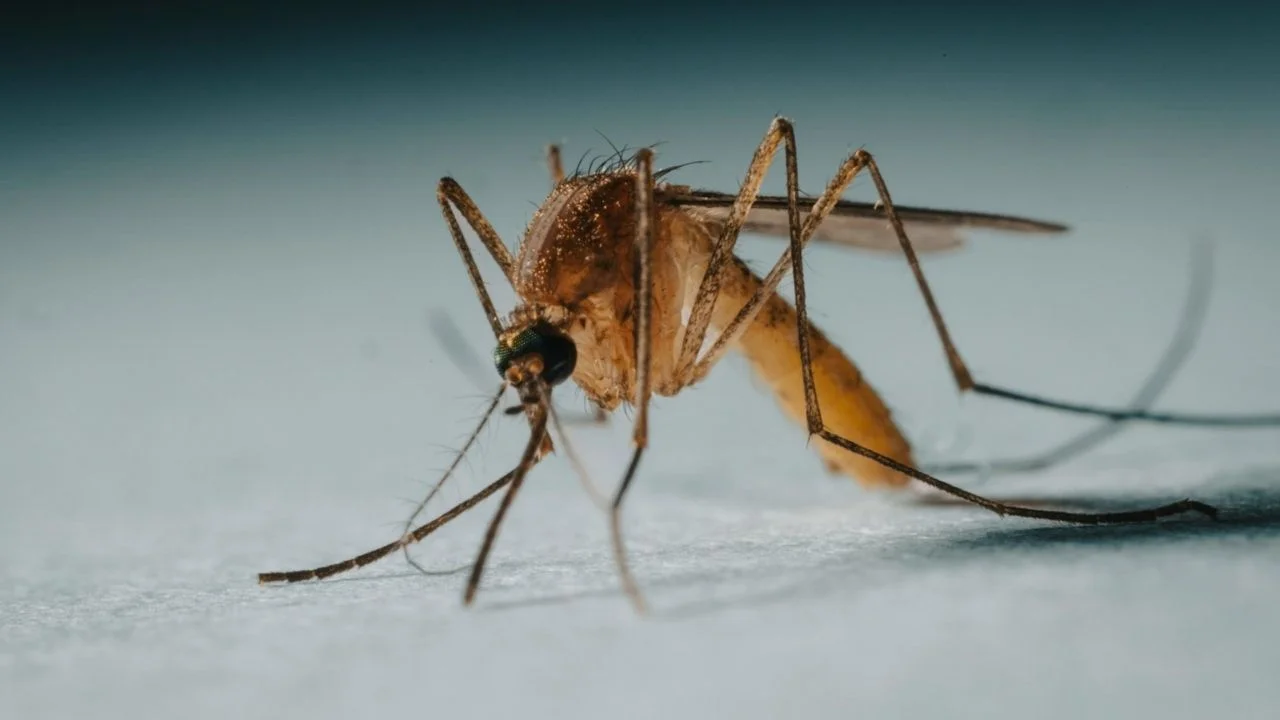

The parent company of Google is seeking approval for a plan that sounds like something straight out of a sci-fi movie: releasing millions of mosquitoes in the USA.
Alphabet’s life sciences division, Verily, wants to release up to 64 million real-life mosquitoes across Florida and California over the next two years.
But before anyone starts stocking up on bug spray, there’s a very unusual reason behind the proposal.
Why Google wants to release 64 million mosquitoes in Florida and California
Verily has applied to the US Environmental Protection Agency (EPA) for permission to release millions of specially bred male mosquitoes as part of its long-running Debug project.
The mosquitoes carry a naturally occurring bacterium called Wolbachia, which is found in many insect species but not in the disease-carrying Aedes aegypti mosquito.
While it’s not Black Mirror’s terrifying robotic bees, Google’s latest experiment still sounds like a futuristic villain’s plot.
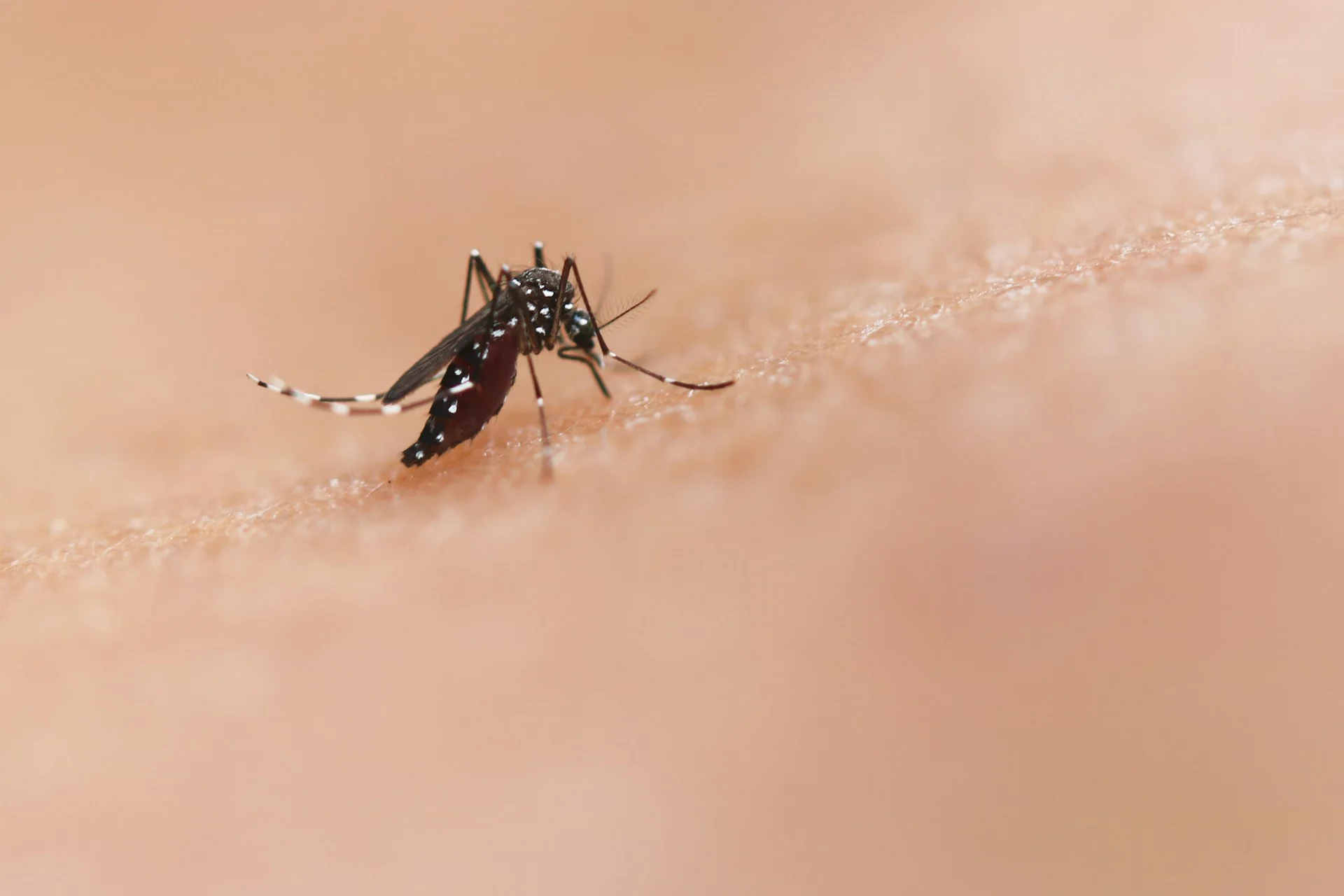
After all, hearing that a tech giant wants to release 64 million mosquitoes into the wild isn’t exactly reassuring at first glance.
But the plan is actually designed to do the opposite of what you’d expect by dramatically reducing the population of disease-spreading mosquitoes.
When these lab-bred males mate with wild females, the resulting eggs fail to hatch.
Because female mosquitoes generally only mate once, the technique gradually reduces the overall mosquito population without using pesticides or genetic modification.
There’s another important detail too.
Only female mosquitoes bite humans, meaning the millions of males being released won’t be looking for their next blood meal.



The project has already had impressive results
While the numbers sound staggering, the company says the approach has already been tested successfully.
Field trials in Fresno, California, reportedly reduced populations of biting female mosquitoes by as much as 95 percent during some years of the program.
Similar Wolbachia-based mosquito control efforts in Singapore have achieved suppression rates of 80 to 90 percent and helped cut dengue cases by more than 70 percent.
The project is designed to target Aedes aegypti, an invasive mosquito species that spreads diseases including dengue fever, Zika virus, chikungunya and yellow fever.
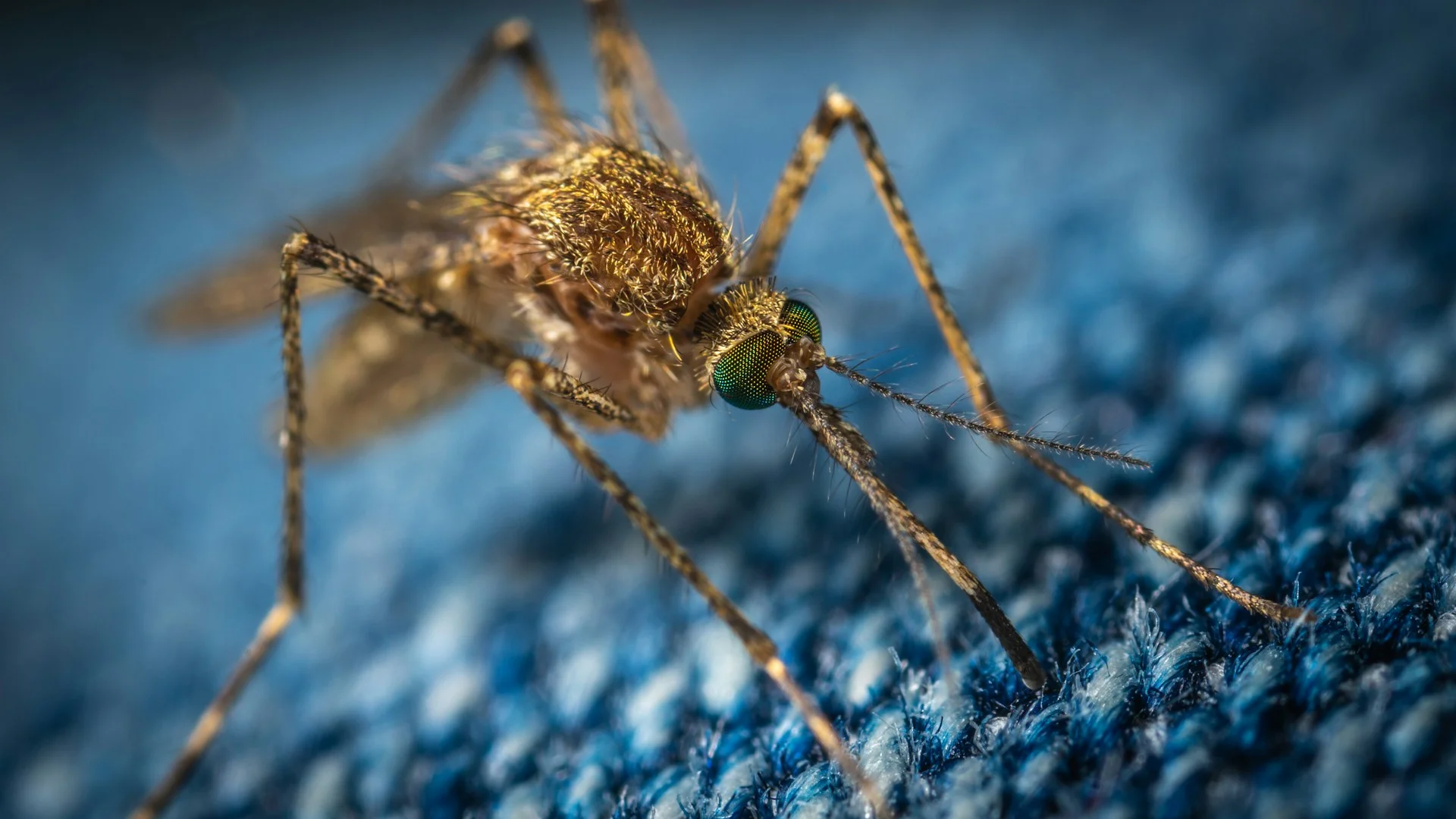
Verily uses AI-powered systems and automated breeding technology to sort the male bugs from females before release, ensuring only non-biting males are deployed.
Not everyone is convinced, however.
The proposal has sparked debate online, with some people questioning whether a tech company should be involved in large-scale eco projects, while others have pointed out that sterile insect techniques have been used successfully for decades.
The EPA is currently reviewing the application, with a decision expected after the public comment period closes.
If approved, the largest US deployment of Wolbachia-based mosquito control could begin as early as late 2026 or early 2027.