This new gravity battery turns skyscrapers into massive power banks using elevators


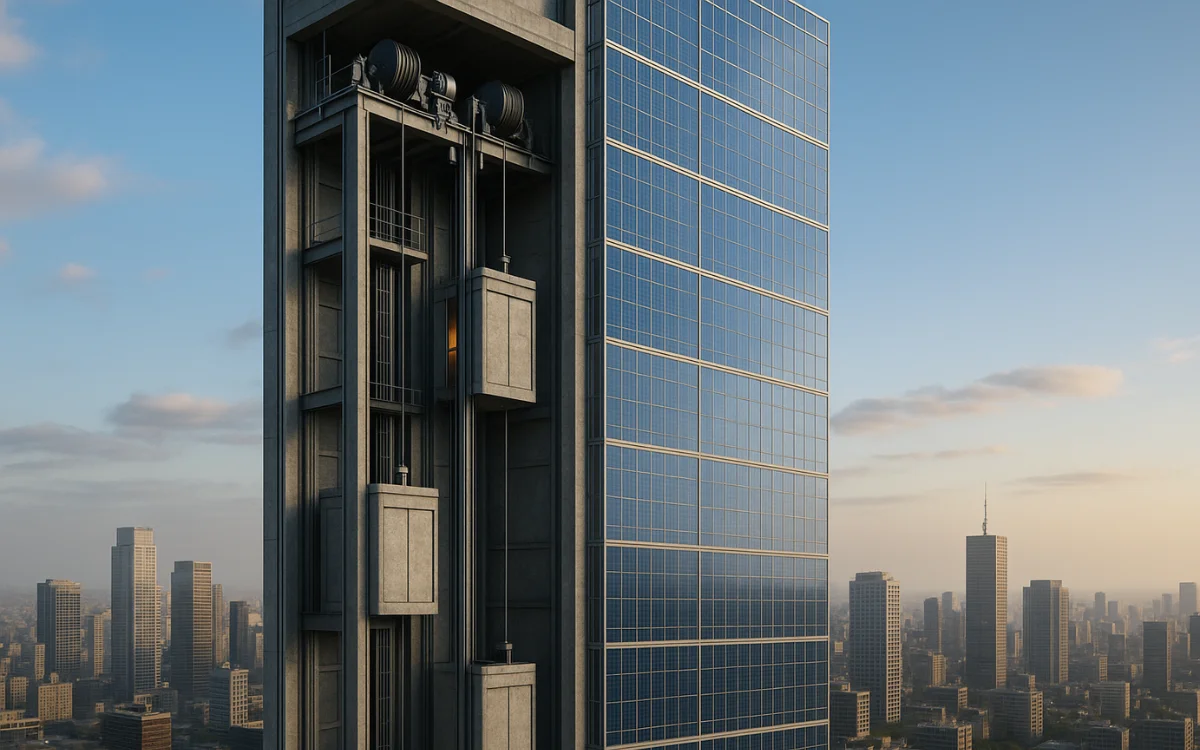

In exciting architecture news, this gravity battery, designed by researchers in Canada, turns skyscrapers into massive power banks using elevators.
This isn’t sci-fi, it’s science.
By turning elevator shafts into vertical energy storage units, tall buildings could soon power entire blocks, and this could be a renewable green idea.
Here’s how engineers plan to make city skylines double as the world’s biggest power banks.
EXPLORE SBX CARS – Supercar auctions starting soon powered by Supercar Blondie
Turning skyscrapers into massive power banks using a gravity battery
Canadian researchers have created an impressive new tech concept, the concept, called solid gravity energy storage using elevators, is surprisingly simple.
Picture a high-rise tower fitted with solar panels across its façade and maybe some rooftop wind turbines.
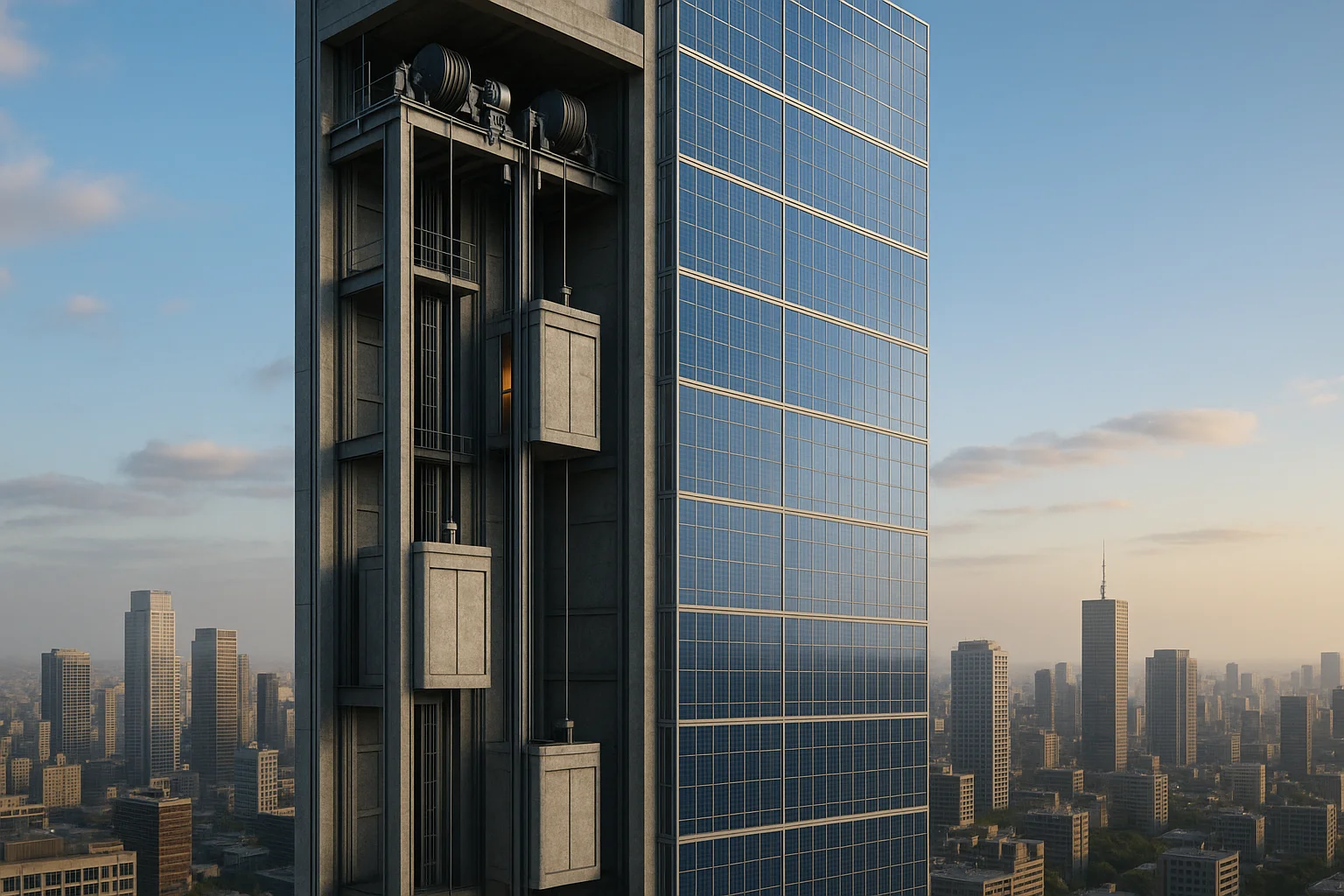
When those systems generate more power than the building needs, the excess energy is used to hoist giant blocks of concrete or steel inside a shaft.
Later, when demand spikes or the renewable supply dips, the blocks are released and as they descend, the falling weight drives a generator that feeds electricity back into the building or grid.
In short: lift heavy stuff and store energy, let it drop: get energy back.
Using elevators to create green energy
Gravity-based storage isn’t new – pumped hydropower has used the principle for decades.
But, in crowded cities, where space is at a premium, building tall instead of wide makes sense and skyscrapers already have the one thing gravity batteries need: height.
By using elevator shafts or specially designed vertical storage shafts, engineers can transform existing towers into energy storage systems without consuming massive land areas.
It’s a way to make cities not just energy users, but energy producers and storers.
Researchers at the University of Waterloo tested the system across 625 building designs, varying in height, shape, and façade size.
Their results suggest it could actually be cost-effective: it costs 5–11 cents per kilowatts, competitive with renewables and batteries.
The payback period would be 9–17 years on average, with most models recouping investment within 25 years.
The best candidates for this modern day tech are taller buildings with large floor space and lower day-to-day energy needs.
DISCOVER SBX CARS: The global premium car auction platform powered by Supercar Blondie
Follow topics and authors from this story to see more like this in your personalised homepage feed and to receive email updates.