Georgia man goes to world's largest Amazon returns store and drops $262 to try and turn a profit



A YouTuber decided to head to the world’s largest Amazon returns store and dropped $262 to see if he could resell things and make himself a nice profit.
It sounded like a gamble, but in this case, it turned into a surprisingly calculated experiment.
These stores were packed with returned goods sold at flat prices, meaning shoppers never quite know what they’re going to get.
And with the potential to uncover high-value items hidden among the tarps, it’s easy to see why people line up for hours for a potential diamond in the rough.
He went to the world’s largest Amazon returns store
For this tech YouTuber, the experience inside the world’s largest Amazon returns store is nothing short of intense.
Shoppers wait for the signal, and once the tarps are lifted, it’s a full-on rush to grab whatever looks promising from massive bins of returned Amazon items; it’s like black Friday on steroids.
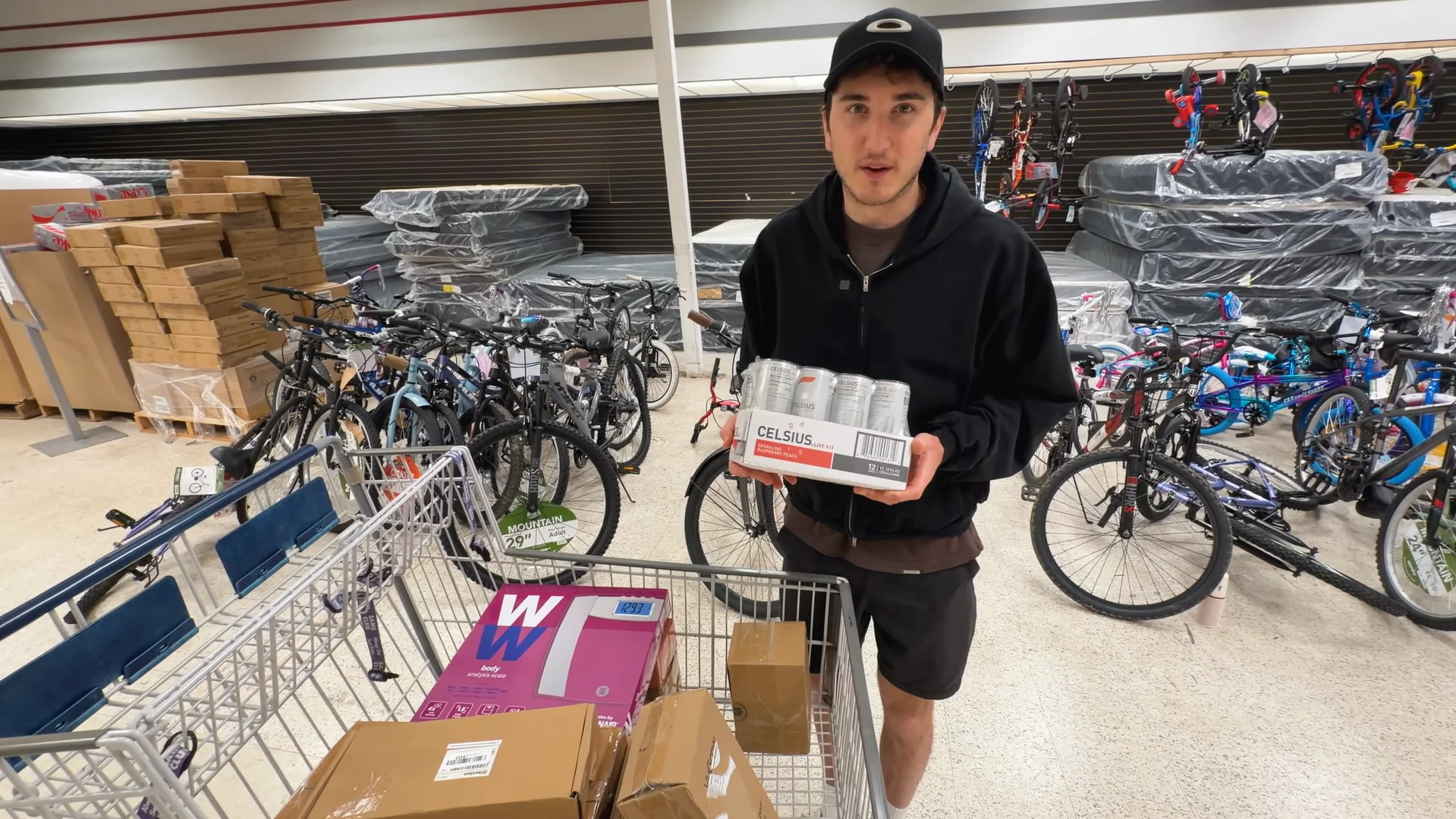
Harrison Nevel went in with a loose strategy: grab first, ask questions later.
Instead of carefully inspecting items at the store’s open-box station, he filled his cart quickly, aiming to secure anything that might have resale value before it disappeared.
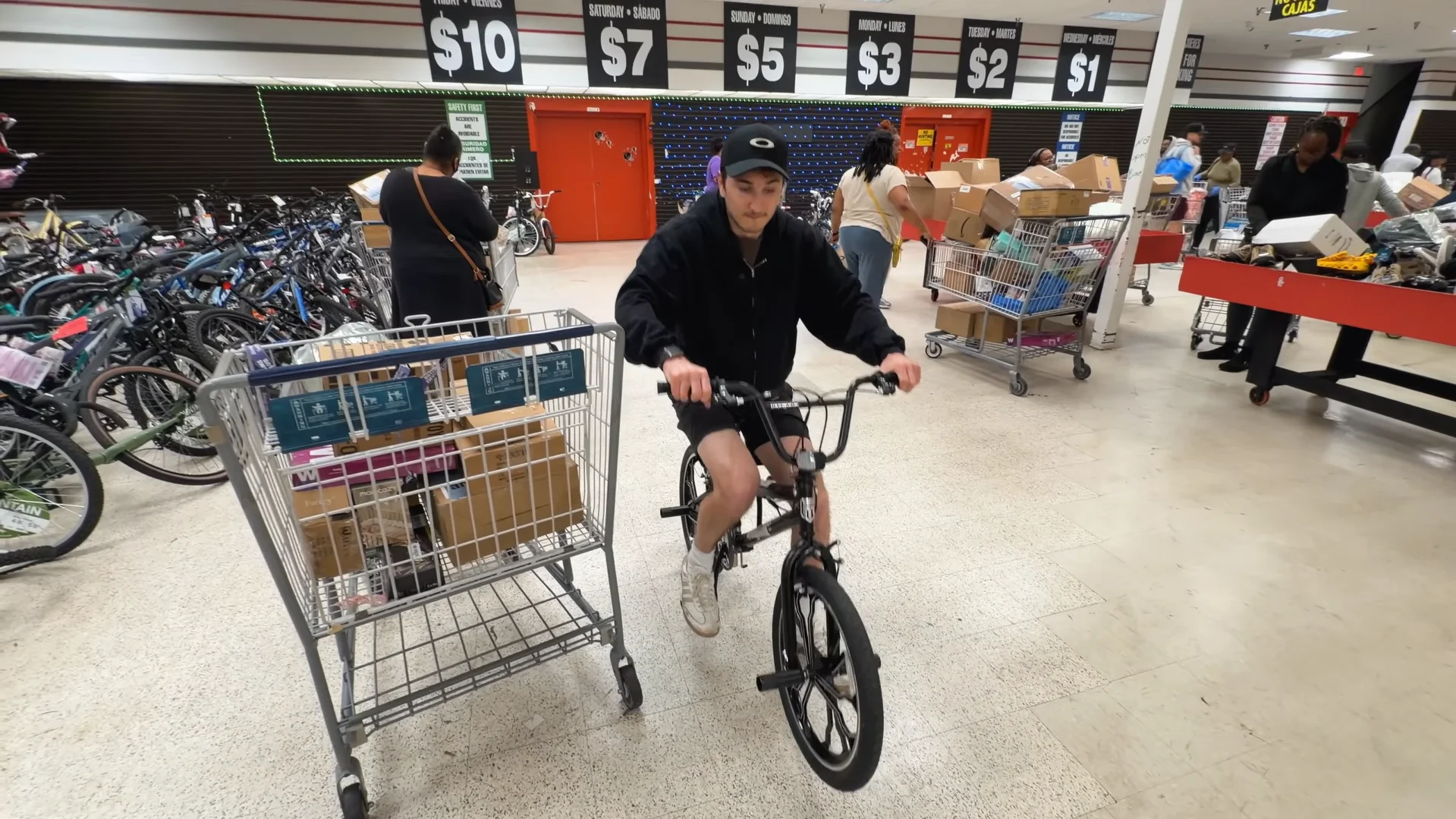
Among the mad scrabble for things to buy, he picked up a mix of random goods, from household items to electronics, and even considered larger purchases like bikes, which were priced separately.
But the real excitement came from not knowing what was inside each box until later.
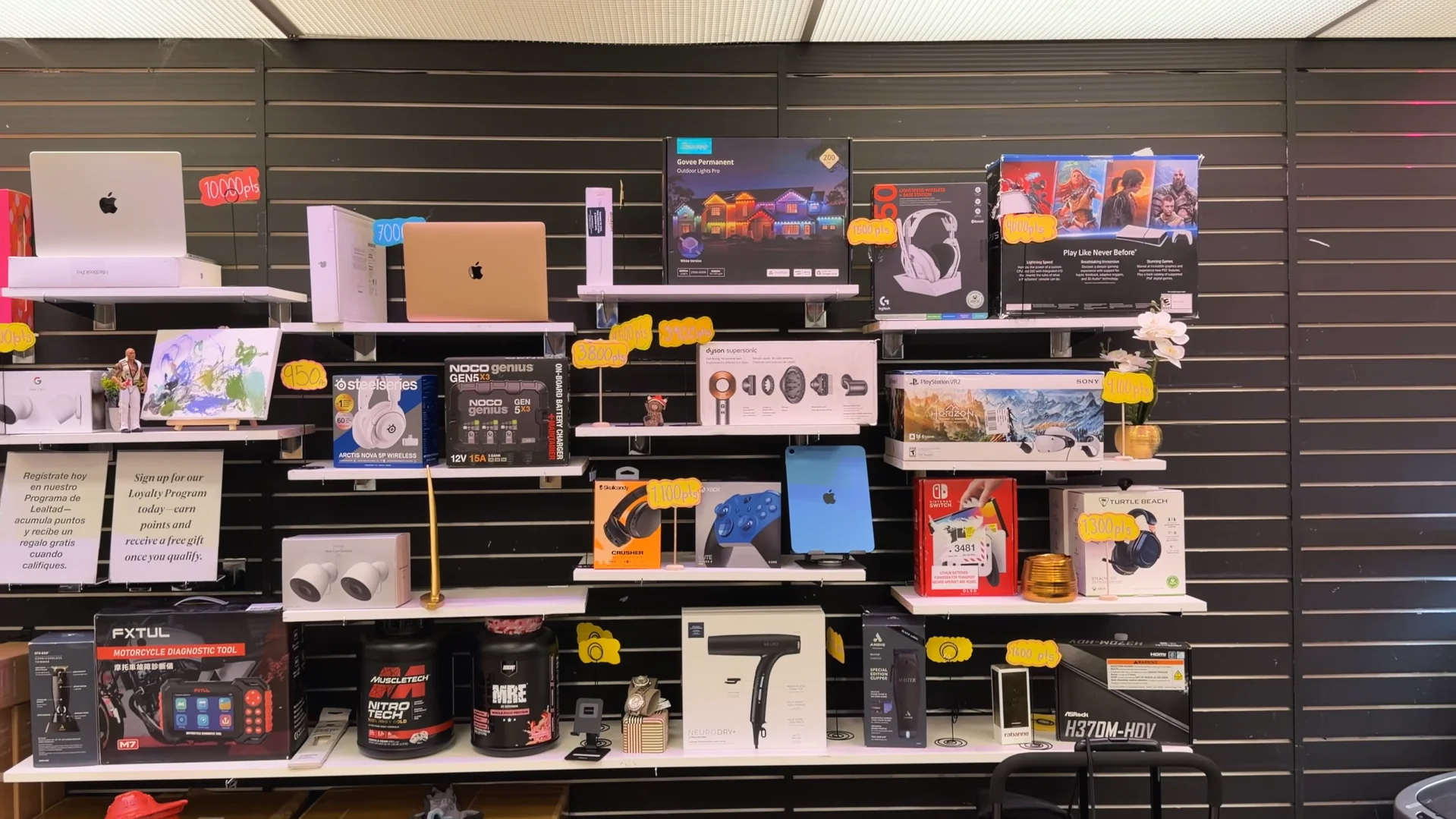
There was even an added incentive to keep coming back, as the store offered a rewards system where every dollar spent earned points that could eventually be redeemed for big-ticket electronics like a PlayStation.
His total spend was $262, but was that a bargain?
After spending $262 in total, it was time to find out whether the gamble had worked.
Back home, the haul turned out to be a mixed bag, which is exactly what you’d expect from returned items.
Some products were used or broken, including a bike that needed a small repair, while others were low-value or niche items.
But a few key finds made all the difference, like a brand-new baby monitor worth around $160 alone, which nearly covered the entire cost of the $10 bin purchases.
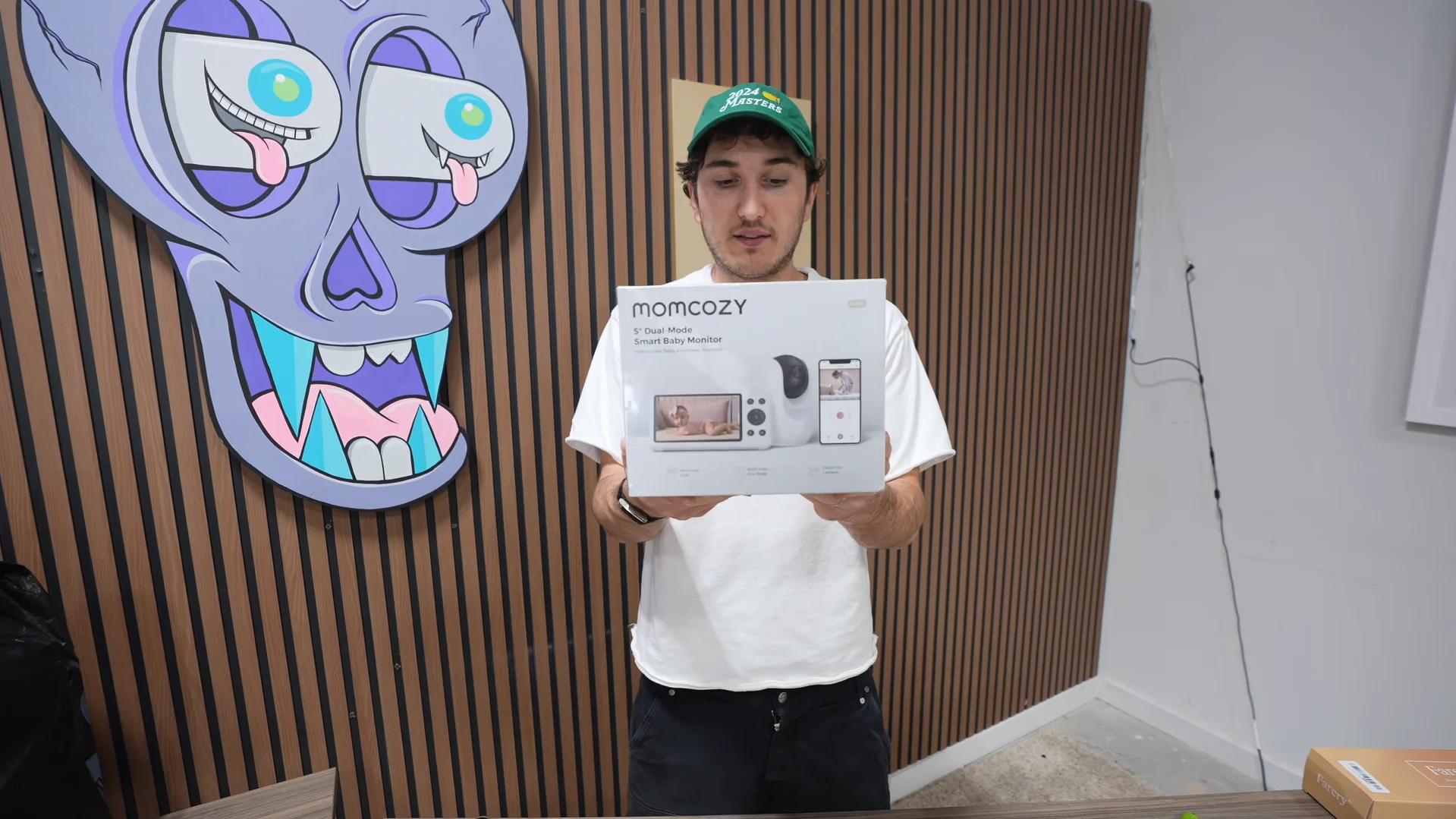
Add in discounted gaming gear bought through negotiation and several solid mid-range items, and the numbers quickly started to look promising when it came to profit.

In the end, the estimated retail value of everything came to nearly $1,000, with a realistic resale value of about $645.
That left him with a potential profit of roughly $383, which is not bad for a few hours of digging blindly through bins.