This is how much water AI data centers actually use and why it's a complex issue

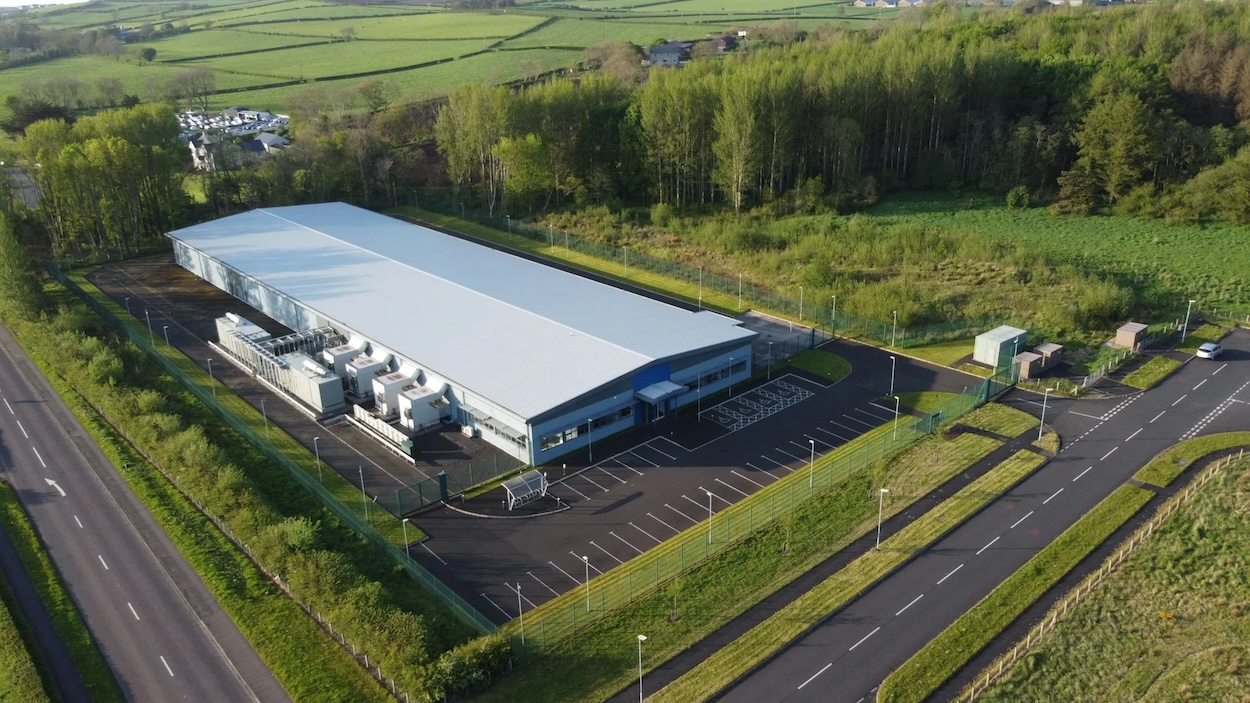

AI data centers have become one of the biggest talking points in tech, with many people worried they’re draining local water supplies.
But the reality is a lot more complicated than that.
Some facilities use huge amounts of it, while others are designed to recycle almost all of it.
The truth depends on where the data center is built, how it’s cooled, and even where its electricity comes from.
How much water do AI data centers actually use?
As AI continues to boom, concerns about its environmental impact on the future have exploded alongside it.
One of the biggest claims is that AI data centers consume enormous amounts of water.
According to The Atlantic, US data centers used just over 17 billion gallons of it for cooling in 2023.
That sounds like a staggering number at first glance, but it represents less than one-tenth of one percent of all the water used by US agriculture during the same year.
The bigger issue is that national figures don’t tell the whole story because a single AI facility can have a huge impact on a small community if local supplies are already stretched.
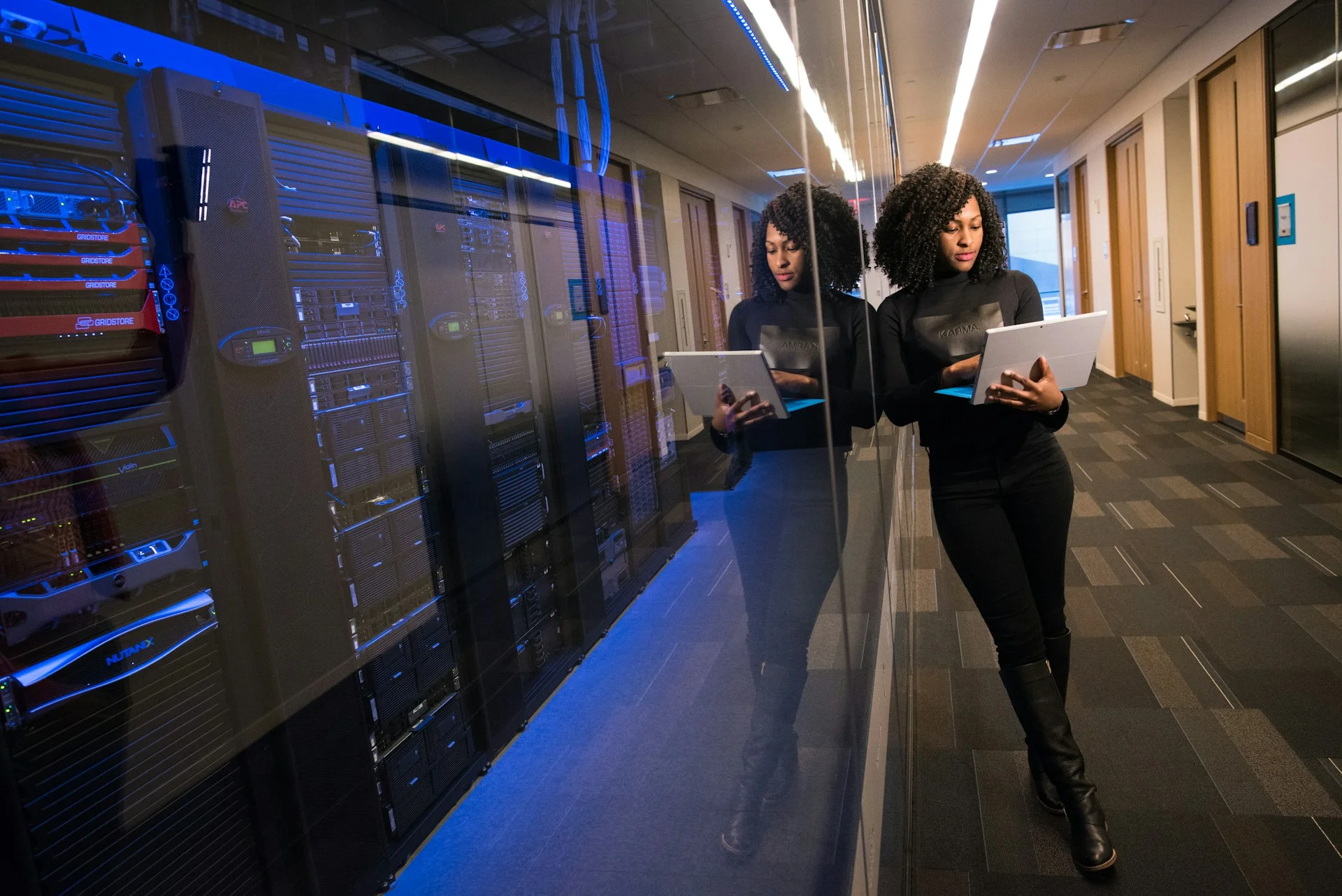
For example, Meta’s data center under construction in Lebanon, Indiana, could eventually require up to eight million gallons of it per day.
While city officials say infrastructure upgrades should meet demand, other locations have struggled.
In Newton County, Georgia, local officials have warned there simply isn’t enough aqua availability to support every proposed data center without significant investment in new recycling systems.
That’s why experts argue the better question isn’t “How much water do data centers use?” but “How does this particular data center use it?”

It’s a more complex issue than you would think
Not every AI data center cools its servers in the same way.
Traditional cooling towers work by evaporating water, much like sweat cools the human body.
Newer facilities are increasingly turning to closed-loop liquid cooling systems, where it circulates through servers before being cooled and reused instead of evaporating.
Major projects from companies including OpenAI, Meta, and Microsoft are adopting this approach because, in theory, once the system is filled, very little additional hydropower is needed during normal operation.
Google uses a different renewable process to run its data centers.
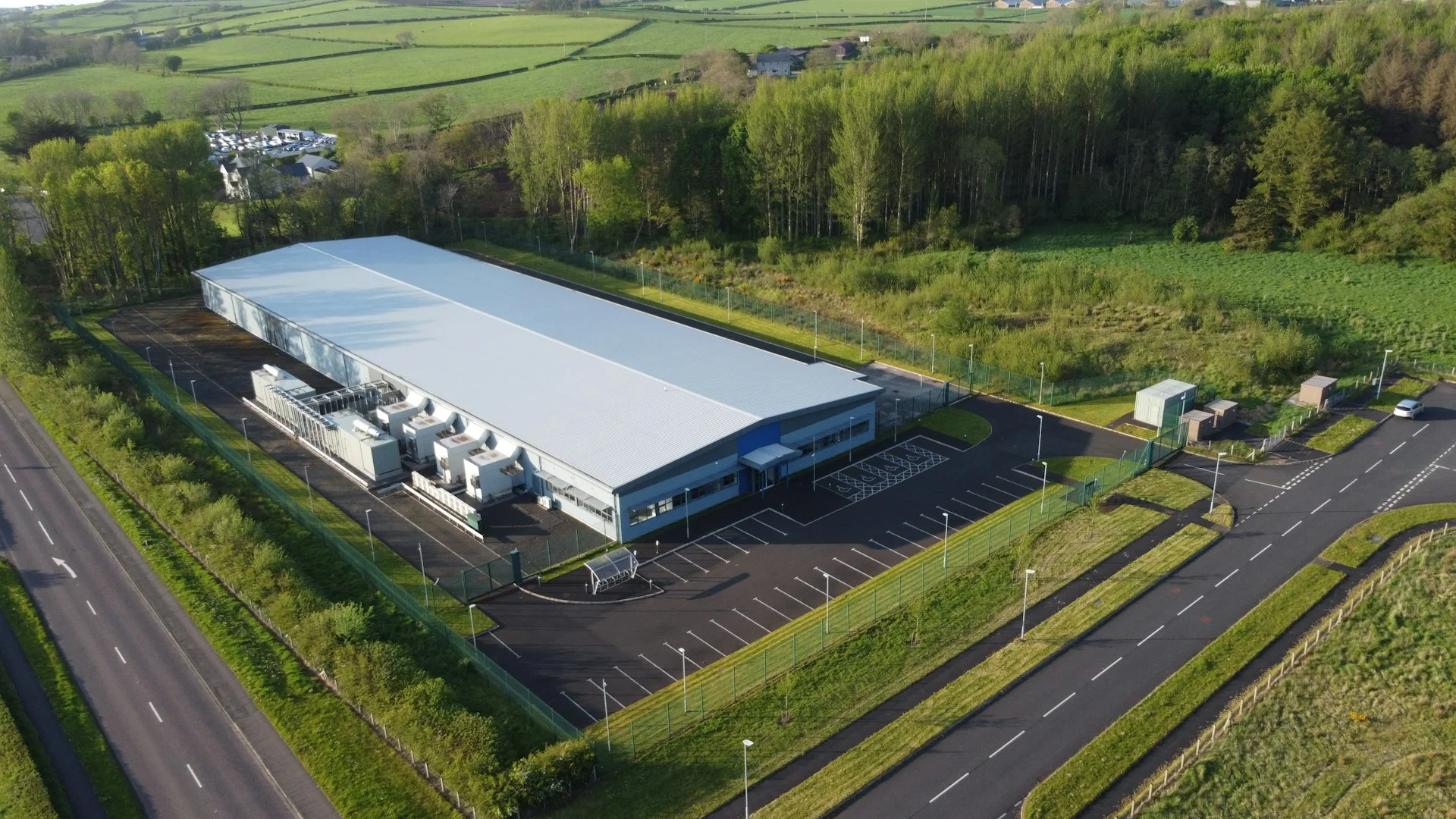
However, there’s a catch: these systems rely heavily on electricity, and generating that extra power often requires hydropower too.
Researchers note that air-cooled systems can consume between 10 and 65 percent more electricity than water-evaporating cooling towers.
That means reducing water use inside the data center could actually increase the amount of it used indirectly by power plants.
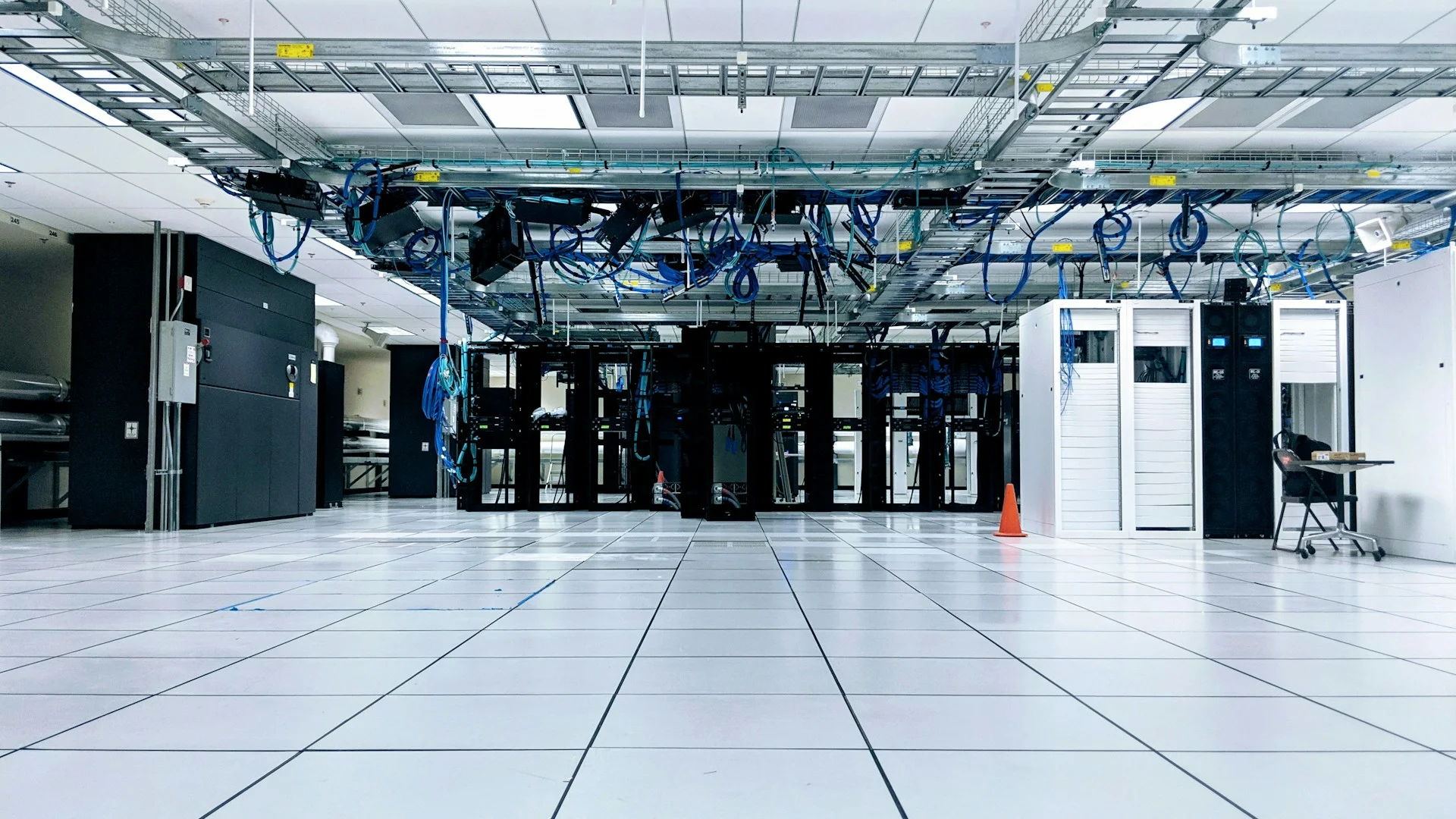
Meta reported that its indirect water consumption from electricity generation reached 19 billion gallons in 2024 – around 23 times higher than its direct use.
Experts believe future improvements, including renewable energy, cooler-climate locations, outside-air cooling and chips that can safely run at higher temperatures, could reduce both electricity and cooling demands.
For now, though, there’s no one-size-fits-all answer.
Whether an AI data center is environmentally friendly depends on its design, local climate, hydro availability and energy source, making the debate far more nuanced than either side often suggests.