This is what the internal machine that takes your card in ATMs actually looks like and how it works

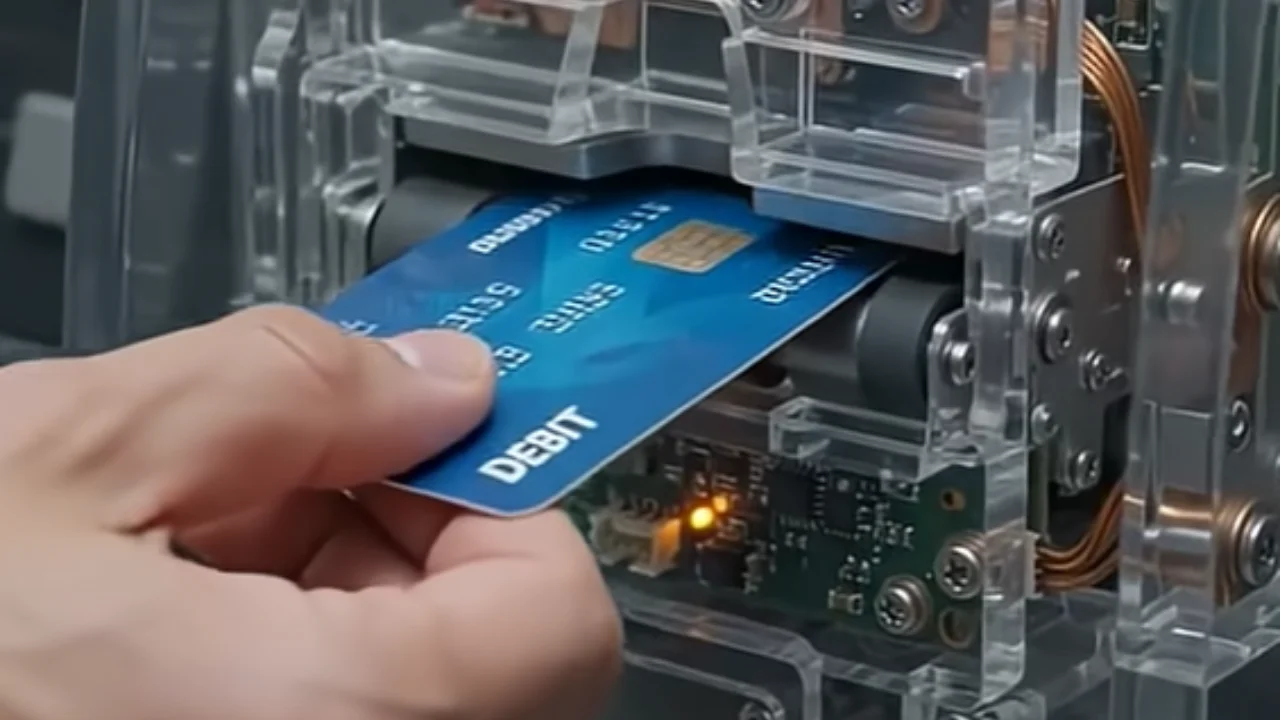

Millions of people use ATMs every day without ever thinking about what happens behind the screen, and about what happens when your credit card gets sucked into the internal machine.
But take away the outer casing and the machine becomes a combination of tiny rollers, sensors, gears, and electronics, all working together to move your card and cash around.
This is what the internal machine that takes your card in ATMs actually looks like, and the process is far more complicated than simply pushing a card into a slot.
From reading your card to selecting individual banknotes and checking every bill before it reaches your hand, an ATM is essentially a mini factory.
What is actually happening inside ATMs?
The moment you insert a card into an ATM, the machine gets to work, and it makes you realize that these machines are far more futuristic than you give them credit for.
Rather than simply sitting in the slot, the card can be pulled into the reader by motorized rollers and you can see all of this in a clever recreation from DiscoverInsideWorld.
Modern ATMs can use motorized EMV readers, as well as dip and contactless readers, depending on the machine and its configuration.
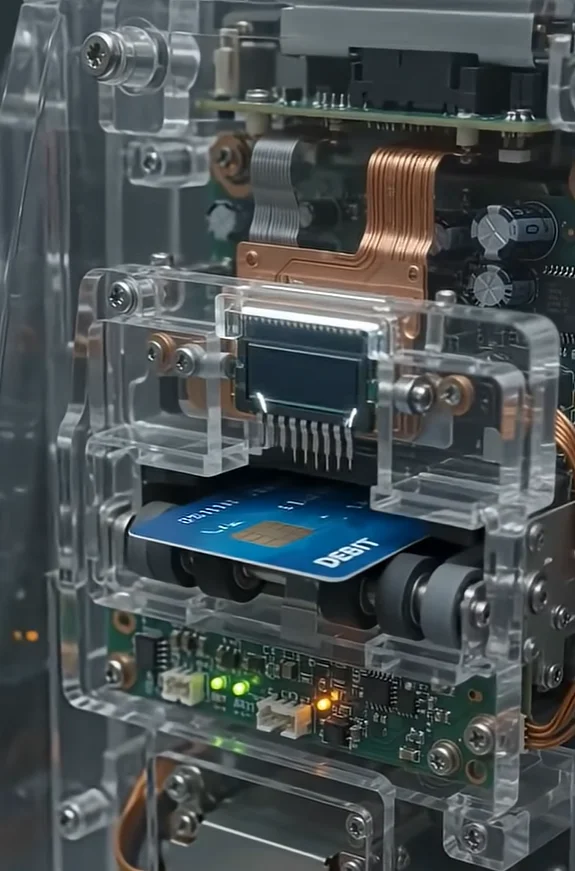
The reader captures the information needed to identify the account and process the transaction, while the keypad allows the customer to select what they want to do and enter their PIN.
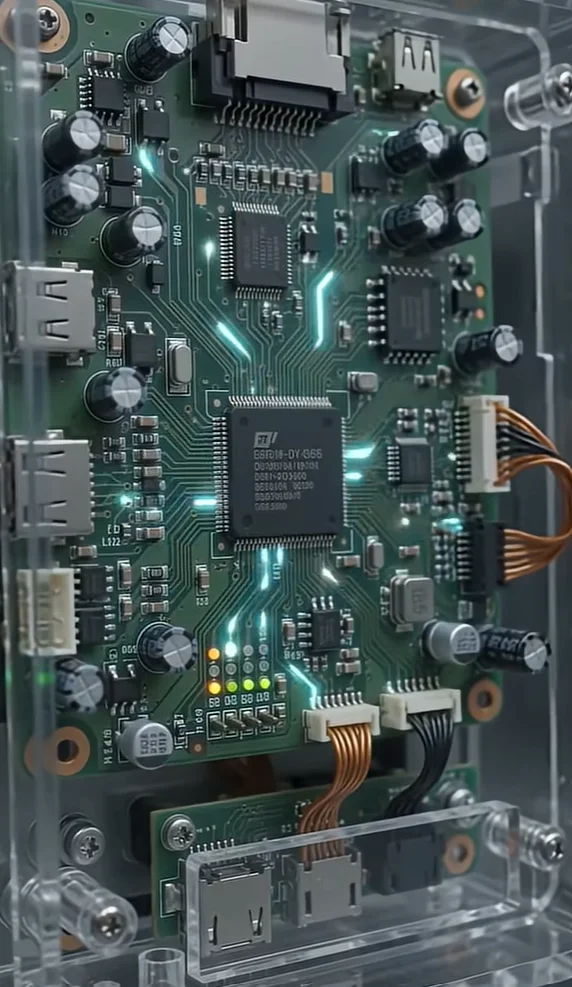
That information is sent through the ATM’s electronic systems to a host processor, which routes the transaction to the relevant financial institution for authorization.
Once the withdrawal has been approved, the really impressive mechanical work begins.
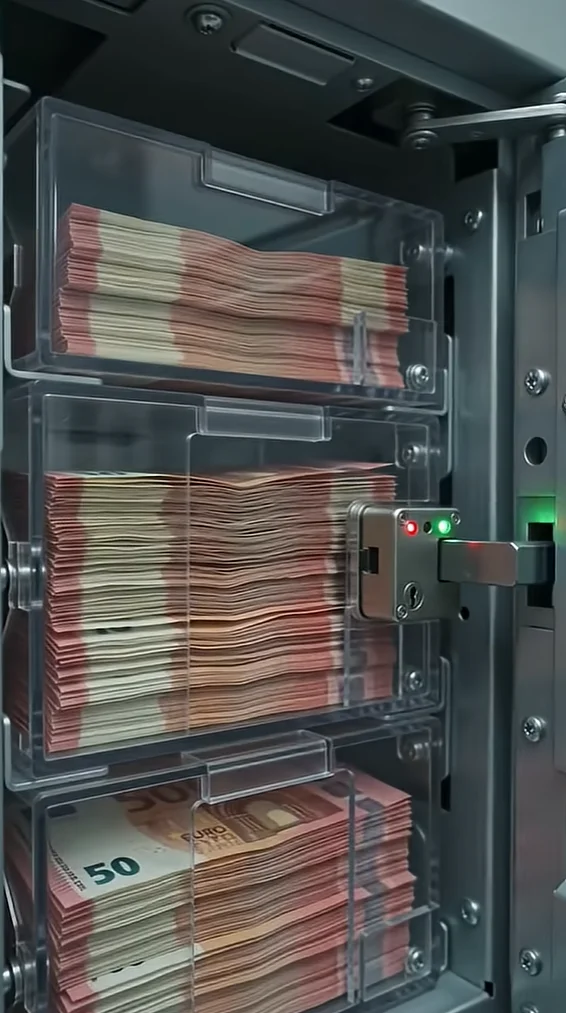
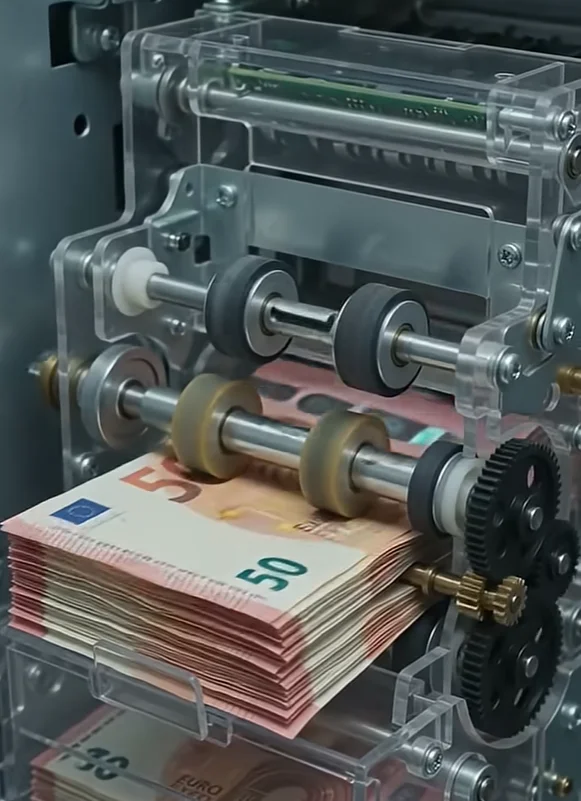
Hidden inside the lower section of the ATM is the cash dispenser and its secure cassettes, where huge amounts of banknotes are stored.
Some modern dispensers can contain several cassettes, allowing different denominations to be stored separately.
For example, one current Diebold Nixdorf dispenser can have up to five cassettes and a separate retract/reject bin.
The machine then has to pick out exactly the right number of notes.
Friction-pick mechanisms pull individual banknotes from the cassettes and send them along a carefully controlled path towards the cash slot.
Newer systems use advanced note-handling technology designed to make the process more reliable and reduce jams.

How it checks your cash before it reaches you
This is where the ATM becomes particularly clever.
As the notes travel through the machine, sensors check that everything is behaving as it should.
An electric eye can count the notes as they leave the dispenser, while thickness sensors can detect when two banknotes have accidentally been picked up together.
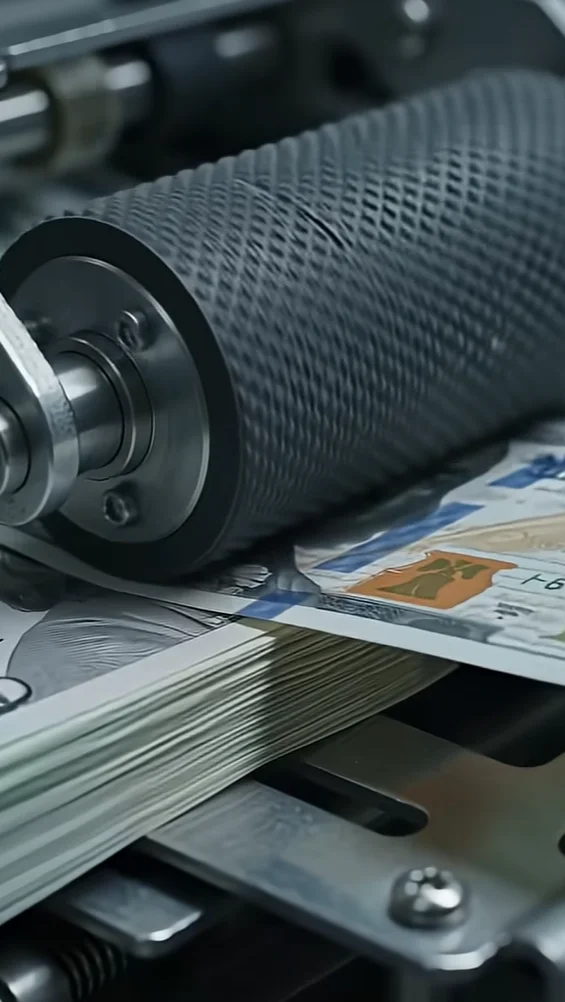
If two bills stick together, or a note is excessively worn, torn or folded, the machine can divert it instead of sending it to the customer.
That rejected cash is sent to a separate reject bin, helping the ATM make sure the number of notes it dispenses matches the amount requested.

And all of this happens in the few seconds between entering your PIN and hearing the familiar whirring sound of cash being delivered.
What looks from the outside like a fairly simple box is actually a tightly coordinated combination of electronic authorization and physical automation.
The next time an ATM swallows your card, there is a surprisingly elaborate machine working behind that slot to make sure your card, transaction, and cash all end up exactly where they should, and we really should appreciate it more.