Scientists discover way to pull lithium from rocks without as many negative effects on the planet

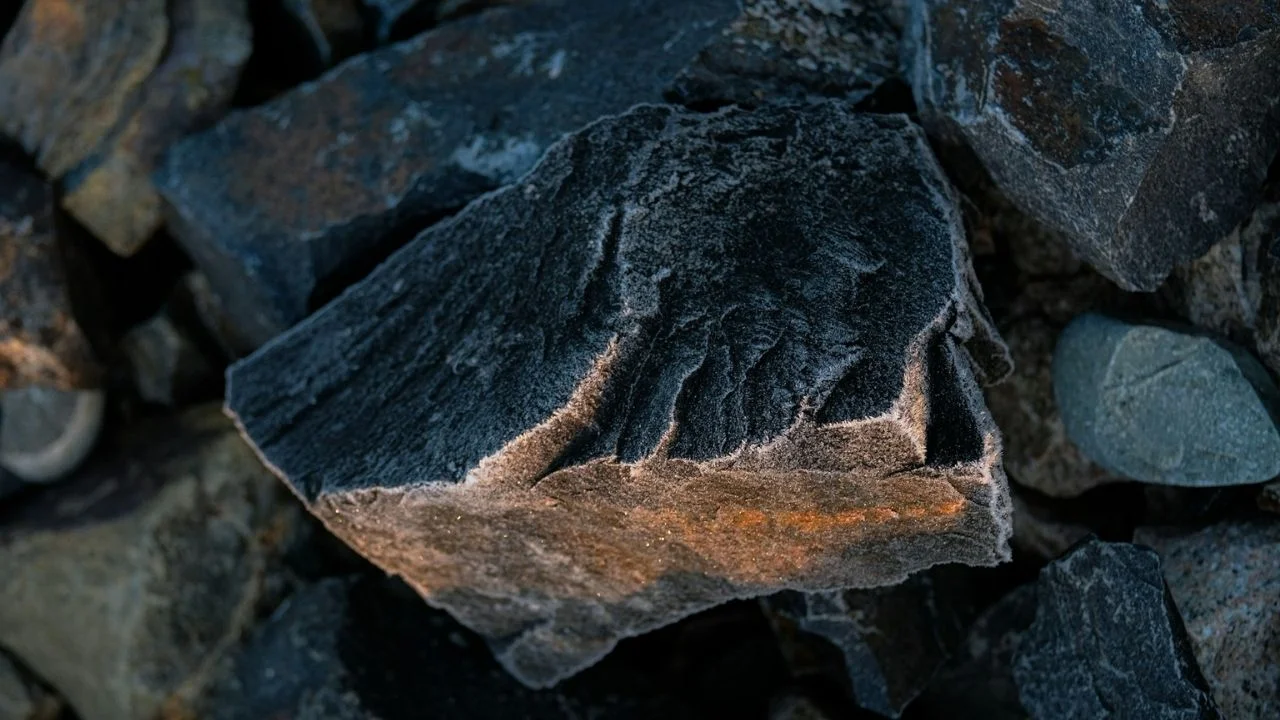

Thanks to a breakthrough by researchers at MIT, scientists have discovered a way to extract lithium from rocks with fewer negative effects on the planet.
The team has developed a new method of extracting lithium from hard rock that could dramatically reduce waste, energy use, and costs compared to current techniques.
Lithium is one of the most important materials in modern technology, powering everything from smartphones to electric vehicles.
And if the process can be scaled up successfully, it could completely change how the world sources one of its most valuable battery materials.
The world runs due to lithium from rocks
Lithium demand has exploded in recent years as electric vehicles, renewable energy storage systems, and most electronic gadgets continue to rely heavily on lithium-ion batteries.
But getting the element out of the ground isn’t exactly environmentally friendly.
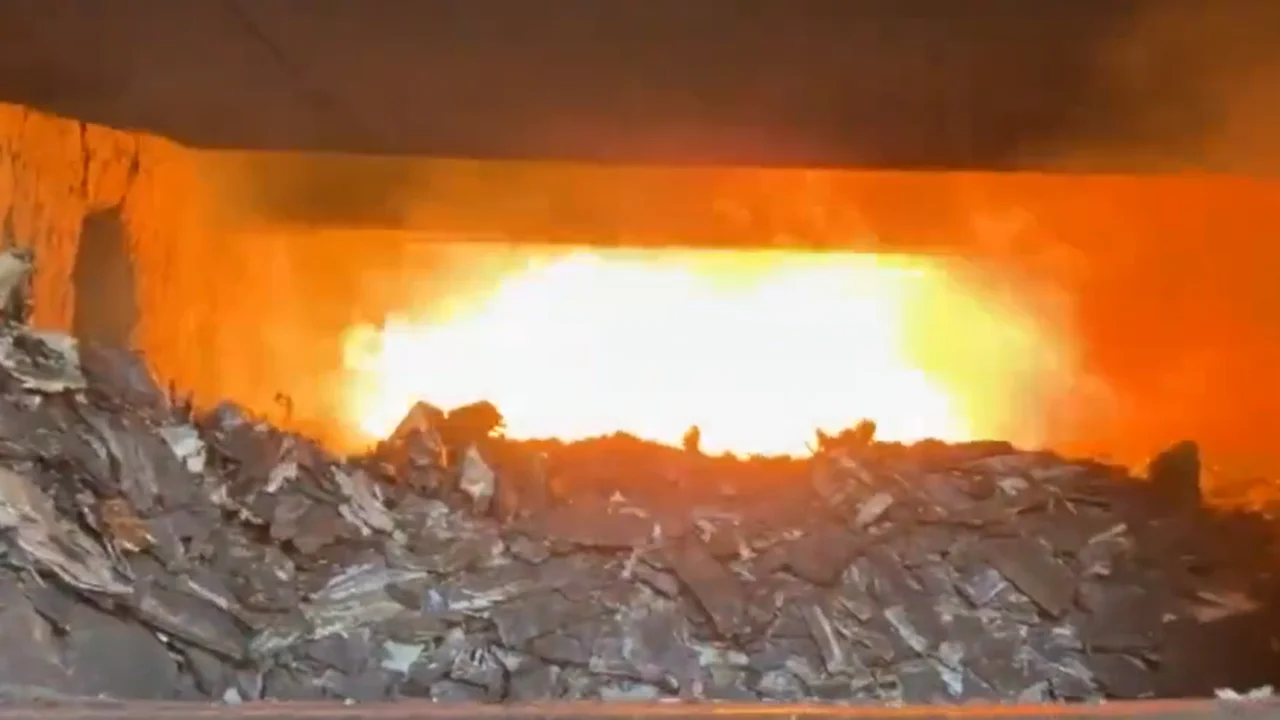
Traditional hard rock mining requires lithium ore, otherwise known as spodumene ore, to be heated to temperatures above 1,832°F before it can be processed, consuming huge amounts of energy and creating lots of waste.
Researchers at MIT believe they’ve found a much cleaner alternative.
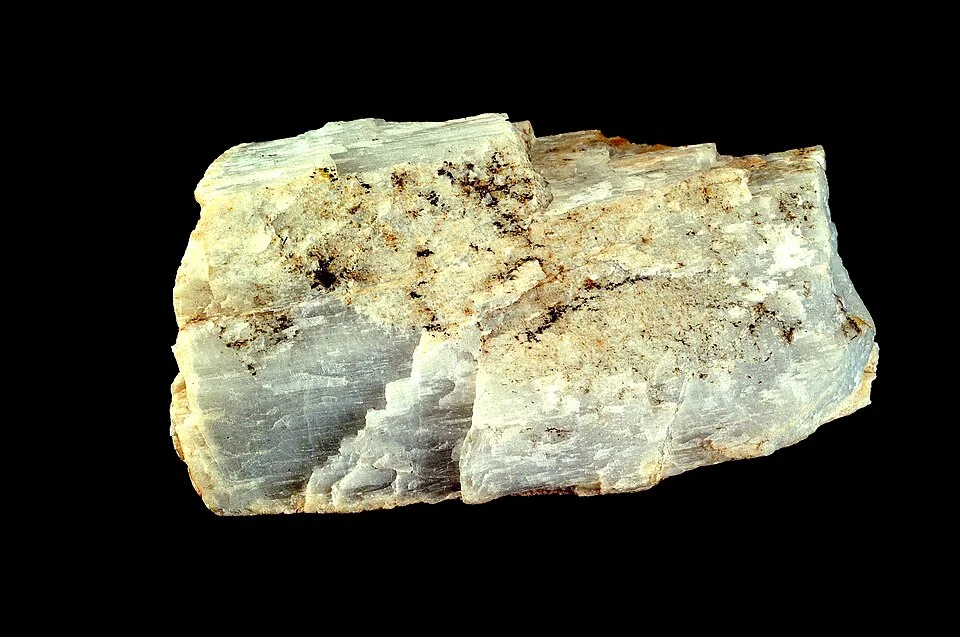
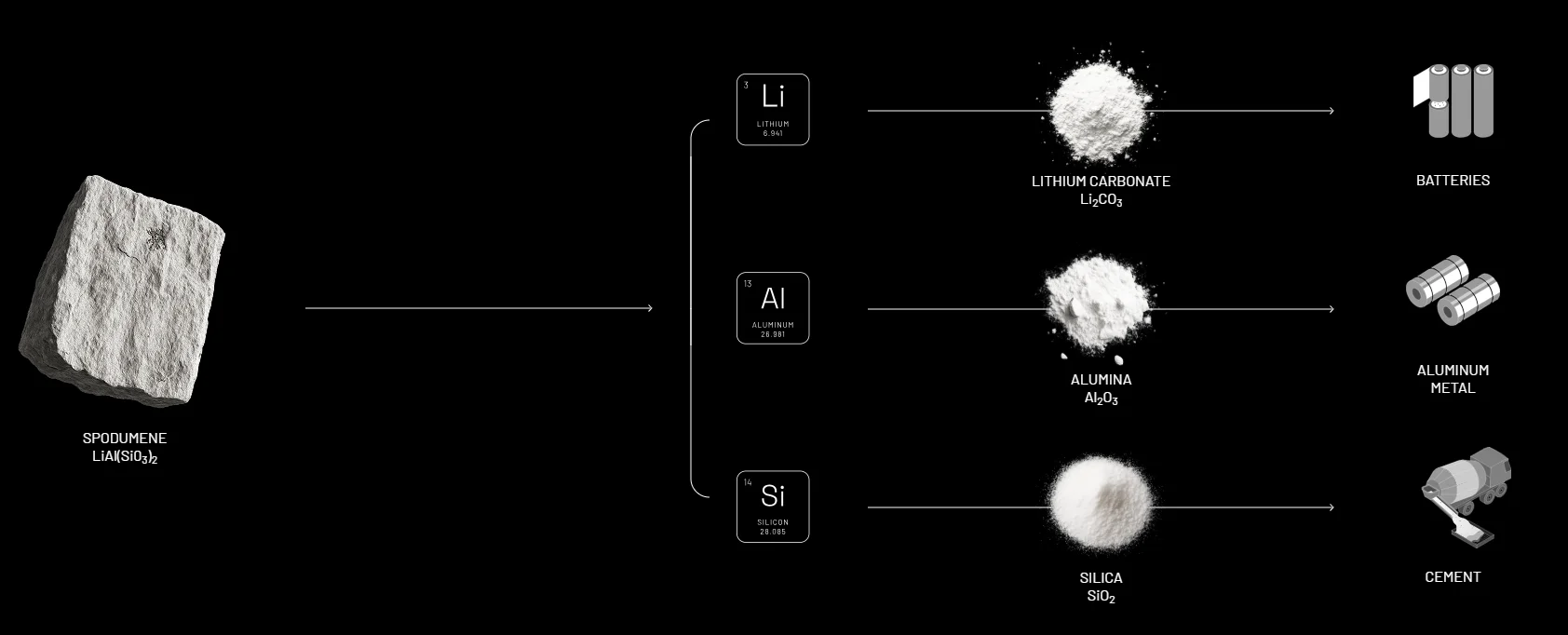
Their new process uses ammonium fluoride to dissolve a material inside the rock called silicate, making the lithium and aluminum free to extract without the need for the energy-intensive roasting stage.
The new system operates at low temperatures and avoids the acid-heavy methods commonly used today.
The researchers tested the technique on 17 different sources of spodumene and recovered more than 95 percent of the lithium contained within the mineral.
Even more impressively, the process is designed as a sort of renewable system, meaning the chemicals used can be recovered and reused rather than thrown away after a single use.
Related

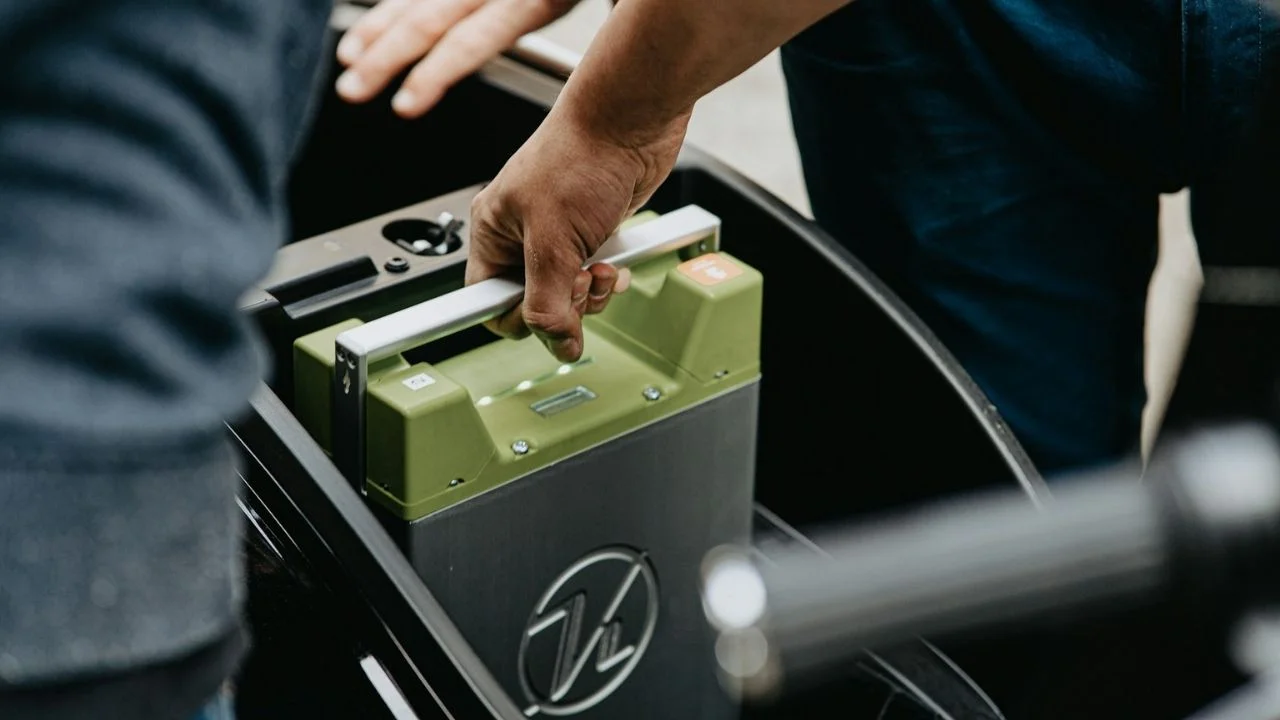
The discovery could change how batteries are made
The method also separates and produces usable aluminum and silica, which can be sold for industrial uses rather than being dumped as rubbish.
MIT estimates the process could cut extraction costs by roughly 50 percent while bringing waste levels close to zero.
That could have major implications for countries such as the United States, Australia, and parts of Europe, which have large lithium reserves but struggle to compete with China’s dominant refining industry.
How a bathroom renovation inspired the discovery
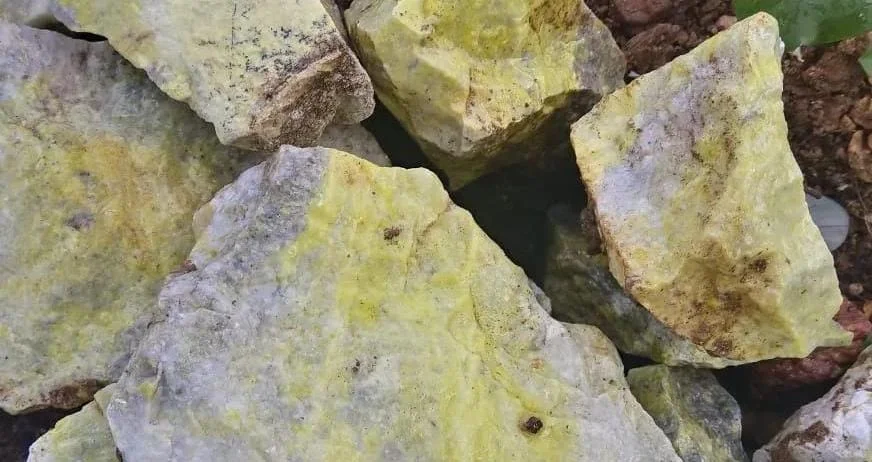
The idea reportedly came after MIT professor Yet-Ming Chiang noticed similarities between glass and spodumene during a bathroom renovation project involving glass etching cream.
That unexpected inspiration eventually led scientists to rethink how lithium-bearing rock could be broken apart and processed.
The technology is still awaiting large-scale industrial testing, and the scientists from the MIT team have already launched a startup called Rock Zero to help commercialize the process.
If it proves successful outside the lab, it could help solve one of the biggest issues in obtaining the materials needed for greener technology without causing as much environmental damage in the process.