Marques Brownlee reveals rare hands-on look at an unreleased LG rollable phone that never made it to market

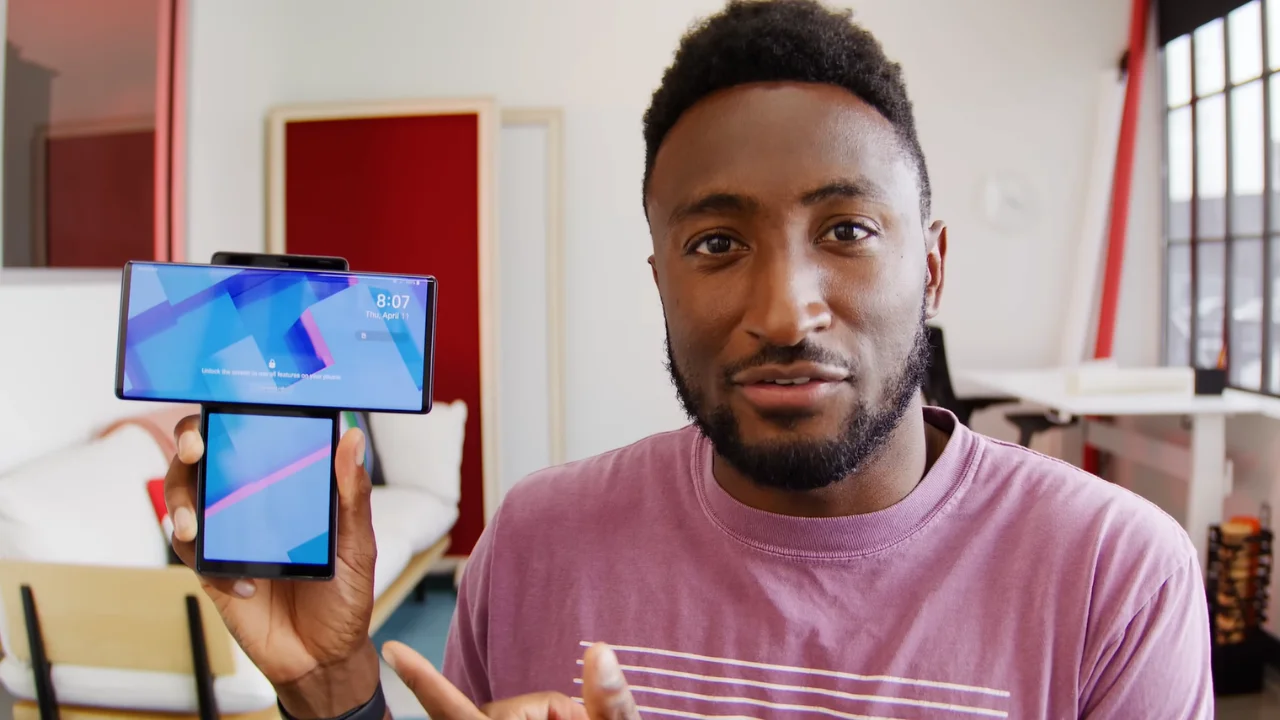

Marques Brownlee has revealed a rare hands-on look at an unreleased LG rollable phone and a ‘wing phone’ that never made it to market.
The devices were developed right before LG shut down its mobile division.
And after years of rumors, it turns out the company got astonishingly close to launching them, and it’s a real shame they didn’t.
In fact, they might be some of the most ambitious smartphones ever built.
Marques Brownlee got a rare hands-on look at an LG rollable phone
Unlike foldable phones, this insane prototype starts as a standard 6.7-inch smartphone before expanding into a 7.4-inch tablet with a simple three-finger swipe.
Instead of folding, the display literally rolls out from inside the device using a motorized mechanism, transforming the shape of the screen rather than just increasing its size.
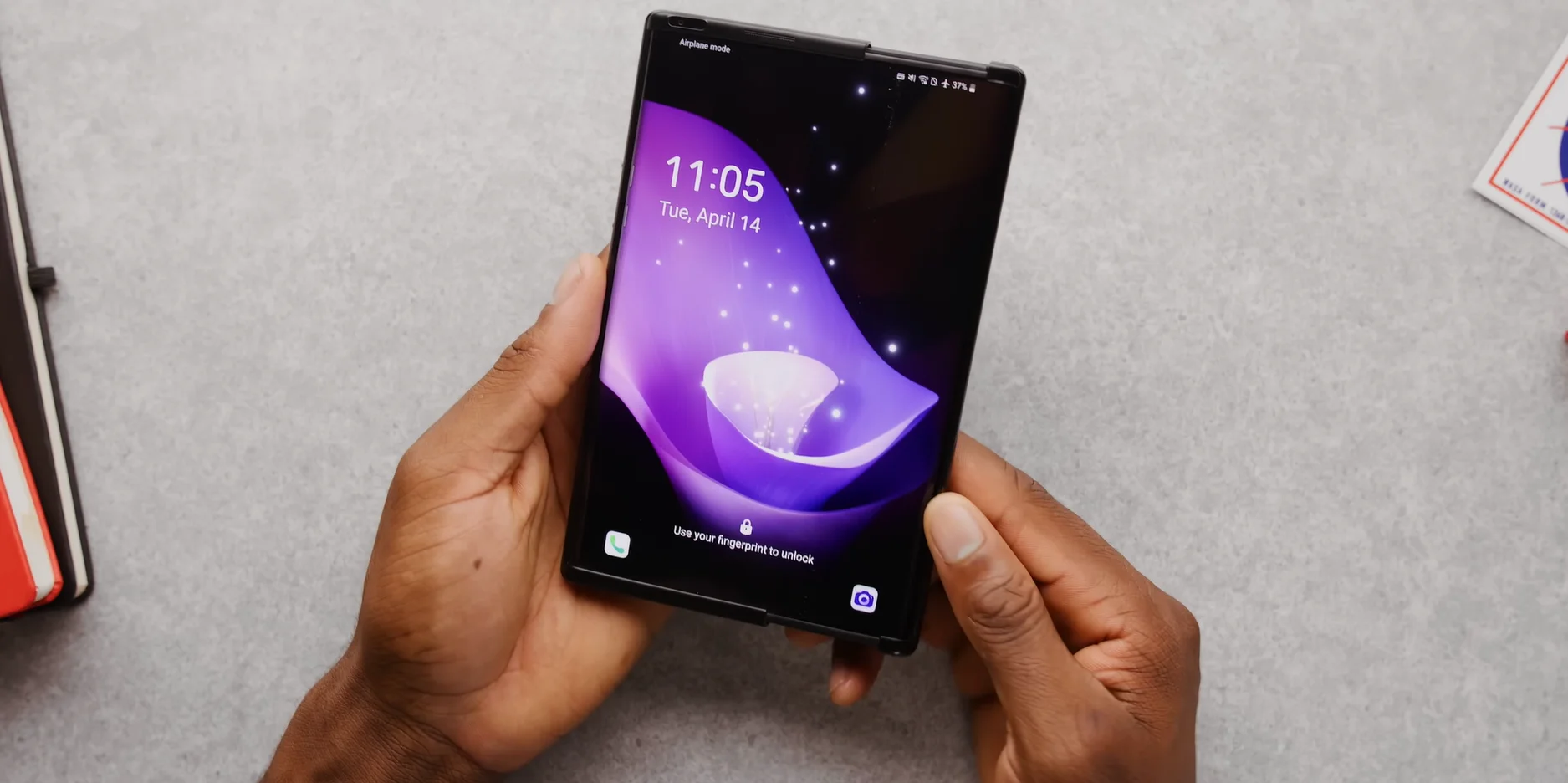
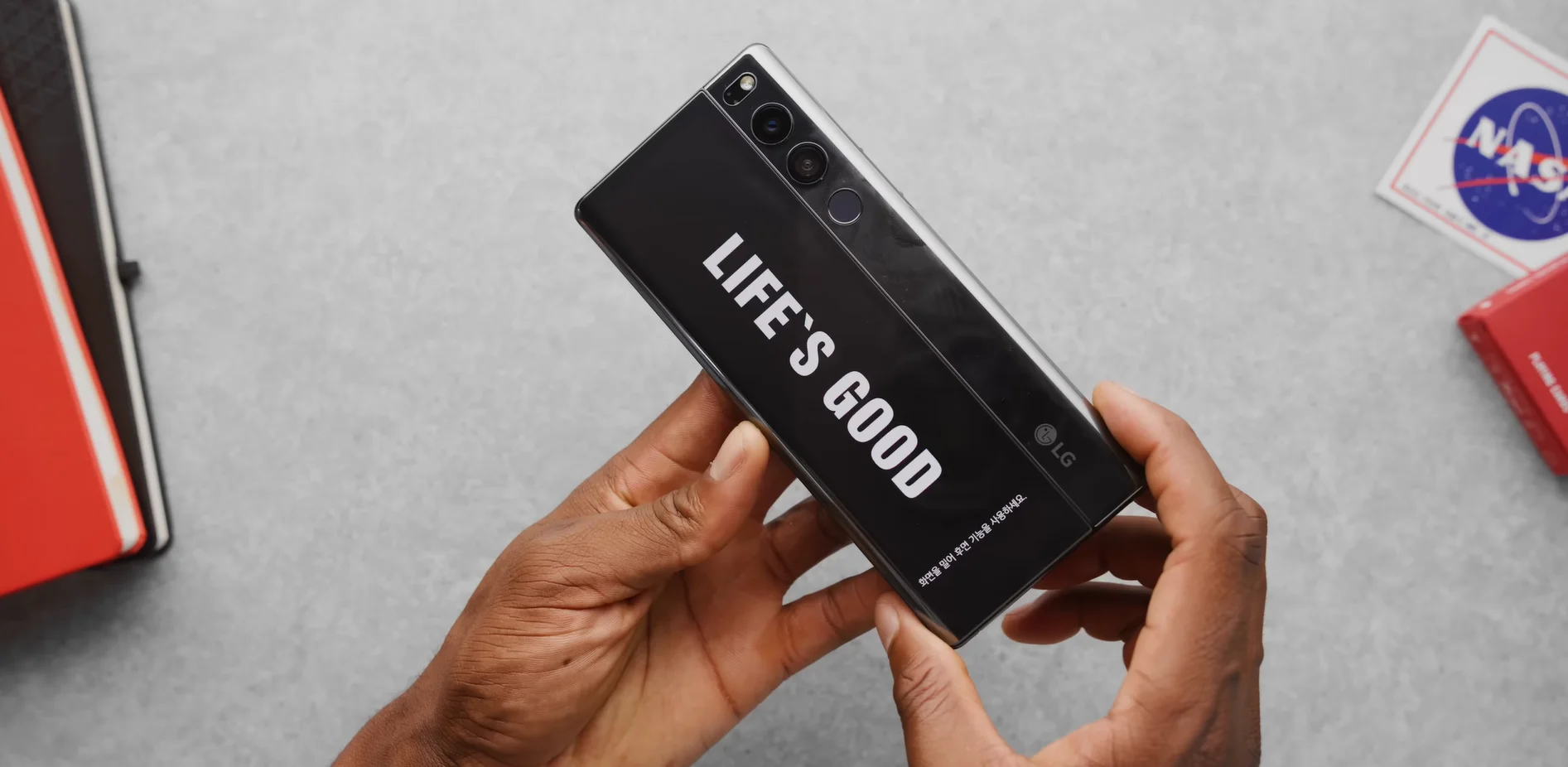
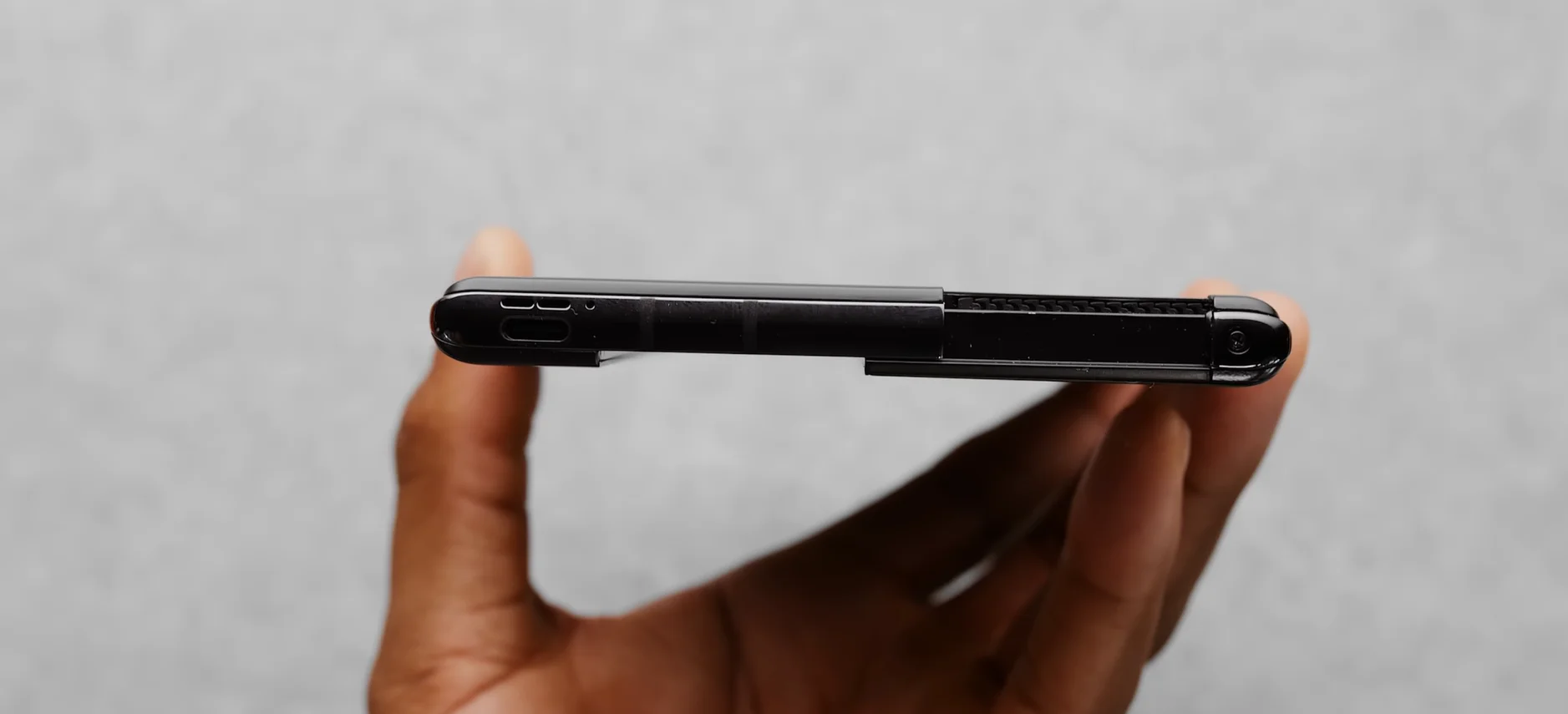
What makes it even more fascinating is where that extra screen is stored because part of the display wraps around the back of the phone, hidden in plain sight under a transparent panel.
That rear section isn’t just for show either; it can display notifications or even act as a viewfinder so users can take selfies using the main 64MP camera.
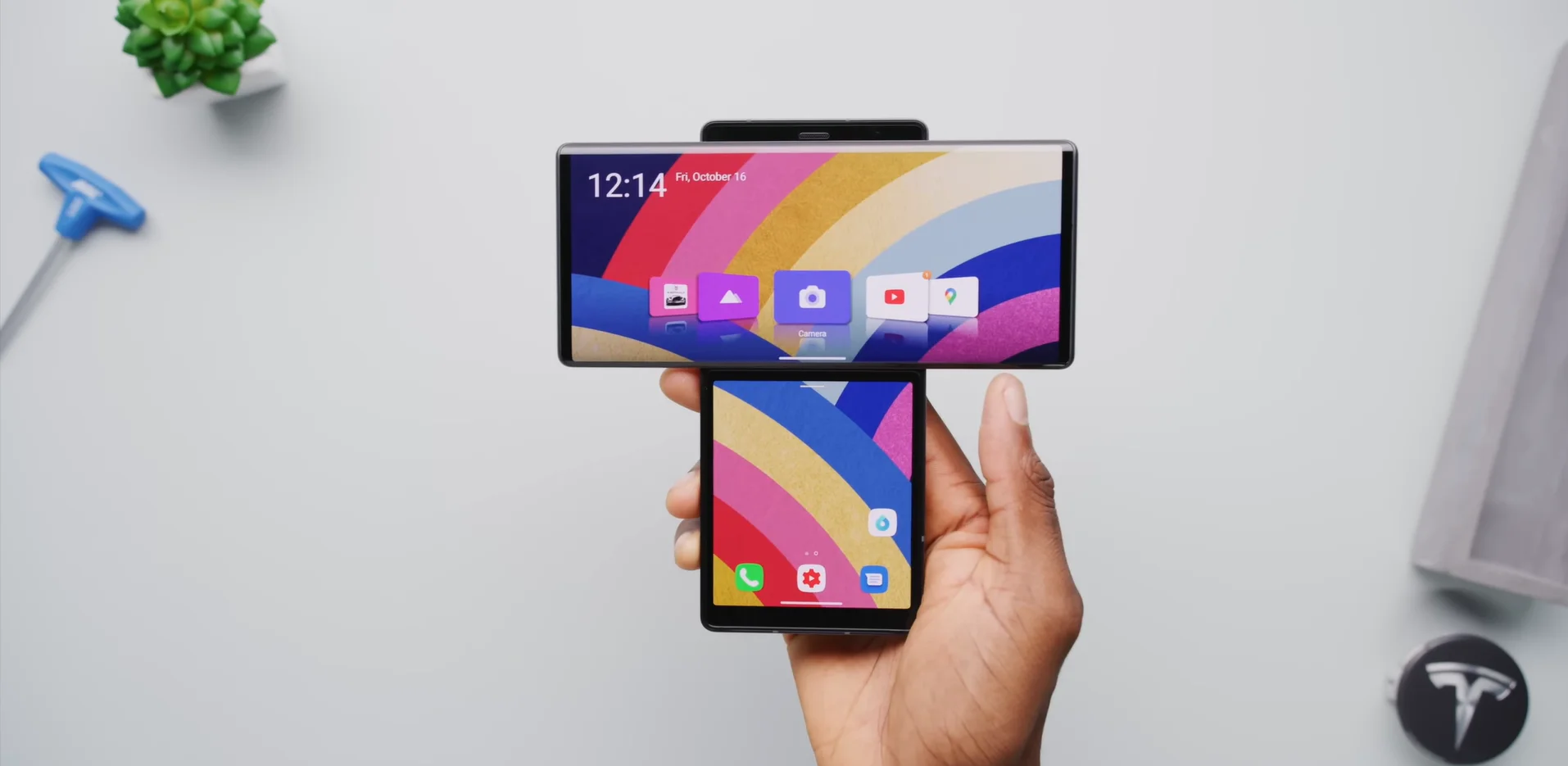
LG’s obsession with experimental designs wasn’t new either, because before this, it released the LG Wing, a device that looked normal at first but could rotate its top screen sideways to reveal a second display underneath, creating a distinctive T-shaped layout.
It was one of the boldest smartphone designs ever, allowing users to multitask in ways no other phone really attempted at the time, but it never hit the market properly.
With the prevalence of foldable phones today, it’s kind of shocking that we never saw these futuristic and innovative designs come to life.
It was both genius and flawed
As impressive as it is, the rollable phone had some parts that meant it may never have survived in the real world.
The internal system relies on multiple motors and spring-loaded components to extend and retract the display, making it incredibly complex, and it’s powerful too, capable of pushing objects across a table when opening.
But that complexity comes with trade-offs because the exposed mechanics mean it likely wouldn’t be water or dust-resistant, and the flexible screen is far more vulnerable than those on foldables.
There’s also still a slight ripple in the display, proving that even without a fold, perfection is hard to achieve.

Despite these flaws, the software already felt polished, with smooth animations that adapted as the screen expanded and shrank, which shows that, in the end, this wasn’t just a concept; it was a nearly finished product that simply arrived too late.
And while LG is gone from the smartphone world, devices like the Wing and this rollable show just how far ahead of the curve it really was – RIP.