This mind-blowing audio technology and engineering behind the F1 movie's hyper-realistic sound shows how it won an Oscar for sound design

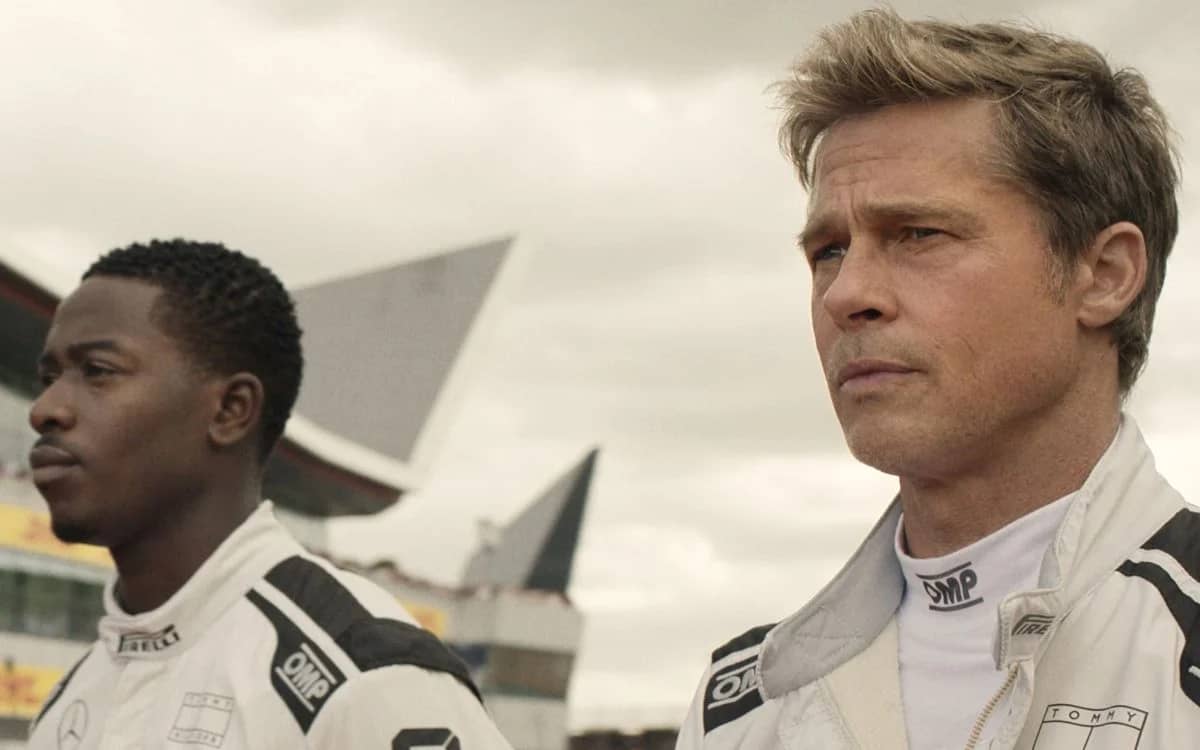

The F1 movie did not just look fast, it had to sound fast, too, and that meant the team could not fake their way through it with generic engine noise, so the use of audio technology and engineering was absolutely necessary.
To make the racing feel as real as possible, the filmmakers went to extreme lengths to capture the snarls, screams, and tiny mechanical details of actual Formula 1 cars.
The result was a soundscape so convincing that it helped the movie race all the way to an Oscar for Best Sound.
And once you hear what went into it, that win makes perfect sense.
The F1 movie’s hyper-realistic sound came from real engines
One of the biggest challenges for the movie’s sound team was replacing the sound of the production cars used during filming with the real thing, using a very common piece of tech – the humble microphone.
That meant going far beyond the usual movie trickery and building the audio from authentic Formula 1 engine recordings, so every pass, downshift, and surge felt like it belonged on an actual grid.
The team worked to capture the essence of a real race weekend rather than just loud engine roars by miking up the race cars on actual race day.
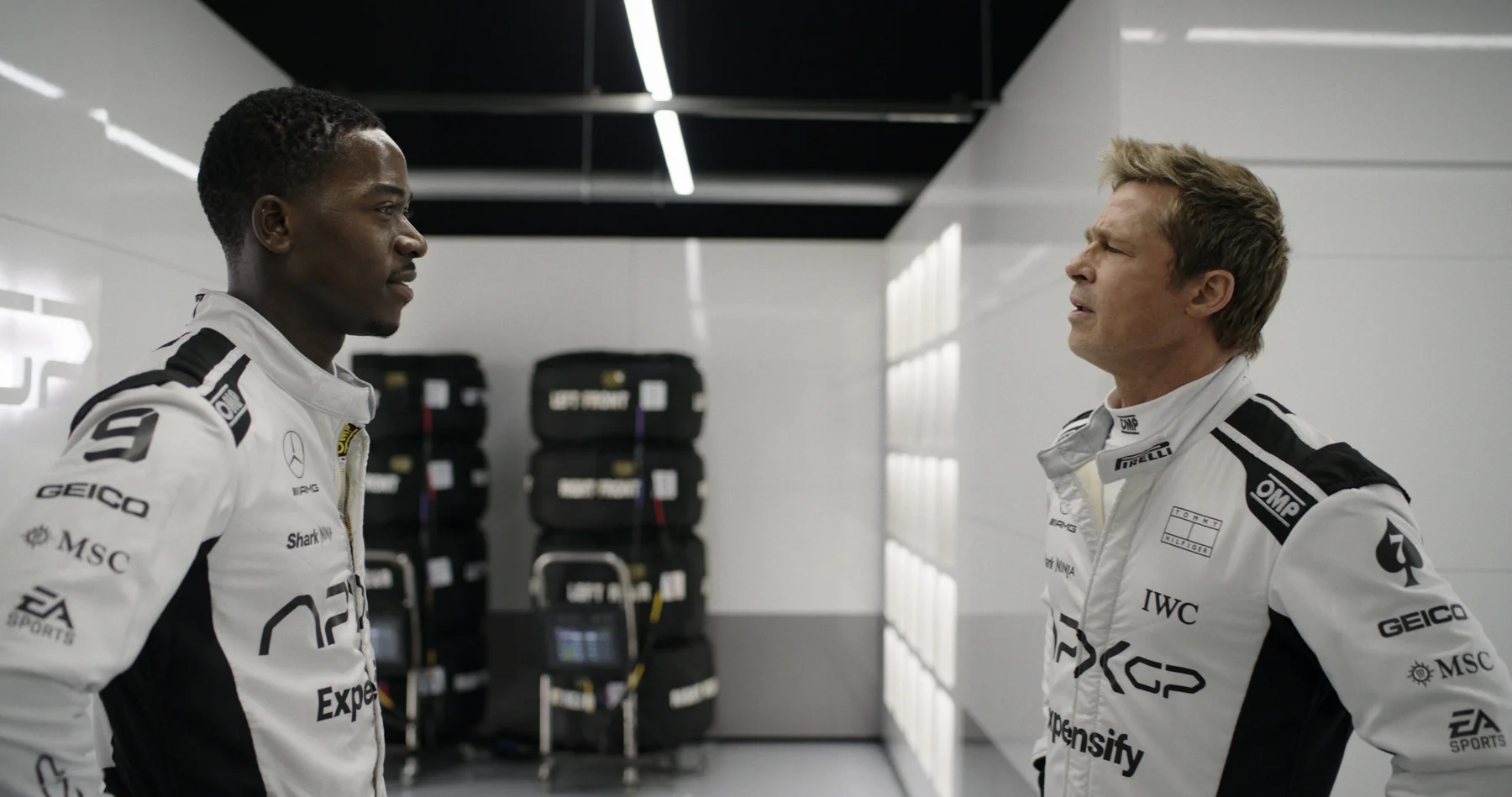
That included the way the cars shift under pressure, the way sound changes depending on position and speed, and the way a Formula 1 car feels from both inside and outside the cockpit.
Instead of using a single blanket sound effect for every racing moment, they built a layered experience that puts audiences right in the middle of the action.
That obsession with detail helped the movie feel more immersive than a lot of big-screen racing dramas, because the sound was not just there to support the visuals, it was doing its own storytelling.
This made it much bigger than just F1.
They used mind-blowing audio technology and engineering
Part of what made the whole thing so special was the collaboration behind it.
Lewis Hamilton was involved in helping the team capture what Formula 1 should actually sound like, while the filmmakers and sound engineers focused on making every race sequence hit with maximum realism and emotion.
It all added up to something much bigger than loud engines and dramatic mixing.
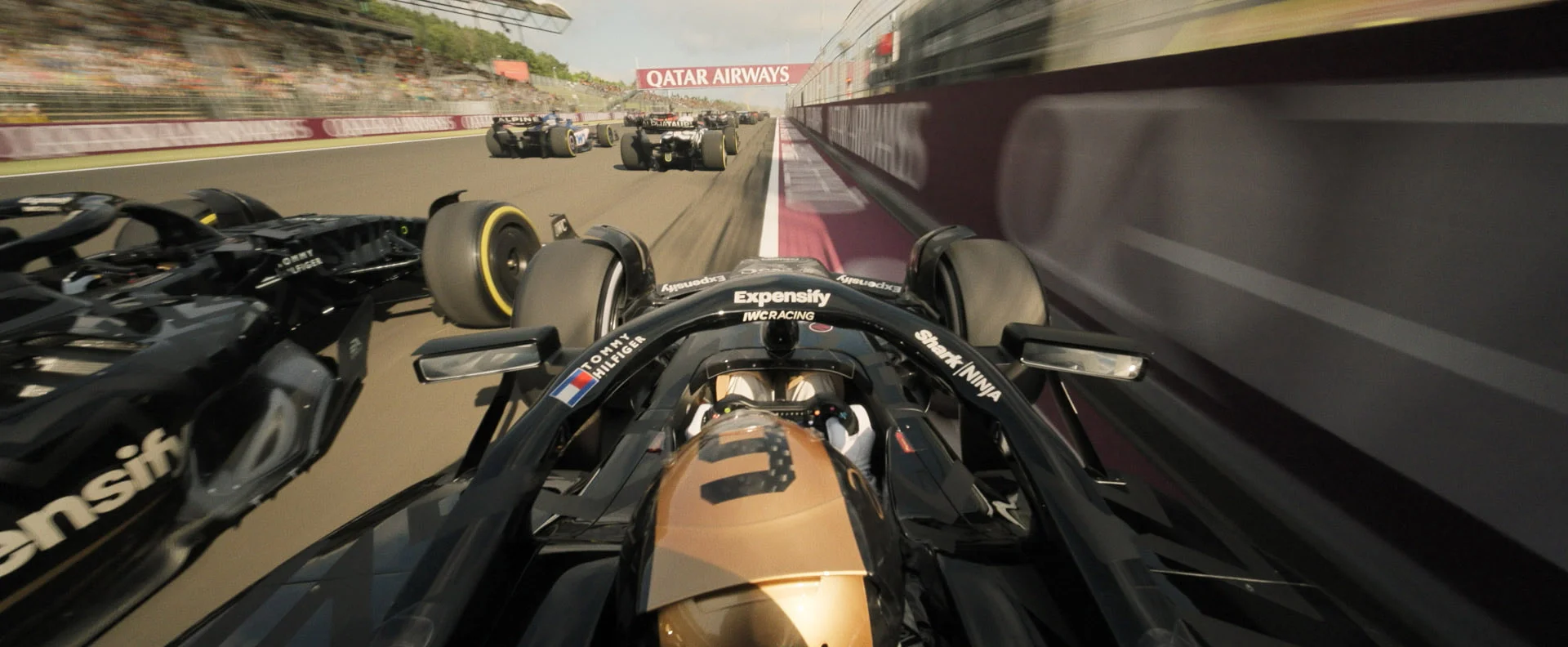
The sound team created a version of Formula 1 that felt polished, cinematic, and authentic all at once, so even F1 purists couldn’t point out inconsistencies.
So when the movie picked up the Oscar for sound design, it was not just for making the cars noisy; it was for turning audio technology engineering into pure big-screen adrenaline.
DISCOVER SBX CARS: The global premium car auction platform powered by Supercar Blondie