Woman travels to China to buy a $5,000 modular home in order to find out the real cost and what they're really like

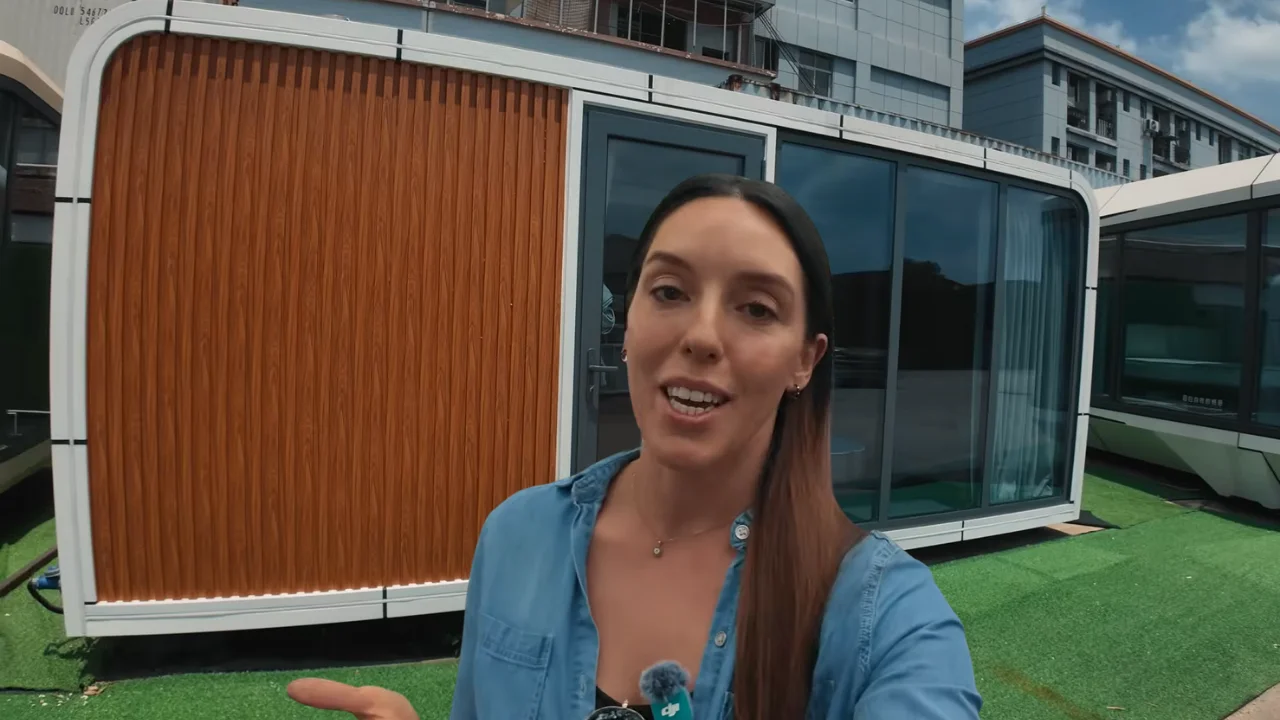

Modular homes with shockingly low price tags have flooded social media in recent years, leaving many people wondering if they’re actually legitimate, but it seems that China is at the forefront of the modular home boom.
One woman decided there was only one way to find out.
She traveled to Guangzhou, where many of the world’s prefab homes are manufactured, to see exactly what buyers get for their money.
What she discovered was that while a tiny home can cost as little as $5,000, the final price isn’t quite as straightforward as it first appears.
What do you really get with a $5,000 modular home?
It seems like the houses of the future aren’t even really houses to begin with.
YouTuber Nahana toured one of Guangzhou’s largest modular home factories to see the tiny homes that have become increasingly popular on social media.
The first surprise was just how many different types of homes were available.
The factory produced folding homes, detachable homes, expandable homes, and fully customized modular buildings designed for uses ranging from family homes to offices, Airbnb rentals, coffee shops, and emergency housing.
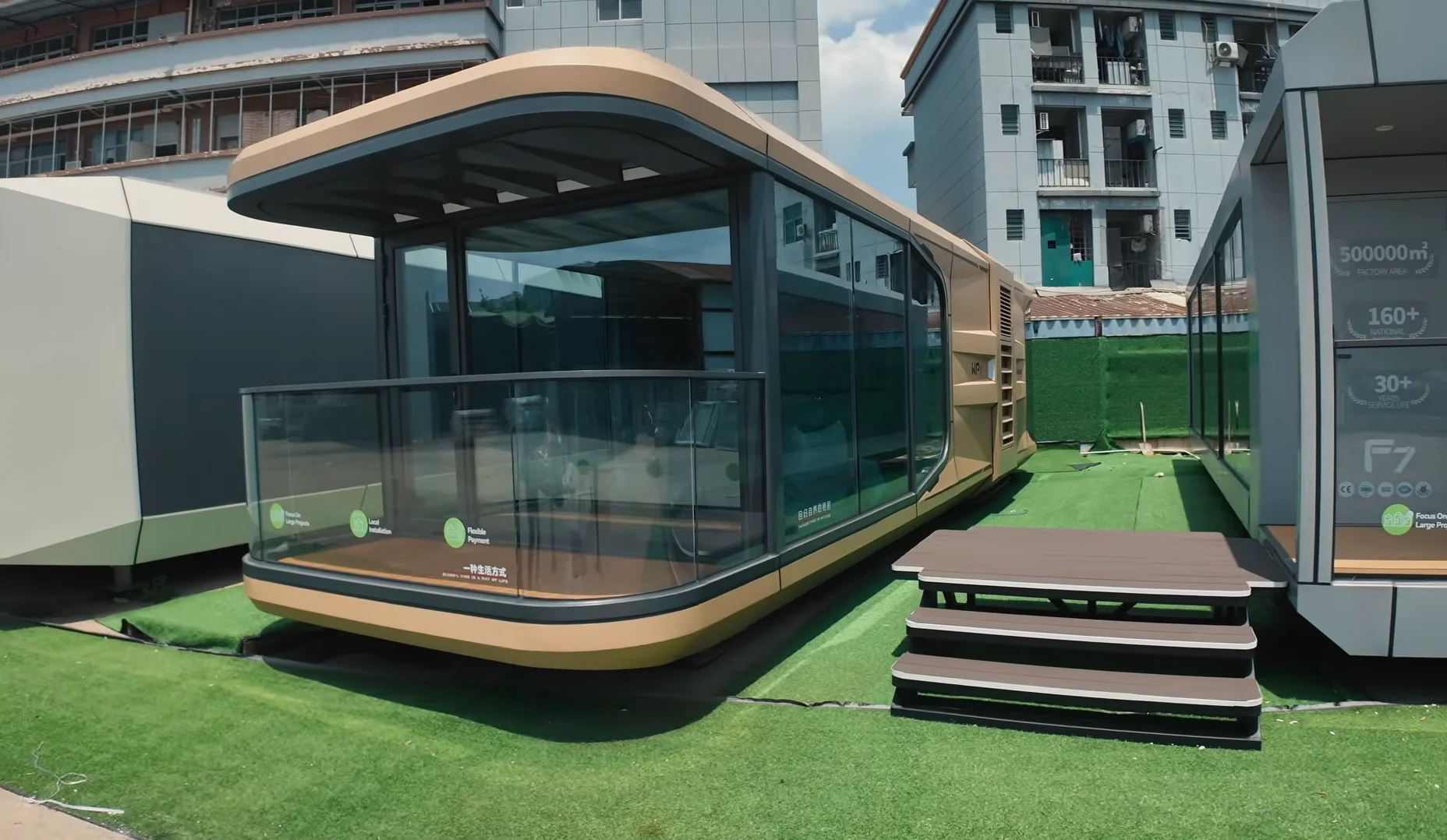
One of the smallest models measured around 18 square meters and carried a price tag of roughly $5,000.
Despite the relatively low cost, this tiny home came with much more than just four walls.
The factory representative explained that expandable homes arrive with flooring, electrical wiring, doors, windows, lighting, bathrooms, and even kitchens already installed.
Inside the display model, the YouTuber found a bedroom complete with a built-in wardrobe, a living room, a compact kitchen, and a surprisingly spacious bathroom fitted with a toilet, sink, shower, and mirror.
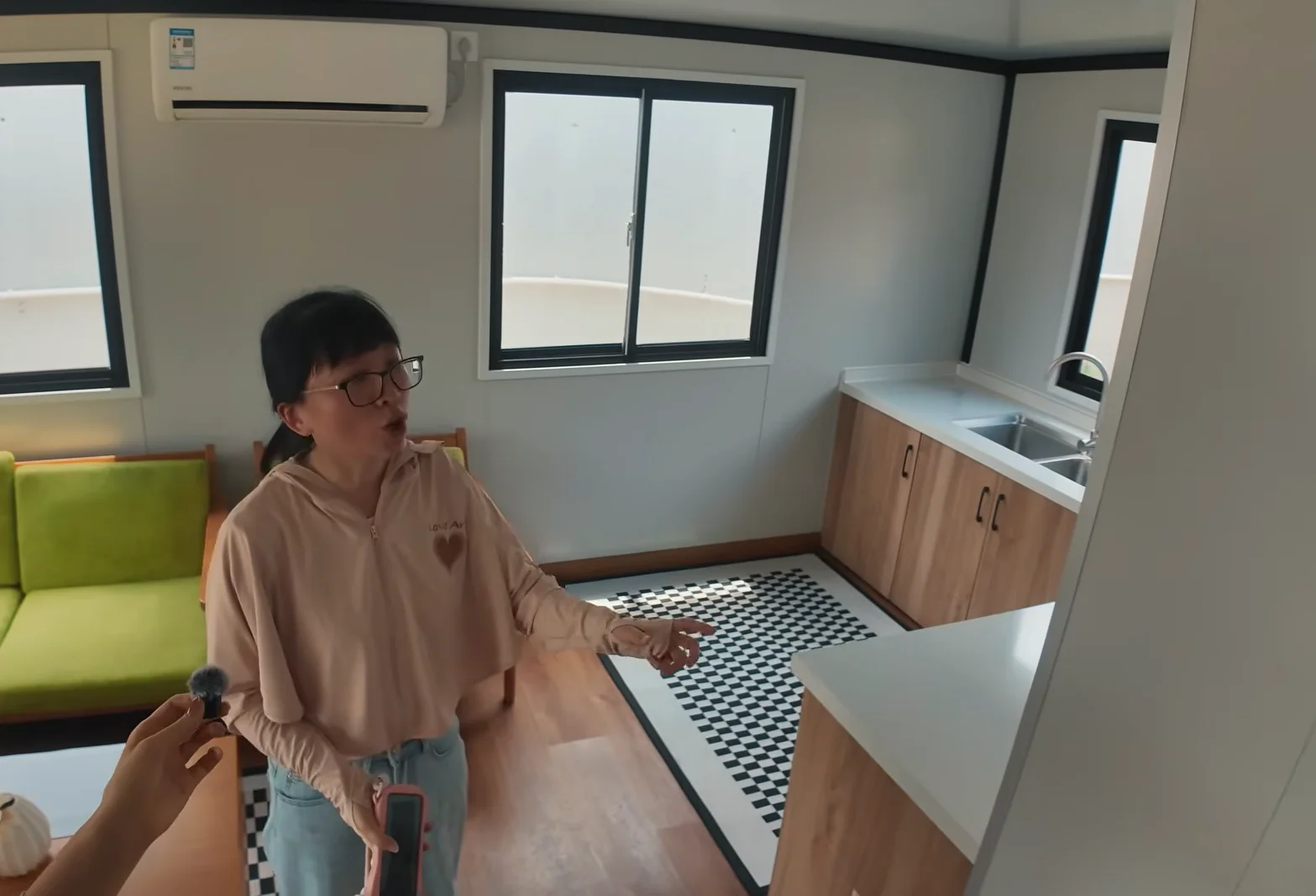
Larger versions offered up to three bedrooms, while layouts could be customized depending on the buyer’s requirements.
The company said standard expandable homes could be unfolded and assembled in around 30 minutes after arriving at their destination.
Related


The real cost goes beyond the price tag
Although the entry-level prices looked appealing, the woman at the factory was quick to point out that the sticker price isn’t the full story.
Shipping costs depend heavily on where the home is being delivered, container availability, and global freight conditions.
Some models also require specialist shipping containers, adding further expenses and labor costs also play a major role.
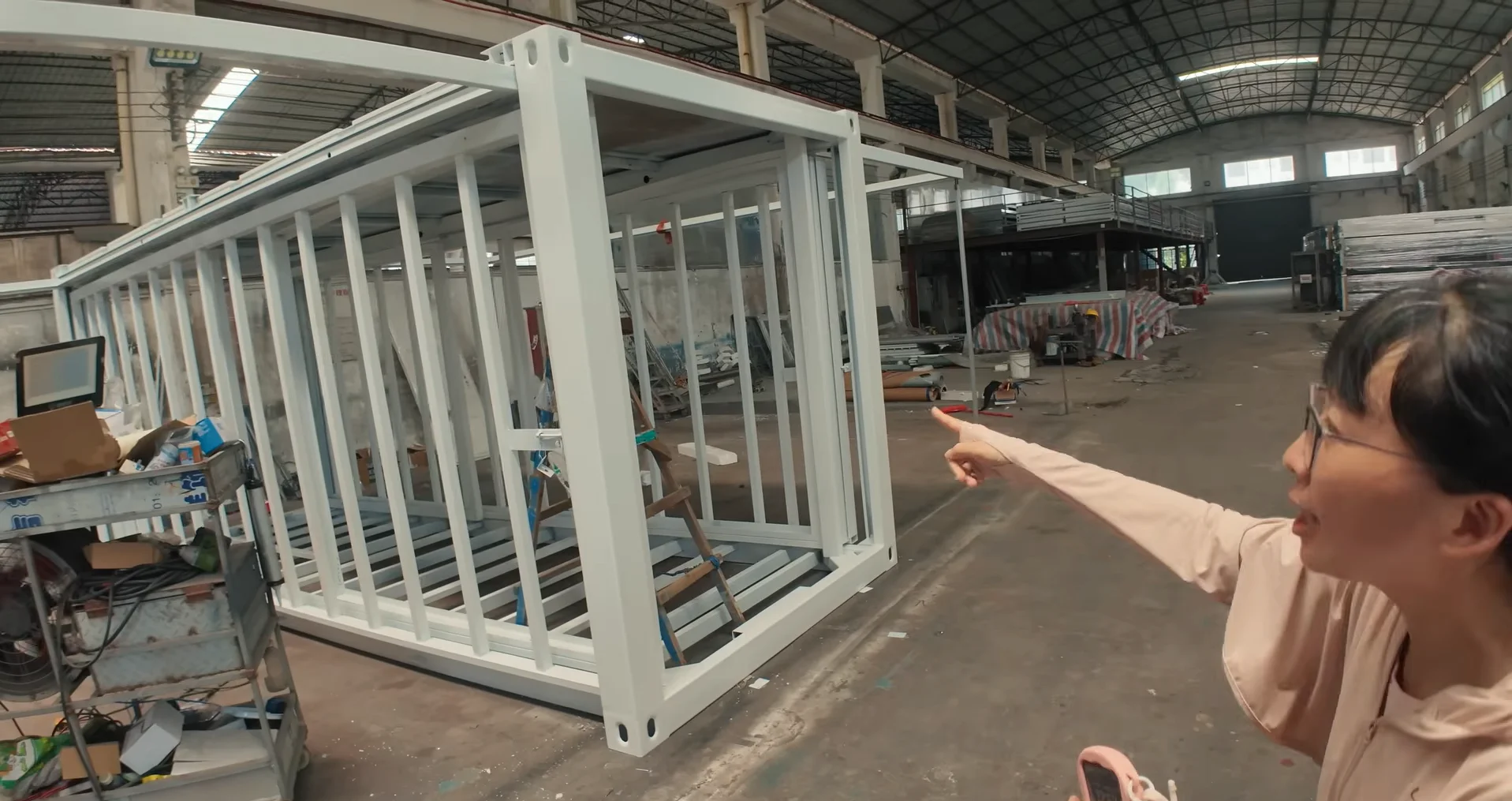
Detachable homes can be packed more efficiently into shipping containers, reducing transport costs, but they take longer to assemble once they arrive.
In countries with expensive labor, buyers often choose expandable or folding models instead because they require far less work on-site.
The company also emphasized that insulation, wall thickness, exterior finishes, and furniture can all increase the final price.
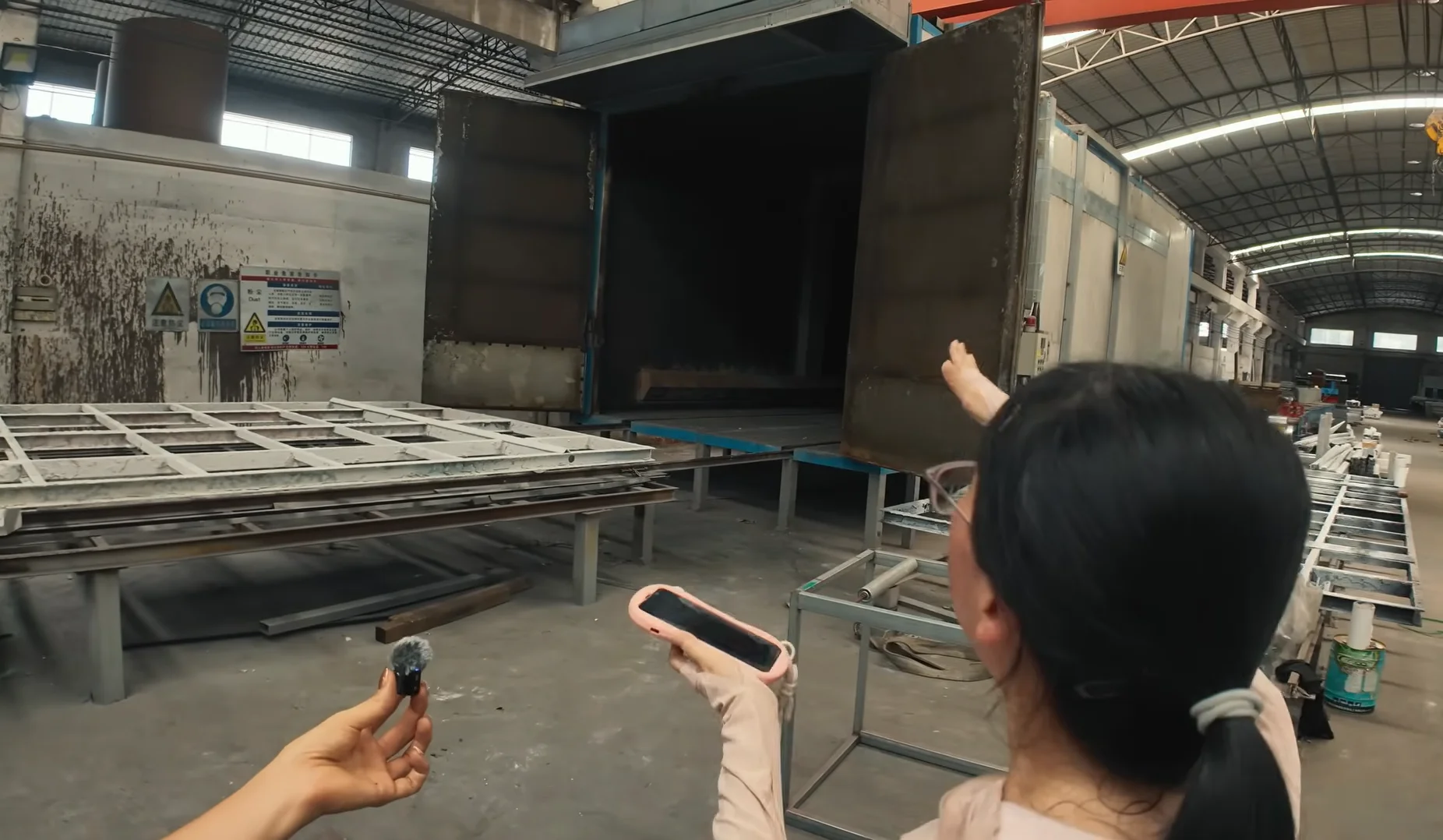
Homes destined for colder climates can be upgraded with thicker insulated wall panels and polyurethane insulation to improve thermal insulation.
The factory representative warned that some manufacturers compete by using thinner steel and lower-quality materials simply to advertise cheaper prices online.
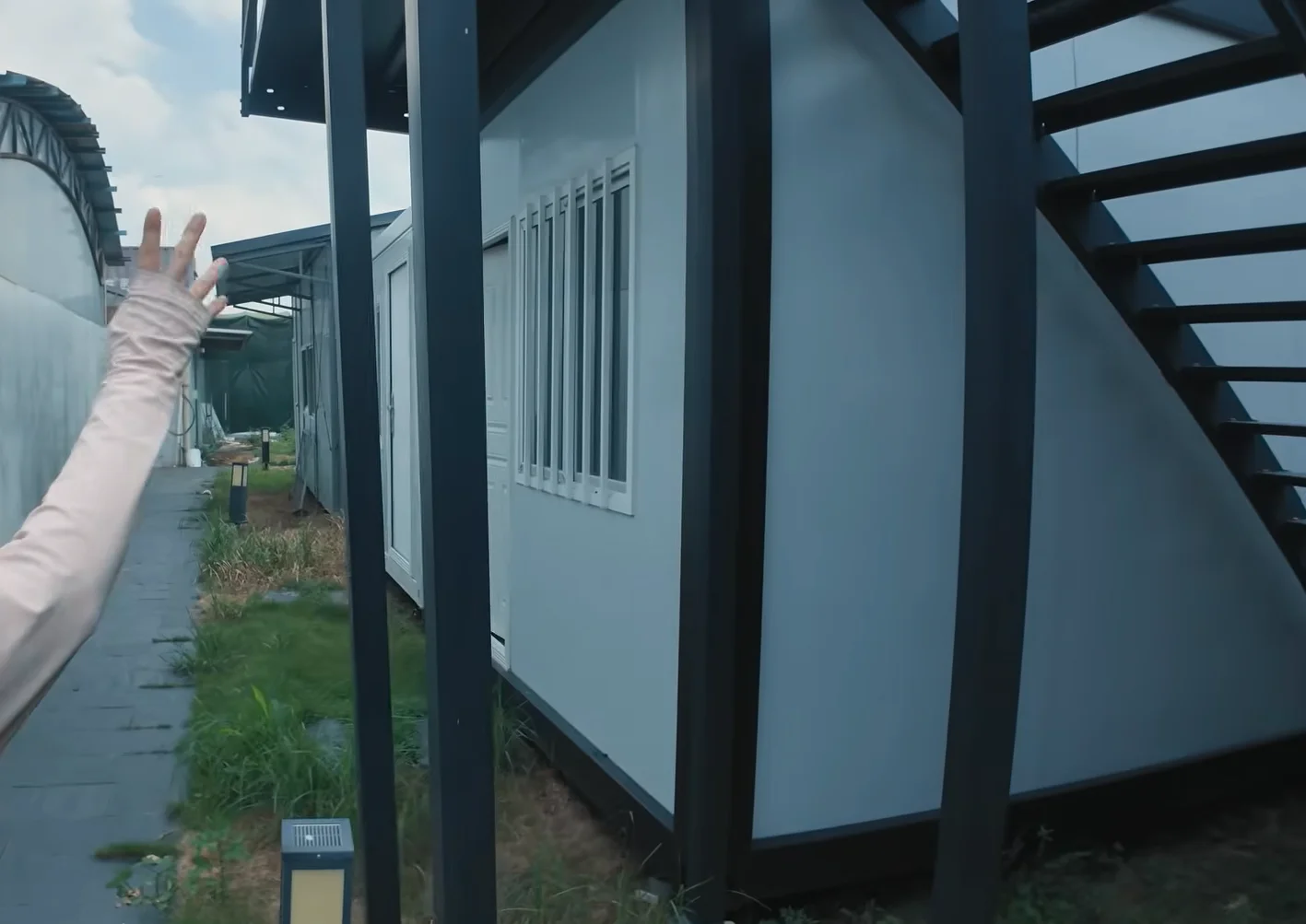
She even recalled a customer from Spain who chose a lower-priced supplier before receiving a damaged modular home with defects to the ceiling and exterior finish after it travelled from China.
Although she helped the customer repair the issues, she said it reinforced her belief that paying more for better construction often saves money in the long run.

For the YouTuber, the trip showed that while $5,000 modular homes are real, buyers should factor in shipping, customization, installation, and build quality before assuming they’re getting a complete home for that cheap price.
It just goes to show that if something seems to good to be true, it probably is.