The moon rotates so why have the Artemis II astronauts just became the first humans to see parts of the moon's far side
 Claire Reid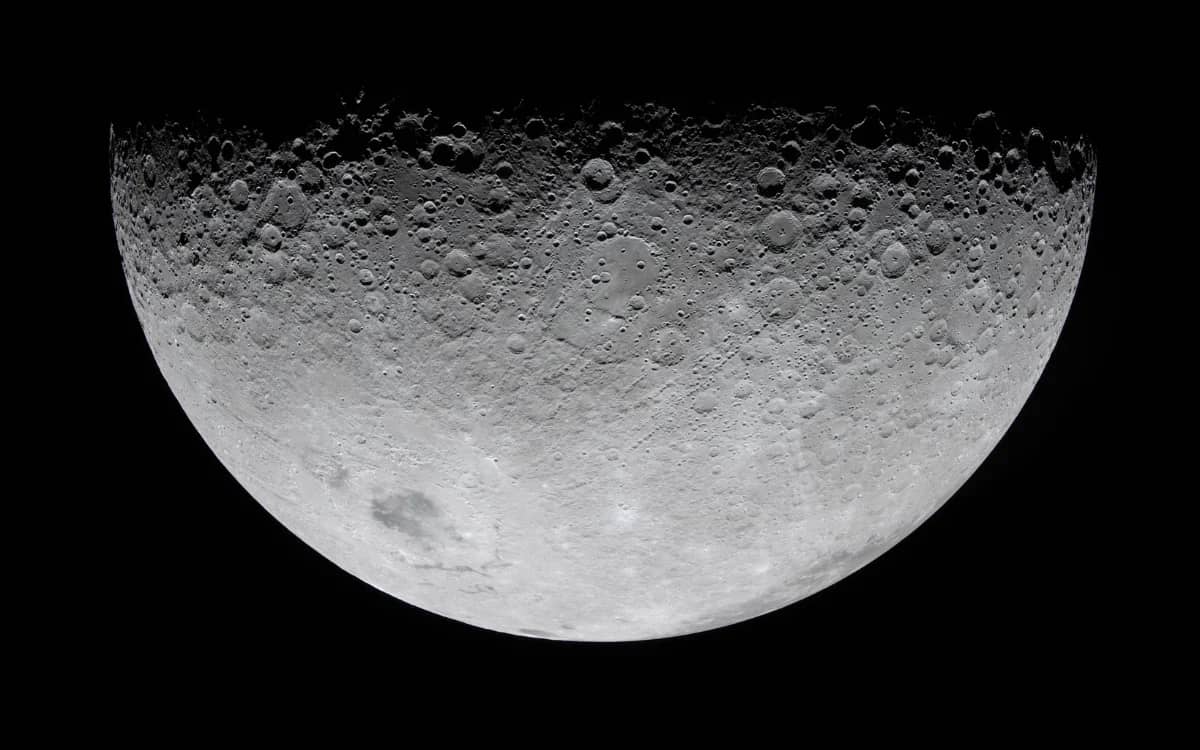
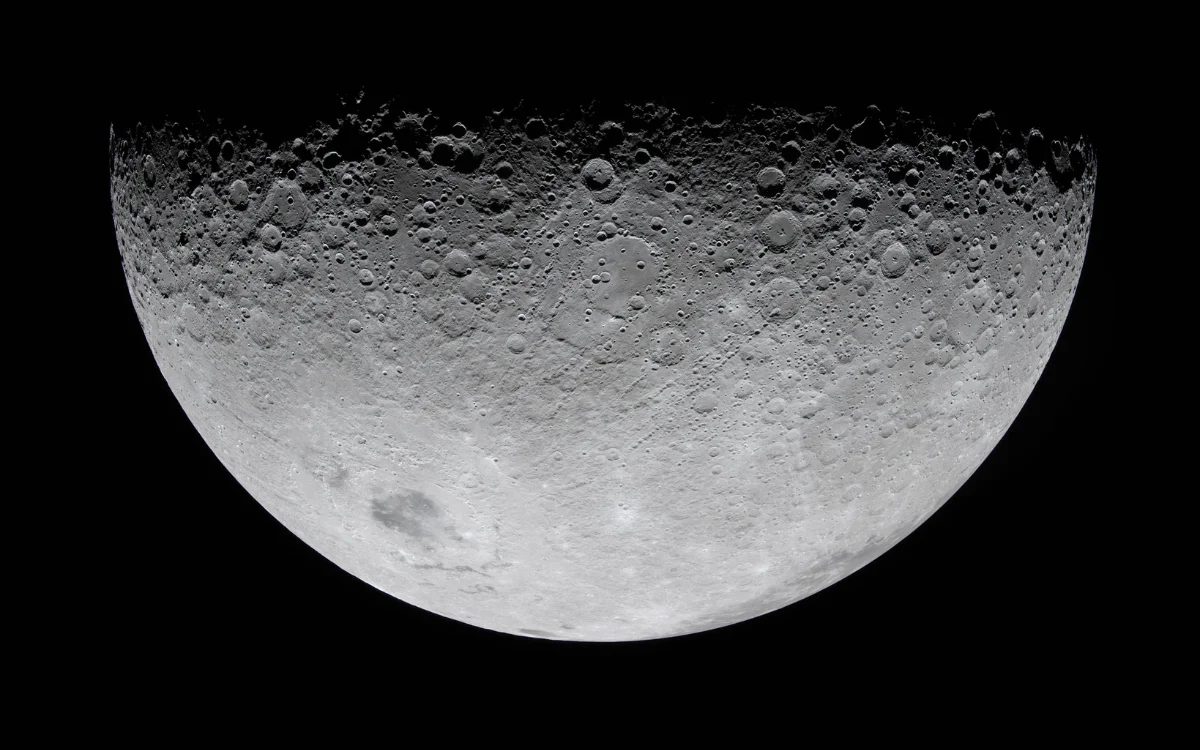

The Artemis II astronauts recently shared breathtaking images showcasing parts of the Moon that have never been seen by humans before.
The images were captured during a history-making seven-hour lunar flyby on April 6.
During the flyby, the team saw never-before-seen craters and got a look at the 600-mile-wide Mare Orientale in its entirety for the first time ever.
But, as we all learned in science class years ago, the Moon rotates, so how come we haven’t seen this side of it before?
NASA has explained why there’s a side of the Moon we don’t see from Earth
The Artemis II mission astronauts, NASA’s Reid Wiseman, Victor Glover, and Christina Hammock Koch, and the Canadian Space Agency’s Jeremy Hansen, have made history after flying further into space than any human has ever been.
Meanwhile, they were also the first people ever to see parts of the far side, or the dark side, of the Moon.
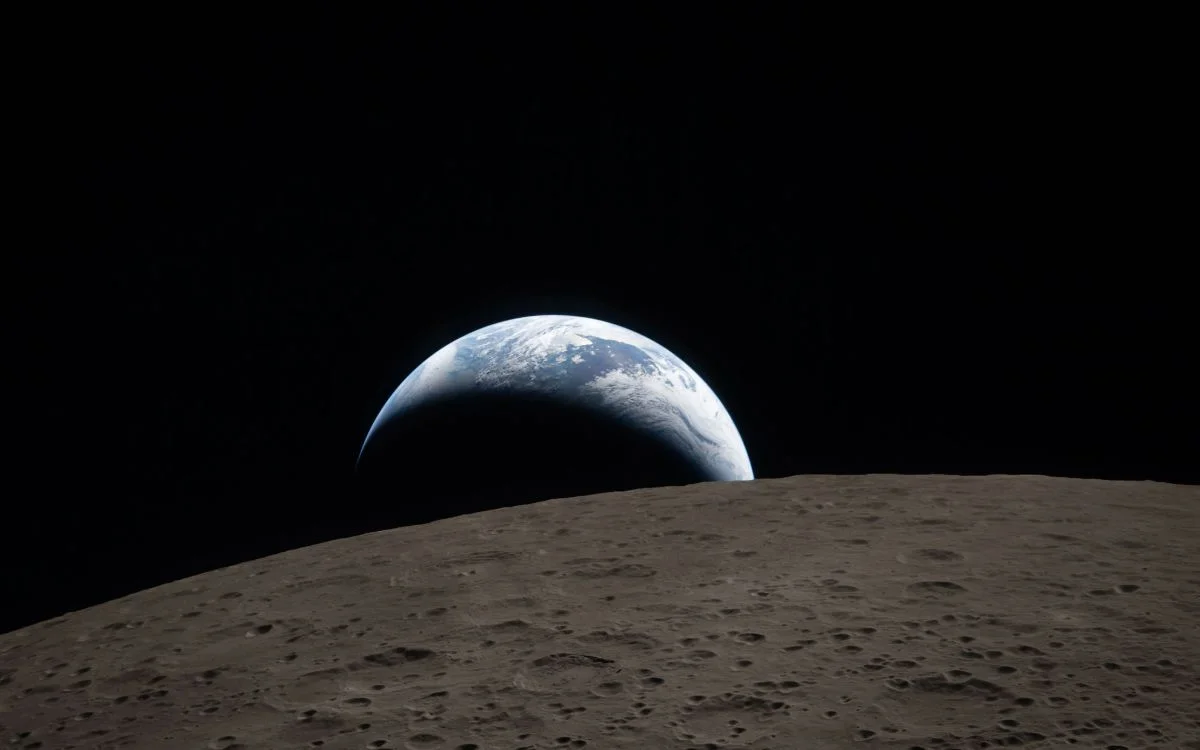
The team sent back images of the lunar far side earlier this week, and they were truly incredible.
“Our four Artemis II astronauts — Reid, Victor, Christina, and Jeremy — took humanity on an incredible journey around the Moon and brought back images so exquisite and brimming with science, they will inspire generations to come,” NASA’s Nicky Fox said.
These new images might have left you questioning why we can’t see it from Earth, given that the Moon rotates, but there’s a simple explanation.
“The same side of the Moon always faces an earthbound observer because the Moon’s orbital period is the same as its rotation around its axis,” NASA explains.
Put simply, the Moon rotates at the same speed at which it orbits the Earth, so we can only ever see one side of it.
It's not just a phase 🌕
— NASA (@NASA) April 8, 2026
Artemis II astronauts captured these views of the Moon as the Orion spacecraft flew around the far side of the Moon on April 6, 2026. pic.twitter.com/lT7245Gp28
“As a result, the Moon never turns its back to us, like a dancer circling ― but always facing ― its partner,” NASA said.
The phenomenon is known as ‘synchronous tidal locking,’ and it happens to all large moons throughout the solar system.
What did the Artemis II astronauts see on the far side of the Moon?
The Artemis II astronauts sent back some mind-blowing images from the lunar flyby.
Sharing detailed shots of never-before-seen craters and managing to capture a breathtaking ‘Earthset’ shot, as a nod to the iconic Apollo Earthrise photo.
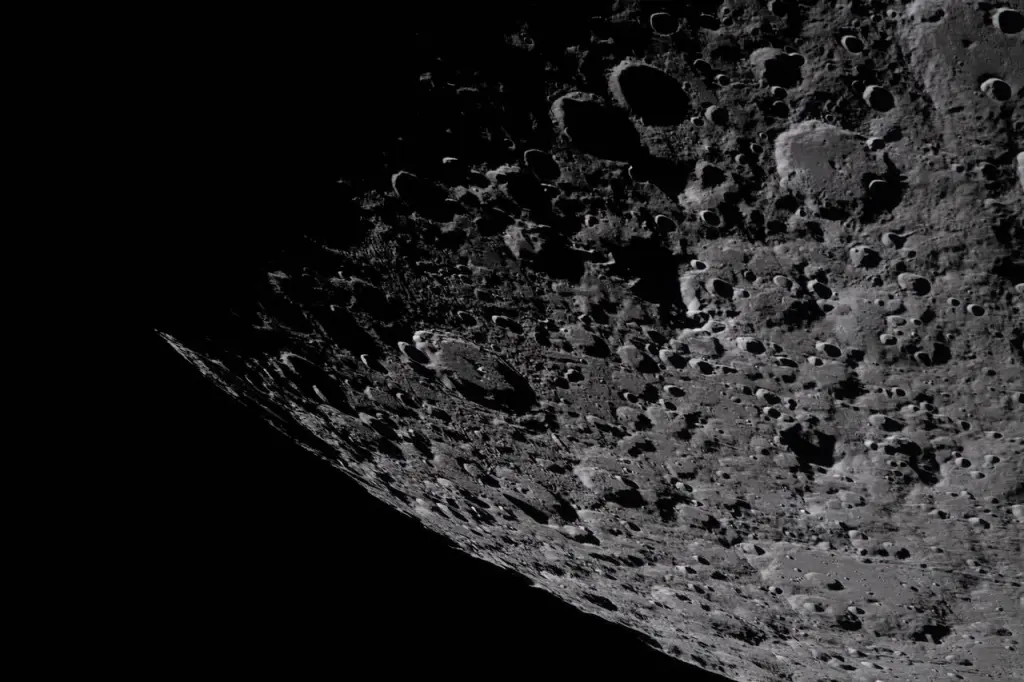
The team also witnessed asteroids hitting the Moon in real-time, making brand-new craters.
And the scientific voyage took an emotional and deeply human turn when the astronauts proposed naming a crater after the Wiseman’s late wife, Carroll, who sadly died in 2020.
“There’s a feature in a really neat place on the Moon, and it is on the near-side, far-side boundary,” astronaut Hansen said to mission control back on Earth.
“At certain times of the moon’s transit around Earth, we will be able to see this from Earth. It’s a bright spot on the moon.
“And we would like to call it Carroll.”
DISCOVER SBX CARS: The global premium car auction platform powered by Supercar Blondie
Follow topics and authors from this story to see more like this in your personalised homepage feed and to receive email updates.