Most weather apps are now powered by AI and most people have no idea how dramatically that has changed the forecast they are reading

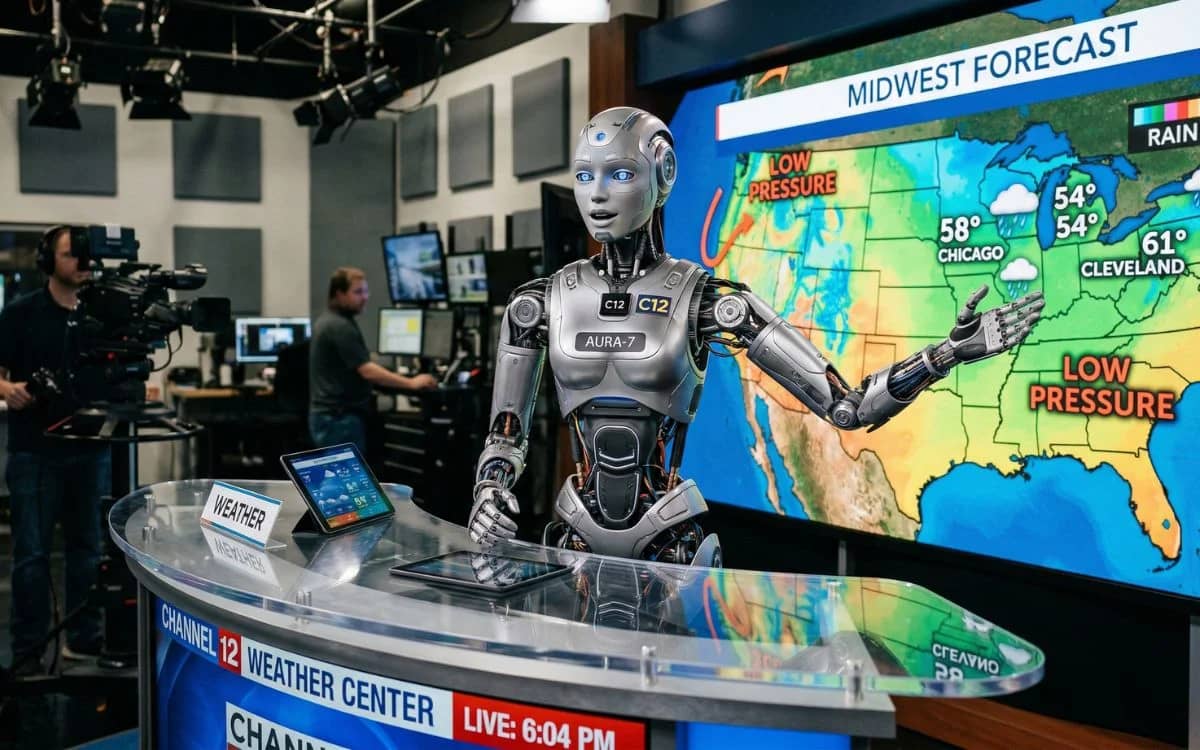
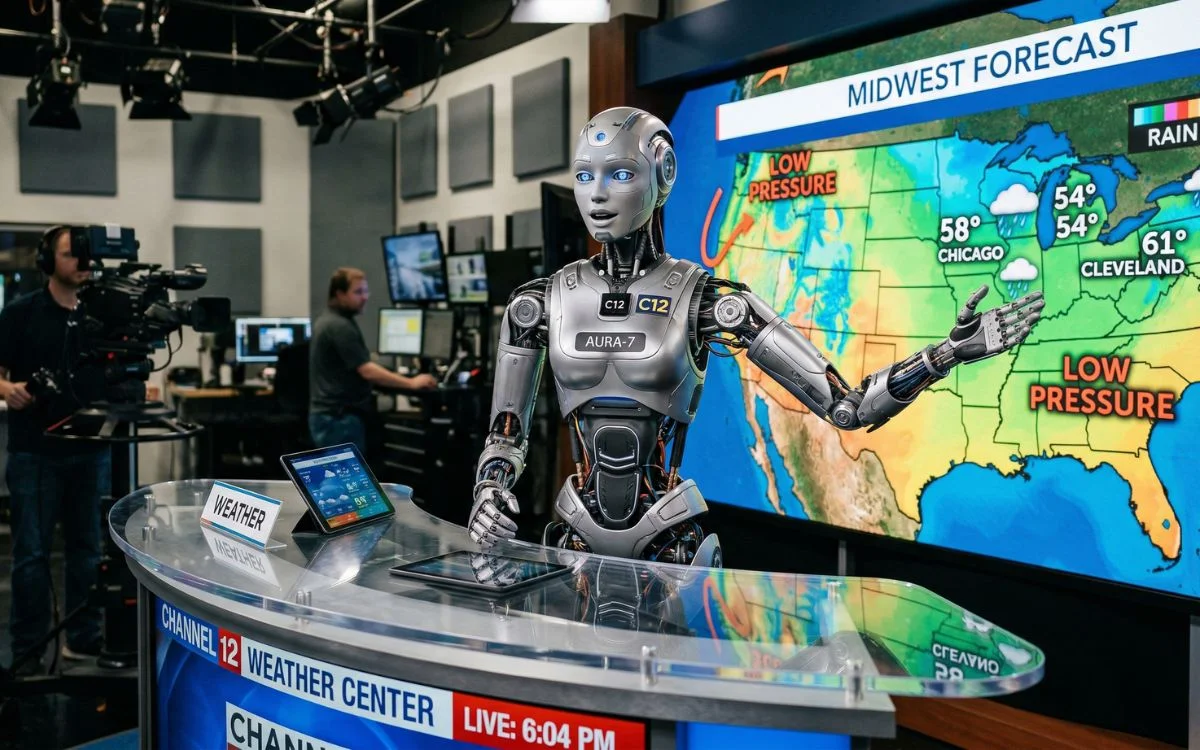

Nowadays, it sometimes feels like a bit of a gamble when you open your weather app, but that might be because most weather apps are powered by AI, and it might be changing the forecast you’re reading.
What looks like a simple little sun, cloud, or rain icon on your phone is now often the result of machine learning crunching giant amounts of atmospheric data faster than ever before.
That means the forecast you check before leaving the house is increasingly being shaped not just by meteorologists and traditional weather models, but by AI systems working behind the scenes.
And while that can make forecasts feel smarter, faster, and way more personalized, it also changes what weather apps are actually showing us.
Most weather apps are now powered by AI in different ways
For most people, a weather app feels like basic tech: open it, glance at the temperature, maybe check if rain is coming, and move on, but under the ‘hood’, a lot more is happening now.
The newest generation of weather apps uses AI to translate huge volumes of data from sources like satellites, radar, weather balloons, and government forecasting systems into something quicker and easier to understand.
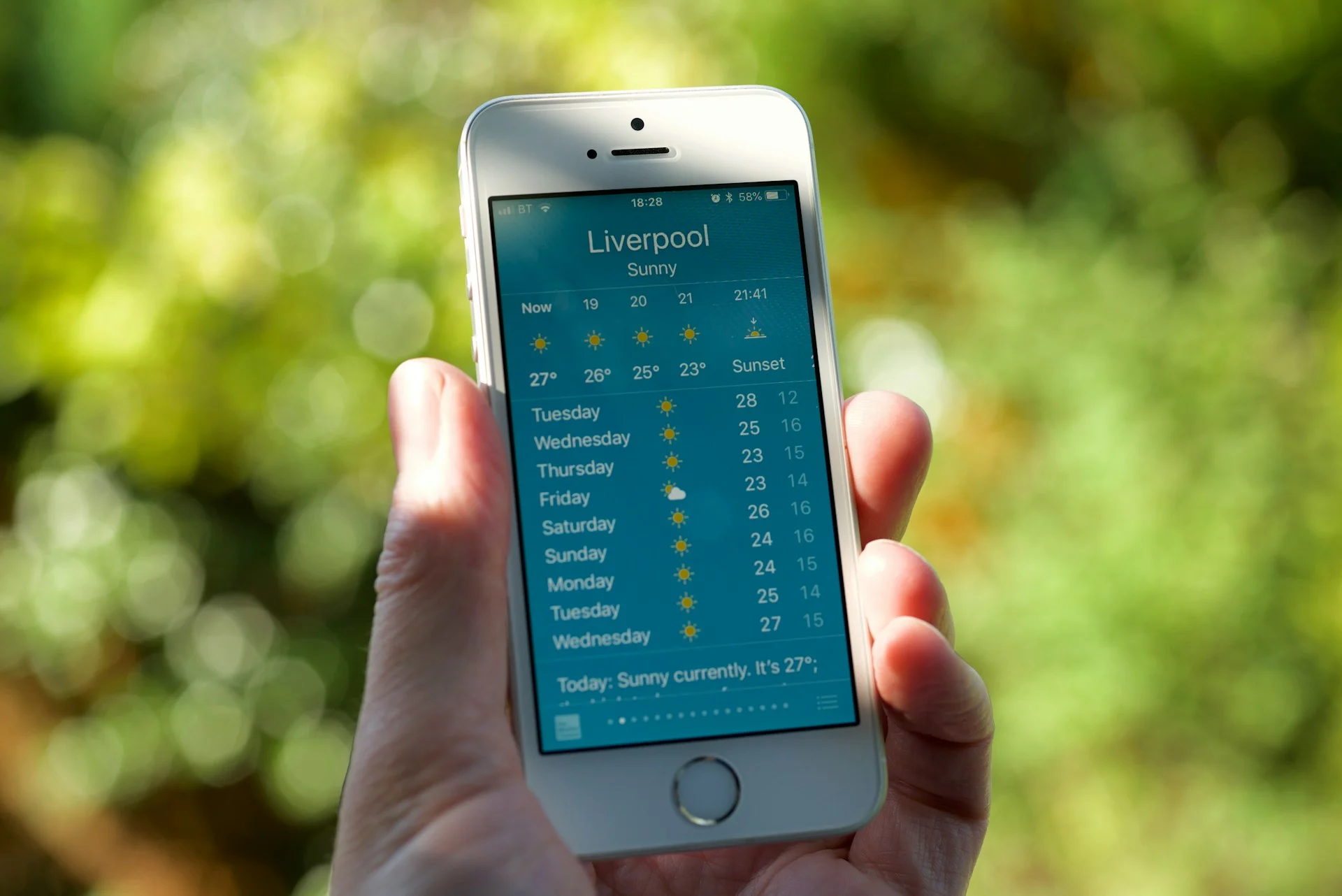
Instead of forcing users to decode complicated charts and maps, AI can now summarize what the weather means for your actual day, like whether it is a good time to walk the dog, head to the beach, or dodge a thunderstorm on your commute.
That’s a huge deal, because weather apps are no longer showing you just forecasts; they’re increasingly interpreting them for you.
This has changed the forecast people are reading
The biggest difference is not always that AI is inventing brand-new weather data, but that it’s changing how the forecast gets processed, packaged, and delivered.
Machine learning can help create predictions faster, sharpen maps, compare multiple models, and generate more tailored summaries based on your location, plans, and habits.
Some apps now even link forecasts to your calendar or give spoken weather briefings in different styles and voices, turning a standard forecast into something that feels almost like a personal assistant.
But there is a catch.
Weather forecasting still comes with uncertainty, and even the smartest AI cannot eliminate that.
In fact, one of the biggest questions now is whether these sleek AI-powered summaries make forecasts easier to understand, or just make people forget how messy and unpredictable weather really is.
So the next time your phone casually tells you rain is coming at 4pm, there is a good chance AI helped make that call.
DISCOVER SBX CARS: The global premium car auction platform powered by Supercar Blondie
Follow topics and authors from this story to see more like this in your personalised homepage feed and to receive email updates.