NASA and the US government are planning the ultimate off grid setup with a massive nuclear powered moon base

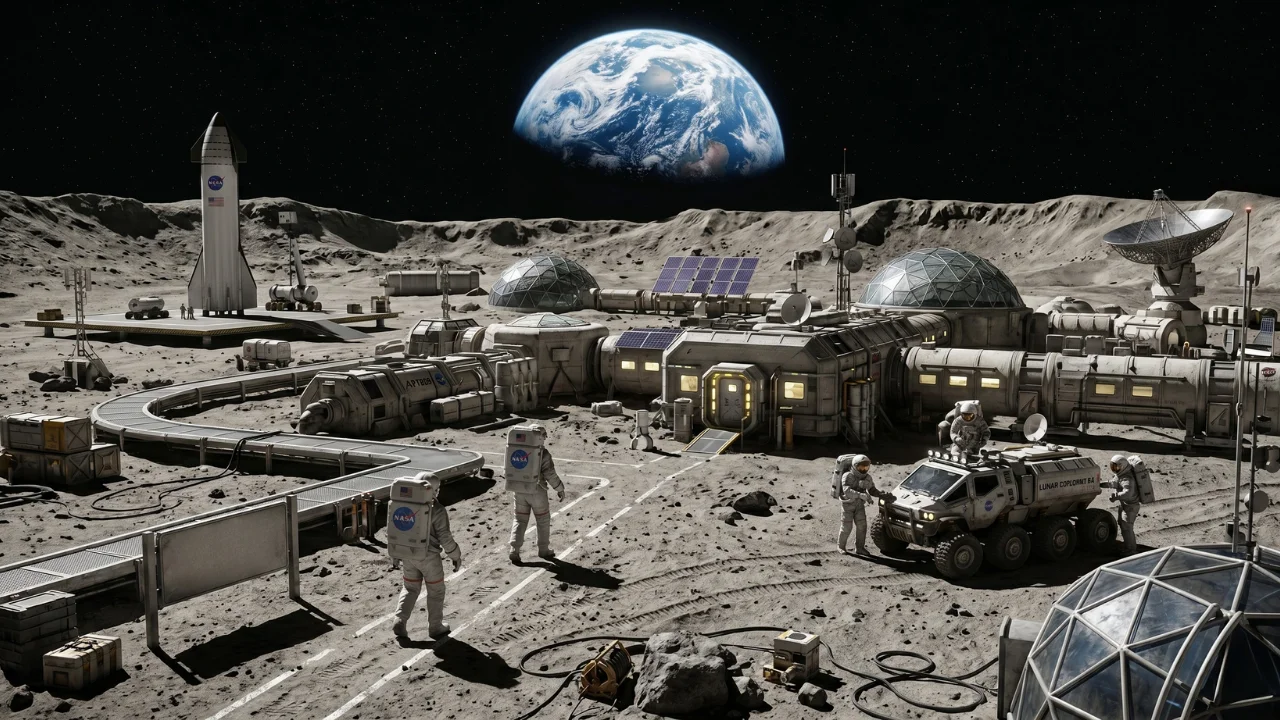

NASA is teaming up with the US government to build what might be the most ambitious off-grid setup ever attempted, a kind of nuclear-powered moon base.
Instead of relying on solar panels, the plan involves putting nuclear reactors directly on the Moon.
It sounds like a scene from The Martian, but the goal is very real and already in motion.
And if it works, it could power a permanent human presence beyond Earth.
NASA and the US government are planning a nuclear-powered moon base
One of the biggest problems with building a base on the Moon is power.
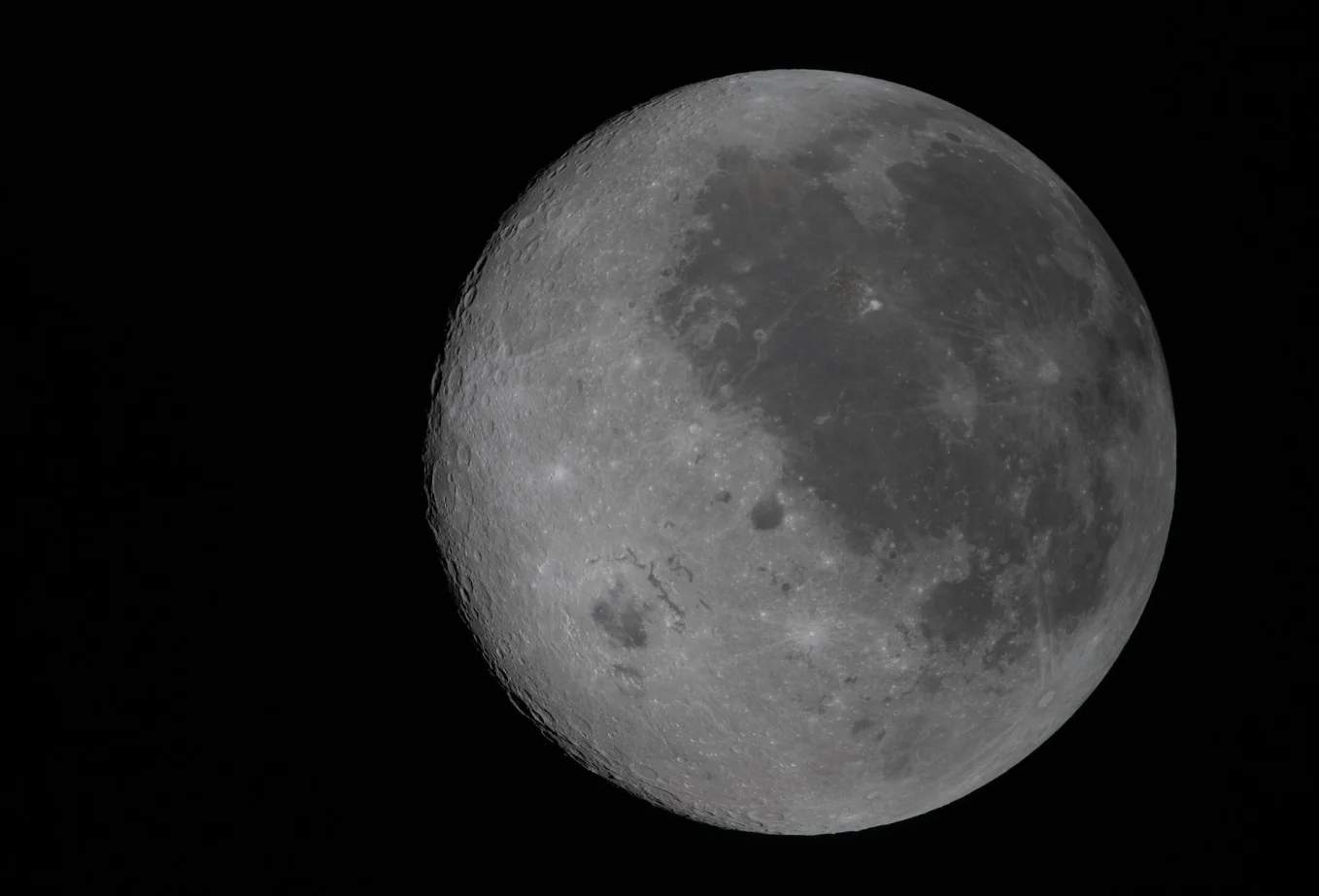
Unlike Earth, the Moon’s surface experiences extreme conditions, including nights that last around two weeks, making solar energy unreliable.
Which is where nuclear power comes in.
According to NASA and the US Department of Energy, they want to deploy a fission surface power system capable of producing continuous electricity regardless of sunlight.
“These systems would enable a sustained human presence on the Moon,” NASA said when outlining its plans for lunar surface power.
These reactors are designed to run for years without refueling and would provide stable energy for habitats, research stations, and even mining operations.
The idea isn’t entirely new either, with NASA previously testing small uranium-powered systems like Kilopower to prove the concept.
It could be happening sooner than you think
The timeline is surprisingly short.
Plans suggest the US wants to get a nuclear plan ready and in place within this decade, with a full-scale reactor potentially operating on the Moon base around 2030.
These systems could generate tens of kilowatts of power to support long-term missions and eventually scale up as infrastructure grows.
The reactors would also be built with safety in mind, using low-enriched uranium and passive cooling systems to minimise risk.
If successful, this wouldn’t just power a base; it could unlock everything from extracting water ice to producing fuel on the Moon itself.
In other words, it’s not just about surviving off-grid in space; it’s about building a fully self-sustaining space outpost, which feels straight out of Project Hail Mary.
A short lunar history
1958: NASA is founded and begins planning lunar exploration.
1961-1965: Ranger program captures first close-up images of the Moon before impact.
1966: Surveyor program achieves first US soft landings on the lunar surface.
1966-1967: Lunar Orbiter program maps the Moon to find landing sites.
1968: Apollo 8 becomes the first crewed mission to orbit the Moon.
1969: Apollo 11 lands the first humans on the Moon.
1969-1972: Apollo program completes six successful Moon landings.
1972: Apollo 17 marks the last human visit to the Moon.
1994: Clementine mission maps the surface and suggests presence of water ice.
1998: Lunar Prospector finds strong evidence of lunar ice.
2009: Lunar Reconnaissance Orbiter begins detailed mapping of the Moon.
2009: LCROSS mission confirms water ice on the Moon.
2022: Artemis I launches as part of NASA’s return-to-Moon plans.
Mid-2020s: Artemis program aims to return humans to the Moon.