NASA’s car-sized rover makes startling discovery on Mars
 Adam Gray

Apparently ancient Mars wasn’t just wet – it experienced momentous floods.
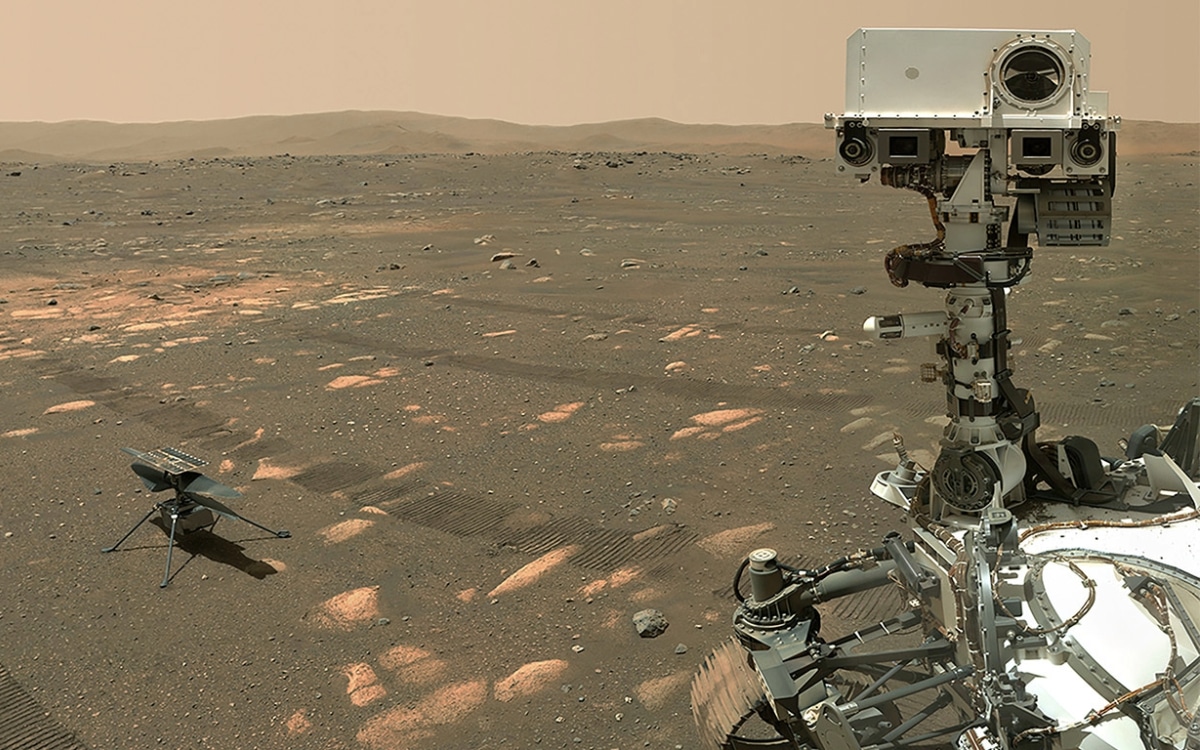
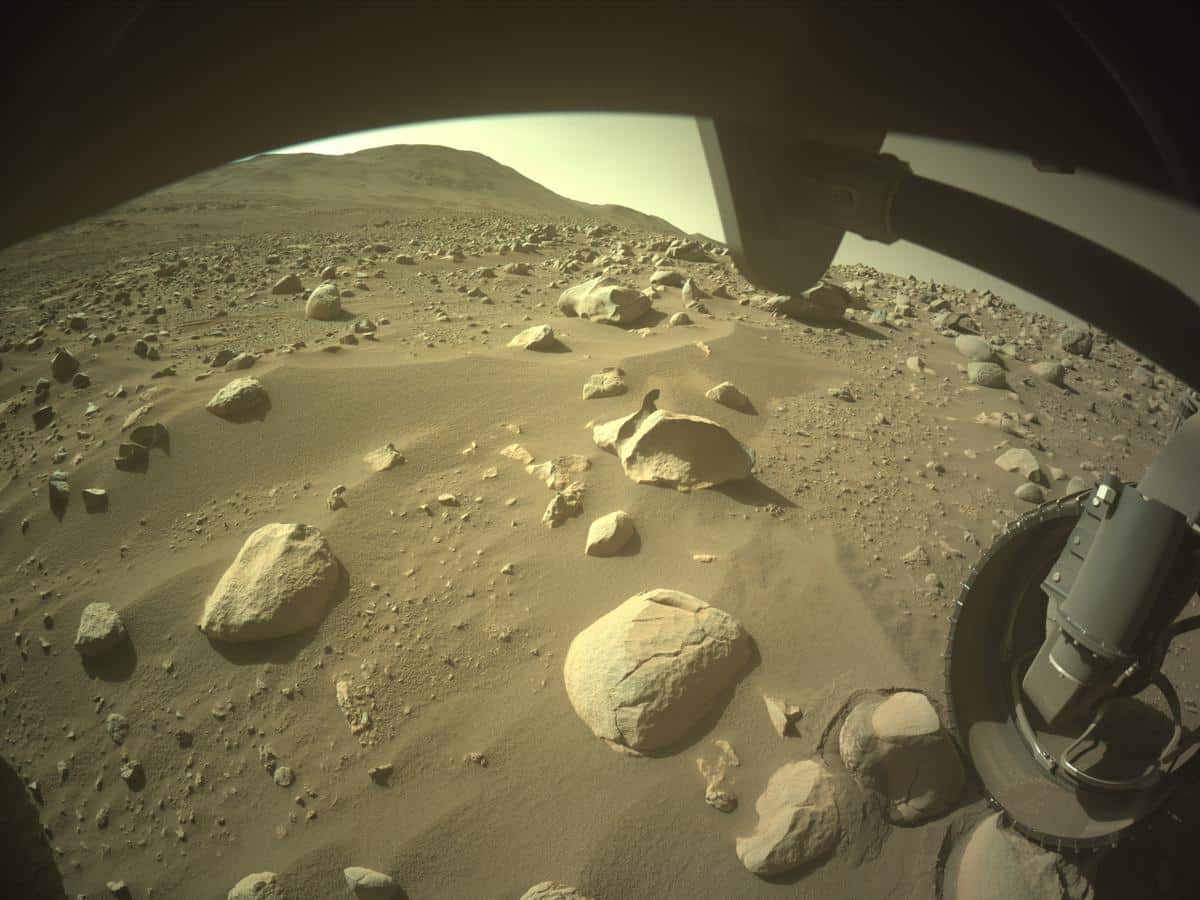
That’s what NASA has said, after releasing an image snapped by its car-sized rover, Perseverance.
The picture shows large, heavy boulders absolutely blanketing part of the Jezero Crater – a dried-up river delta.
READ MORE! First humans to reach Mars will travel on nuclear-powered spacecraft
“The rounded boulders seen here are believed to have been washed into Jezero Crater, which Perseverance is exploring, by strong flood waters billions of years ago,” a NASA statement read.
“This occurred during one of three major periods that scientists have identified in the development of the lake and river system that occupied Jezero in the ancient past.”
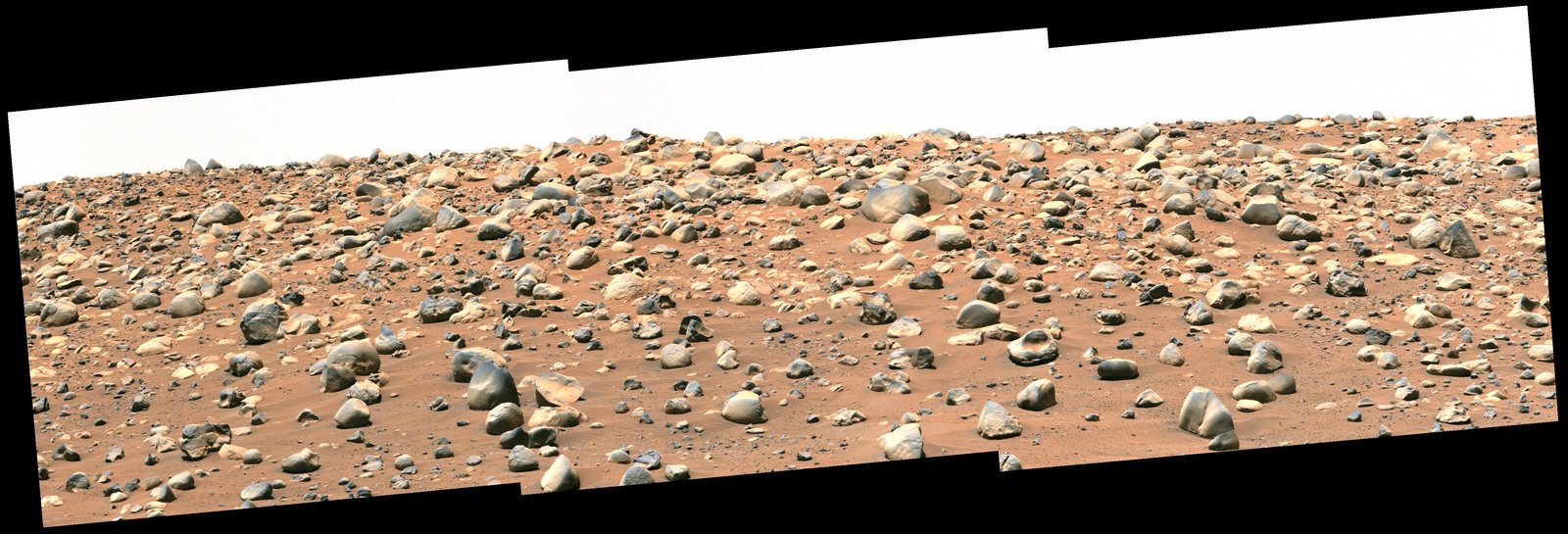
The rounded boulders (pictured above) are believed to have been washed into Jezero Crater, which Perseverance is exploring, by strong flood waters billions of years ago.
This occurred during one of three major periods that scientists have identified in the development of the lake and river system that occupied Jezero in the ancient past.
The mosaic is made up of three images that were stitched together after being sent back to Mars.
The image has been processed to improve contrast on the terrain.
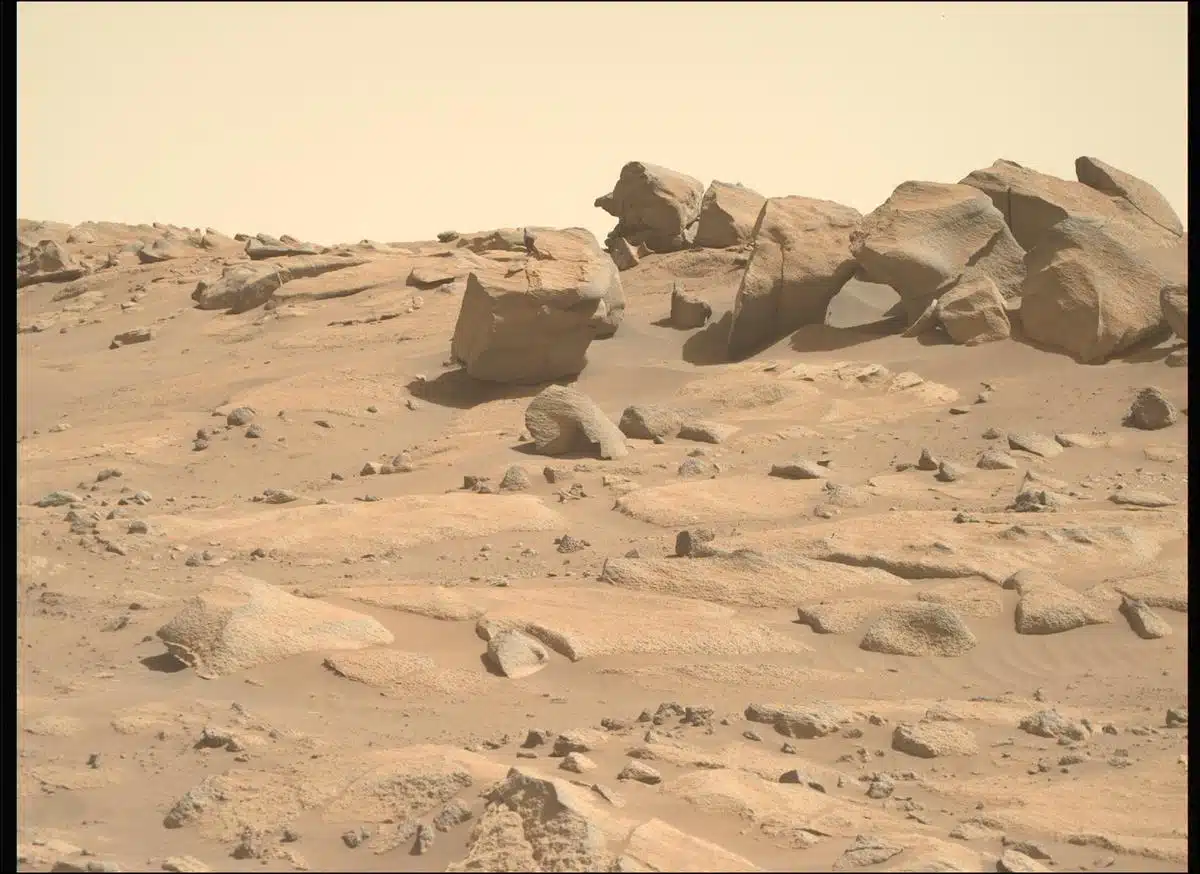
Ultimately, Perseverance has been sent to Mars to look out for potential signs of past life.
No evidence life existed has been found yet, but if microbes ever evolved on the Red Planet, the car-sized rover is looking in the right spot.
Apparently, Jezero once hosted streams, rovers, and a sprawling 22-mile-wide (35 kilometer) lake.
Just like how life does on earth, it’s entirely possible life could have thrived in the region’s wet soils.
Another reason Perseverance is on Mars is to collect pristine samples of the Martian surface.
NASA plans to closely scrutinize these rocks and soils, and whatever they may contain, up close.
“Subsequent NASA missions, in cooperation with ESA (European Space Agency), would send spacecraft to Mars to collect these sealed samples from the surface and return them to Earth for in-depth analysis,” the space agency said.
DISCOVER SBX CARS: The global premium car auction platform powered by Supercar Blondie
Follow topics and authors from this story to see more like this in your personalised homepage feed and to receive email updates.