NASA clarifies what the 'missing chunk' from the bottom of Artemis II was post-landing after images went viral
 Claire Reid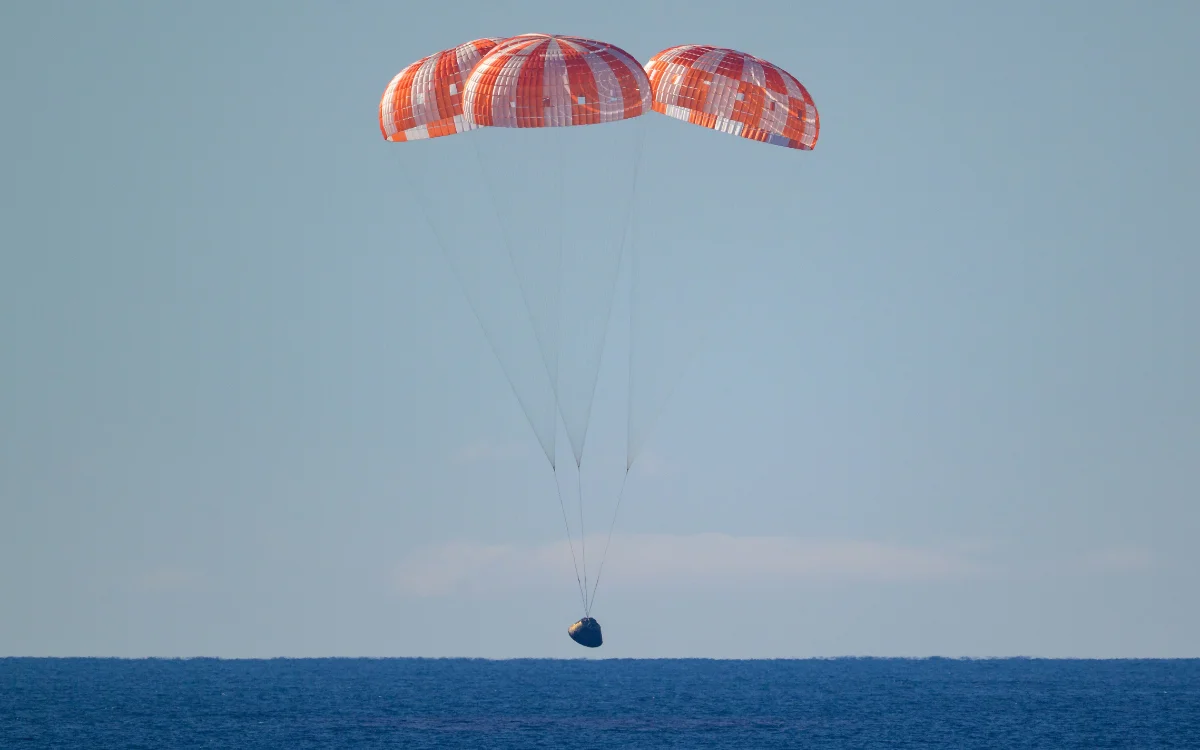

NASA has confirmed what the ‘missing chunk’ from the bottom of the Orion spacecraft was after the Artemis II mission safely returned to Earth.
If you watched the splashdown of the Artemis II mission on Friday, then you may have spotted what looked like some damage to the bottom of the Orion capsule.
Eagle-eyed social media users saw what looked like a large chunk of the spacecraft missing from the heat shield.
The suspected damage was seen following concerns that the heat shield for the spacecraft might not have been up to the job.
People were concerned after seeing what looked like a missing chunk out of the bottom of the Orion spacecraft
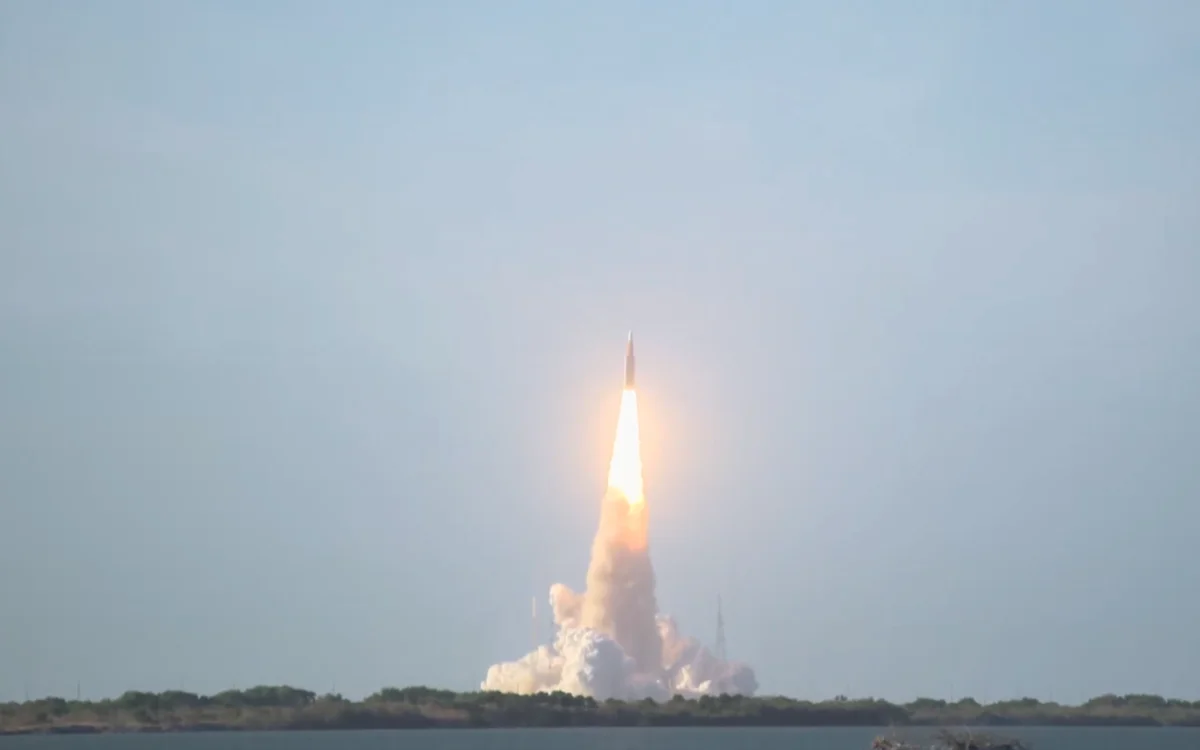
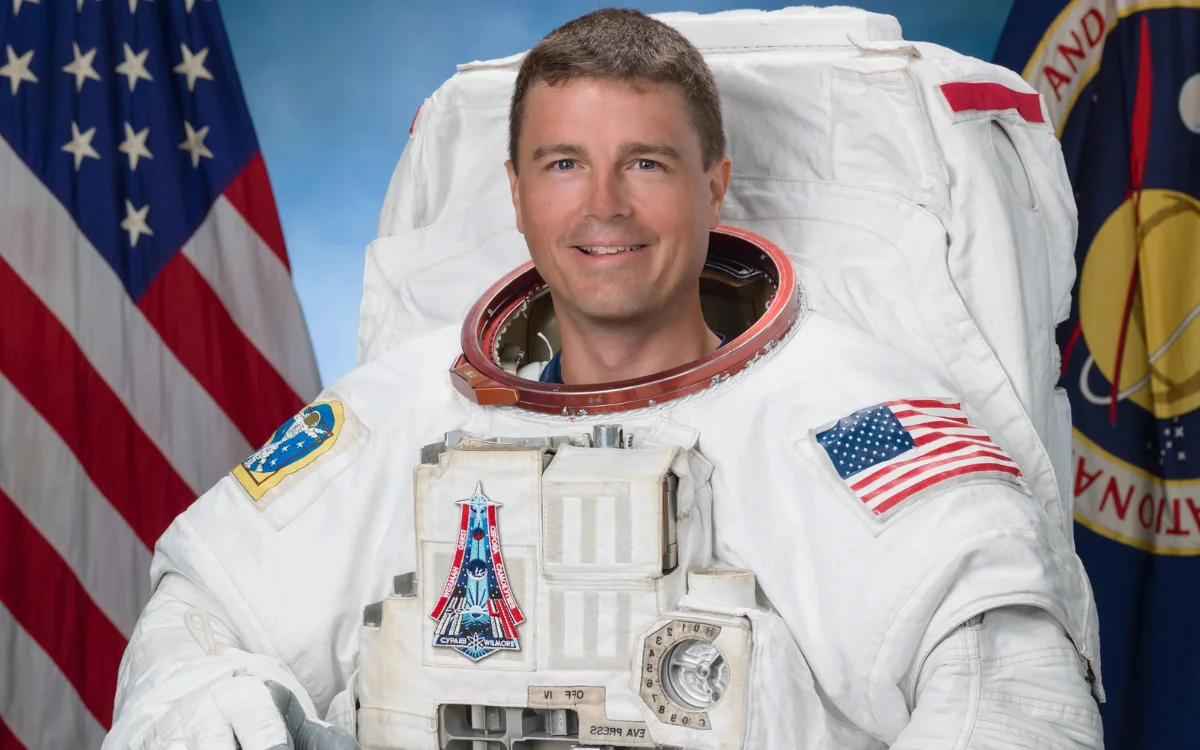
The Artemis II mission blasted off on April 1, with NASA’s Reid Wiseman, Victor Glover, Christina Koch, and Canadian astronaut Jeremy Hansen on board.
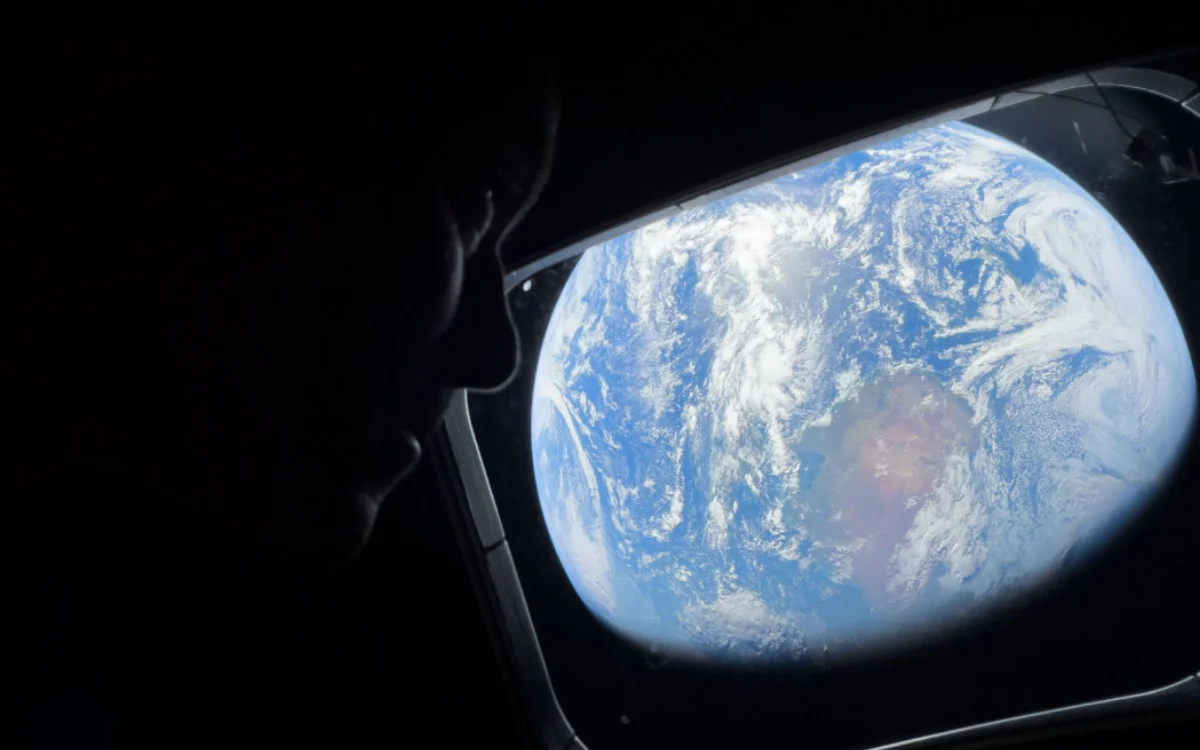
The team made history, after traveling further into space than anyone has ever been, and photographing parts of the dark side of the Moon that have never been seen before.
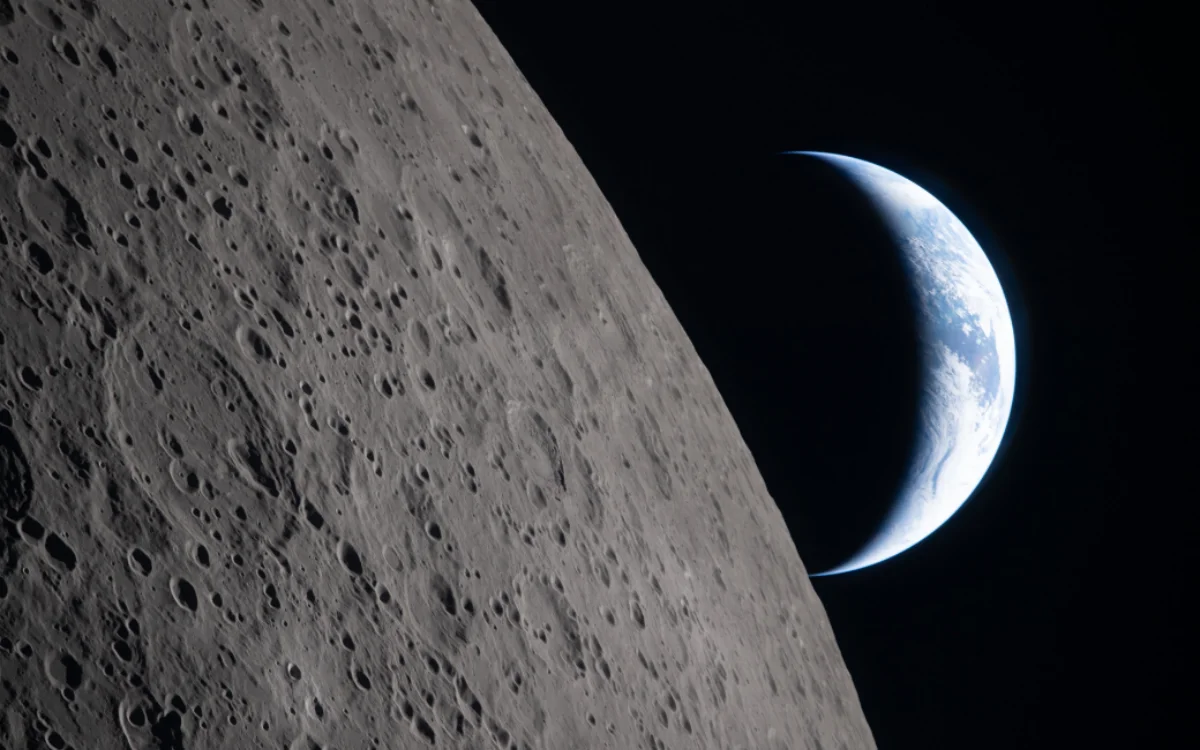
After 10 days, the mission drew to a close, and the Orion spacecraft hit speeds of up to 24,000mph as it returned to Earth last Friday.
Millions of people across the globe watched the Artemis II team splash down, but some were left concerned after seeing what looked like a chunk missing from underneath the Orion spacecraft.
However, NASA Administrator Jared Isaacsman has now confirmed what the images actually showed.
“As you would expect, engineers were eager to inspect the heat shield, starting with diver imagery shortly after splashdown and continuing with the review aboard the ship. No unexpected conditions were observed,” he wrote on X.
“I suspect when the images are released, it will be pretty obvious the stark difference between Artemis I and Artemis II head shield performance.
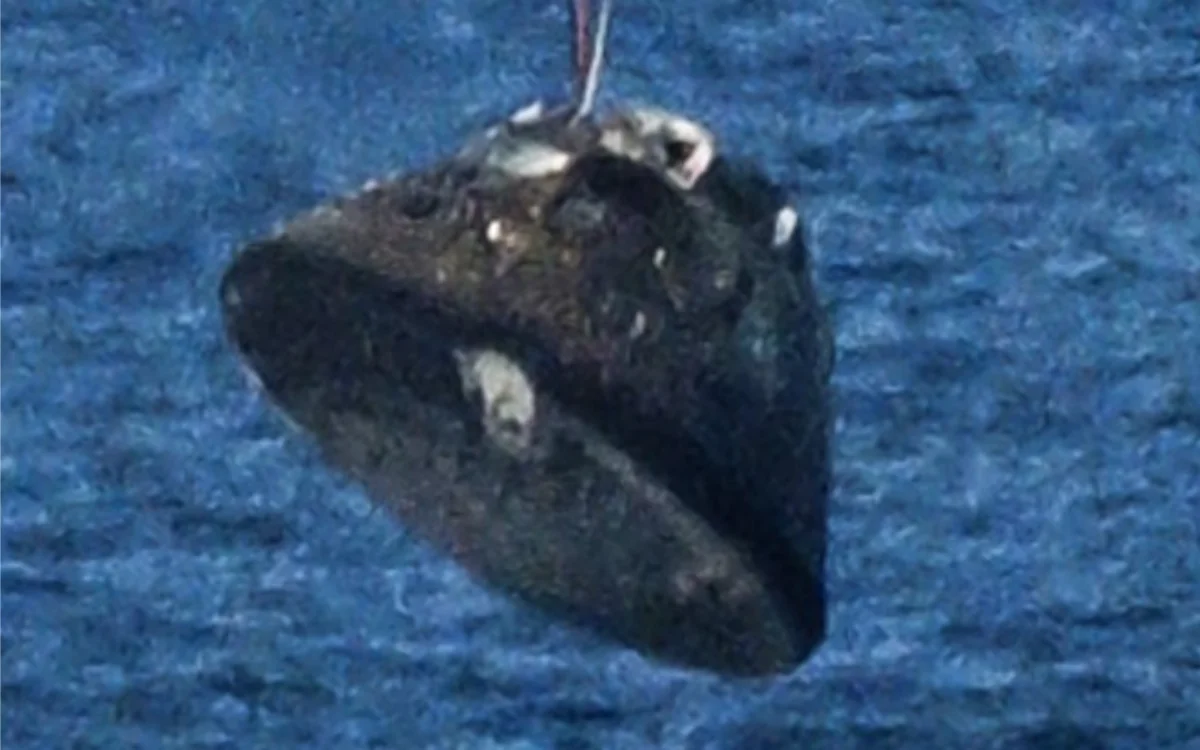
“The discoloration was not liberated material.
“The white color observed corresponds to the compression pad area and is consistent with the local geometry, AVOCAT byproducts, and transitional heating environments.
“We observed this behavior in arc jet testing and expected it in this compression pad area.”
Related
What’s next for NASA after the successful Artemis II mission?
The Artemis II mission is the first time humans have been out to the Moon in more than 50 years, and with the crew now safely back on Earth, NASA will be gearing up for its next challenge.
The US space agency wants to establish a permanent base on the lunar surface, with the Artemis II mission being an important step on that journey.
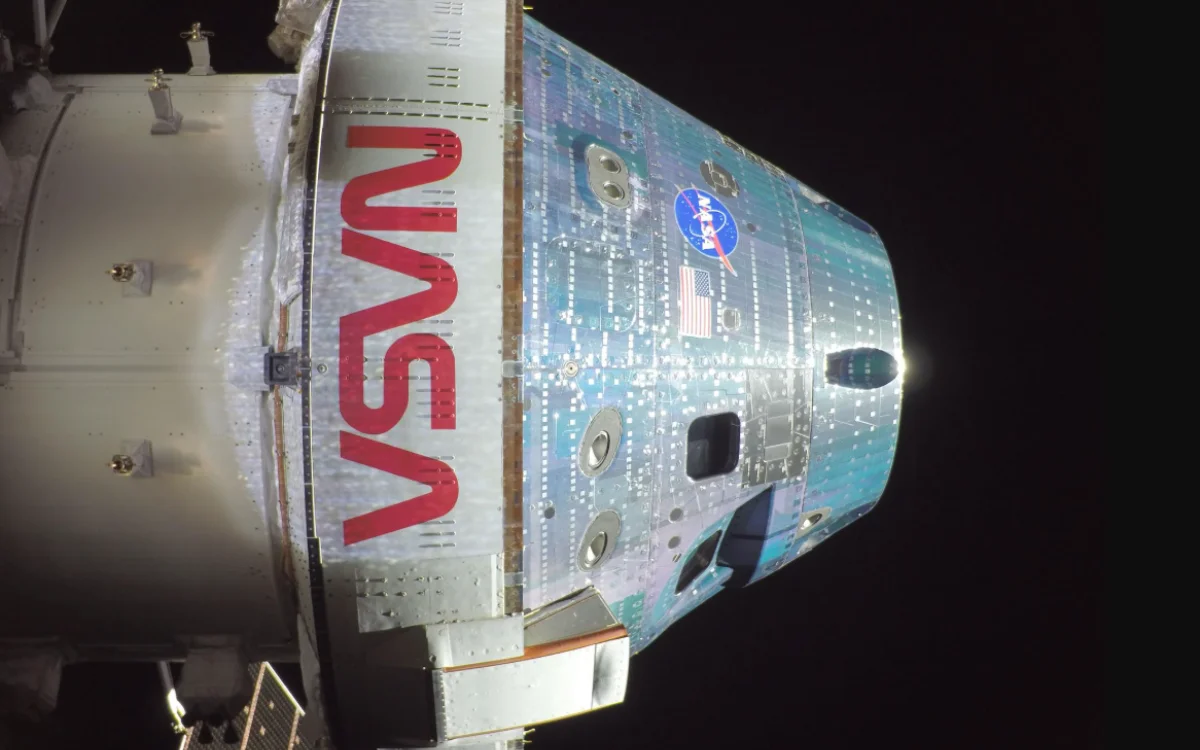
Next up is the Artemis III mission, scheduled for 2027, which will be used to test docking capabilities between the Orion spacecraft and commercial spacecraft, which is vital for landing astronauts on the Moon.
NASA is then targeting a potential launch date of early 2028 for Artemis IV, which would be the first crewed lunar landing since Apollo 17 all the way back in 1972.