NASA footage shows comet blowing up after getting too close to the sun
 Claire Reid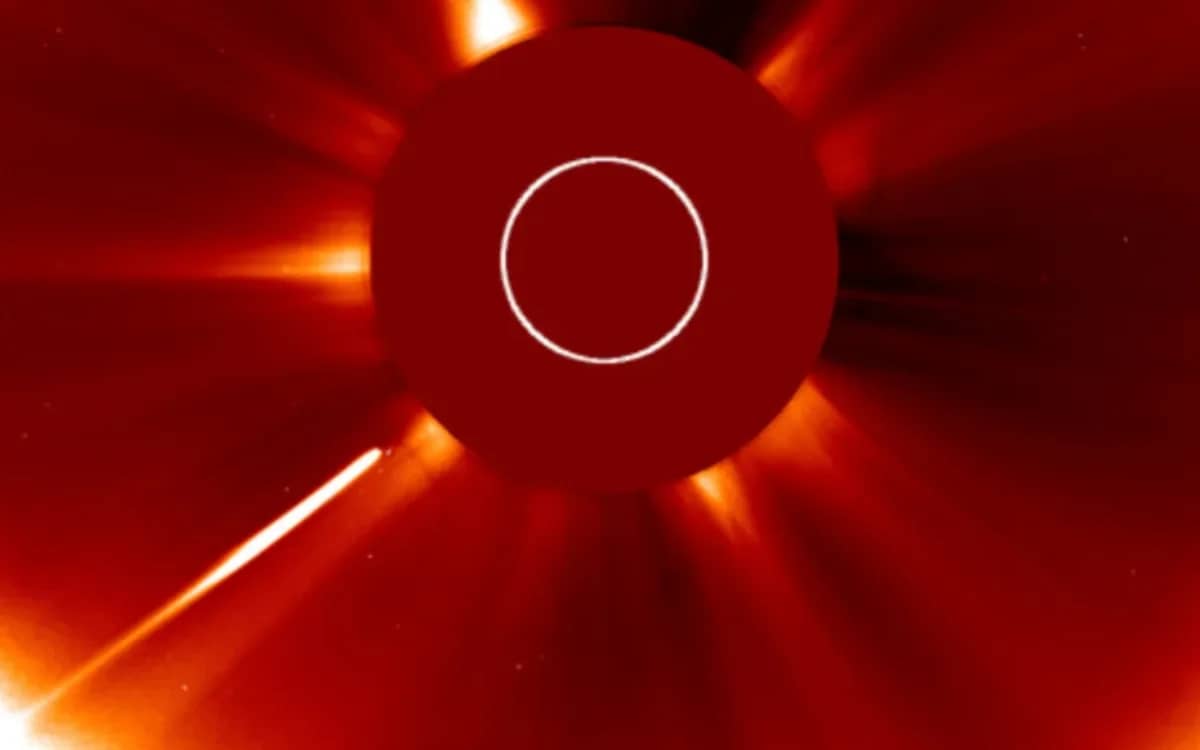
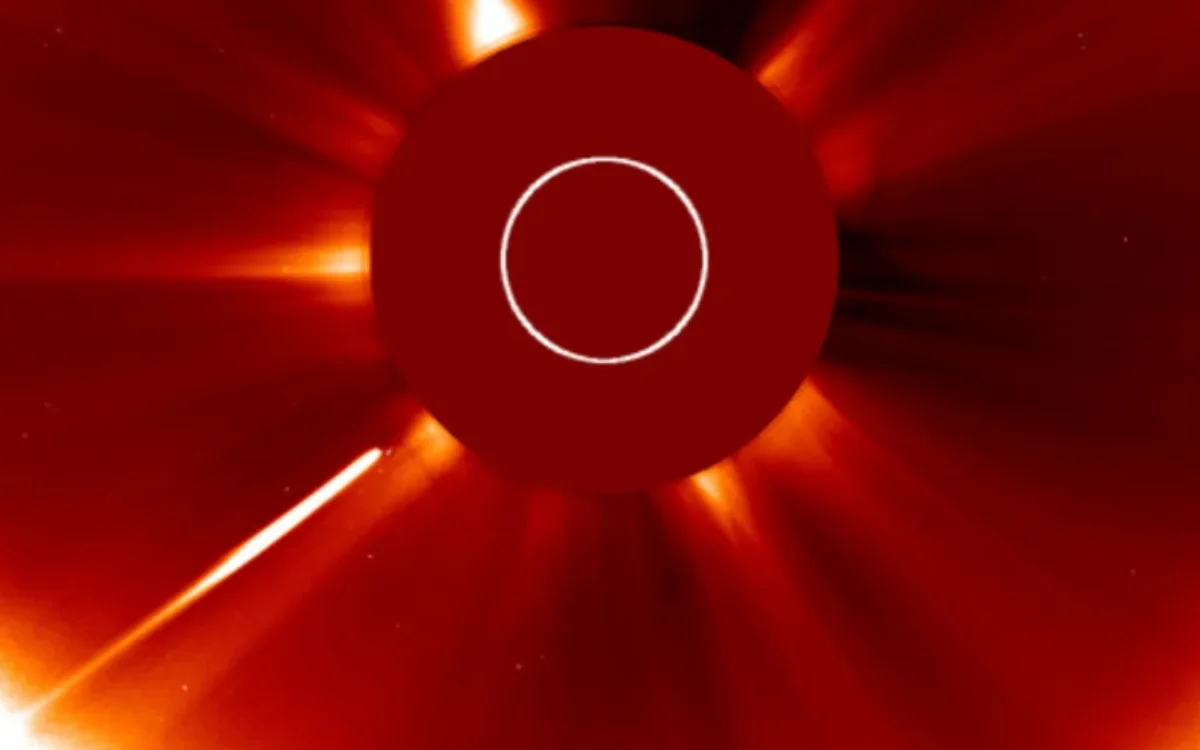

Incredible NASA footage caught the moment a comet, known as C/2026 A1, exploded after getting too close to the sun.
The comet, which is also known as MAPS, was first spotted on 20 January this year and was what’s called a Kreutz stargazer.
But the stargazer got a little too close to the sun over the weekend and the thermal pressure proved a bit too much.
Fascinating footage, caught by the Solar and Heliospheric Observatory (SOHO), shows MAPS disintrgatring as it made its close approach to the sun.
How fast the MAPS comet was traveling before it exploded
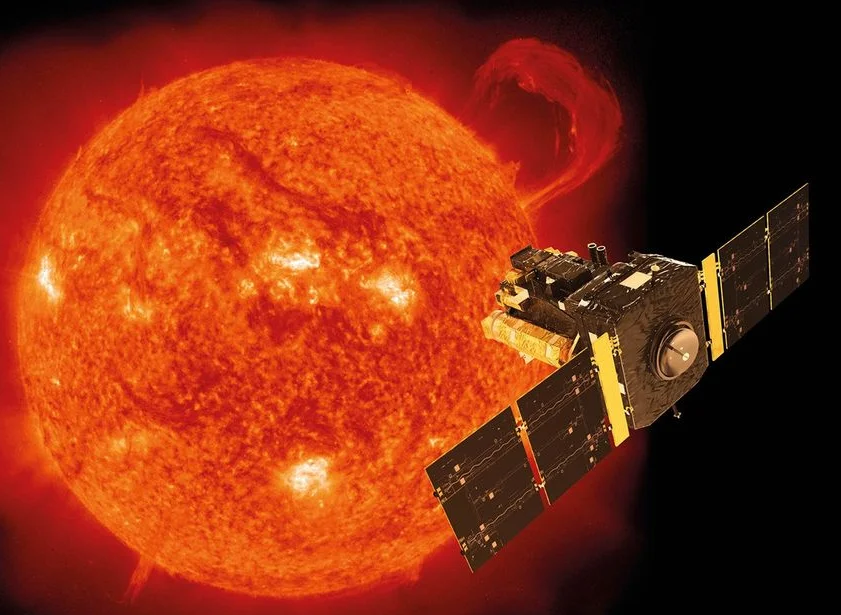
SOHO is a joint project between NASA and the European Space Agency and has been studying the sun for more than 30 years.
It launched in December 1995 and was initially only scheduled to run for just three years, but three decades on, it’s still going strong and has discovered more than 5,000 comets.
SOHO衛星LASCO C2です。こちらでも太陽を通り過ぎた後のMAPS彗星は見えていません。 https://t.co/v95GNPRe0J pic.twitter.com/Q9fHNwGDA5
— 宇宙天気ニュース (@swnews) April 4, 2026
Among them was the C/2026 A1 comet that was first seen at the beginning of this year.
The C/2026 A1 had been dubbed the ‘Easter comet’ with astronomers suggesting it could get so bright that it might even be visible during the day over Easter weekend as it made its closest approach to the sun on April 4.
However, later observations revealed that MAPS was smaller than originally thought and therefore in danger of disintegrating as it moved closer to the sun.
And that turned out to be exactly what happened.
On April 4, NASA caught footage of the C/2026 A1 approaching the sun, hitting speeds of 300 miles per second.
MAPS was seen entering a blind spot in the SOHO’s telescope intact, but only a shower of dust and debris made it out the other side.
The footage also showed the comet suddenly getting brighter, which experts say could have been comet MAPS’ nucleus exploding because of the extreme thermal stress.
Experts say there’s another comet you might be able to spot later this month
Astronomers had hoped that C/2026 A1 would become bright enough to see with the naked eye as it made its way towards the sun, but that didn’t turn out to be the case.
However, another comet, known as PanSTARRS or C/2025 R3, might accomplish this later in the month.
The comet is set to make its closest approach to the sun on April 27, and that’s when it will be at its very brightest.
As yet, its not known if C/2025 R3 will be visible without using a telescope or binoculars, or whether it’ll end in the same way that C/2026 A1 did.
DISCOVER SBX CARS: The global premium car auction platform powered by Supercar Blondie
Follow topics and authors from this story to see more like this in your personalised homepage feed and to receive email updates.