NASA just found frozen water ice around a nearby star and it is the exact same type found in our own Solar System
 Claire Reid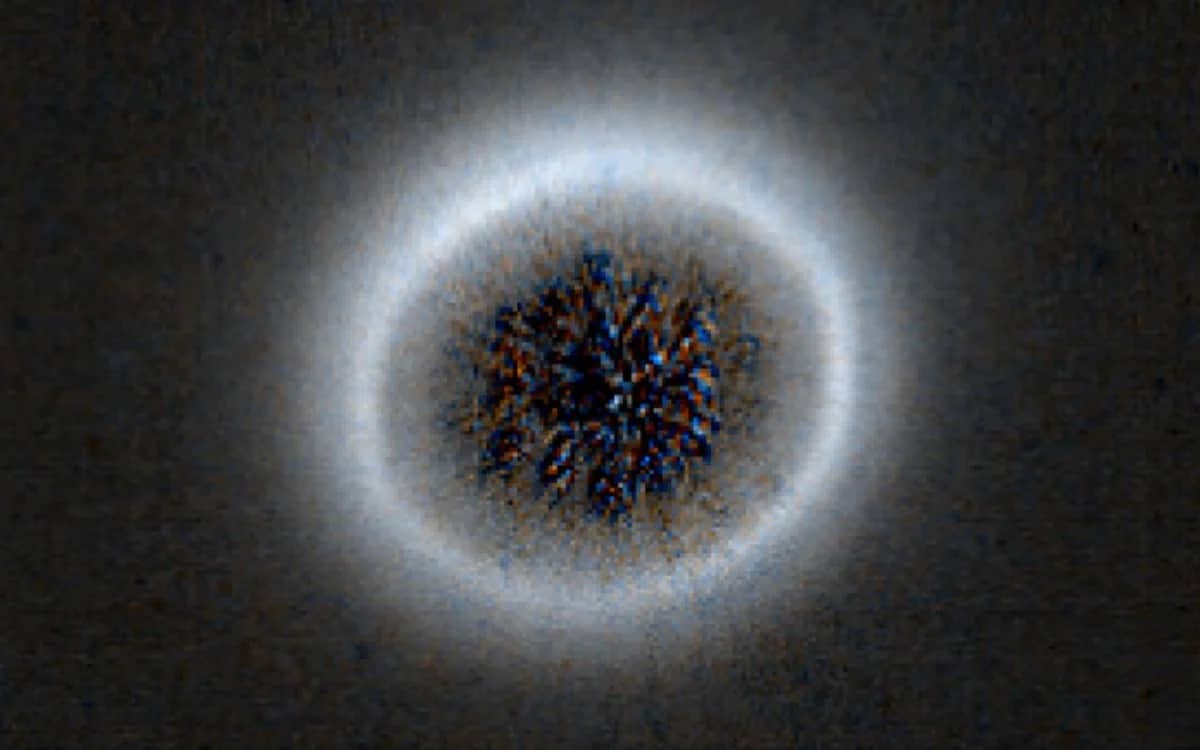
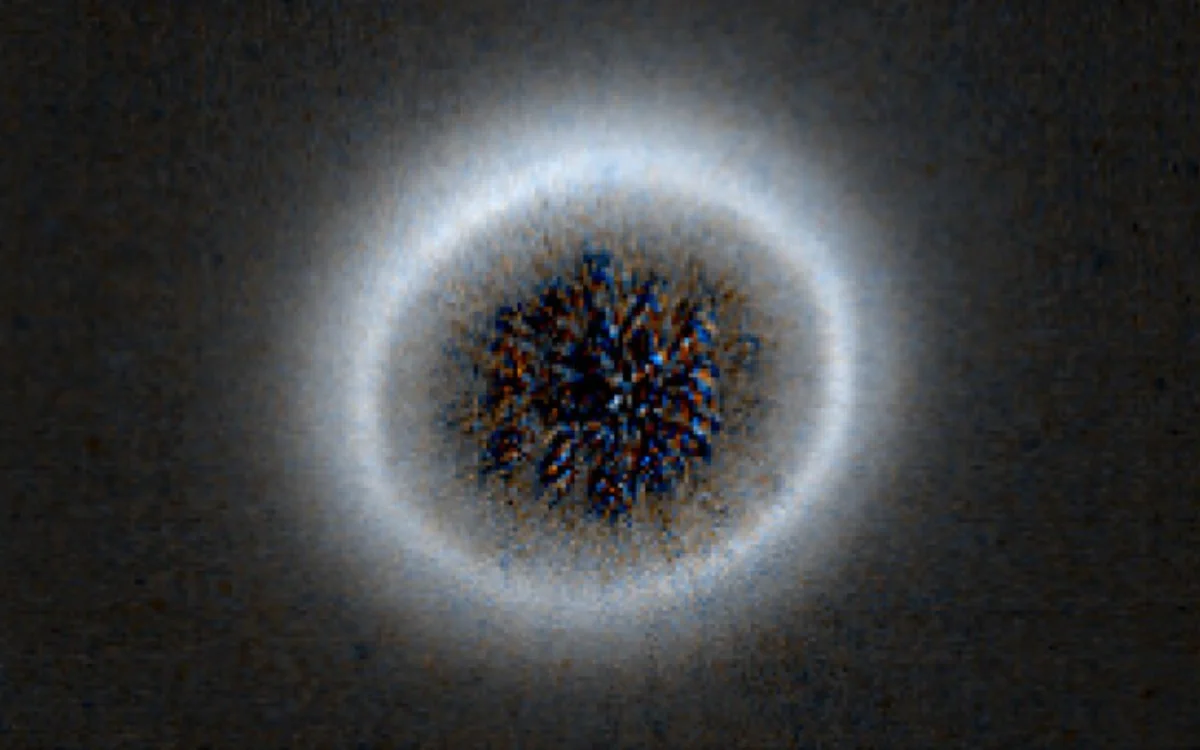

The James Webb Space Telescope helped NASA confirm the existence of frozen water ice around a star 155 light-years away.
The crystalline water ice found is the same as we find in our Solar System, and its discovery wasn’t exactly a surprise to astronomers.
Scientists have long believed that frozen water could be hiding in systems around Sun-like stars.
And in May last year, the James Webb Space Telescope was able to confirm it.
Enter our competition to win a stunning 2006 Ford GT or $400,000 cash!
The water was confirmed by the James Webb Telescope
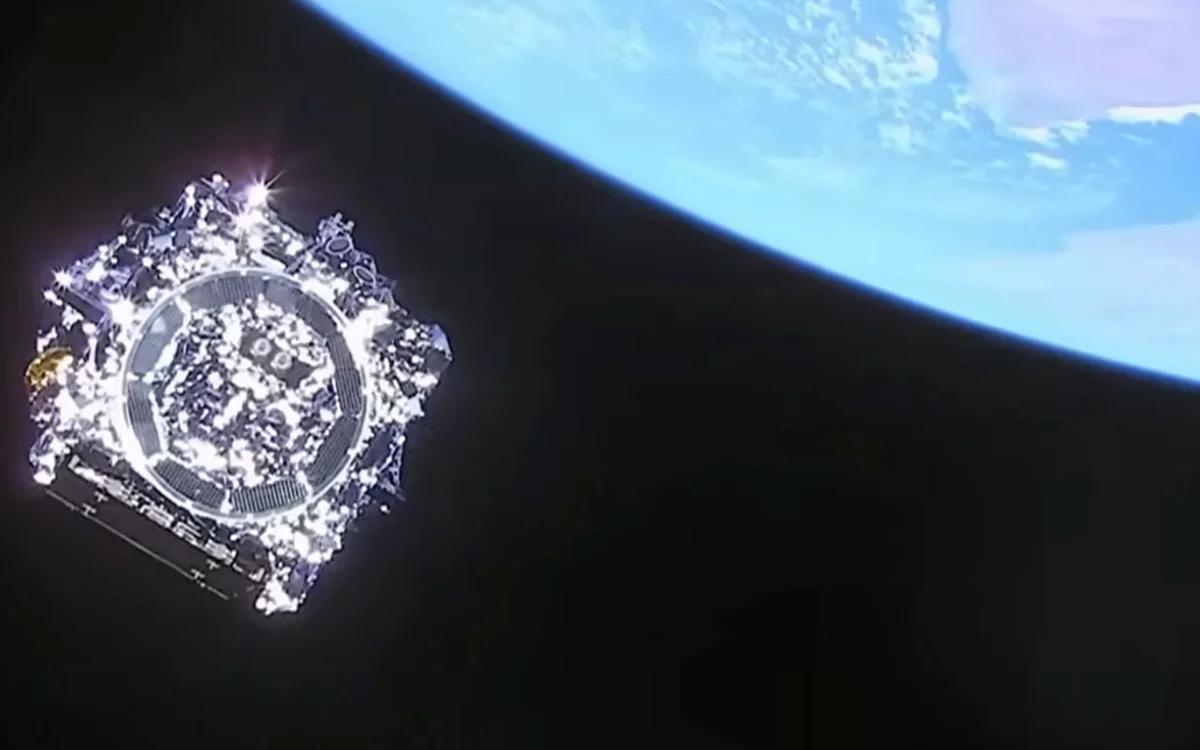
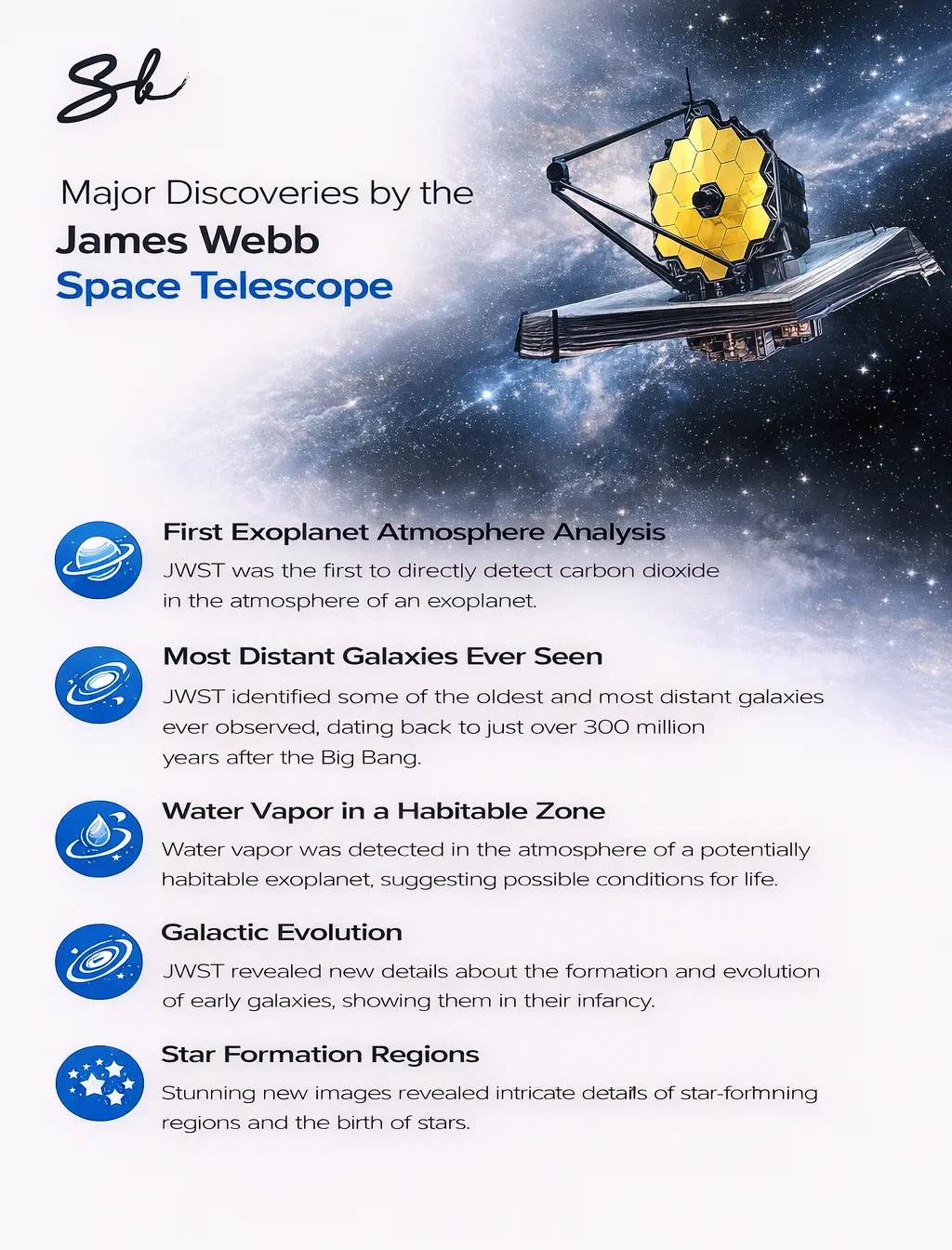
The James Webb Space Telescope was sent off into the galaxy on Christmas Day 2021, and is the largest telescope in space.
Since it’s been in operation, the telescope has made some incredible discoveries for NASA, including observing light on an ‘Earth-like’ planet for the first time and getting images of star clusters on an infant galaxy.
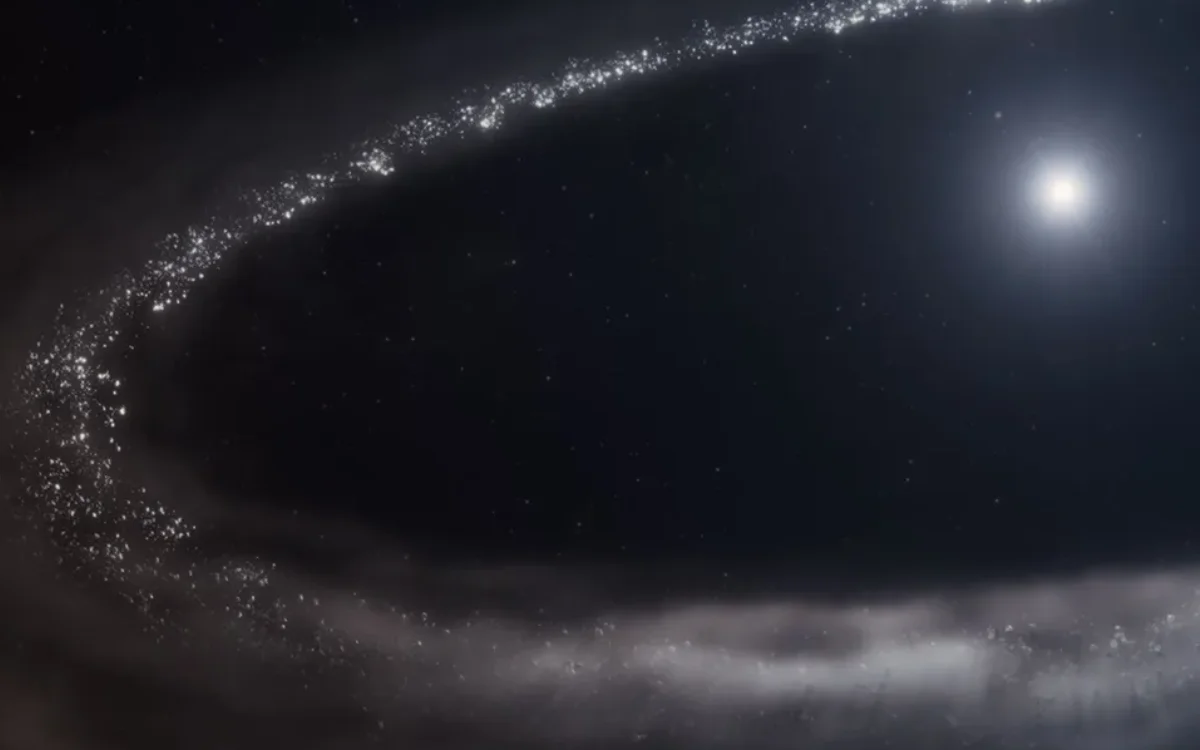
In May last year, a new study confirmed that the James Webb Telescope was able to definitively prove there was crystalline water ice elsewhere in the universe.
The water ice was seen on a dusty debris disk that orbits the HD 181327 star, similar to the Kuiper Belt at the edge of our solar system.
The star, which really needs a catchier name, is significantly younger than our Sun, at a youthful 23 million years old, compared to the Sun’s 4.6 billion years.
As well as being younger, it’s also a little bit bigger and a little bit hotter, which is what led to a slightly larger system around it.
The star is surrounded by a debris disk, which is where the water was found.
“Webb unambiguously detected not just water ice, but crystalline water ice, which is also found in locations like Saturn’s rings and icy bodies in our solar system’s Kuiper Belt,” the study’s lead author and Johns Hopkins University assistant research scientist Chen Xie said.
Researchers were able to see that the disk consisted of more than 20 percent water ice towards the outer edges, which dropped to eight percent in the middle, and almost nothing in the area closest to the star.
NASA has been waiting decades for the discovery
Astronomers have suspected that debris disks such as the one surrounding HD 181327 have been present for decades.
However, until the James Webb Telescope was launched, there were no instruments powerful enough to confirm it.
“When I was a graduate student 25 years ago, my advisor told me there should be ice in debris disks, but prior to Webb, we didn’t have instruments sensitive enough to make these observations,” co-author and Space Telescope Science Institute astronomer Christine Chen said.
“What’s most striking is that this data looks similar to the telescope’s other recent observations of Kuiper Belt objects in our own solar system.”
DISCOVER SBX CARS: The global premium car auction platform powered by Supercar Blondie