NASA is launching a new $4.3BN telescope in an attempt to answer some of the most unknown mysteries of the universe

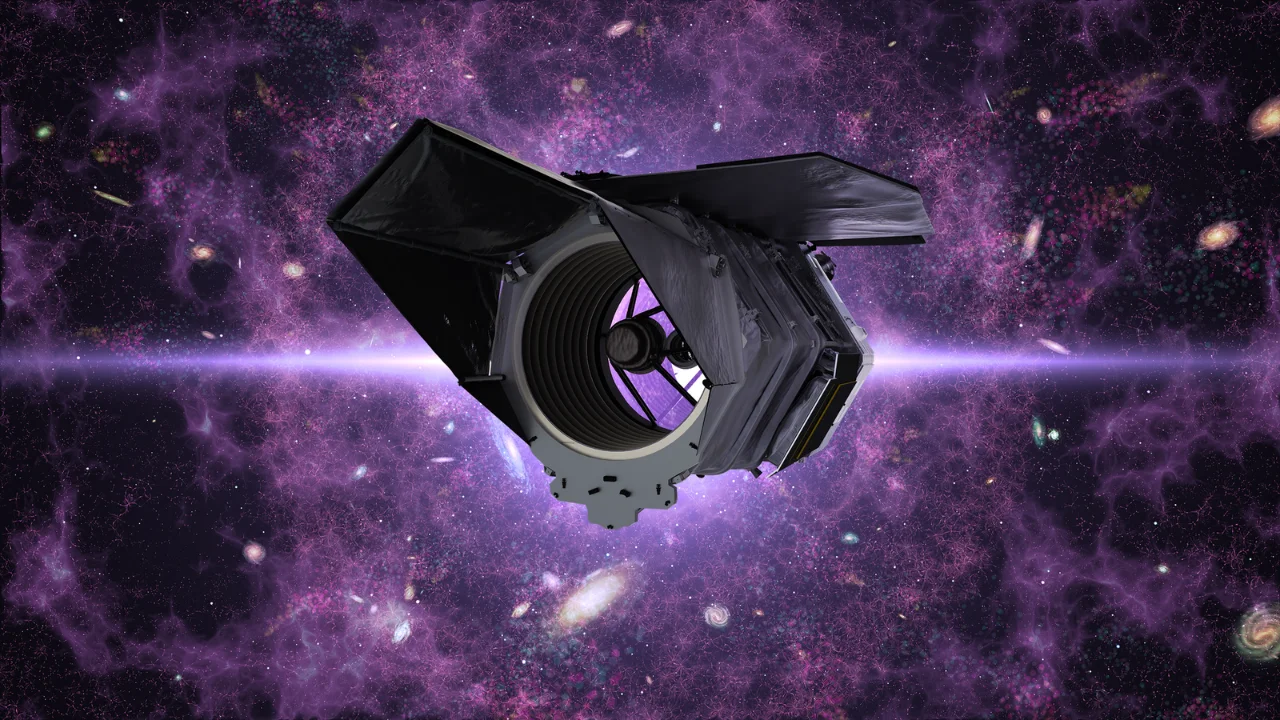

NASA is preparing to launch an incredible new telescope that could completely transform our understanding of the universe.
The $4.3 billion project is designed to tackle some of the biggest cosmic mysteries scientists have ever faced.
It will join the ranks of legendary observatories like Hubble and the James Webb Space Telescope, but with a very different mission.
And if everything goes to plan, it could reveal things about the universe that humanity has never seen before.
NASA is launching a fresh new $4.3BN telescope unlike any other
NASA’s next big space observatory is called the Nancy Grace Roman Space Telescope, and it’s set to launch in September 2026.
While the James Webb Space Telescope focuses on taking ultra detailed images of specific parts of space, Roman has been built to look at the bigger picture.
The new creation will scan enormous sections of the cosmos, observing hundreds of millions of galaxies and billions of stars during its planned five year mission.
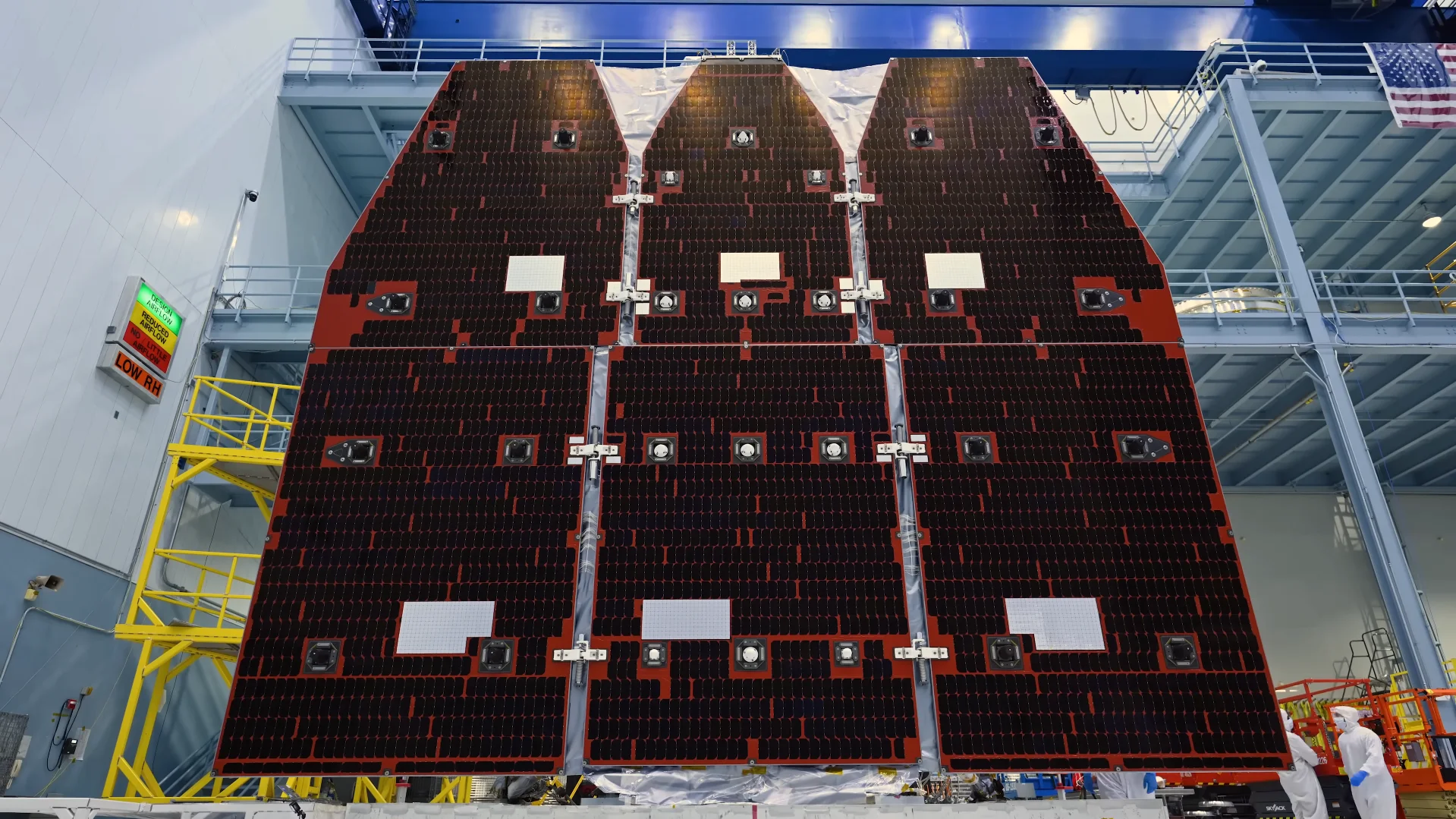
One of its biggest goals is investigating dark matter and dark energy, two mysterious phenomena that scientists believe make up most of the universe despite still not fully understanding either of them.
Roman’s field of view will also be up to 200 times larger than Hubble’s infrared view, allowing it to capture huge cosmic surveys at remarkable speed.
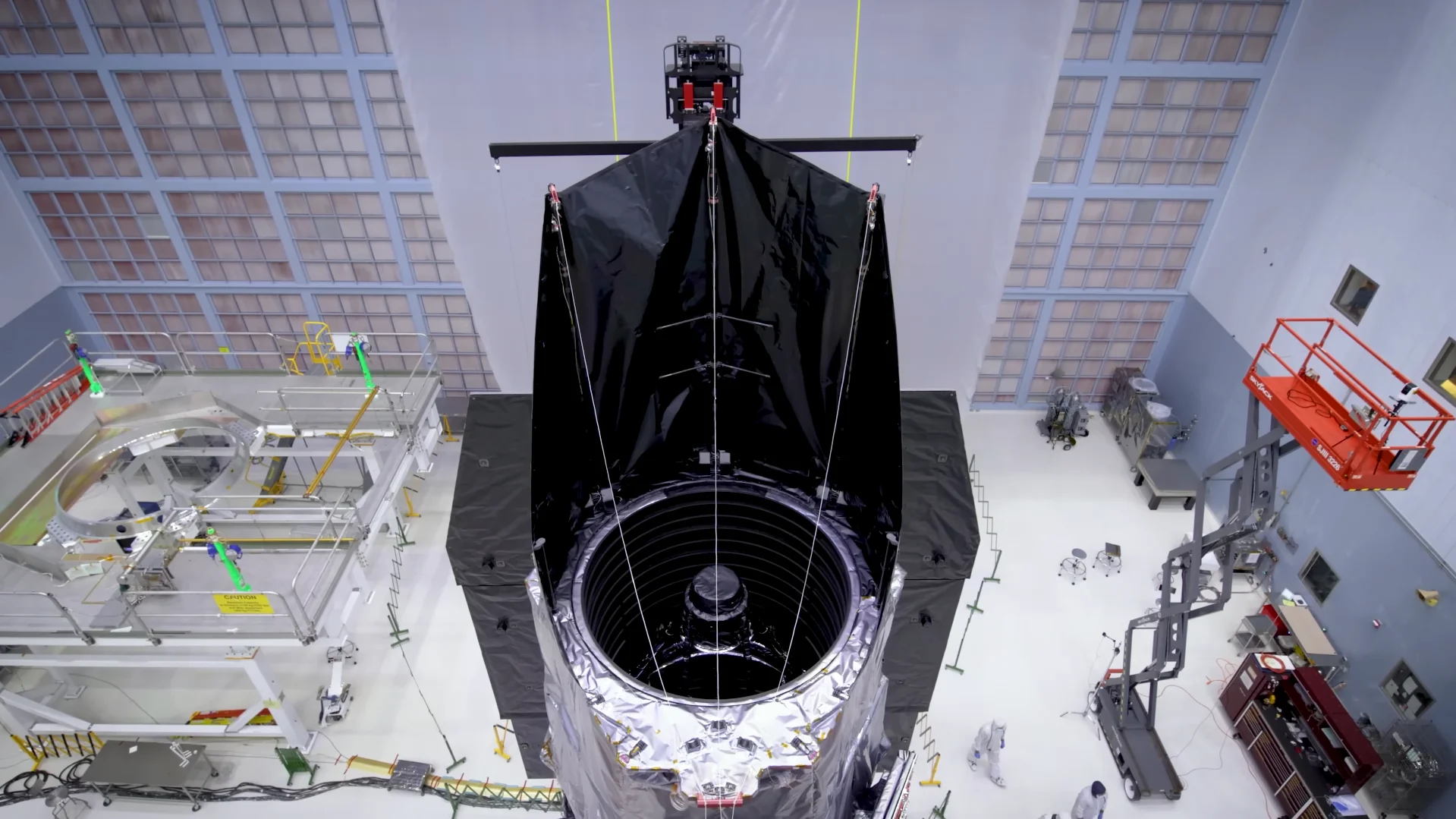
What the Nancy Grace Roman Space Telescope could tell us
Scientists hope Roman will help explain how galaxies formed, why the universe is expanding faster over time, and what dark matter actually is.
The telescope could also help uncover thousands of new worlds beyond our solar system, with the space agency expecting it to identify around 100,000 exoplanets.
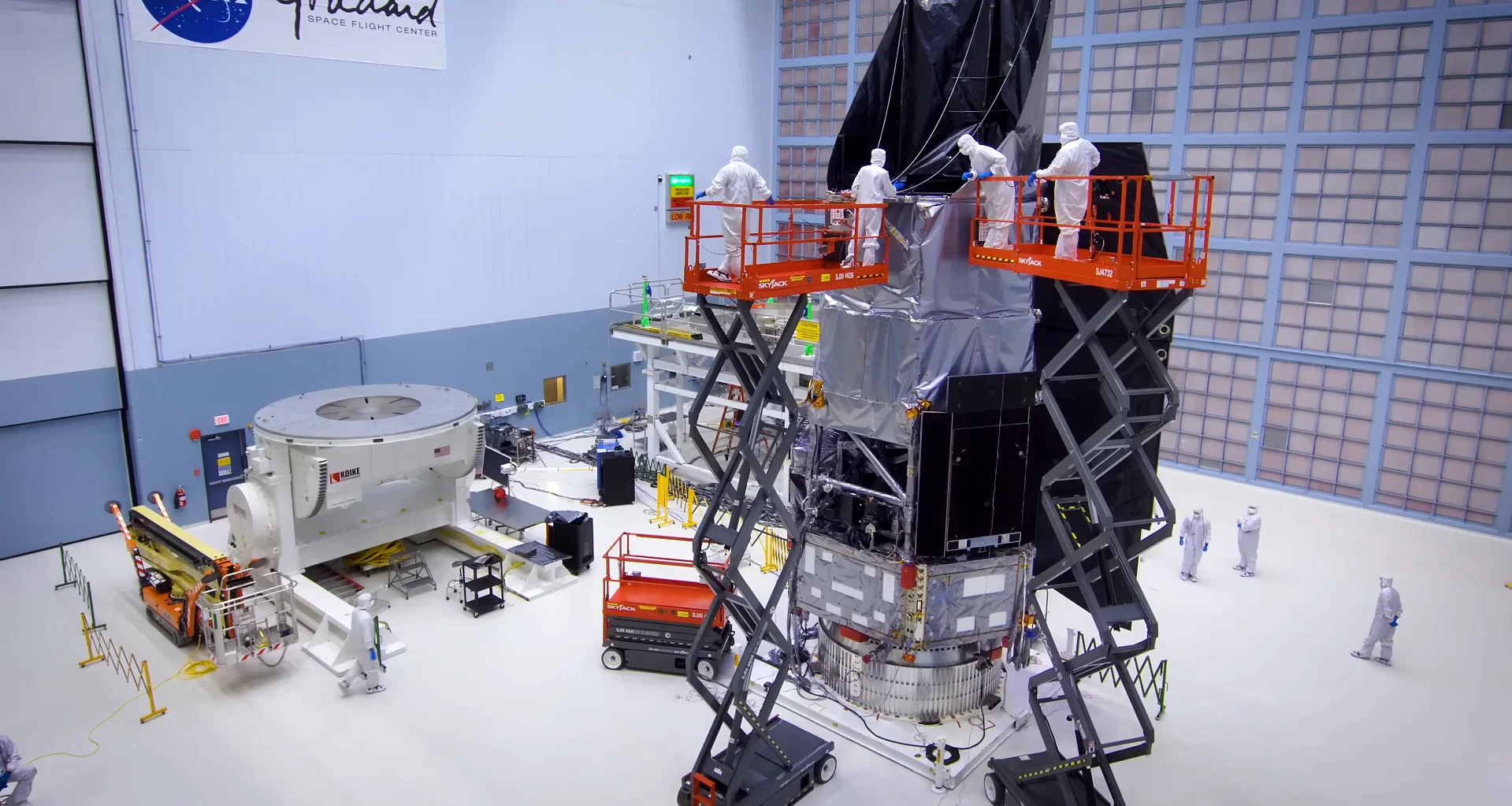
Its findings could complement discoveries already being made by the James Webb Space Telescope, which has spotted strange objects that astronomers are still struggling to explain.
Among them are mysterious ‘Little Red Dots’ and unusually massive black holes that appear to have formed much earlier than expected.
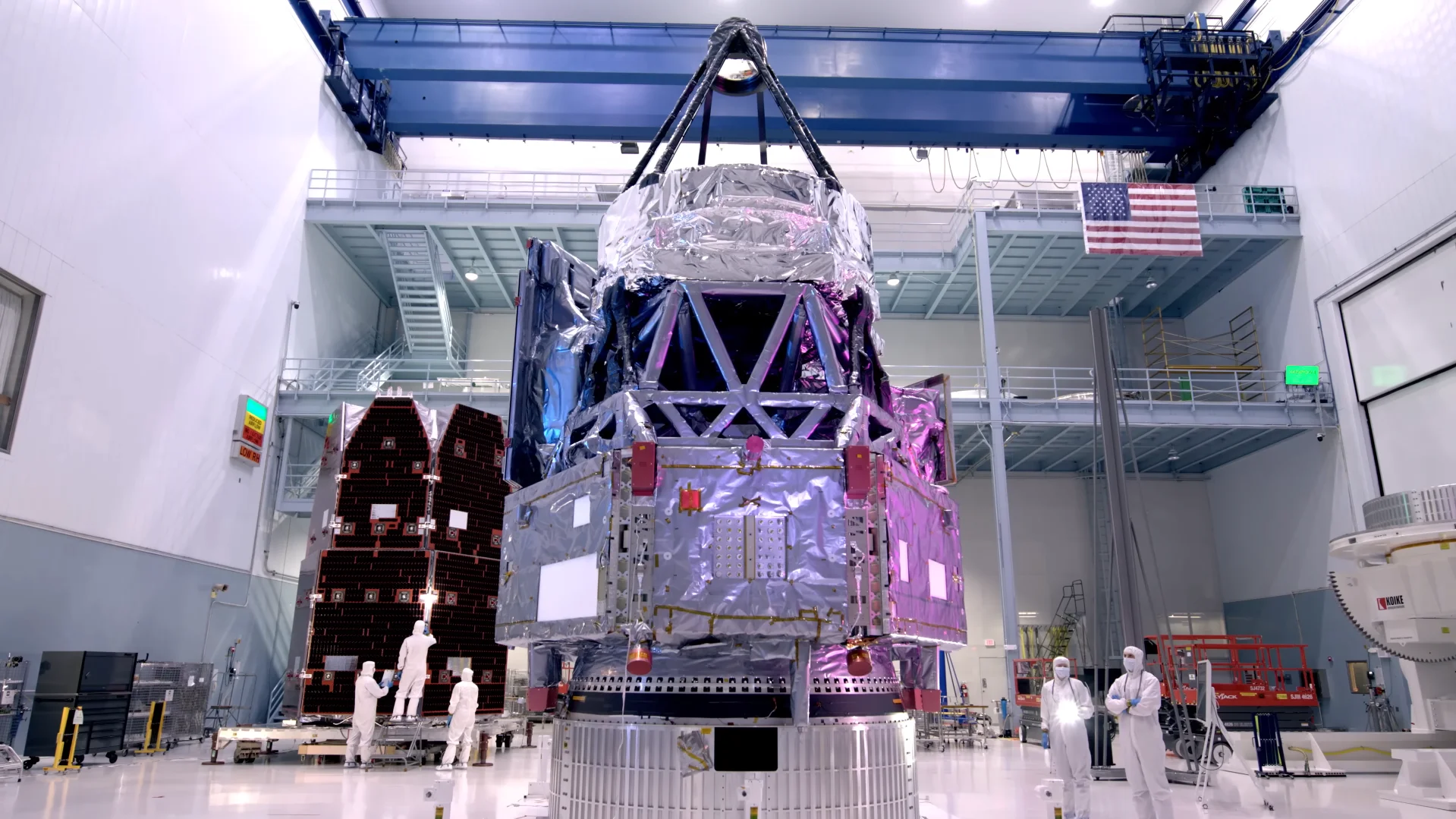
And if it succeeds, NASA’s latest telescope might change the questions that scientists are asking about space forever.