NASA sent astronaut bone marrow chips around Moon on Artemis II to study deep space radiation effects on human biology
 Claire Reid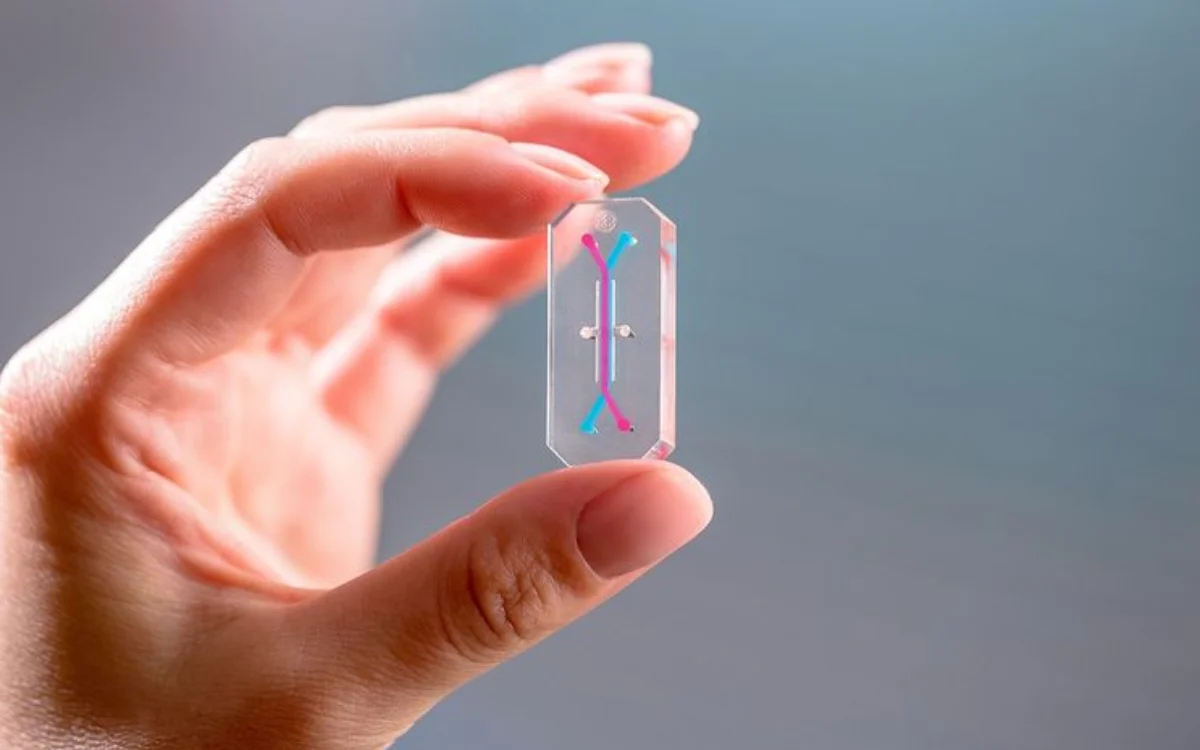

NASA sent chips containing bone marrow from the Artemis II astronauts around the Moon to find out more about how the trip impacts human biology.
Artemis II made history this month after it blasted off, taking four astronauts further into space than anyone has ever been before.
During the mission, the team embarked on an incredible lunar flyby and got to see parts of the dark side of the Moon never before seen.
And tucked away inside the spacecraft, NASA had stashed some specially-made chips seeded with astronauts’ bone marrow, for a very interesting experiment.
The chips work like biological avatars of the Artemis II astronauts
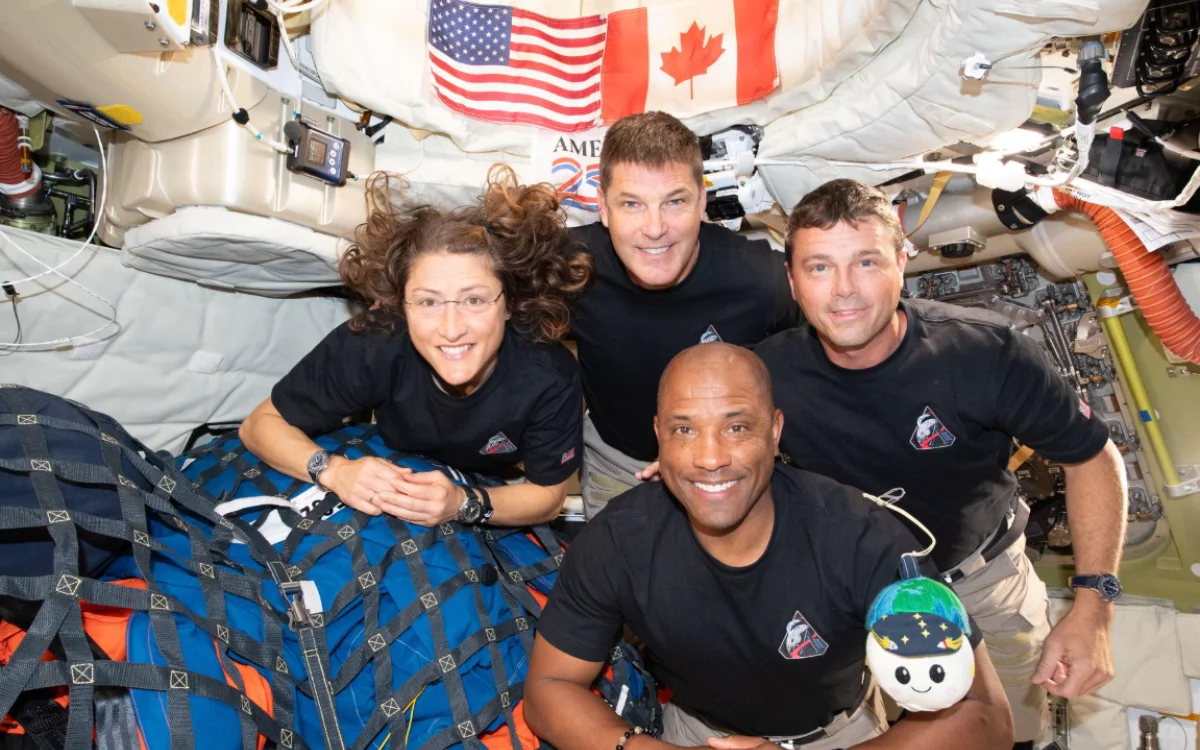
The chips work as a sort of avatar of each of the Artemis II astronauts: NASA’s Reid Wiseman, Victor Glover, Christina Koch, and Canadian astronaut Jeremy Hansen, and contain bone marrow cells from each of them.
NASA worked alongside startup Emulate on the project, which aims to investigate the impact of deep-space flight on the human body, with a particular focus on the risk of radiation exposure.
Flying out of the Earth’s atmosphere and into deep space comes with some serious health risks, as astronauts are exposed to high levels of radiation from solar flares and cosmic rays.
Speaking to The Washington Post, Donald Ingber, founding director of the Wyss Institute for Biologically Inspired Engineering at Harvard University and the man behind Emulate, explained that the chips used can model any different organ, like the heart or the lungs.
However, NASA and Emulate opted to send bone marrow cells as they are especially sensitive to radiation.
Being involved in the Artemis II mission is a major milestone for Emulate, and researchers will be looking closely at the chips once they return to Earth to try to determine if the changes in the real astronauts are also reflected in the cells in the chips.
A NASA spokesperson told Supercar Blondie: “NASA’s Division of Biological and Physical Sciences (BPS) is currently analyzing samples from the AVATAR investigation.
“As data becomes available, we’ll share findings with the scientific community and the public. BPS is committed to advancing AVATAR and organ chip research to help protect astronaut health on future missions to the Moon and Mars.”
NASA is hopeful the chips could play an important role in future missions
If the chips are found to be reliable markers of what happened to the real astronauts’ bodies in space, then they could have a huge impact on future missions.
In the long-term, if all goes to plan, NASA and Emulate are hopeful that the chips could be sent up into space on missions prior to any humans blasting off.
The chips could then help NASA understand how the real astronauts would respond.
“Each tissue chip is a tiny sample uniquely created so that we can examine how the effects of deep space act on each human explorer before we go, to ensure we pack the appropriate medical supplies tailored to each individual’s needs as we travel back to the Moon, and onward to Mars,” NASA Science Mission Directorate associate administrator Nicky Fox said in a statement.
Speaking to The Washington Post, NASA Biological and Physical Sciences Division director Lisa Carnell explained that the chips could allow the team to understand what’s coming before they get there.
“I think this is going to pave the way for us in so many ways, in understanding the radiation and microgravity, partial gravity effects on the humans before we send them out,” she said.
“Our phrase is, ‘Know before we go.’ If we want humans to live on the lunar surface in that partial gravity … the goal would be to send[the chips] ahead of time and get an idea of what happens to different organ systems.”