NASA sent humans around the moon and the most extraordinary images came from a GoPro Hero4 that has been on sale since 2014

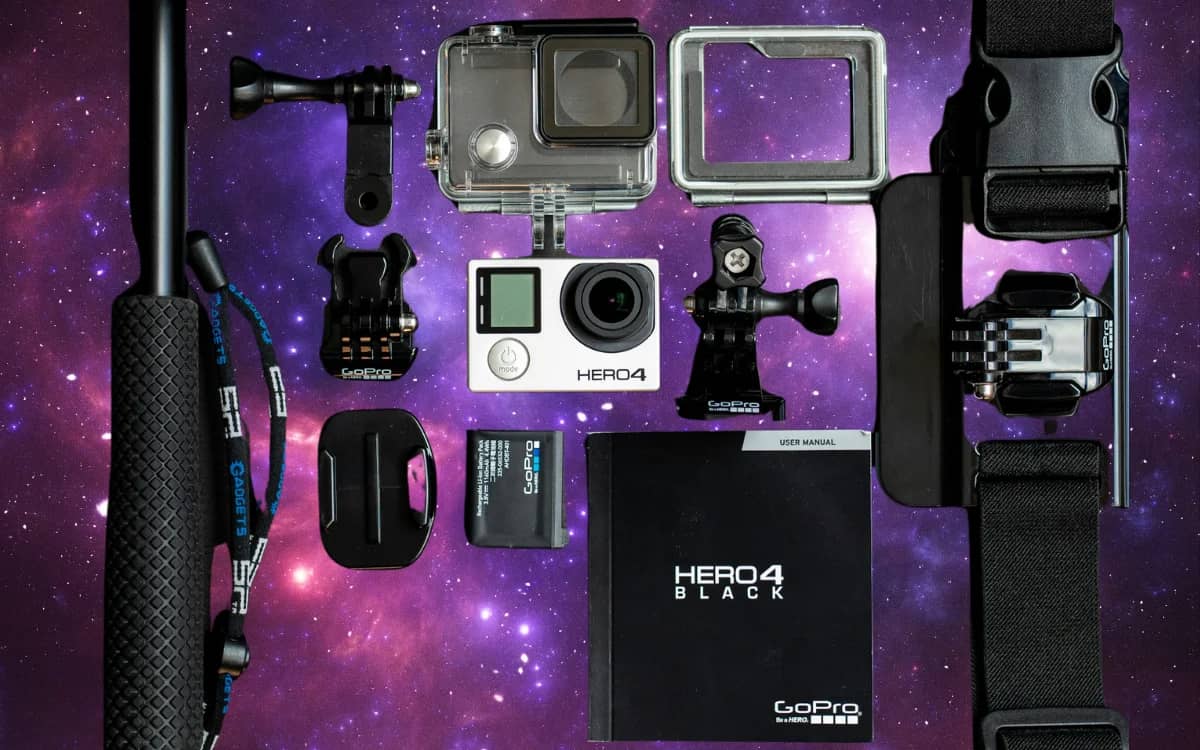
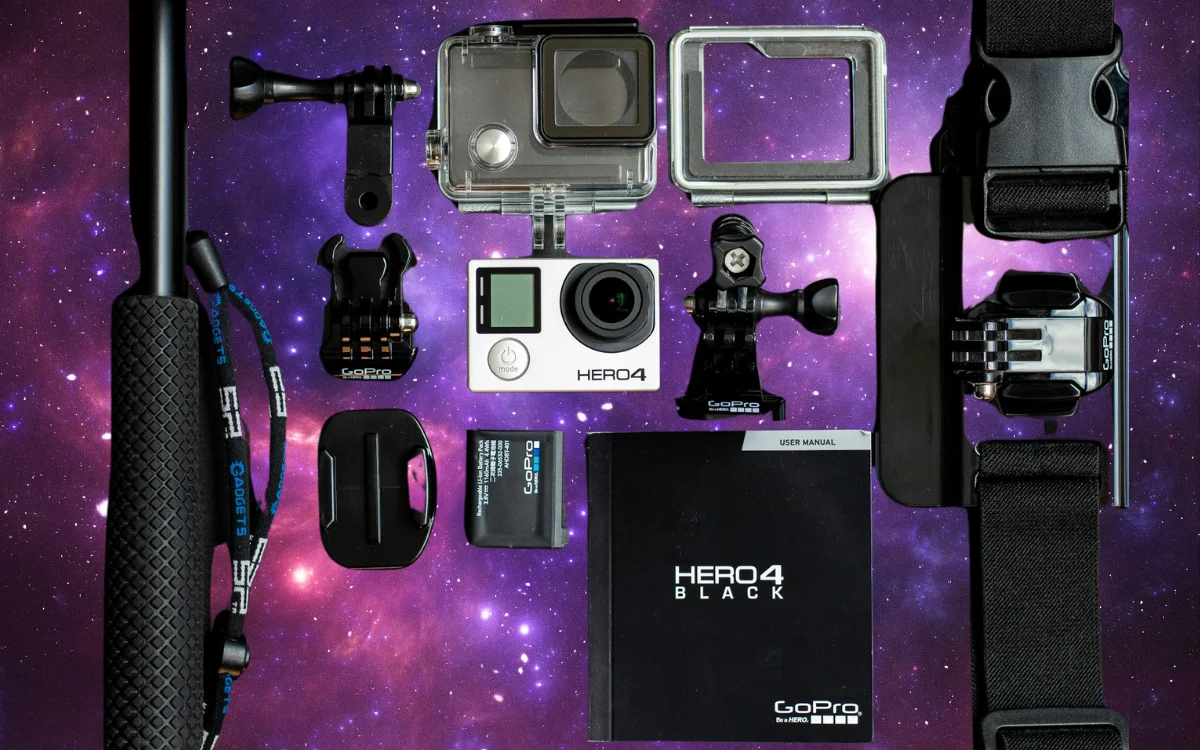

A brilliantly unexpected detail behind some of the most jaw-dropping Artemis II shots is the camera they were taken on.
While most people would assume a mission this huge would use only the newest and flashiest gear, at least one of the cameras sending back those unforgettable views was a humble GoPro Hero4 Black.
For such a hi-tech mission, it was surprising to find out the space agency relied on fairly old-school tech.
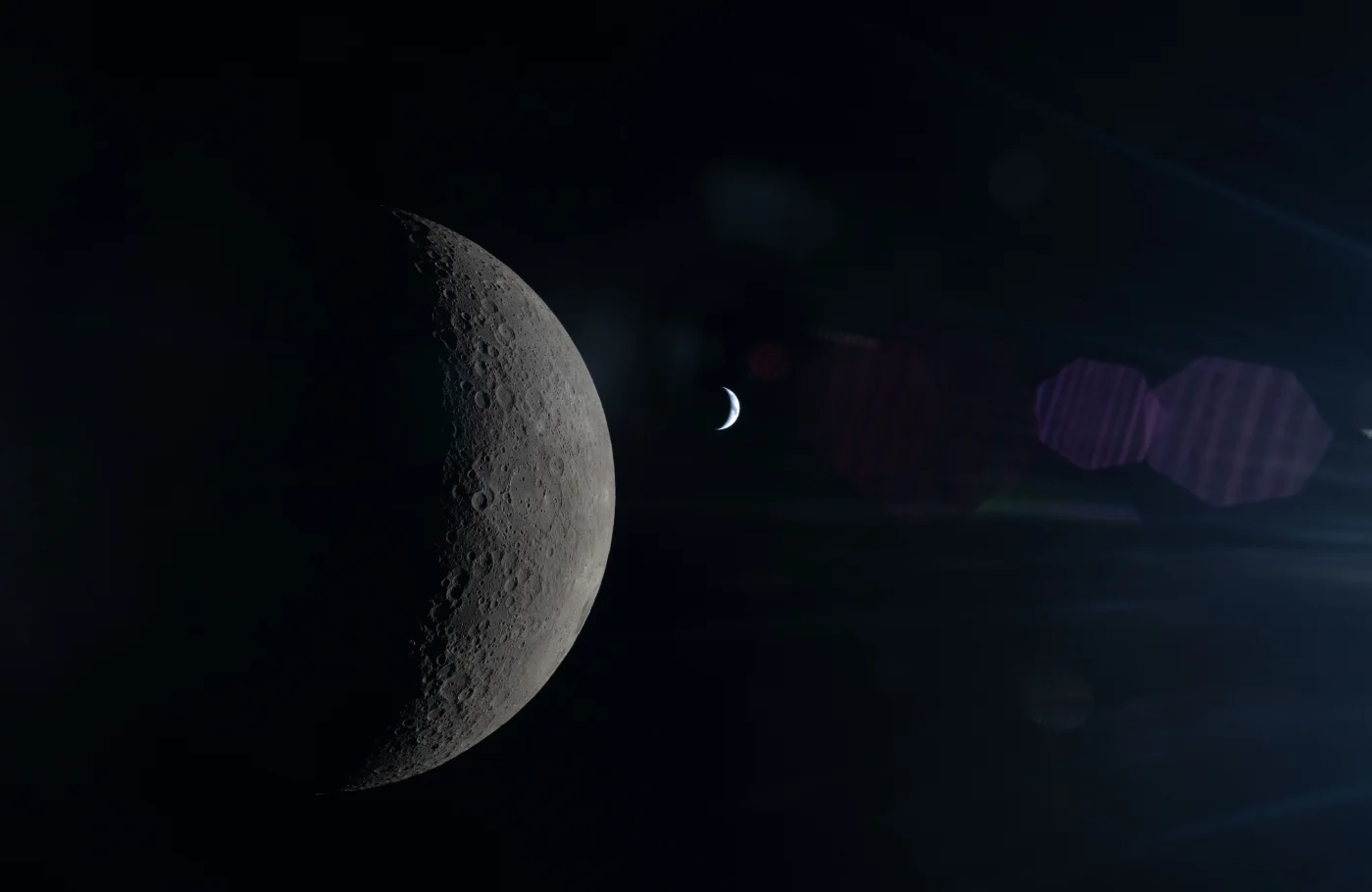
According to reports based on the image metadata, the old-school action camera was responsible for some of the external shots of Orion, including stunning views of Earth, the Moon, and even a total solar eclipse.
NASA sent humans around the moon with a GoPro Hero4 from 2014
There is something almost endearing about the fact that one of humanity’s biggest space missions leaned on a piece of tech many people probably have in a drawer somewhere.
The GoPro Hero4 Black originally launched back in October 2014, but it still found its way onto one of the most important flights of the decade.
Reports say the modified GoPros were mounted externally on Orion’s solar array wings, where they could capture sweeping views of the spacecraft, Earth, and the Moon during the mission.
GoPro itself said the cameras are part of the Orion Imagery System and a wider suite of more than 28 cameras supporting Artemis II.
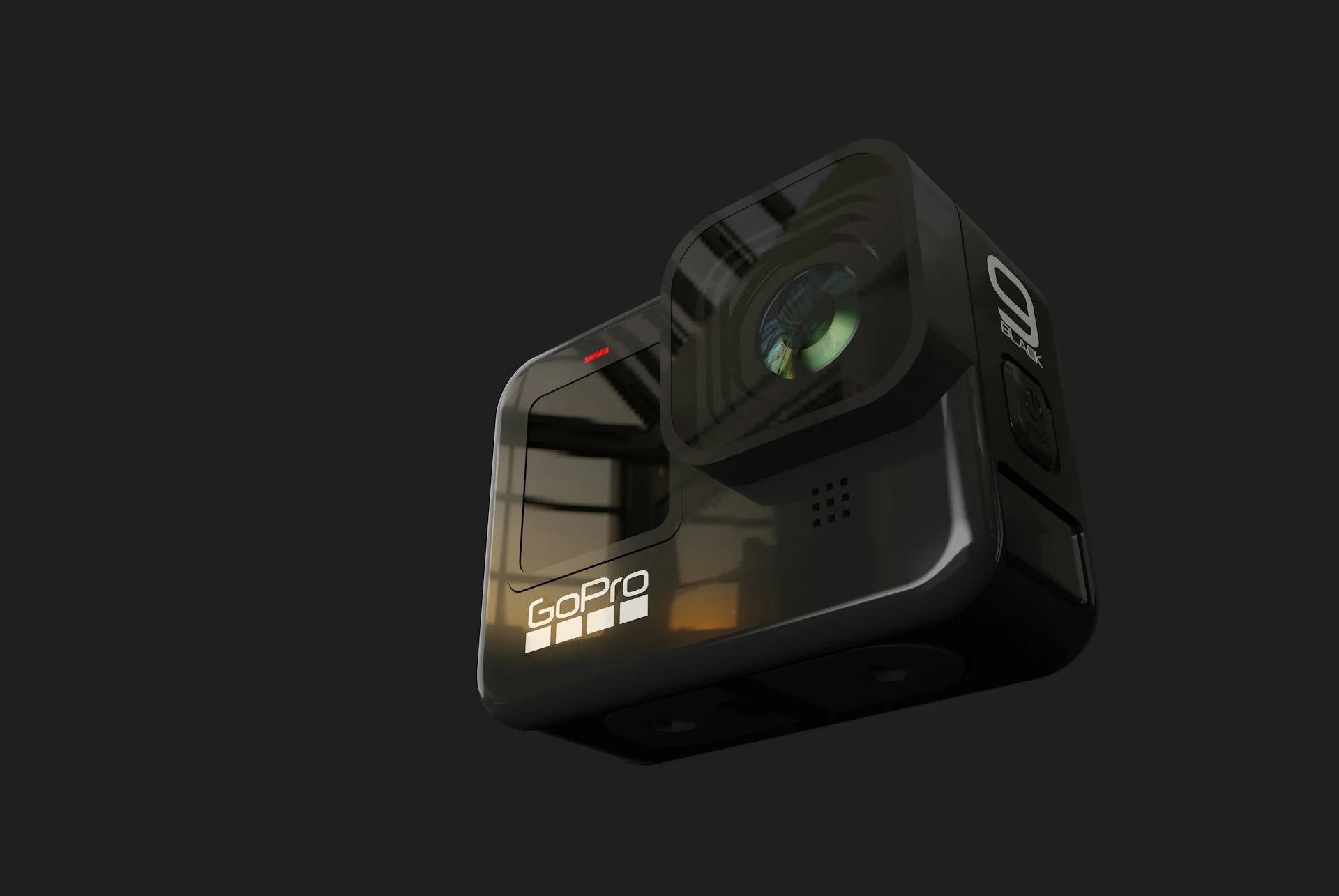
And it was clearly a proud moment for the brand.
“GoPro is honored that our cameras are aboard the historic Artemis II mission,” said GoPro founder and CEO Nicholas Woodman.
He added: “GoPros are designed to capture amazing perspectives in the most extreme conditions imaginable…and it doesn’t get much more extreme than going to the Moon and back.”
Photographer and camera expert Tristan Benhamou also pointed out why the choice makes sense, telling Supercar Blondie: “Whilst there are many action cams on the market like Insta360 or DJI, the GoPro is the only one that remains a household name.”
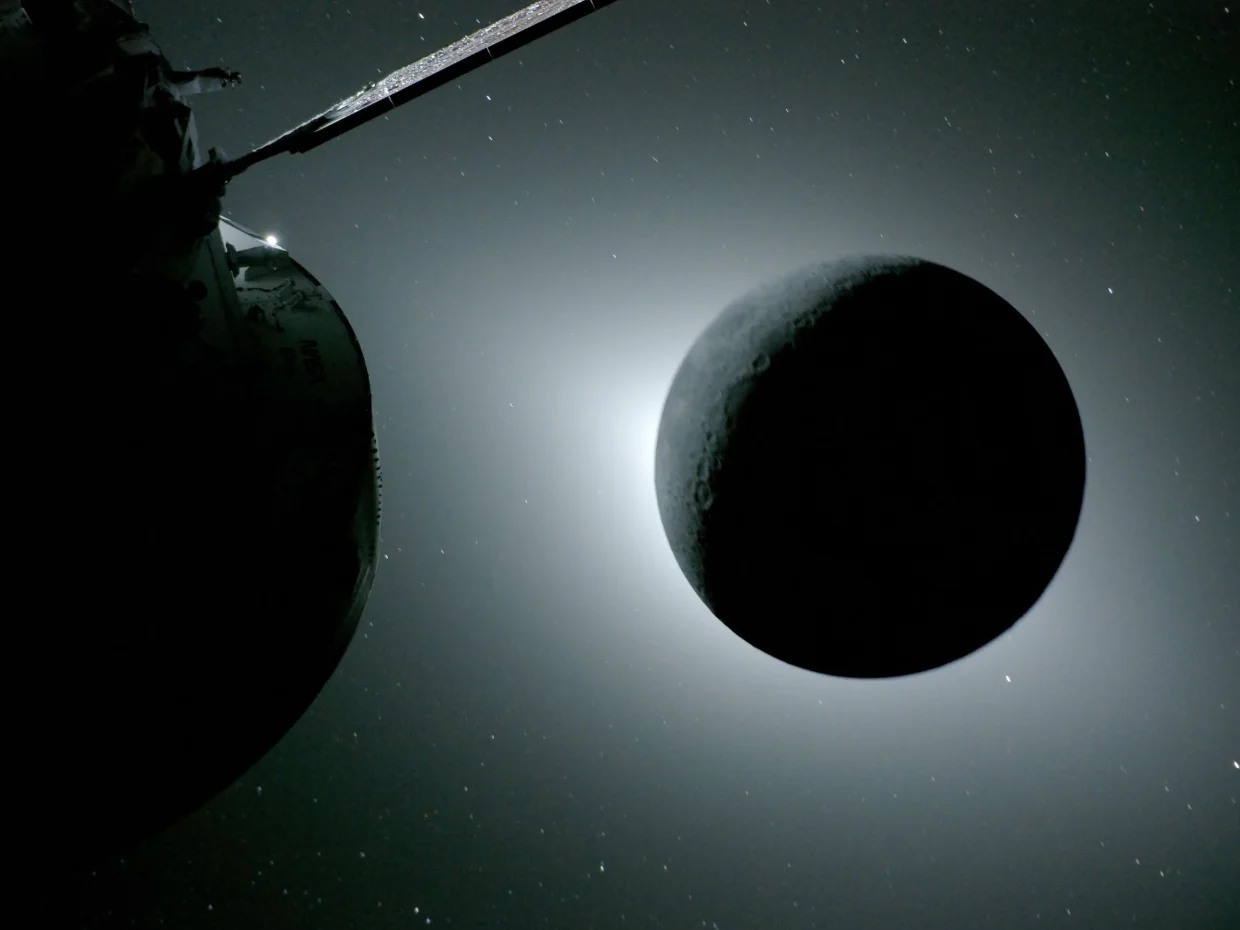
Why the most extraordinary images came from an older camera
Of course, sending a camera into space is a bit more complicated than tossing one in your backpack before a weekend trip.
These units had to be specially modified to survive the brutal conditions of space, and the cameras attached outside Orion had an even tougher job because they also needed to cope with the intense environment around the spacecraft.
That ruggedness helps explain why an older, proven camera could still be the right pick for a mission like this.
GoPros can kind of go anywhere, even famously falling out of a plane and landing in a pig pen.
Benhamou added that the Hero4’s legacy plays a big role too, explaining: “When it came out the Hero 4 was revolutionary, the sturdiest camera on the market for sure.”
GoPro also revealed that the four-astronaut crew had cameras inside the spacecraft too, helping document daily life on the mission and tell the human story of the historic flight.
So while Artemis II may be all about cutting-edge exploration, one of its coolest reminders is that extraordinary images do not always come from the newest gadget on the shelf – we knew retro tech is still king.
DISCOVER SBX CARS: The global premium car auction platform powered by Supercar Blondie