NASA shares incredible panorama photo of Mars that looks like it could easily be from Earth

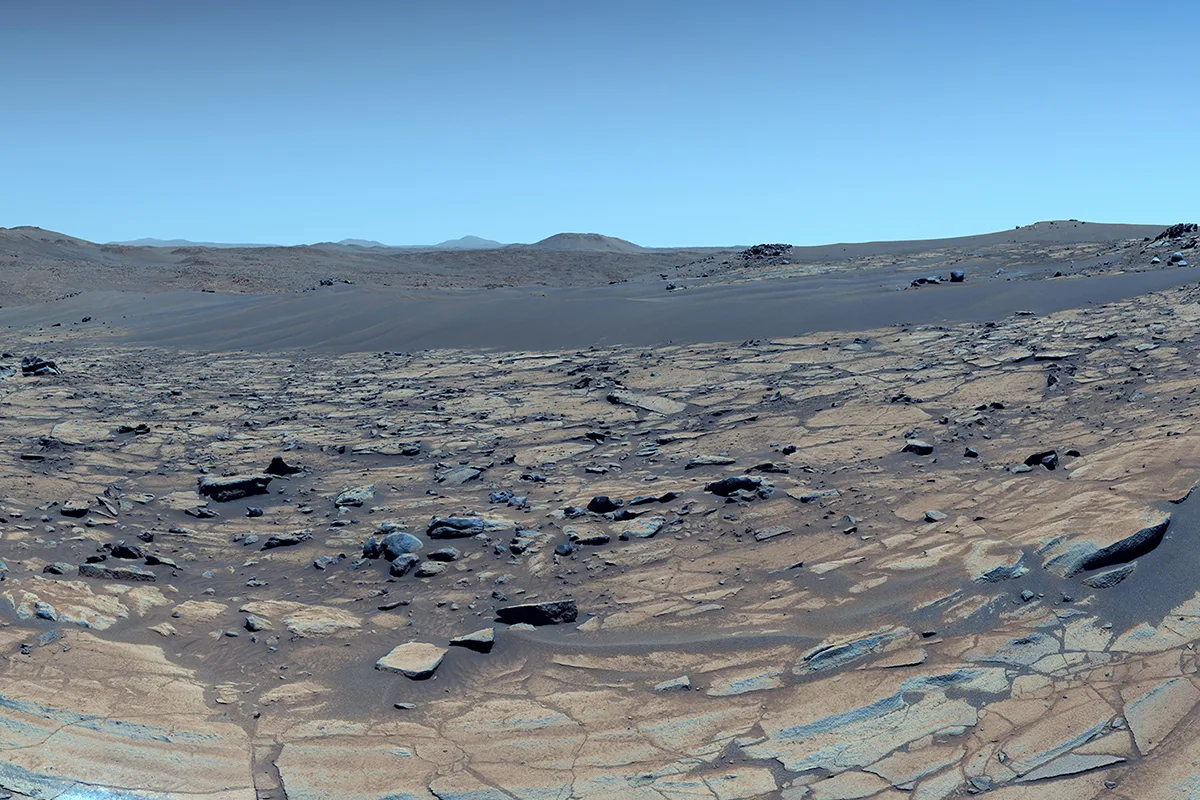

NASA has released a breathtaking new panoramic image of Mars that is so Earth-like, you might need a second glance to realize it wasn’t taken in the desert here.
The stunning pic was snapped by the Perseverance rover and shows rolling hills, rocky terrain, and a distant horizon that could easily be mistaken for a desert landscape here on Earth.
Made up of 96 individual images stitched together, the panorama offers one of the clearest and most detailed views of the Red Planet ever captured during the mission.
It makes you wonder if there might be life on Mars after all.
NASA shares a new snap of Mars which will make you question everything
The space panorama was captured by the Perseverance rover’s Mastcam-Z camera while it was exploring an area known as Falbreen.
Scientists believe the region contains some of the oldest rocks the rover has encountered so far, making it an important target for research.
What has caught the attention of many people, however, is just how familiar the landscape appears.
The image features rugged hills stretching into the distance, sandy ground and rocky formations that resemble scenery found in places like Arizona, Nevada or parts of Australia.
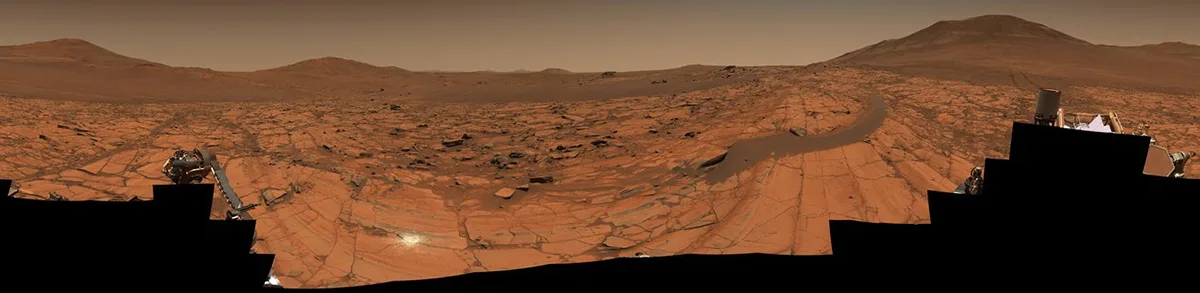
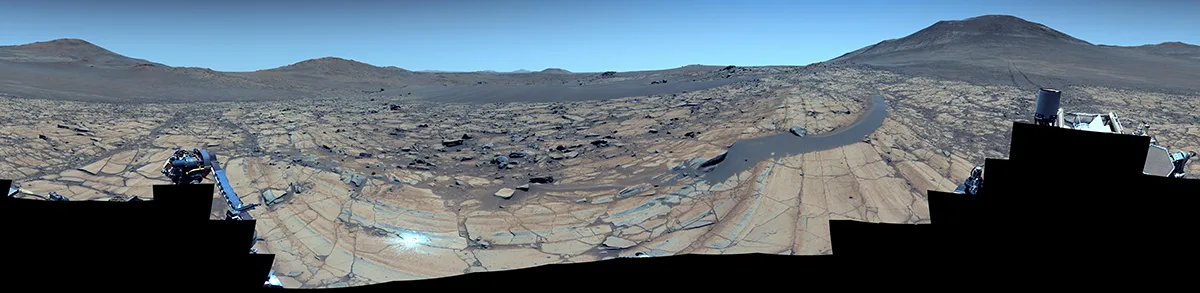
NASA released both natural-color and enhanced-color versions of the panorama, with the enhanced image giving the sky a bluish appearance that makes the Martian landscape seem even more like Earth.
The exceptionally clear conditions on the day also allowed Perseverance to capture distant hills located around 40 miles away, creating one of the sharpest snaps of the mission.
A new pic for the Perseverance rover’s Insta feed
While the image is visually stunning, it is also packed with valuable scientific information.
Researchers are particularly interested in a dark rock visible in the foreground that appears to have originated elsewhere before being transported to its current location.
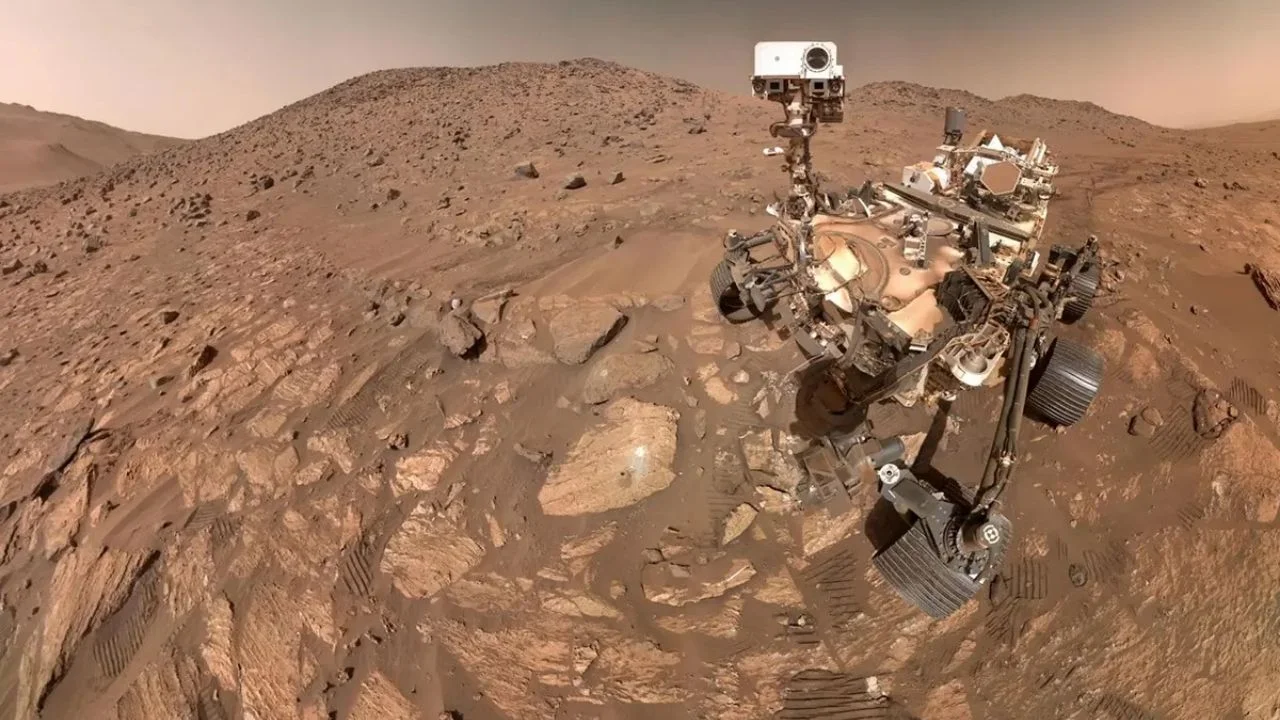
The panorama also reveals an abrasion patch where Perseverance drilled into the surface to study the composition of Martian rocks.
These investigations form part of NASA’s broader effort to understand whether Mars once had conditions capable of supporting microbial life.
Perseverance has been exploring Jezero Crater since landing on Mars in 2021, collecting data and samples that could eventually be returned to Earth for detailed analysis.
The latest panorama serves as both a scientific treasure trove and a reminder that, despite being millions of miles away, some corners of Mars can look just like home.
Some could say the similarity is out of this world.