NASA has launched a project to land humans on the Moon for the first time in 54 years

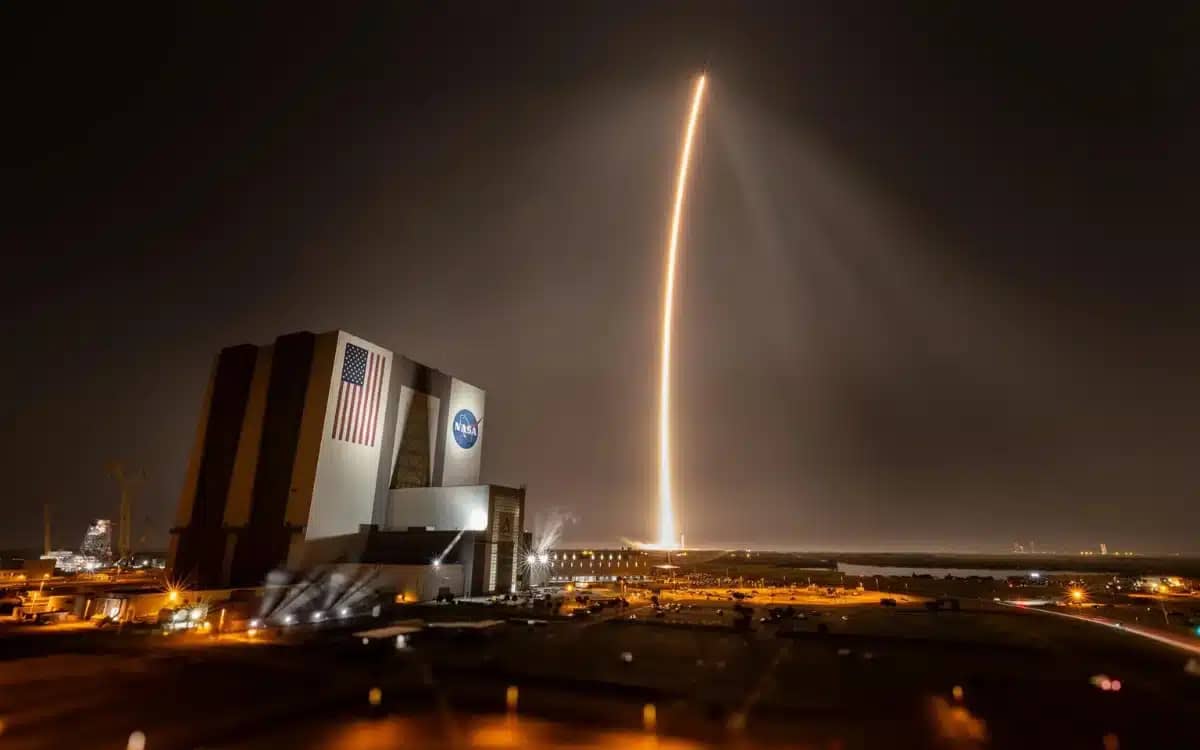

NASA is prepping for its first human visit to the moon in 54 years.
It teamed up with space exploration company, Intuitive Machines to launch its IM-2 mission on Wednesday.
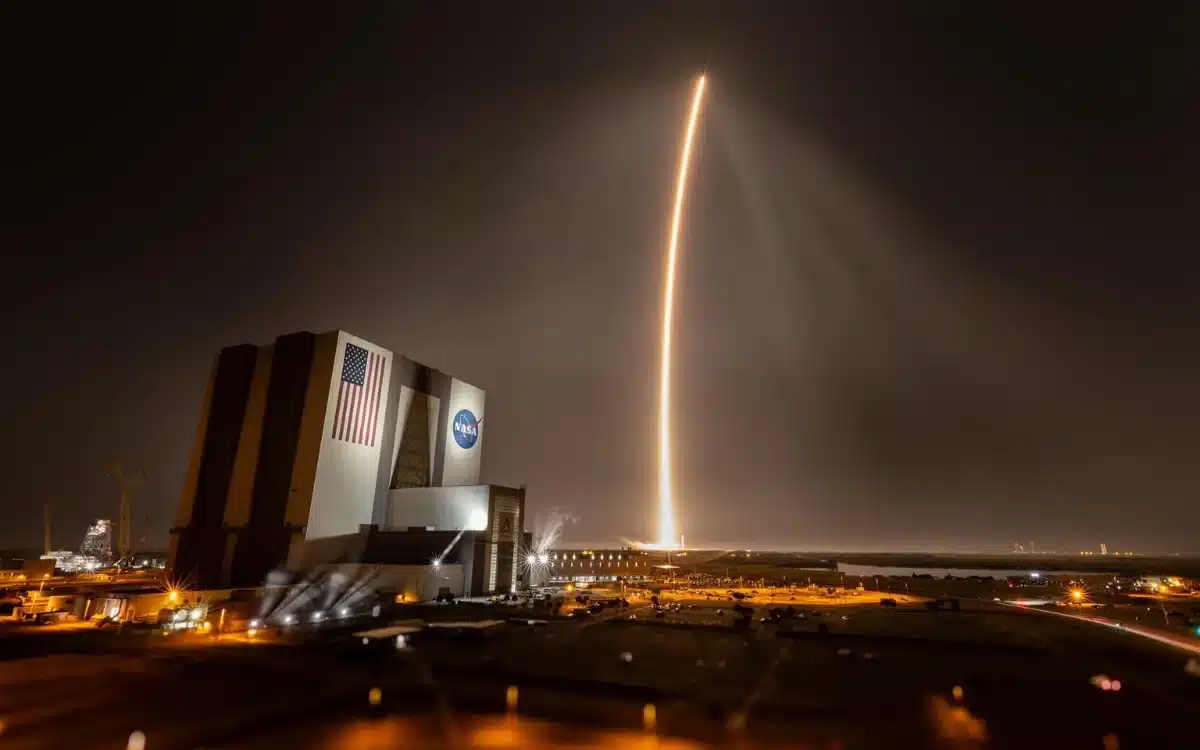
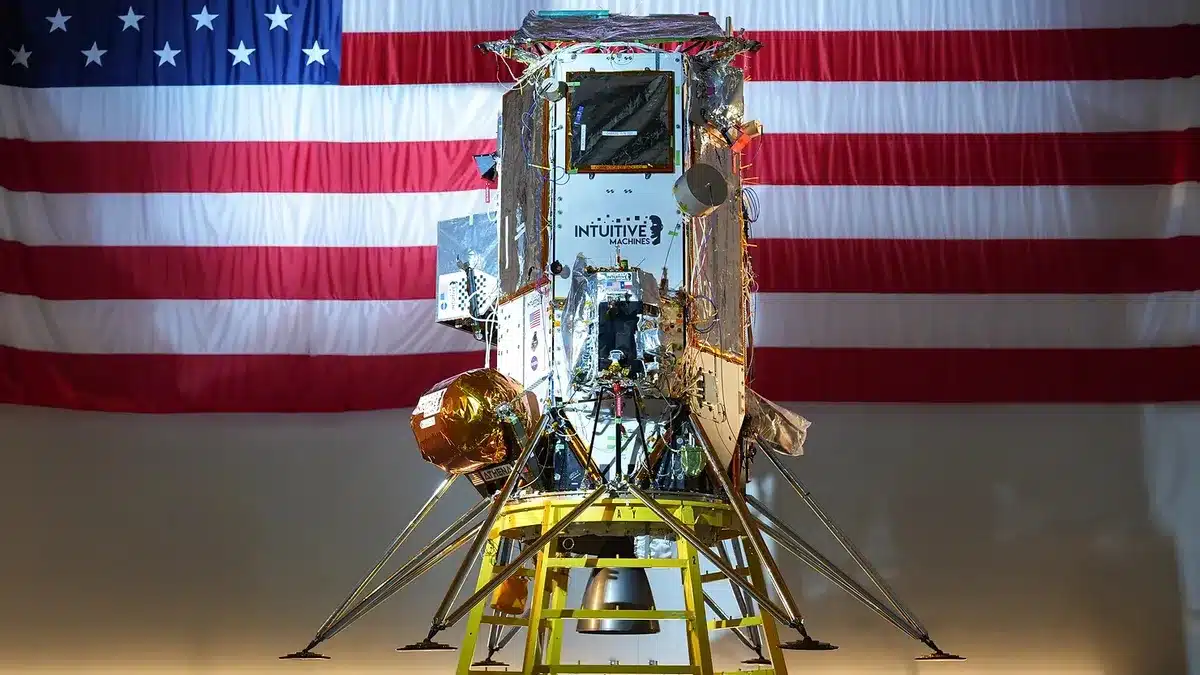
The second lunar lander, Athena was aboard a SpaceX Falcon 9 rocket that blasted off from Kennedy Space Center.
It’s all part of a wider project to explore the Moon for scientific discovery, and technological advancement, and to ‘learn how to live and work on another world’.
DISCOVER SBX CARS: The global premium car auction platform powered by Supercar Blondie
Why NASA sent Athena to the Moon
Athena is scheduled to land near the Moon’s south pole on March 6, 2025.
The IM-2 mission involves searching for lunar water ice using a robotic hopper named ‘Grace’ and an ice-mining drill.
Groundbreaking tech will allow a commercial rover named ‘Mapp’ developed by Lunar Outpost will deploy a temperature-monitoring vehicle.
What’s more, another part of the mission sees Nokia testing a lunar cellular network on the Moon.
The short-lived mission of the Odysseus Nova-C lunar lander in February 2024 was commented on by Intuitive Machines’ senior vice president of space systems, Trent Martin via Space.com.
“We ended up on our side, and we weren’t able to use our large, high-gain antenna to send data back to the Earth,” he said.
“This time, hopefully, we land in a more precise position.”
The Artemis III mission
The mission is part of NASA’s Commercial Lunar Payload Services CLPS program and Artemis III, Athena joins Firefly Aerospace’s Blue Ghost and Japan’s ispace RESILIENCE, making this a historic moment.
It’s the first time that three landers have been en route to the Moon simultaneously.
IM-2 is aiming for a more precise landing than IM-1’s Odysseus lander, which lost power due to an imperfect landing position.
The mission will strengthen NASA’s commercial space efforts and contribute to its Artemis III program.
Its aim to return humans to the Moon – and its new timezone – is planned no earlier than mid-2027 due to issues with the heat shield and life support systems on its Orion craft.
Follow topics and authors from this story to see more like this in your personalised homepage feed and to receive email updates.