This crucial new Apple Weather feature gives you instant evacuation maps right on your lock screen

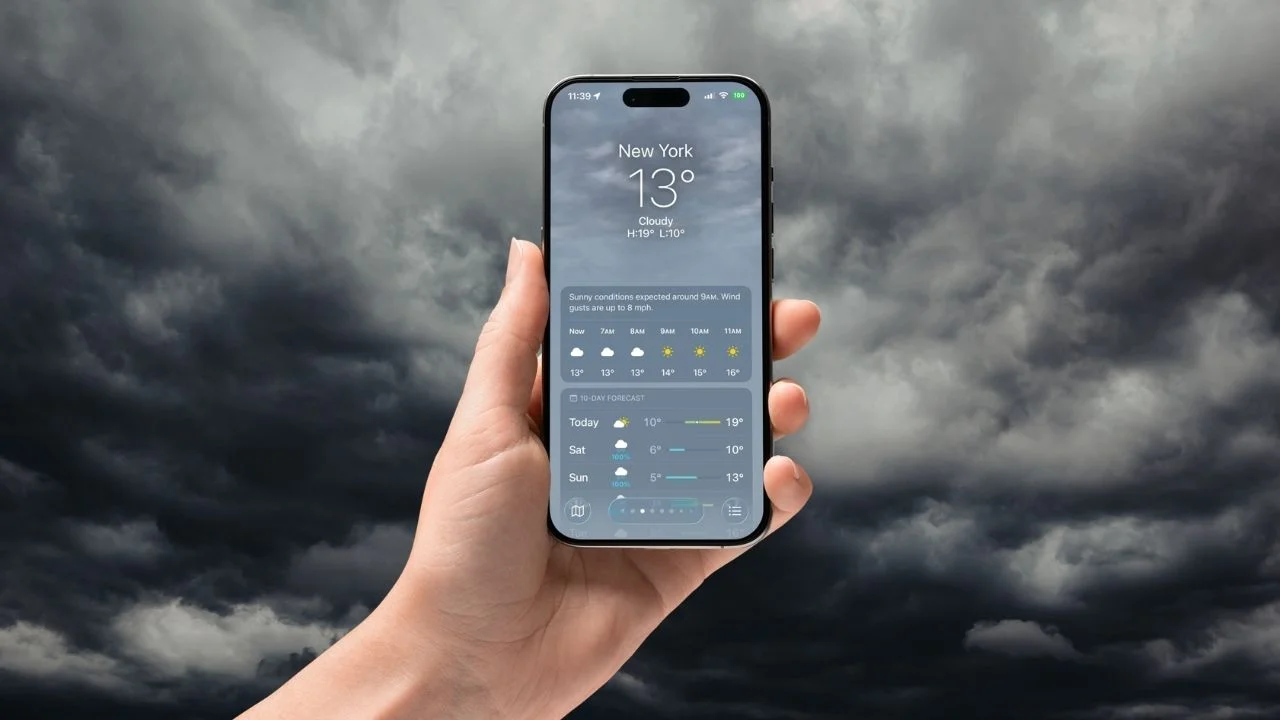

Like all important Apple updates, this one has quietly overhauled one of its most important safety features on Apple Weather, and it’s a change that could make a real difference when it matters most.
The update focuses on how iPhones deliver emergency alerts, making them far more useful than before.
Instead of basic text warnings, users now get better, more detailed information in critical situations.
And it’s all designed to help you react faster when every second counts.
How the Apple safety features have changed
The new tech upgrade has arrived along with iOS 26.2 and has centered improved alerts inside Apple’s Weather app.
Previously, emergency alerts were pretty blunt; you’d get a loud notification and a block of text, often without much context, but now, things look very different.
The new alerts include visual maps showing exactly which areas are affected, so you can instantly see how close the danger is.
They also come with clearer details and guidance, helping users understand what’s happening and what they should do next.
It’s a big step forward for weather apps and turns alerts into something genuinely useful rather than just alarming.
My mom sent me this, never seen this UI before. When did they add "Additional Details" and a map to EAS/WEA alerts? Very cool! pic.twitter.com/vj9MuQT7XQ
— Dylan (@DylanMcD8) April 13, 2026
Apple’s new weather warnings
What really stands out is how much easier everything is to understand on the actual Apple Weather app.
Instead of trying to make sense of vague warnings, users can now see a map, read structured information, and follow official advice more easily.
That means whether it’s a wildfire, flood, or severe storm, you’re not just told something’s wrong, you’re shown exactly what’s going on.
And in high-pressure moments, that kind of information can make all the difference.
It might not be the flashiest update Apple Weather has ever had, but it could genuinely help keep people safe when it matters most, and what price can you put on safety like that?
A short history of weather forecasting apps
1990s – Early digital weather forecasts become available online through government services like the National Weather Service, but mobile access is still limited.
2007 – The launch of the iPhone brings one of the first built-in weather apps to mainstream users, powered by data from The Weather Channel.
2008-2010 – The App Store opens the floodgates for third-party weather apps, including early versions of AccuWeather and The Weather Channel app.
2012 – Hyperlocal forecasting gains traction with apps like Dark Sky, which introduce minute-by-minute rain predictions.
2015-2019 – Weather apps evolve with radar maps, push alerts, and real-time notifications becoming standard across platforms like Weather Underground.
2020 – Apple acquires Dark Sky, signalling a major push into more advanced, integrated weather forecasting. 2023-present – Modern apps focus on richer visuals, AI-powered predictions, and detailed safety alerts, with companies continuing to refine how users receive critical weather information.