Someone took pictures of Portugal on a Nokia 2730 Classic and they ended up looking like old school postcards

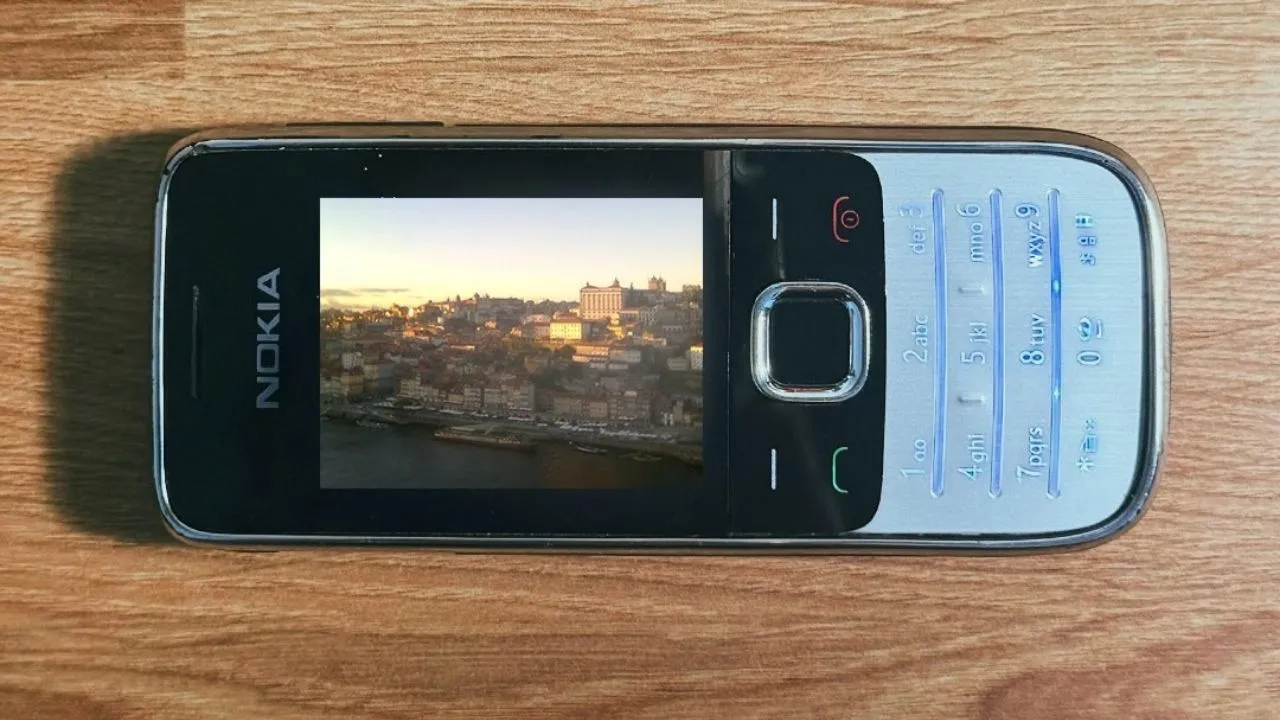

Someone took pictures of Portugal on a Nokia 2730 Classic, and the results look more like old school postcards than photos from a 2009 cellphone.
The budget phone’s tiny 2-megapixel camera was never designed to capture stunning travel photography, but its limitations have given the images an unexpectedly beautiful look.
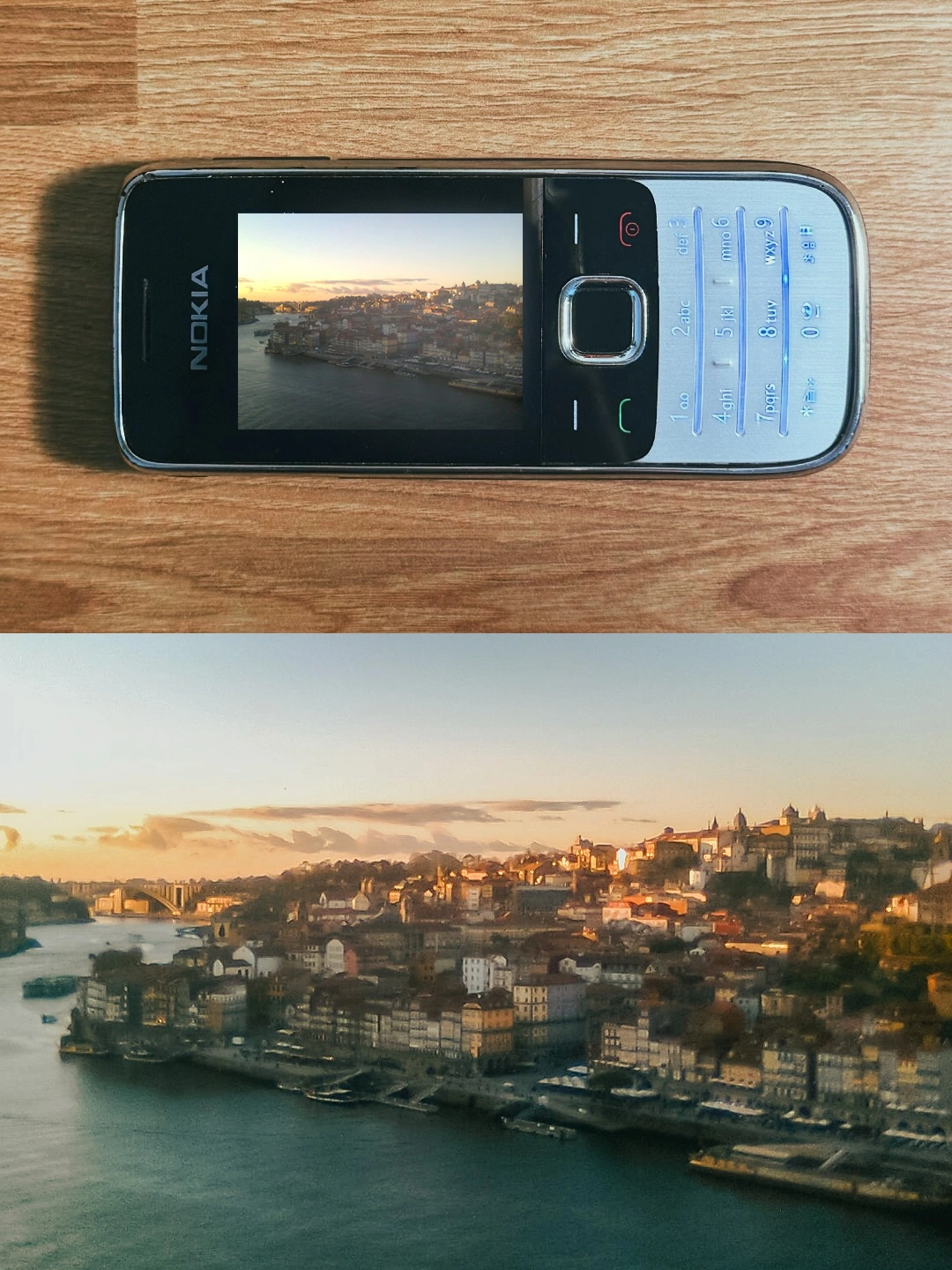
Low resolution and heavy color compression turned a golden hour scene in Porto’s Ribeira district into something warm, soft, and almost like a painting.
It is the kind of photo that would probably take some serious editing and filters to recreate with a modern camera.
The Nokia 2730 Classic was never a photography phone
The Nokia 2730 Classic was an iconic gadget released in 2009 as an affordable 3G phone aimed at emerging markets.
It came with a 2MP camera, which sounds almost comically basic compared with the cameras packed into modern smartphones.
But that basic hardware is exactly what gives these photos from content creator and photographer AJ Sacil who posts on aj.sacil on Instagram their distinctive character.
AJ recently told us that the idea of taking the Nokia around Portugal originally came simply from wanting to travel lighter, rather than deliberately recreate a vintage photography aesthetic.
He told Supercar Blondie: “To be honest, it started because I didn’t want to do 20 to 30k steps a day around Europe carrying a heavy camera setup. So why not just bring something that fits in my pocket?”
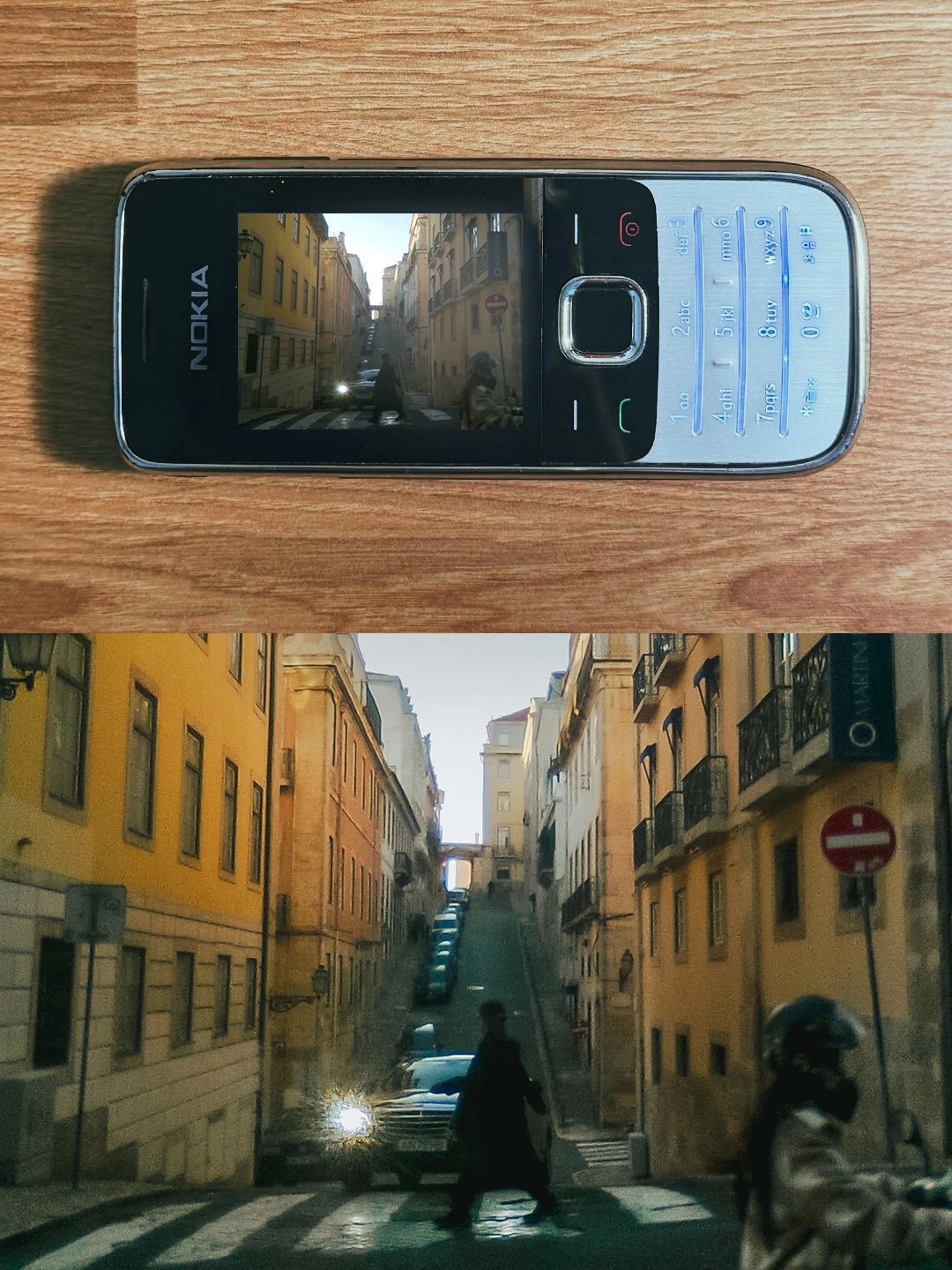
Instead of capturing every tiny detail with razor-sharp clarity, the camera produces a softer image with noticeable grain and compressed colors.
That works particularly well in Porto, where the warm evening light falls across the colorful buildings along the Ribeira waterfront.
The tiny phone also turned out to be less intrusive while travelling, and even became a conversation starter when people noticed what was being used to take the pictures.
Plus, as the photographer joked, “It leaves me with a free hand for a pastel de nata; this is a huge plus point.”
It accidentally gave Portugal a vintage look
The golden hour scene has an almost dreamlike quality, with the city appearing as though it belongs in a box of old holiday postcards.
There is something particularly charming about the fact that none of this was intentional.
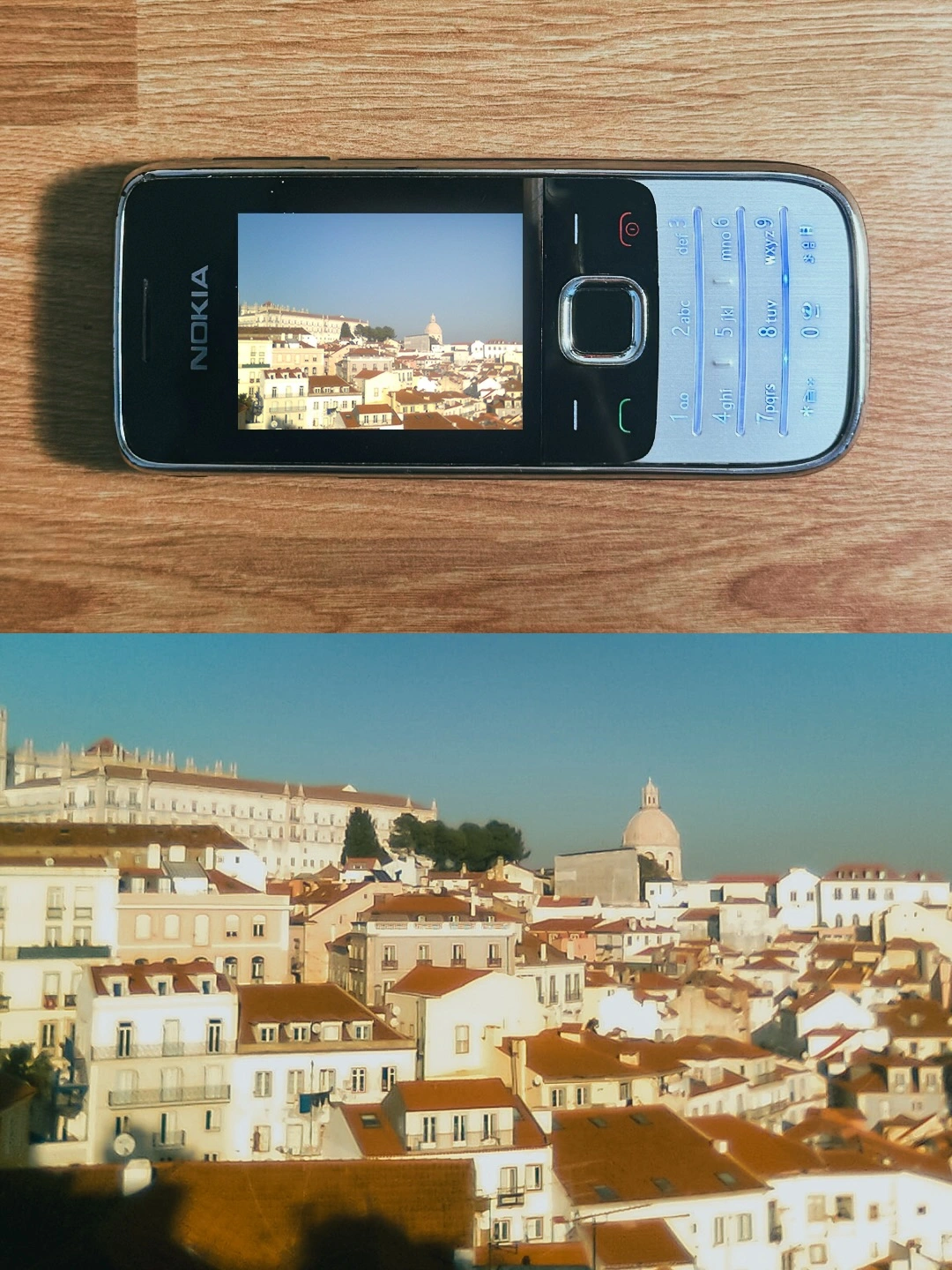
The Nokia wasn’t trying to recreate the look of an old film camera or vintage postcard, it simply had a camera that was nowhere near as capable as the ones we use today.
“The limitations make it fun too,” the photographer said. “You stop worrying about getting the cleanest image and just see what you can do with what you have.”
The Nokia’s painfully slow shutter also means there isn’t much opportunity to fire off dozens of shots and pick the best one later.
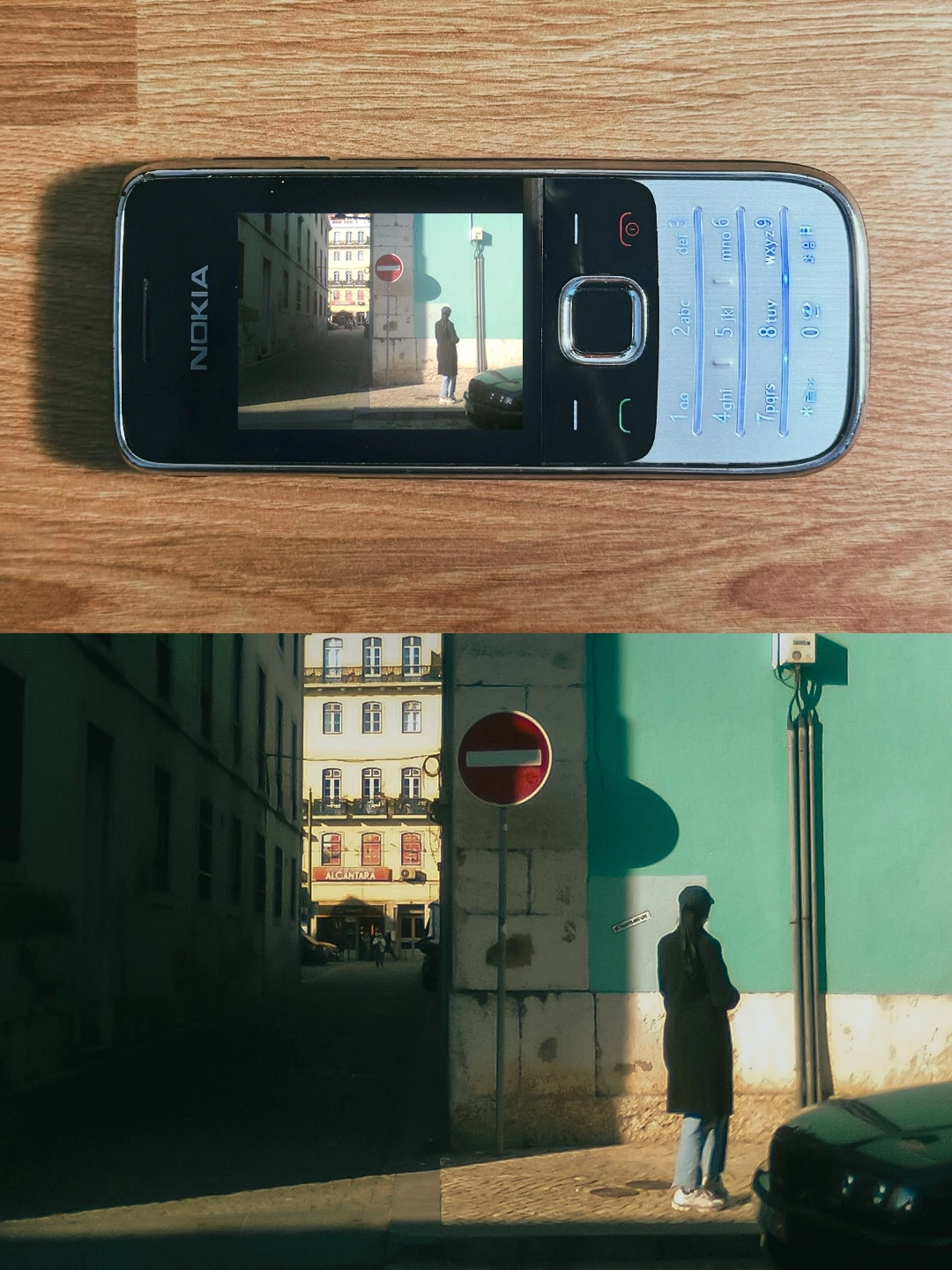
“The Nokia is so slow at taking photos that you kind of have to mean it every time you press the button, can’t really spray and pray,” the photographer explained.
And yet the lack of detail and imperfect colors give the images a character that can be difficult to get from modern photography.
“Overall, there’s something mildly charming about travelling somewhere beautiful and choosing to remember it through a 2-megapixel phone from 2009,” he added.
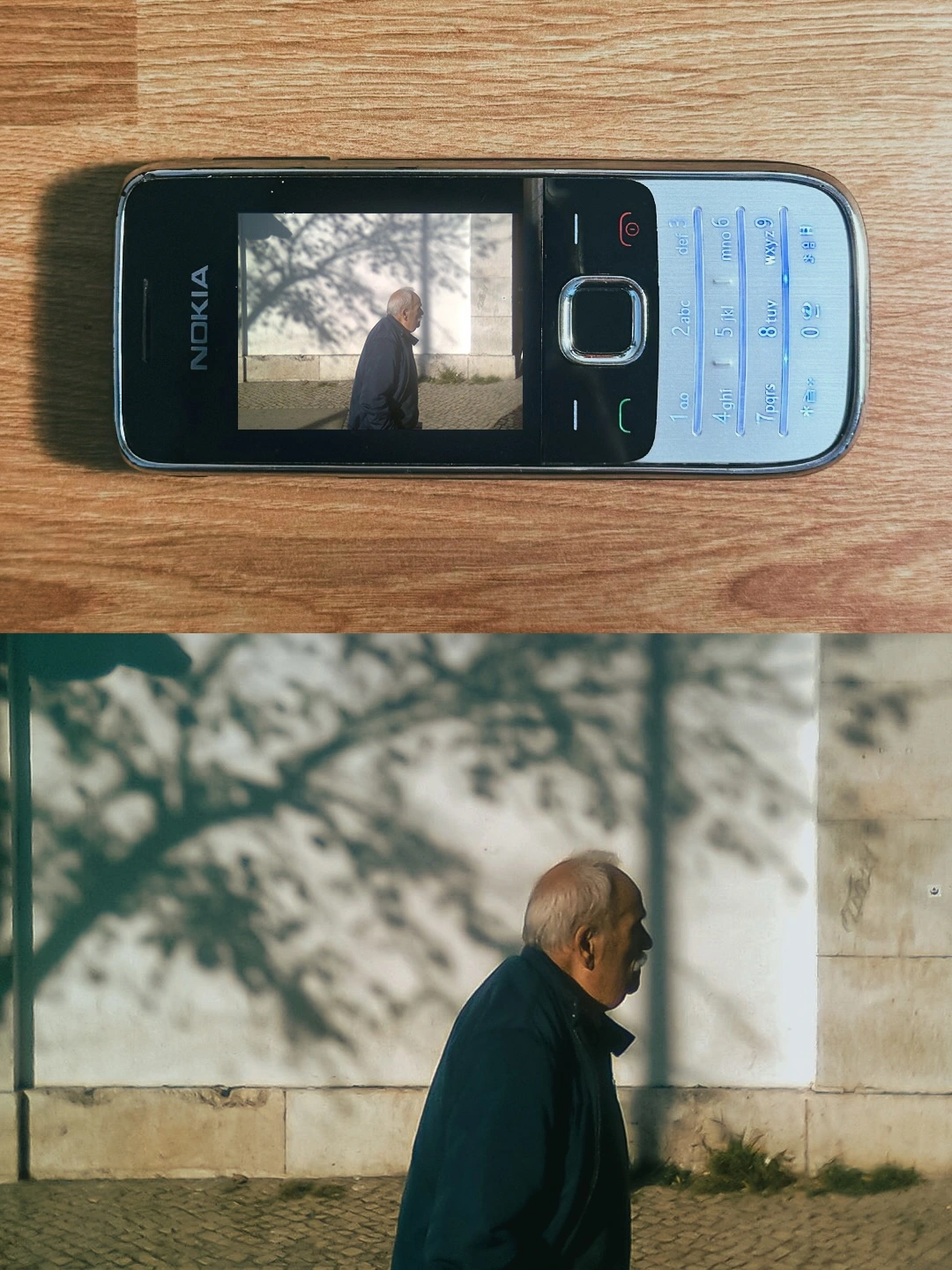
People say the photographer matters more than the gear
The photos have sparked plenty of discussion about how much equipment actually matters when it comes to taking a memorable picture.
One person summed up the sentiment by writing: “People are discovering (again) that what matters is the photographer, and the photographer only. I love to take pictures with potatoes.”
But AJ disagrees.
“I wouldn’t say the tools don’t matter, because they definitely do. A proper camera gives you way more control and makes a lot of things easier,” he explained.
With the Nokia, almost all of that control disappears.
“There’s barely any control, only 2 megapixels, the shutter is painfully slow, and you’re pretty much at the mercy of whatever exposure the phone decides to give you.”
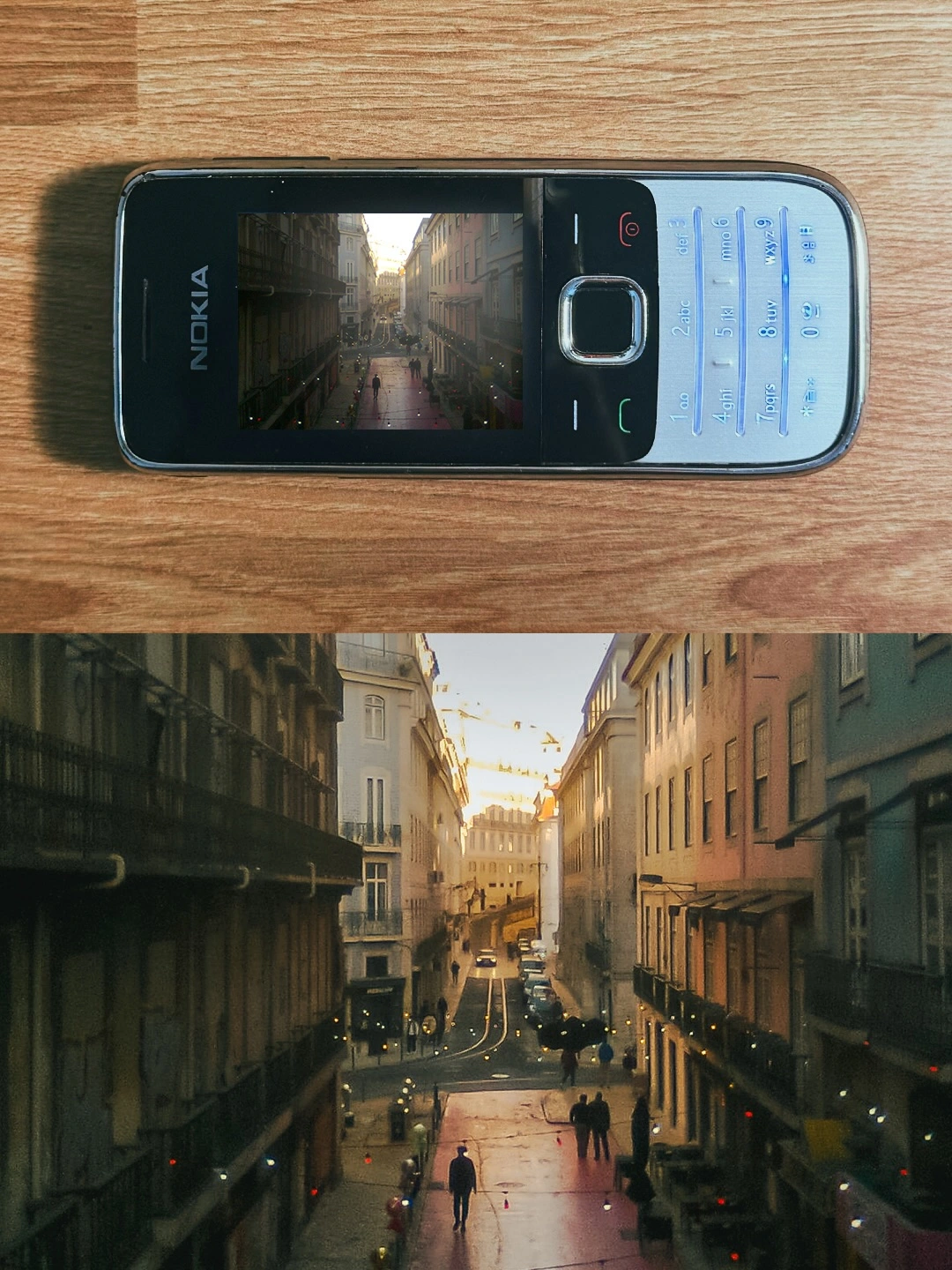
Another commenter praised the photographer directly, writing: “I love your work. It’s the prove that gear doesn’t matter. Your vision is superb!!!”
While the praise is certainly justified, thought, concentration, and setting up the shot remain incredibly important.
“You can’t really rely on the camera to bail you out, so you end up paying more attention to composition, timing, and just noticing something worth shooting in the first place,” AJ said.
“It makes you work a little harder for a photo, which is weirdly part of the fun.”
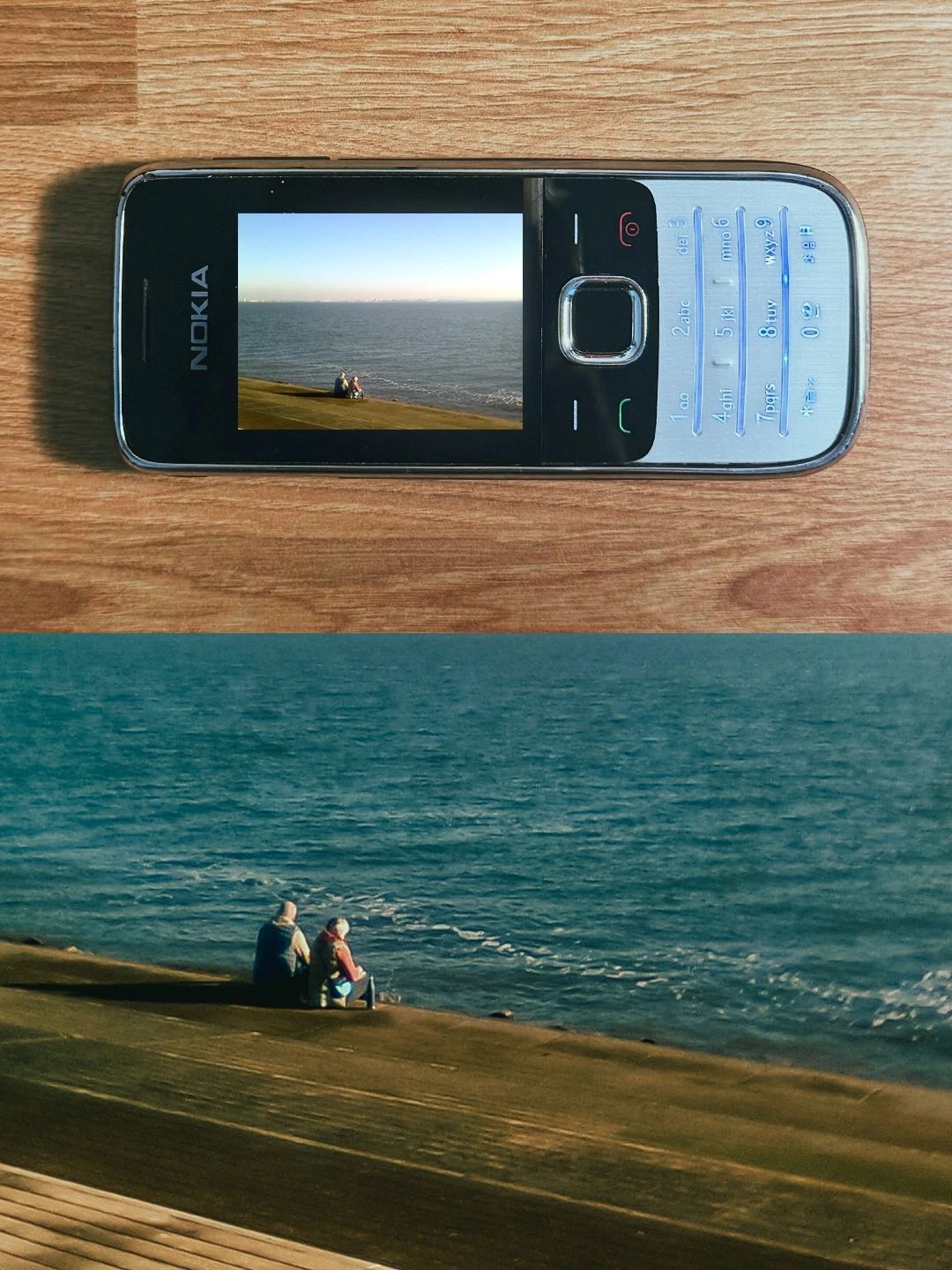
The photographer also still edits the images in Lightroom afterwards, just as he would with photos taken on a more capable camera.
“There’s only so much you can squeeze out of a 2-megapixel JPEG before it starts fighting back, but seeing how far I can push it is interesting in itself.”
Others pointed out the irony that photographers can now spend thousands of dollars trying to recreate the grainy, imperfect look that older cameras produced naturally.
One person wrote: “Nowadays we buy cameras for 2k to have the same grainy and blurry effect and to have those vintage colors.”
The Nokia 2730 Classic was never intended to be a travel photographer’s dream camera.
But point it at Porto at the right time of day, and suddenly its potato qualities become part of what makes the pictures so special, and also the fact there is a free hand for eating pastéis de nata.