Man shares what everyone doesn't tell you about plug-in solar as the DIY solution goes viral

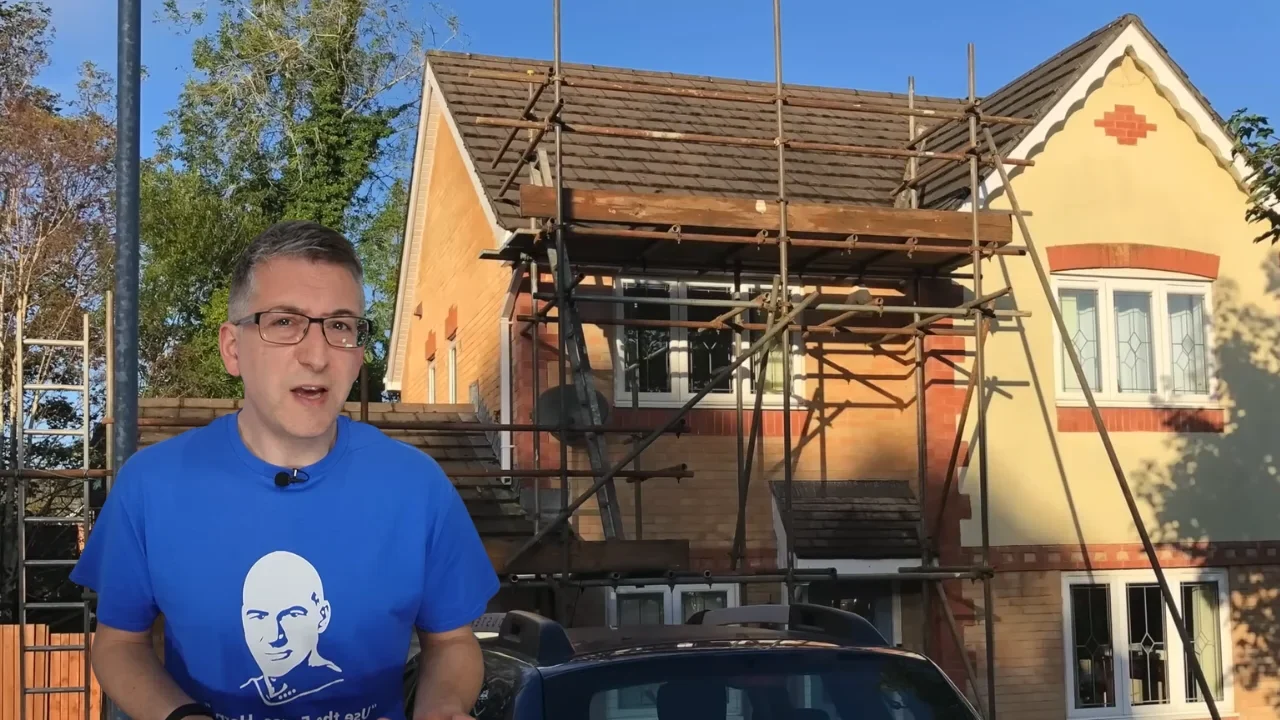

Plug-in solar has quickly become one of the most talked-about DIY energy trends, promising cheap, easy electricity without the hassle of a full rooftop install.
For a YouTuber, the idea sounded almost too good to be true: buy a couple of panels, plug them into your home, and start saving money instantly.
But for him, there was a lot more going on behind the scenes than the headlines suggested.
And while the DIY solution was gaining traction, there were a few important details that most people weren’t being told.
Man shares what everyone doesn’t tell you about plug-in solar
In the DIY video, the content creator broke down how plug-in solar was designed to remove the biggest barriers to getting involved in solar power.
Traditional solar setups had cost thousands and involved roof work, specialist installers, and lengthy paperwork.
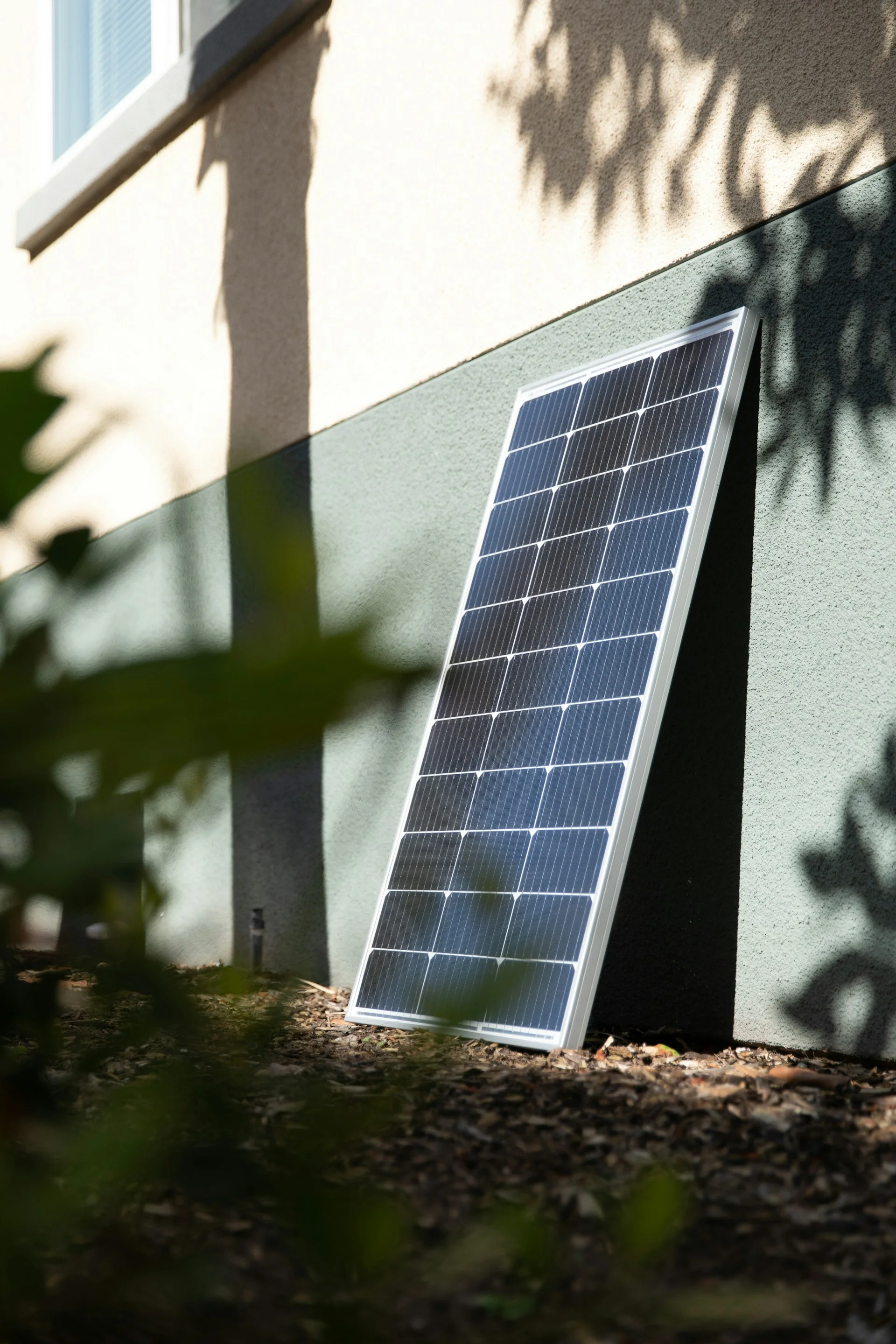
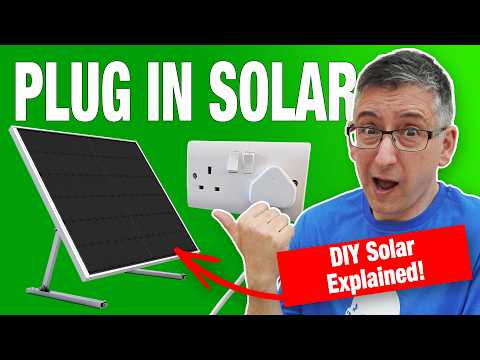
Plug-in solar panels flipped that entirely, allowing users to place a small number of panels outside and connect them directly to a standard household socket.
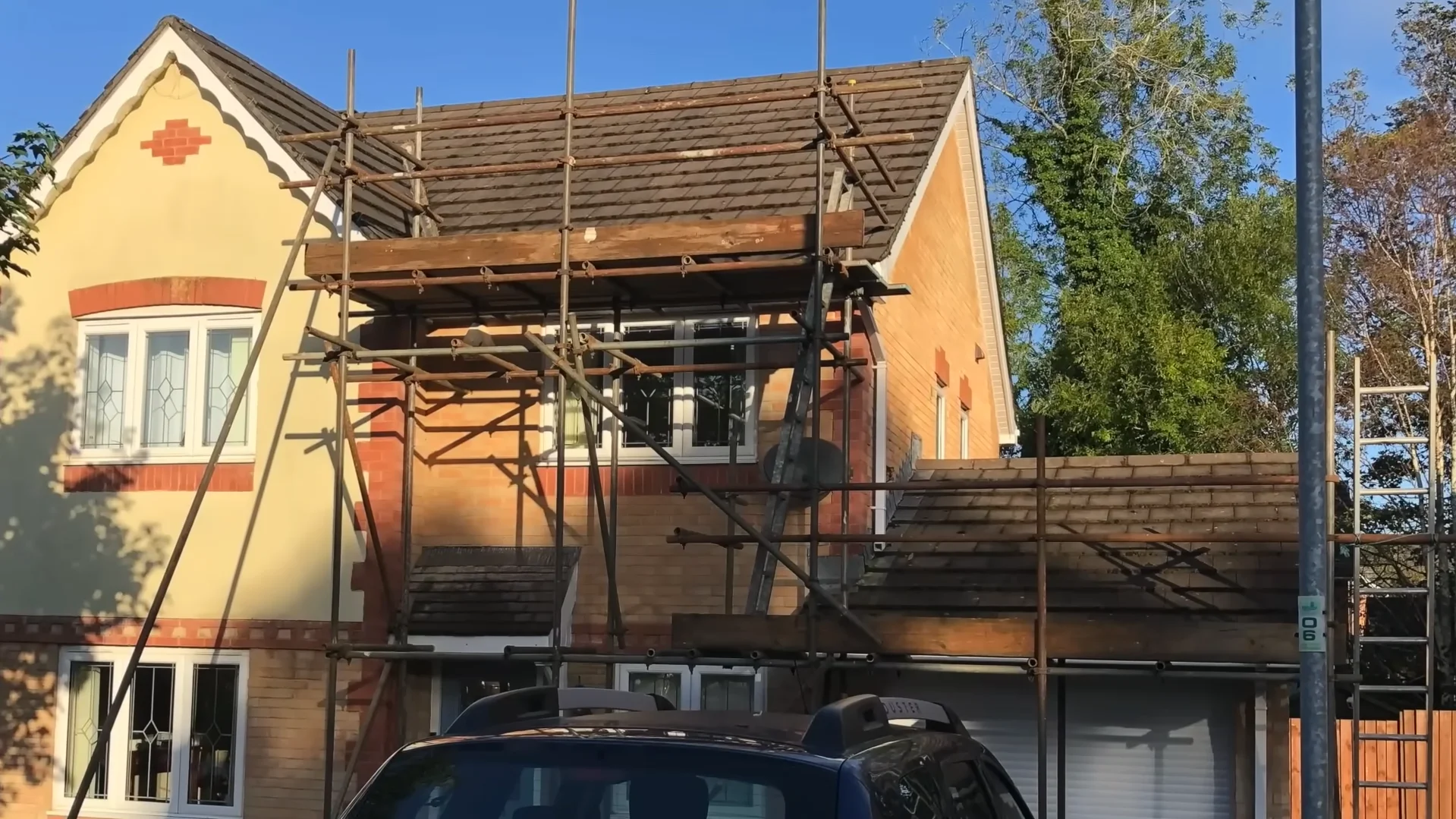
“You’ve probably seen in the news recently that the government is planning on relaxing the rules around the use of plug-in solar in the UK,” the British YouTuber, Speak to the Geek, said.
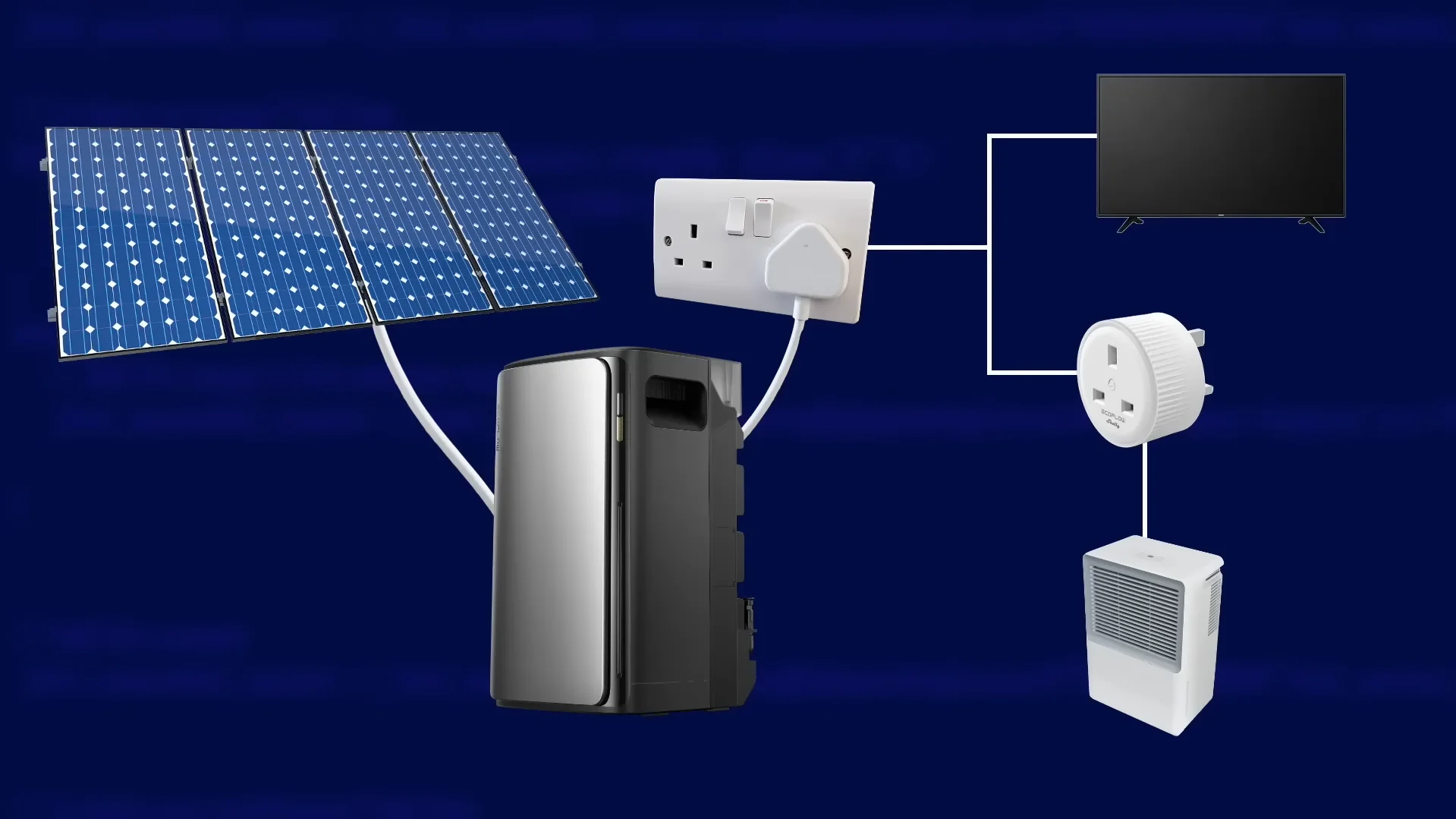
He explained that these systems typically use a microinverter to feed electricity straight into the home, meaning appliances like fridges, TVs, and computers could immediately start running on solar power.
The UK government had already been working with regulators and retailers to make these systems widely available, with plans to cap output at 800 watts to keep them safe for everyday use.
The DIY solution goes viral, but there’s a catch
Despite the simplicity, the reality wasn’t quite as effortless as it sounded.
One of the biggest limitations was what happened to excess energy.
While unused electricity could be sent back to the grid, solar DIY users were unlikely to be paid for it in the same way as those with professionally installed systems.
“I think it’s probably a safe assumption that you won’t be able to do that, at least not in the short term with a DIY solution,” he explained.
That made it important to use as much of the generated power as possible in real-time, with some users turning to smart plugs or battery storage to maximize efficiency.
Plug-in batteries from companies like Anker and EcoFlow can store unused energy for later, but they don’t offer the same level of control as full home battery systems.
In many cases, an additional energy monitor is necessary to optimize performance, which could require professional installation.
Safety was another key concern raised in the video, because older wiring might not have been suitable for plug-in solar, and certain electrical safety devices weren’t designed to handle electricity flowing back through the system.
With major retailers preparing affordable products and regulations expected to change, plug-in solar looked set to go mainstream.
But as the video made clear, there was far more to consider than simply plugging in and watching the savings roll in.