Everyone knows the iPhone but these are the Apple products that no one realizes actually exist


Aside from the iPhone, indisputably the most popular and recognizable Apple product ever made, Apple also makes a bunch of devices we’re all familiar with.
We’ve got MacBooks, different types of AirPods, and the only other device that still carries the ‘i’ designation: the iPad.
Interestingly, there are also a lot of products that most people either didn’t even know existed or forgot about altogether.
Including, believe it or not, an actual gaming console.
Printers and scanners
Back in the 1970s and 1980s, Apple was busy developing various iterations of what would eventually become the great-great-great-grandfather of a modern Mac.
But in 1983, right after building Lisa – widely considered the first mass-market PC with a graphical user interface – Apple also unveiled ImageWriter.
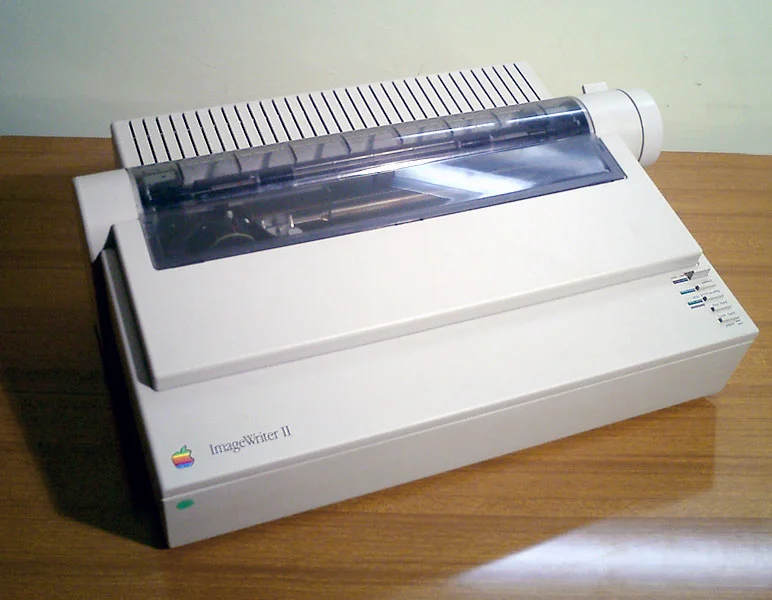
ImageWriter was a very expensive (around $2,100+ in today’s money) dot matrix printer – basically a rudimentary printer for images and text.
Even though most people probably forgot about it, ImageWrinter was not a one-off product.
Through the 1980s and 1990s, Apple introduced dozens of different printers and even a couple of scanners.
This all ended in the 2000s, when Apple decided printers were no longer something worth working on.

Apple HomePod’s predecessor
Most people may be familiar with HomePod, a smart speaker that’s sort of similar to Amazon products like Alex Echo.
HomePod is a modern product, introduced in 2018, but only hardcore Apple fans know that it had a forefather.
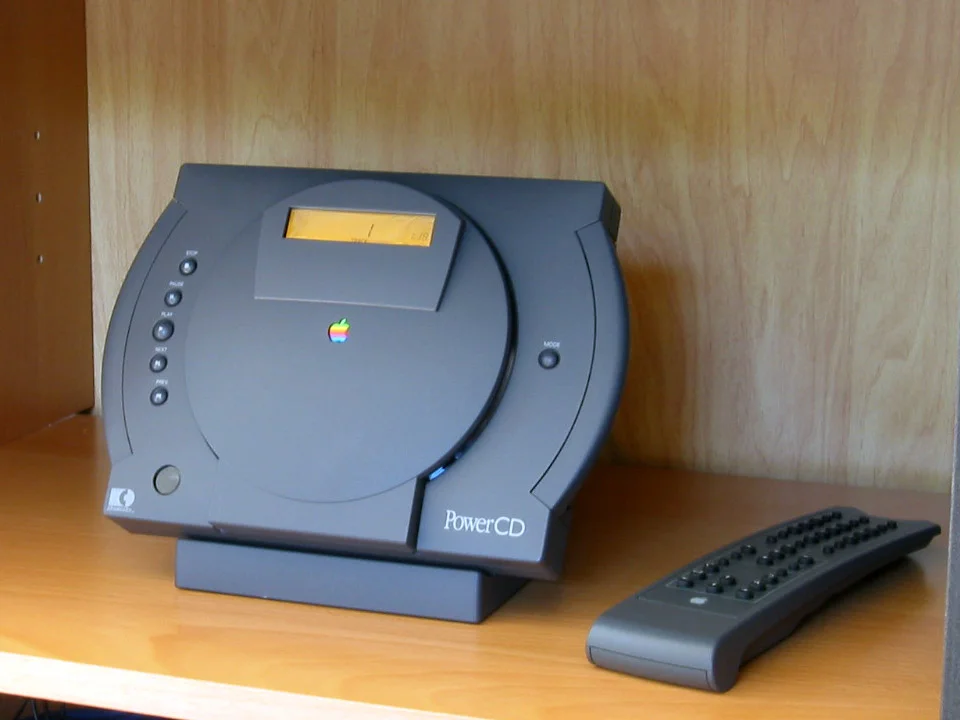
In the 1990s, Apple began producing a series of CD players and speakers called PowerCD and Powered Speakers.
This is indeed an ancient product, so ancient that it still proudly displays the rainbow-colored logo.
Apple made digital cameras
The 1990s were clearly a great time for Apple.
The company was having a lot of fun, and back then, pressure from shareholders was not the same as it is today.
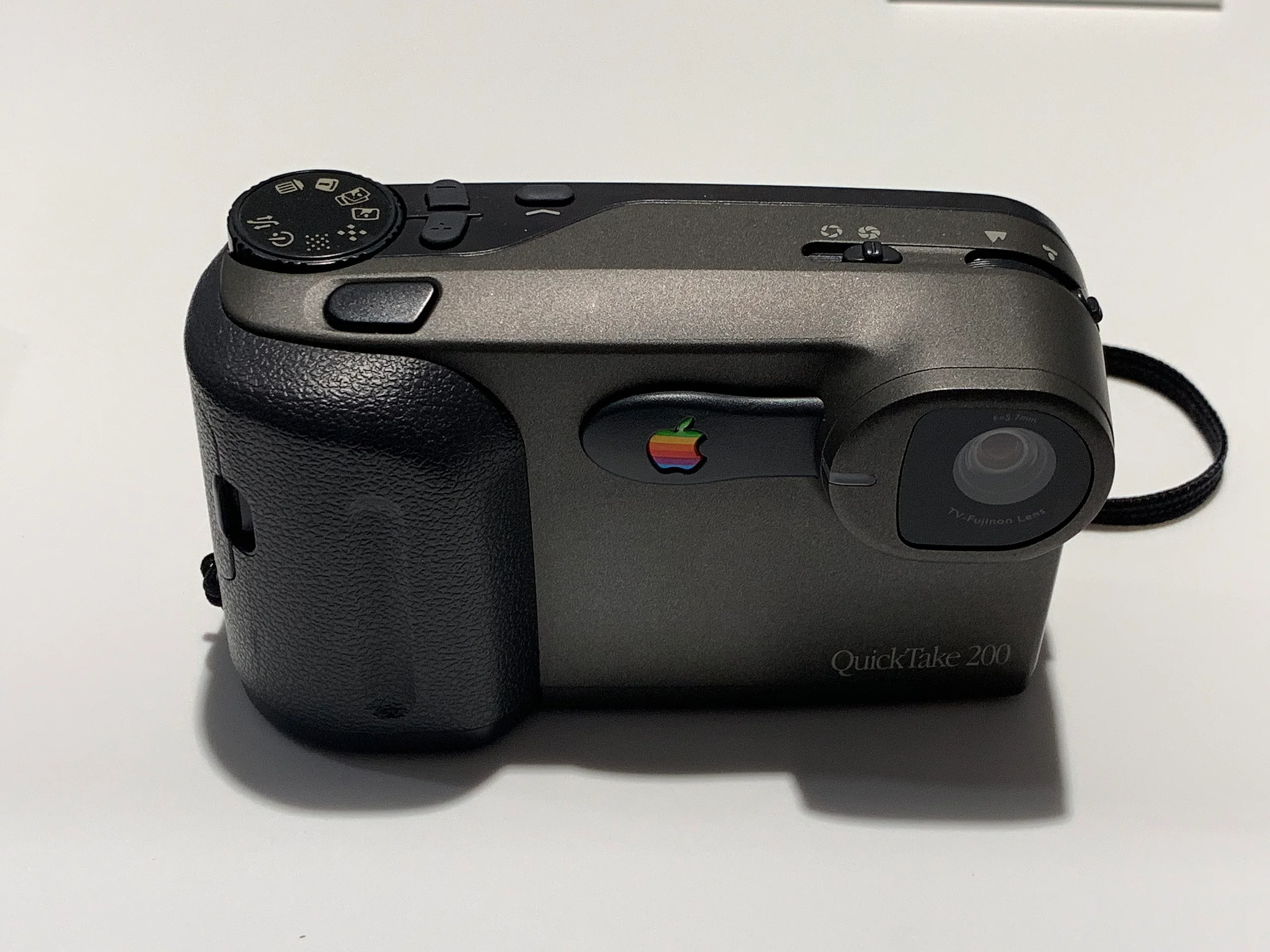
This probably explains why Apple decided to launch a series of cameras called QuickTake.
Three models were built, and they were exactly as advertised: they were point-and-shoot digital cameras.
Pure and simple.
Also, as a side note, point-and-shoot photography is still Apple’s forte with the iPhone.
Digital cameras are generally considered obsolete these days.
People either use their iPhones (including for actual films) or high-tech professional cameras, with not much in between.
Also, we should point out that even though Apple no longer produces cameras for the mass market, the company did develop a special camera for the F1 movie.
The longest-running product we all forgot about: Newton
In the early 1990s, way before the iPhone, the era of portable digital communications devices was dawning.
People were beginning to carry mobile phones and Personal Digital Assistants—or ‘PDAs’ for short.
Today, those two things are basically the same, but back then, a PDA was an entirely separate device.
In 1993, Apple unveiled the Newton, a PDA with its own operating system and even a touchscreen.
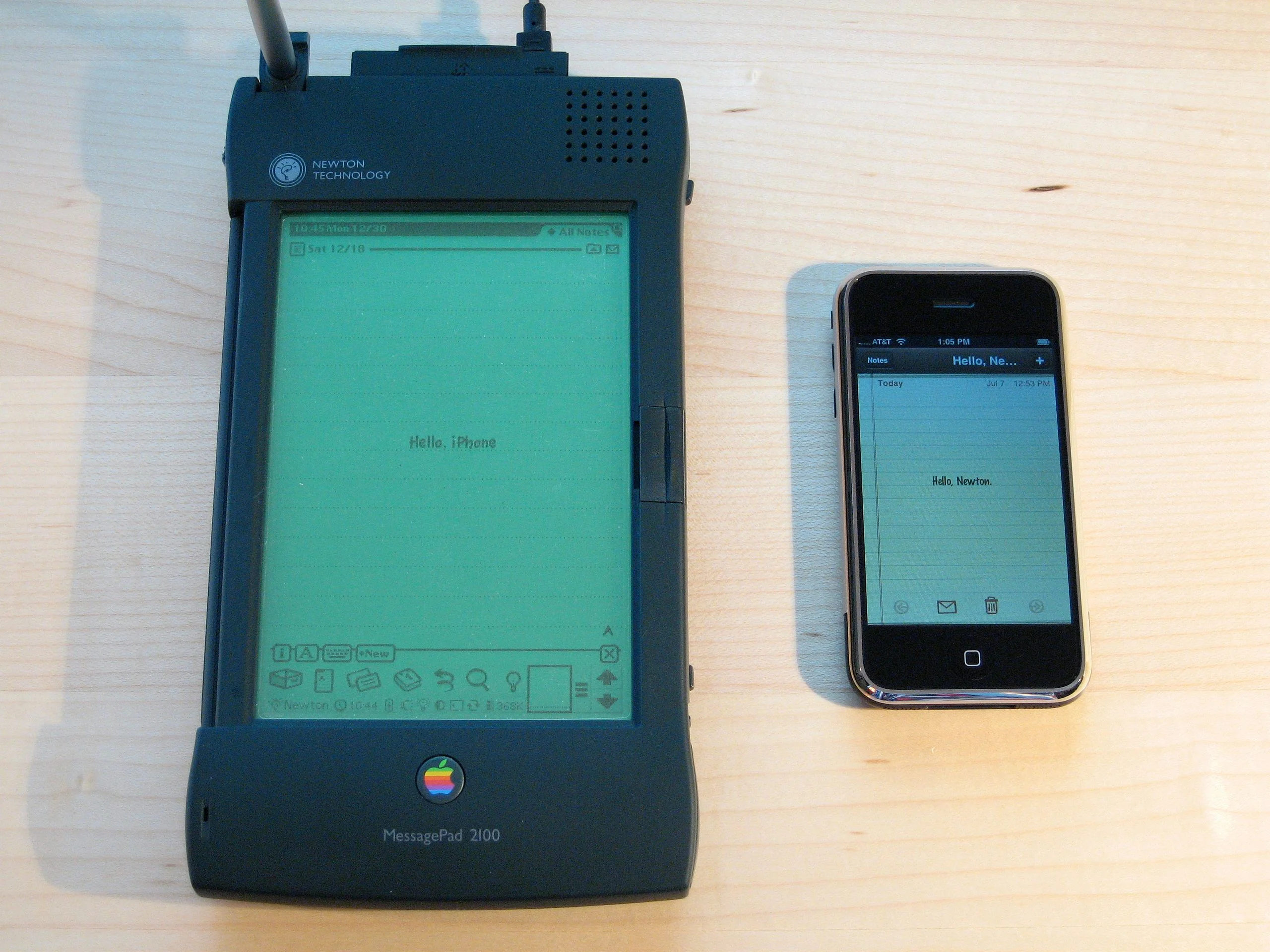
It remained in production for five years, which means it lasted longer than the iPhone mini (four years) and the 12-inch MacBook (two years).
Not bad for a product most people have no idea ever existed.
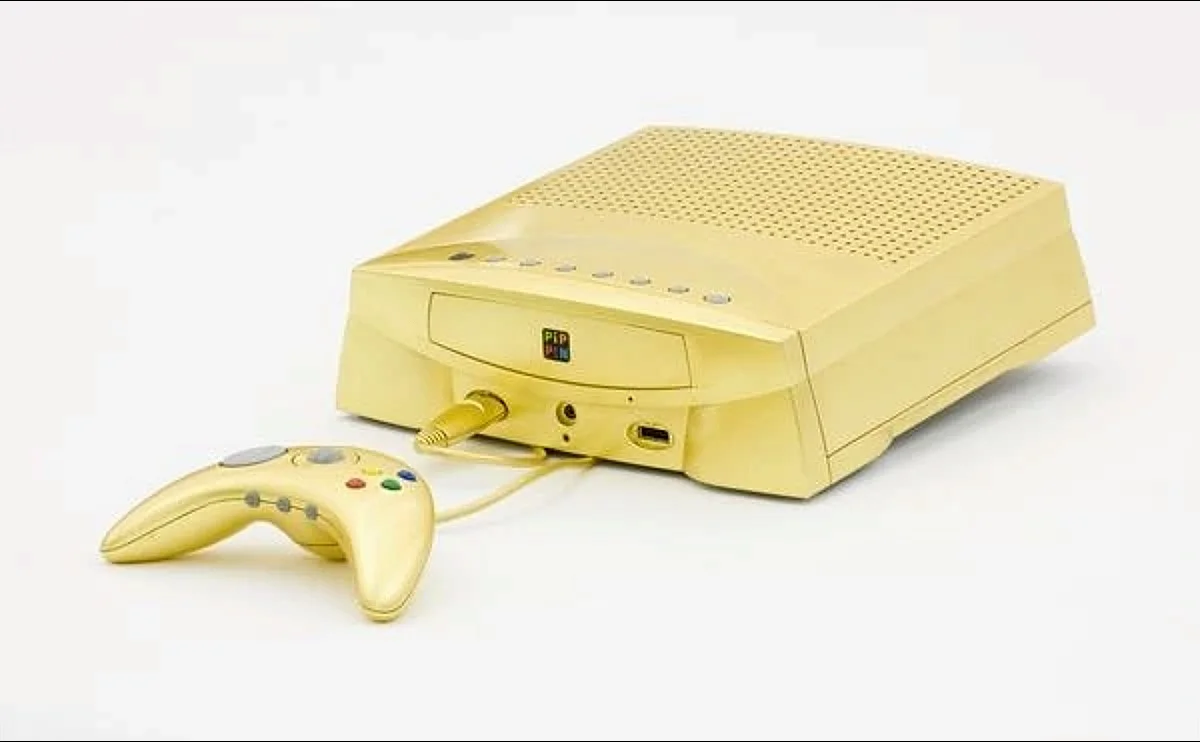
‘Pippin’ – when Apple wanted a piece of the gaming pie
In the 1990s, Sony revolutionized the gaming world with PlayStation, and Apple decided it wanted a piece of that particular pie.
The tech company unveiled Pippin (named after a variety of apple), a video game console manufactured by Bandai.
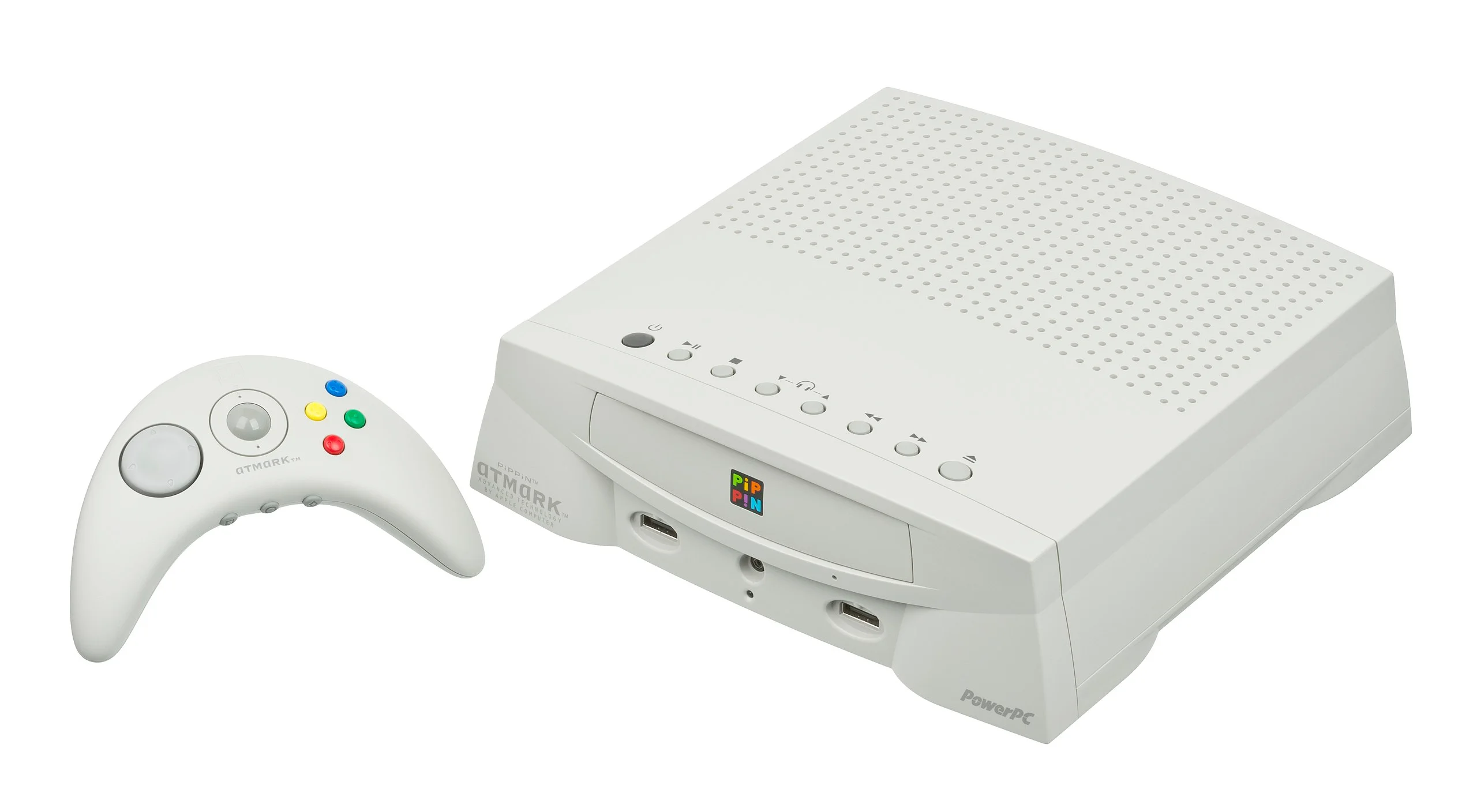
It was expensive – priced at $599 ($1,200 today) – but it sold relatively well.
Apple shipped around 42,000 units worldwide, which is not bad for an experimental product with a very hefty price tag.
Mac Cube – fascinating, but not super practical
Unveiled in 2000, Mac Cube was a personal computer that was not a particularly groundbreaking concept at the time
However, what made it unique was its design.
It was cubic, of course, but it was also designed with a handle that you could pull to gain access to the computer’s internal.
In theory, you could carry it around like a briefcase and call it a ‘portable’ personal computer.
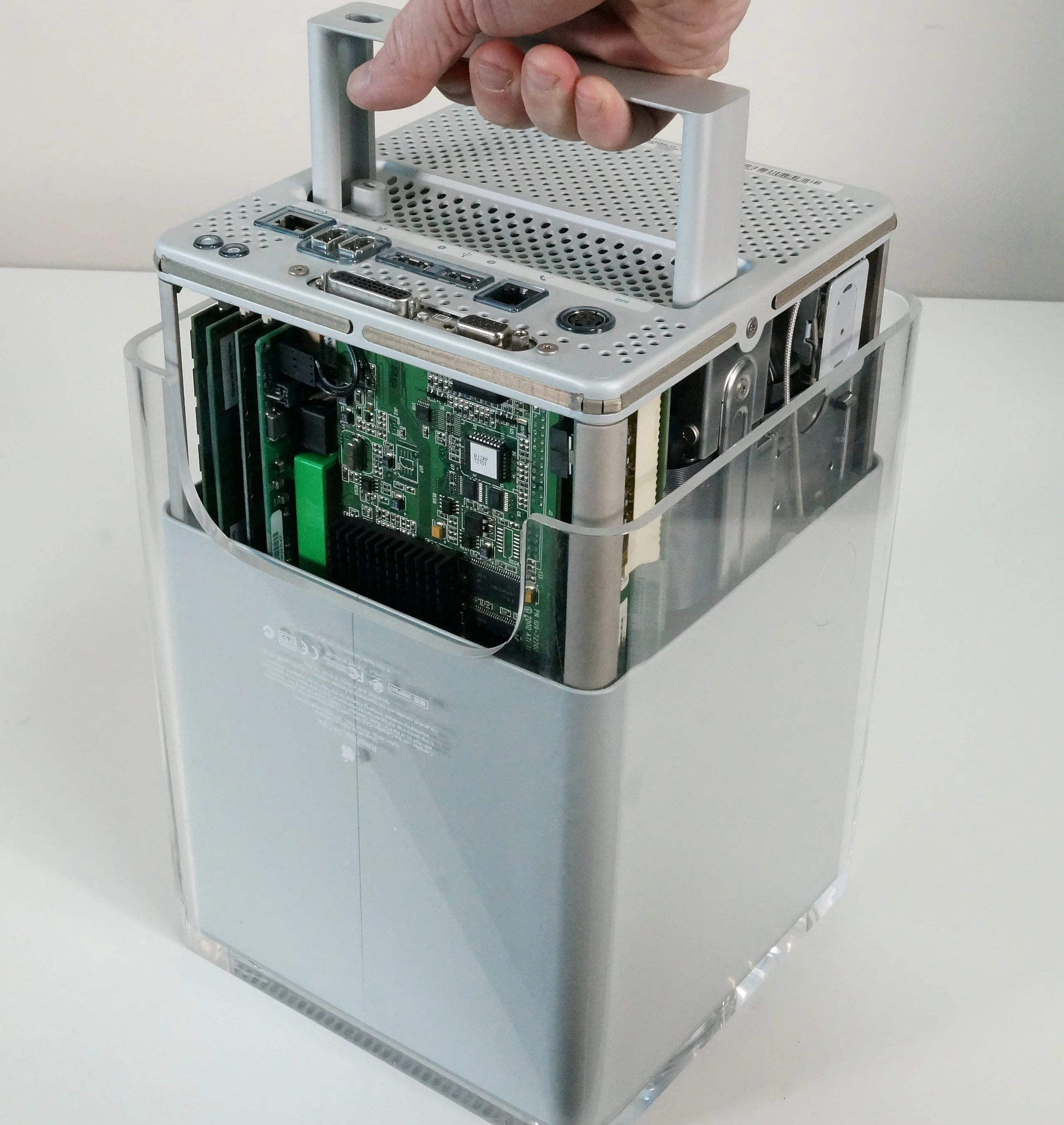
It wasn’t a particularly practical idea, though.
Aside from anything else, it was very heavy (6.4 kilograms).
It was also a ‘dud’ – one of the rare failures for the company under Steve Jobs.
They only sold 150,000 units before discontinuing the product altogether.
Honorable mention: Vision Pro
The Vision Pro can’t be categorized as a forgotten product yet because it’s too new, but it risks becoming one of those great ideas that never quite worked for the public.
Even Apple seems to have shifted the goalposts.
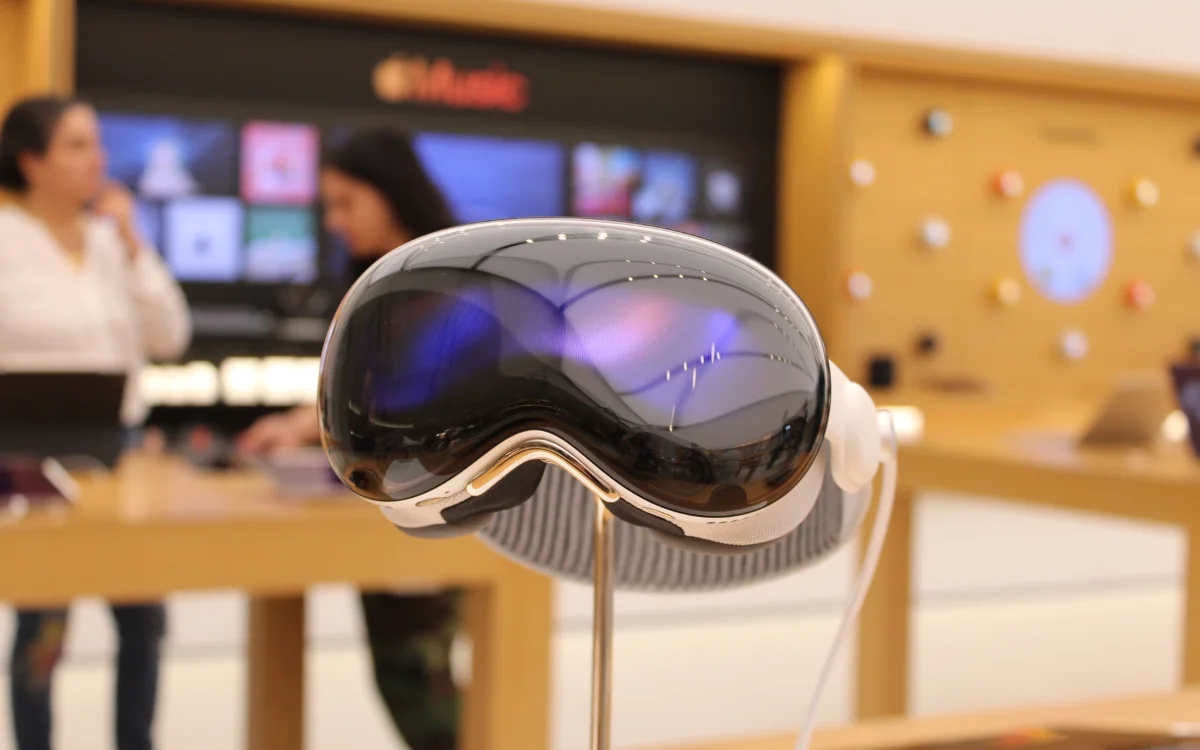
While they’ve highlighted that half of the Fortune 100 have purchased the device for corporate use – like surgical planning or flight simulations – they’ve essentially admitted its commercial viability for the average person is limited.
It’s way too heavy, way too expensive, and the everyday use cases are still thin.
The simple fact is that after the initial hype, no one wants to be seen in public with a giant white helmet-style visor.