Ex-NASA head reveals the real reason we haven’t gone back to the Moon for 50 years as we are finally returning

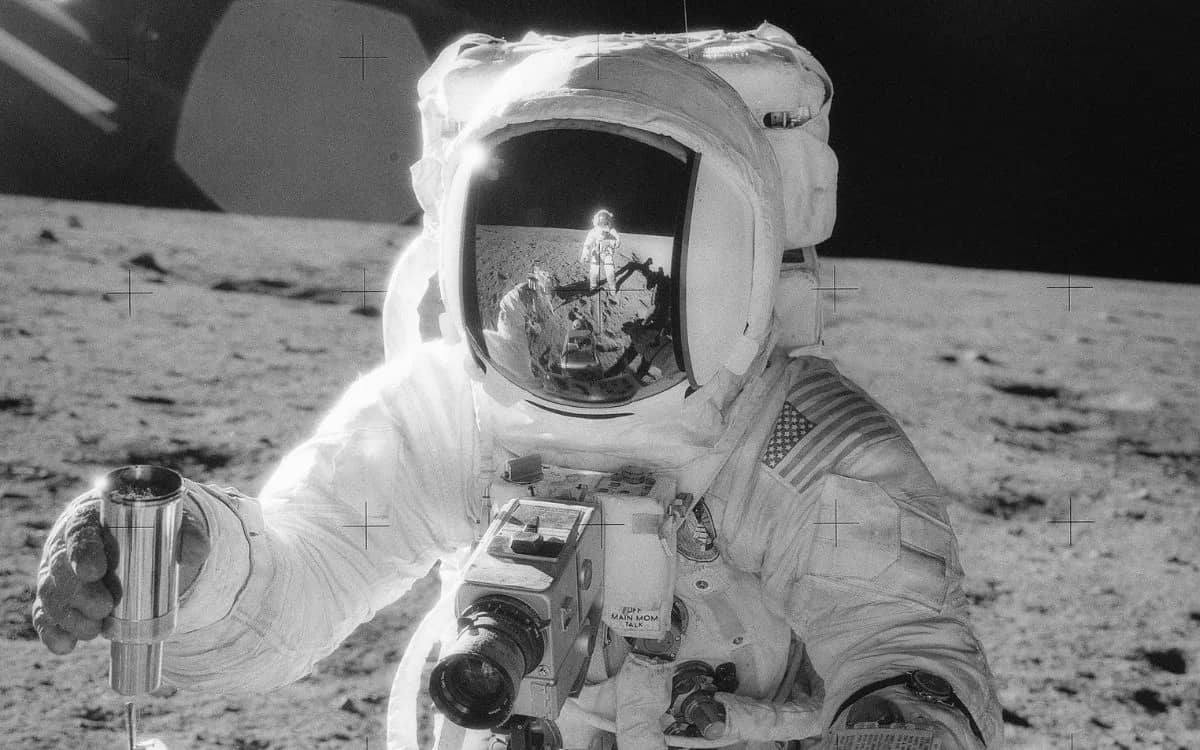
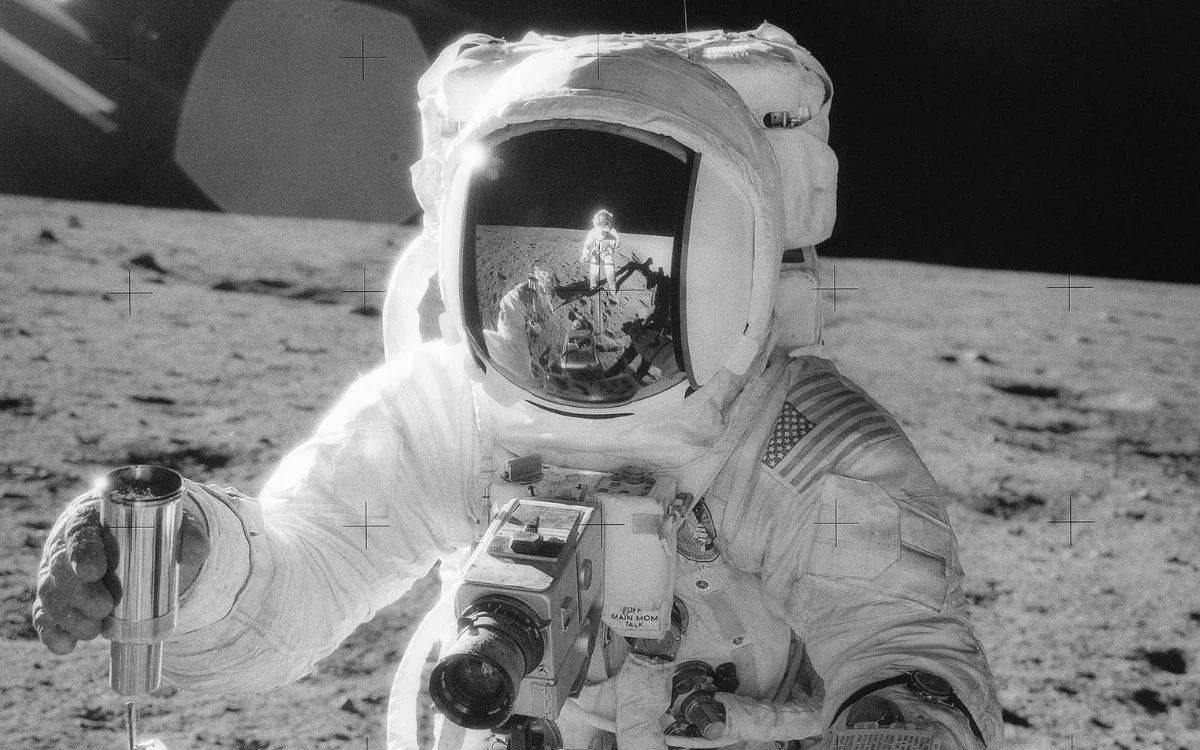

Have you ever wondered the real reason why it’s taken 50 years for humans to go back to the Moon?
It turns out the answer is a lot less sci-fi than you might think; plenty of people assume the hold-up was down to technology, but former NASA administrator Jim Bridenstine says that was never really the main issue.
Instead, he pointed the finger at politics, risk, and the huge amount of time and money these missions demand.
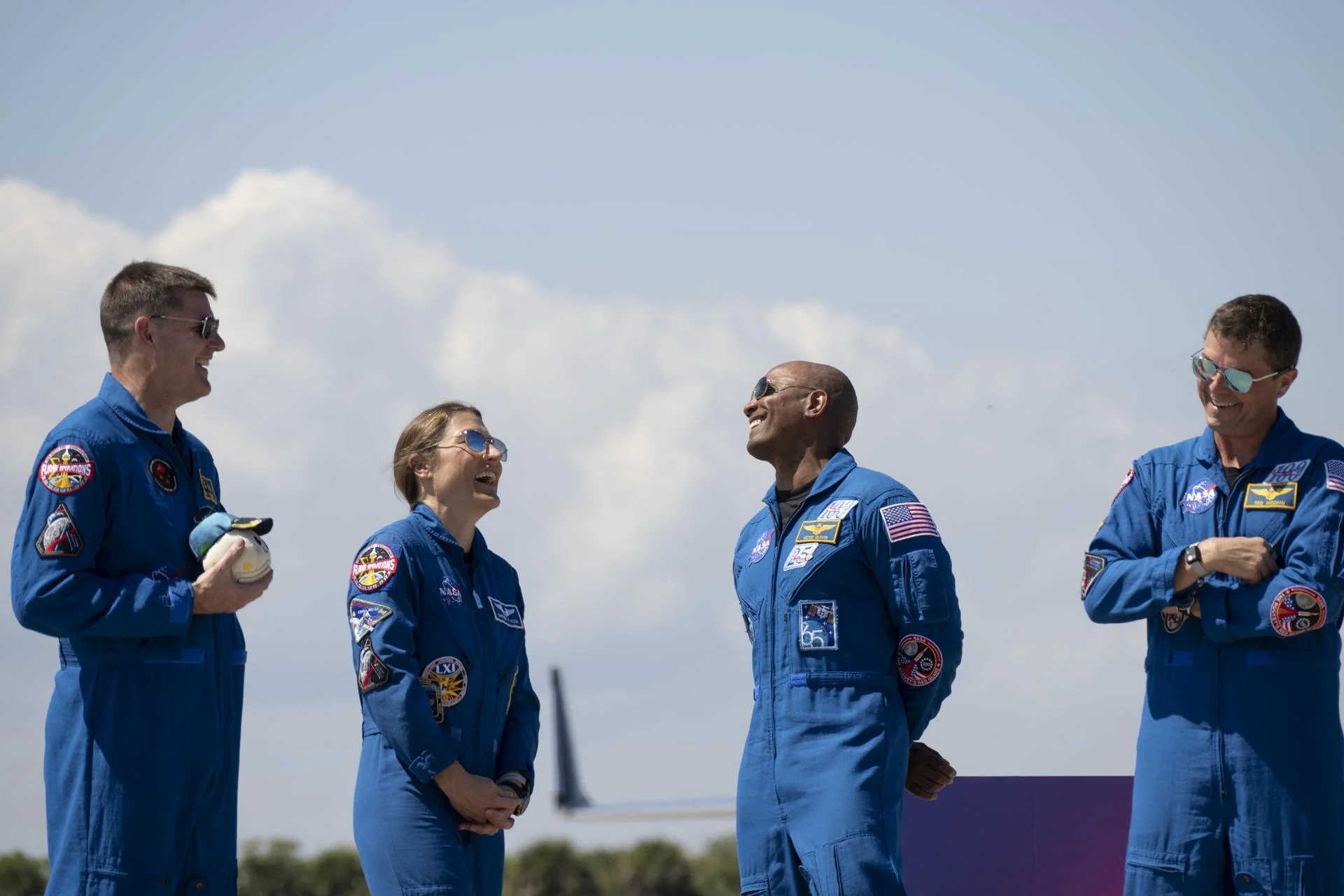
Now, with Artemis II lining up as NASA’s first crewed mission around the Moon in the Artemis era, it finally feels like lunar travel is back on the runway.
Why haven’t we gone back?
Ah, the Moon – every young child dreams of growing up to become an astronaut, going to space, and checking out the big ball of rock in the sky.
Humans last walked on the Moon in 1972, when Apollo 17 commander Eugene Cernan became the final person to leave footprints on the lunar surface.
That was over 50 years ago, which feels almost unbelievable, especially considering how fast space technology has advanced since then.
But Ex-NASA head Jim Bridenstine said the real blocker wasn’t that NASA suddenly forgot how to do it.
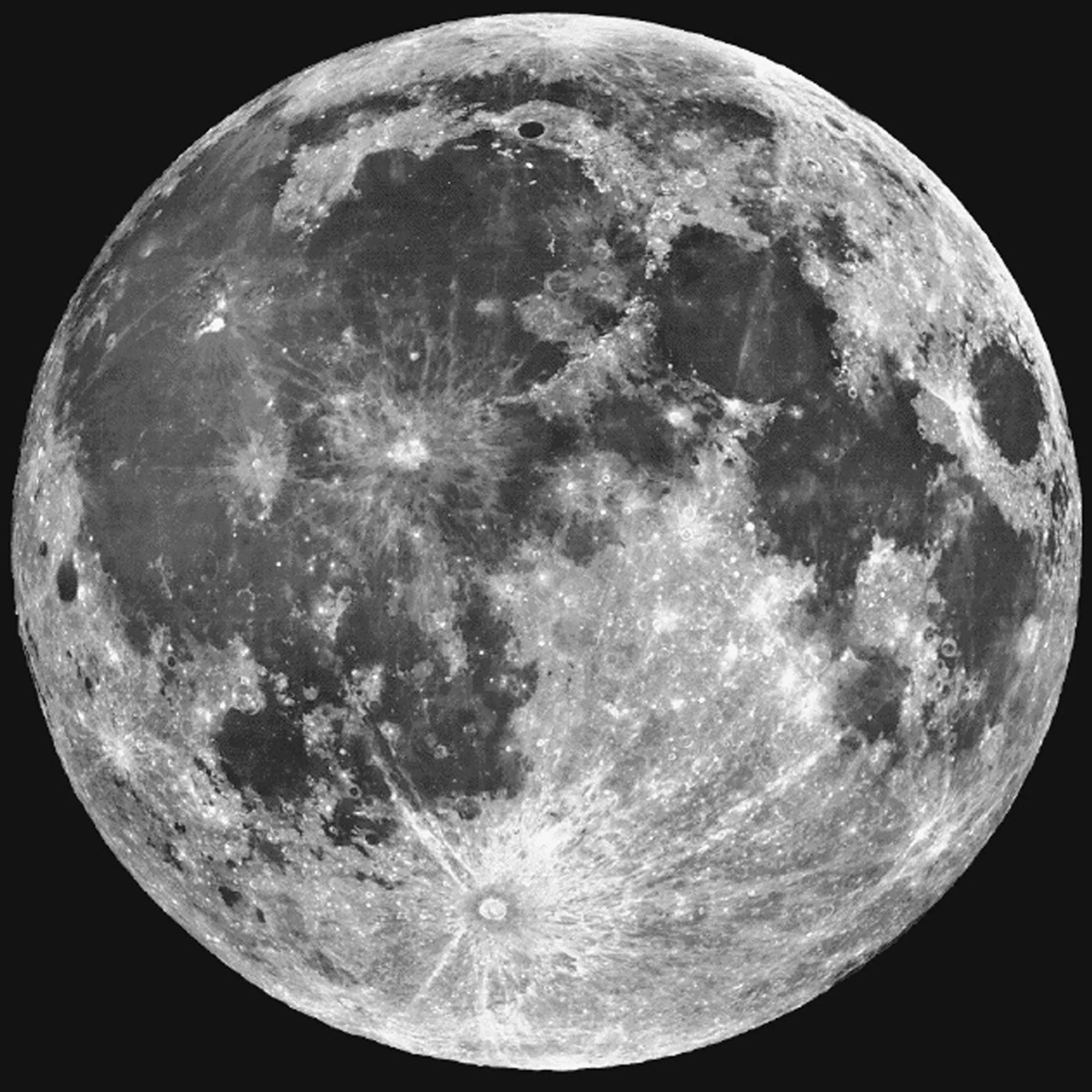
He argued that political risk got in the way, adding that if it had not, we would likely already be back on the Moon and perhaps even on Mars.
He also boiled the problem down to two brutally simple points: the program took too long, and it cost too much money.
That is a pretty huge reality check when you think about how often Moon missions are talked about like they just need a big rocket and a bit of ambition.
In reality, getting humans safely there and back is wrapped up in budgets, priorities, administrations, and whether governments are willing to stay committed for the long haul.
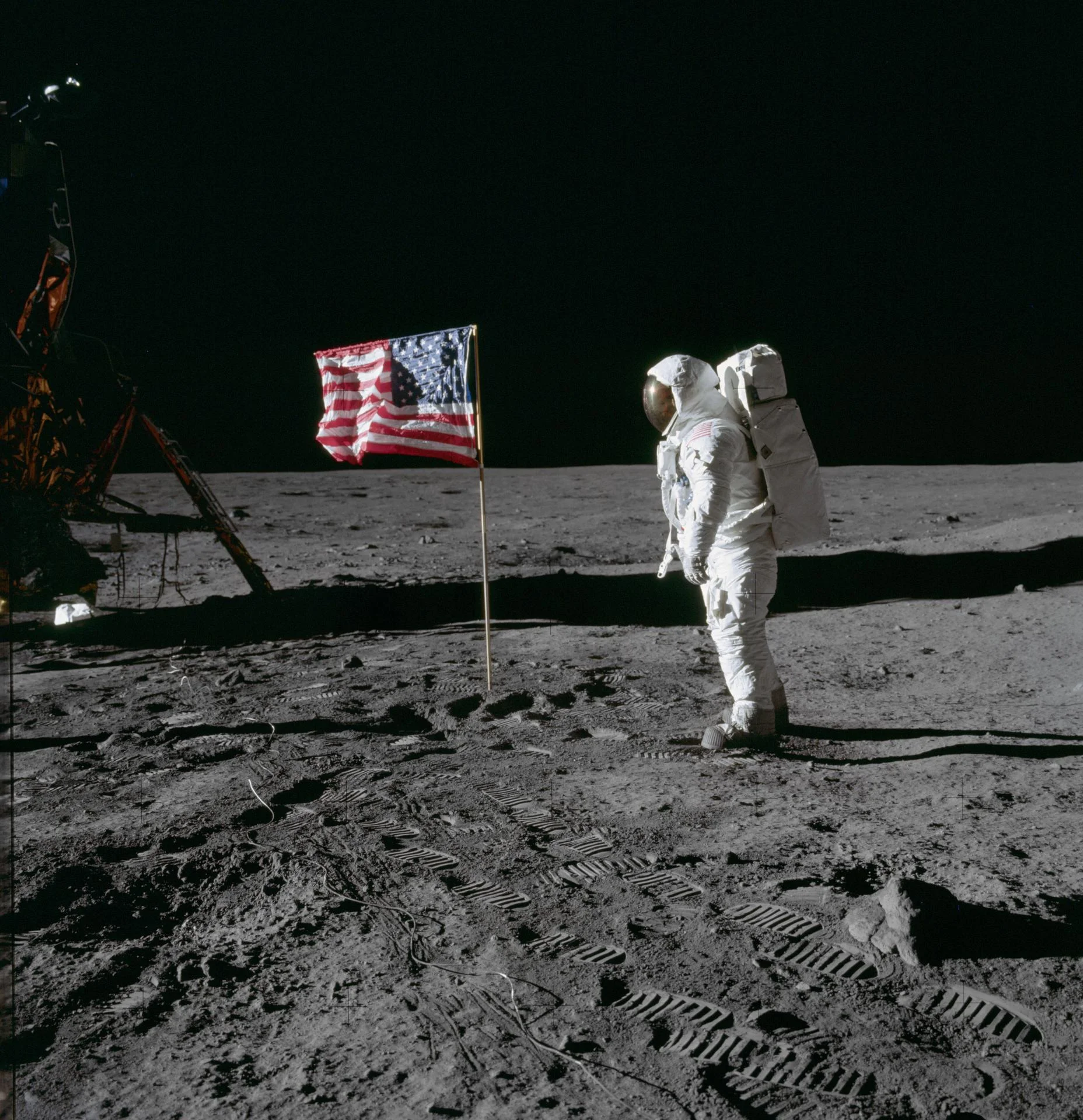
Artemis is bringing Moon missions back into focus
That is what makes Artemis feel so important.
Artemis II is set to send a crew around the Moon, serving as the key step before Artemis III aims to land humans on the lunar surface once again.
NASA has already described Artemis I as an extraordinarily successful mission, with teams closely tracking every stage to help prepare for a safe human flight next time around.
So after 50 years of waiting, the return to the Moon is starting to look real again.
And if Bridenstine is right, the biggest obstacle was never a lack of innovation at all; it was whether the political will could keep up with the dreamers.
DISCOVER SBX CARS: The global premium car auction platform powered by Supercar Blondie