Researchers tested over 20 AI models and discovered that every chatbot thinks in almost identical patterns
 Claire Reid


Got a favourite bot? Researchers tested 22 AI models and found that despite their different names and creators, they largely ‘thought’ alike in creative tests.
When OpenAI launched ChatGPT in November 2022, it was an immediate hit, racking up 100 million users in just two months.
Following on from its phenomenal success, a bunch of other chatbots popped up, including Claude and Gemini.
However, despite having a wide choice of bots to choose from these days, one study has found that they all think in a very similar way.
Enter our competition to win a stunning 2006 Ford GT or $400,000 cash!
A new study found that AI models’ responses were all very similar
If you’re one of the hundreds of millions of people who use an AI chatbot, then chances are you’ve got a favorite.
Maybe you got in on the ground floor with ChatGPT and refuse to leave, or perhaps you’ve switched over to Claude after hearing good things.
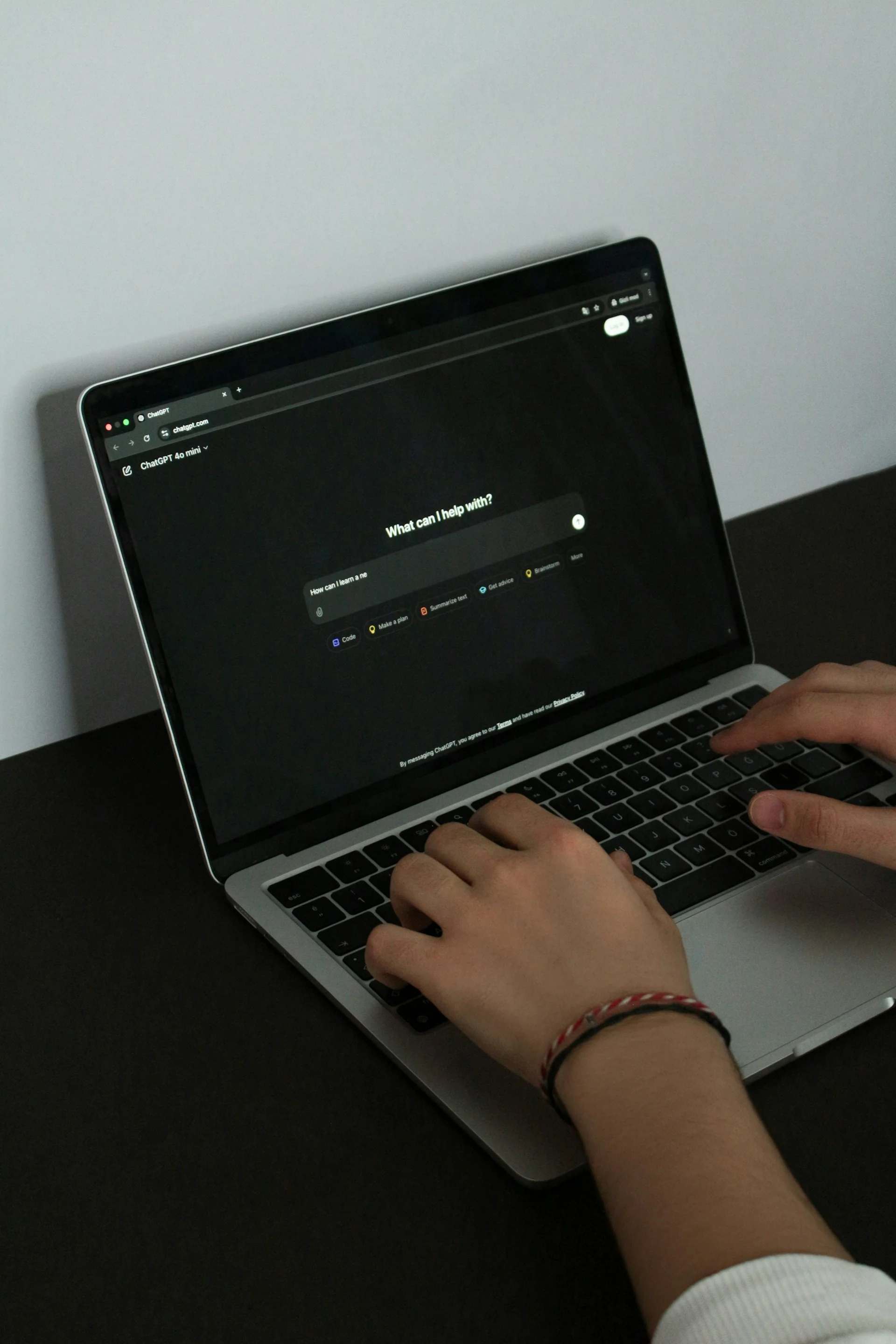
But new research recently published in PNAS Nexus suggests that whichever bot you pick, you’ll likely end up with a pretty similar response.
A team of researchers looked at 22 large language models (LLMs), including ChatGPT and Claude, and 102 human participants.
They then put the AI chatbots and humans through various creativity tests, like coming up with uses for common objects or creating lists of unrelated words.
Individually, the AI models’ responses were found to be at least as creative, or more creative, than those of the humans.
However, as a group, the LLMs were far more likely to give similar responses to each other than the humans did.
The responses remained similar even when the models used were from different AI families, with the results suggesting that chatbots aren’t as varied as you might think.
“Across all prompts, LLM variability is much lower than that of humans,” the study’s authors wrote.
The study’s authors have issued a warning about using an LLM as a creative partner
The study’s results may come as a bit of surprise to some, particularly those who favor a particular model to help get their creative juices flowing.
According to the study’s authors, those who do turn to AI as a creative partner should be cautious.
“Not only do particular LLMs produce homogeneous creative outputs – all LLMs produce similar, homogeneous creative outputs,” the study’s authors wrote.
“This study highlights a potential danger of relying on LLMs as creative partners.”
The study went on to warn that if people become more dependent on LLMs, their own ideas could follow suit and become less varied and creative.
“Such diminished variability of LLMs output could harm future thinking, especially when human creativity, flexibility, and adaptability are needed most,” the authors said.
DISCOVER SBX CARS: The global premium car auction platform powered by Supercar Blondie