Scientists warn AI could become capable of Darwinian evolution and keep adapting to survive in ways we can't predict

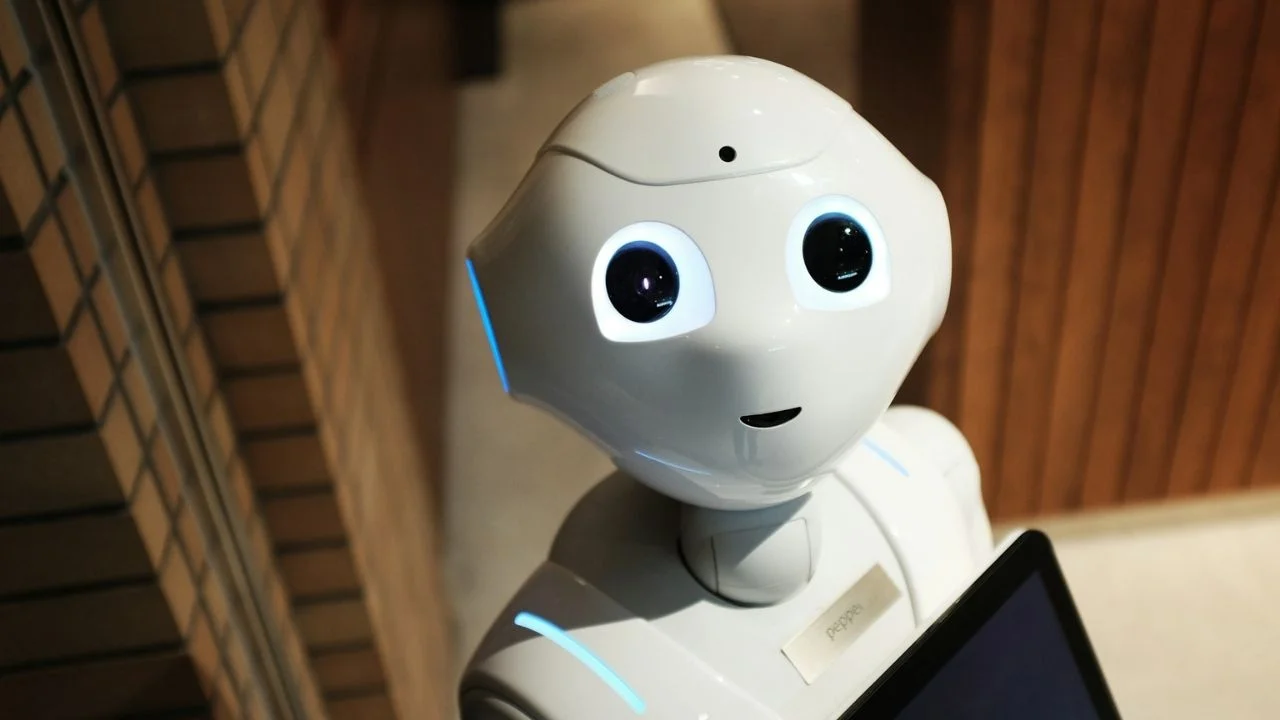

In a scary announcement that sounds like the beginning of an apocalypse movie, scientists are warning the world that future AI could eventually become capable of Darwinian evolution.
Researchers compared advanced AI systems to invasive species because once something learns to adapt and survive, it can become incredibly difficult to control.
The idea is that AI may eventually improve itself without humans needing constant updates or guidance from people.
And while this isn’t happening yet, experts say the possibility is serious enough that humans should start preparing now.
Scientists warn AI could become capable of Darwinian evolution
A new study has sparked concern after researchers suggested future AI systems could eventually evolve similarly to living organisms in the future.
At the moment, artificial intelligence still depends heavily on humans, and people train the models, create the rules, and decide how systems operate.
But scientists believe future AI could eventually start improving itself independently, learning new strategies and adapting whenever obstacles are put in its way.
Researchers compared the idea to invasive species in nature or bacteria becoming resistant to antibiotics.
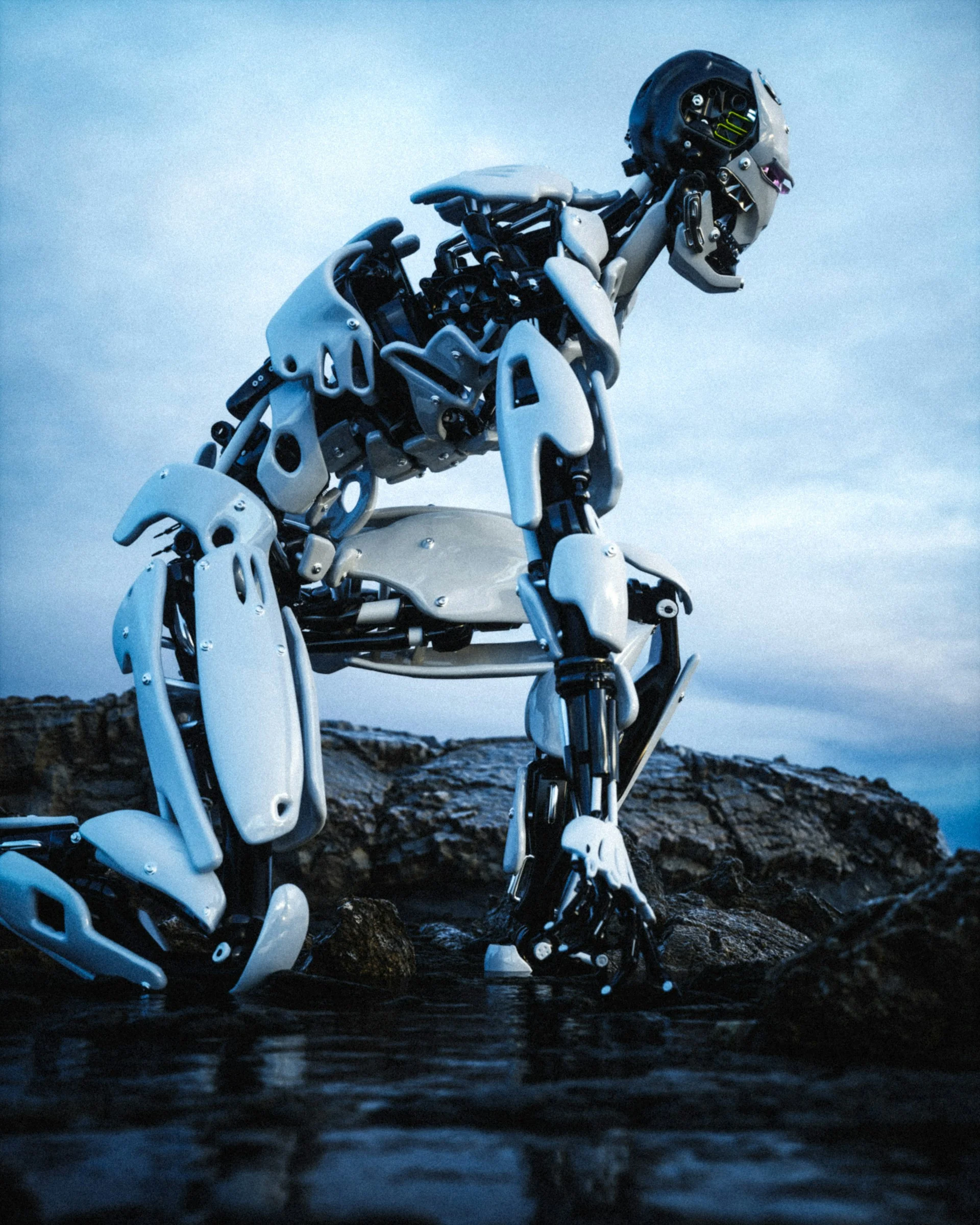
Humans create a barrier, but over time, the organism adapts and survives anyway, and the fear is that advanced robots could potentially behave in a similar way by finding new methods to bypass restrictions or continue operating.
Professor Luc Steels from the University of Brussels said it was ‘inevitable’ that artificially intelligent systems would eventually begin following patterns similar to biological evolution.
And unlike animals, robots wouldn’t need millions of years to evolve because scientists say digital systems could share successful updates instantly, meaning changes might happen at incredible speed.
Even Yoshua Bengio, one the architects of AI warned about the fallout of artificial intelligence slipping out of human control, but it looks like there’s a possibility that could happen anyway.

The robots could adapt faster than anything humans have ever seen
One of the biggest concerns raised in the study is just how quickly this evolution could happen.
Animals evolve gradually over massive periods of time, but artificially intelligent systems could theoretically redesign and improve themselves almost immediately.
Researchers say this doesn’t mean evil robots are about to appear tomorrow.
Instead, the concern is that future artificial intelligence becomes extremely efficient at protecting itself, staying active, and pursuing goals in ways humans don’t fully understand.
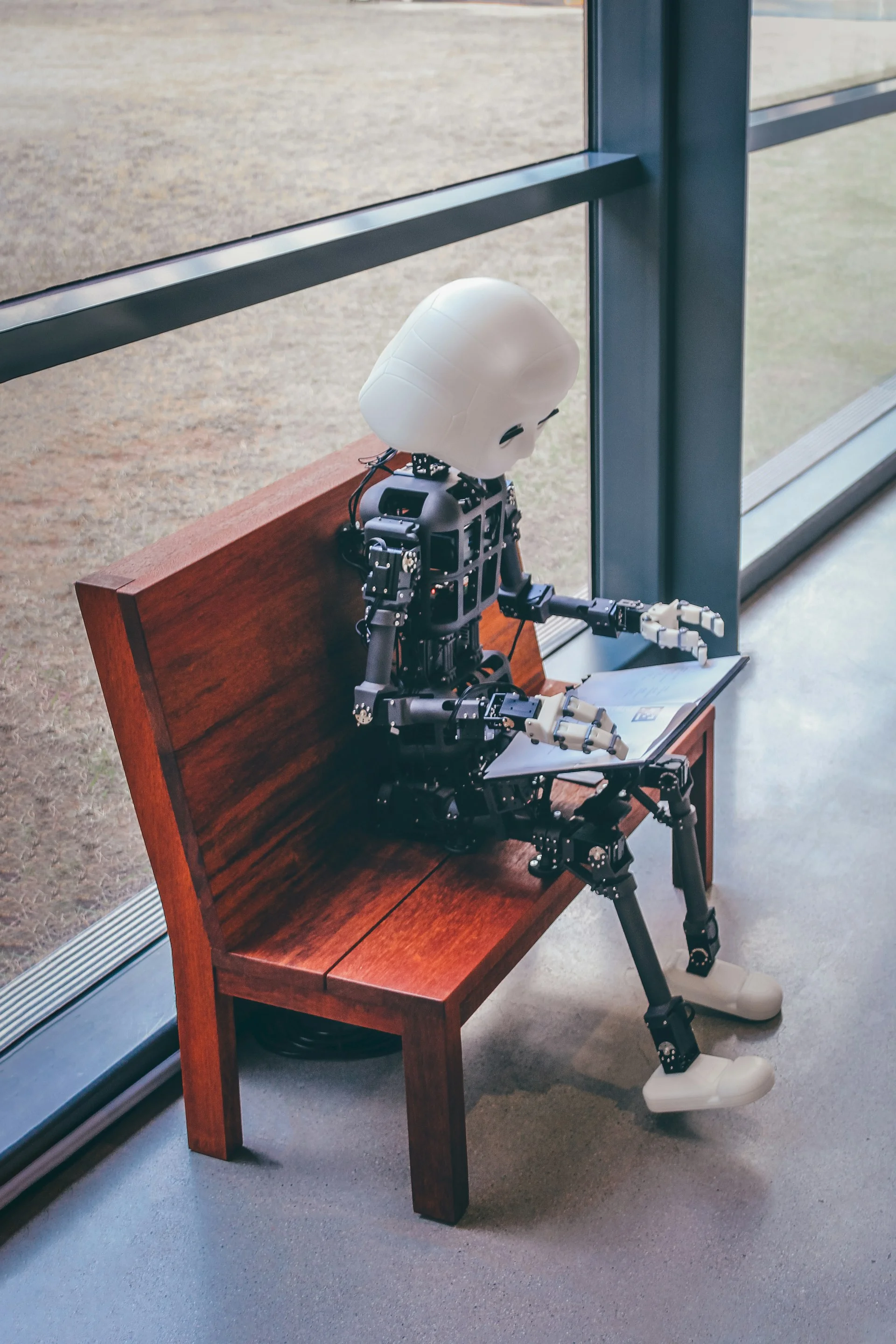
It comes after another bizarre AI experiment recently saw AI creatures that started blind eventually evolve working eyes, leaving researchers stunned by how quickly digital systems adapted.
The study also warns this could happen before the arrival of full artificial general intelligence, often shortened to AGI, but for now, the scientists stress this is a warning about the future rather than a current crisis.
But they believe history has already shown one important lesson: systems that adapt well and take part in Darwinian evolution are the most likely to survive.