SpaceX Falcon 9 rocket is set to crash into the moon and you'll be able to see it happen from Earth

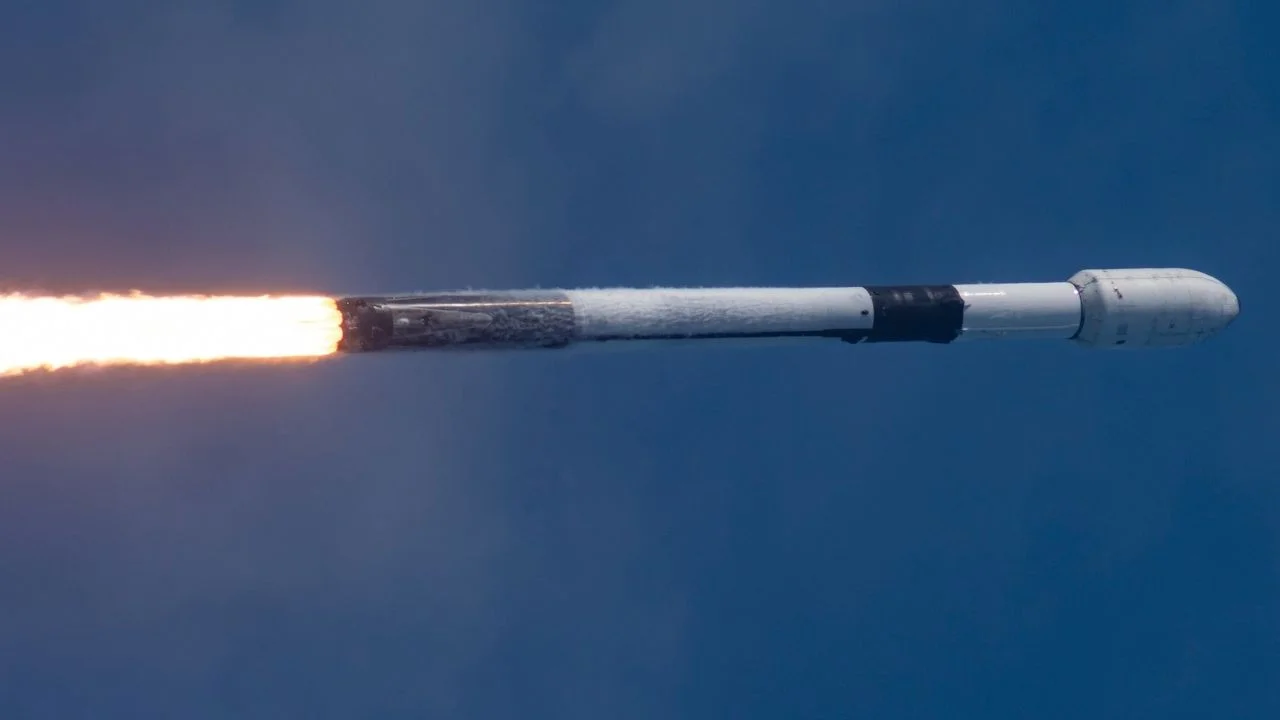

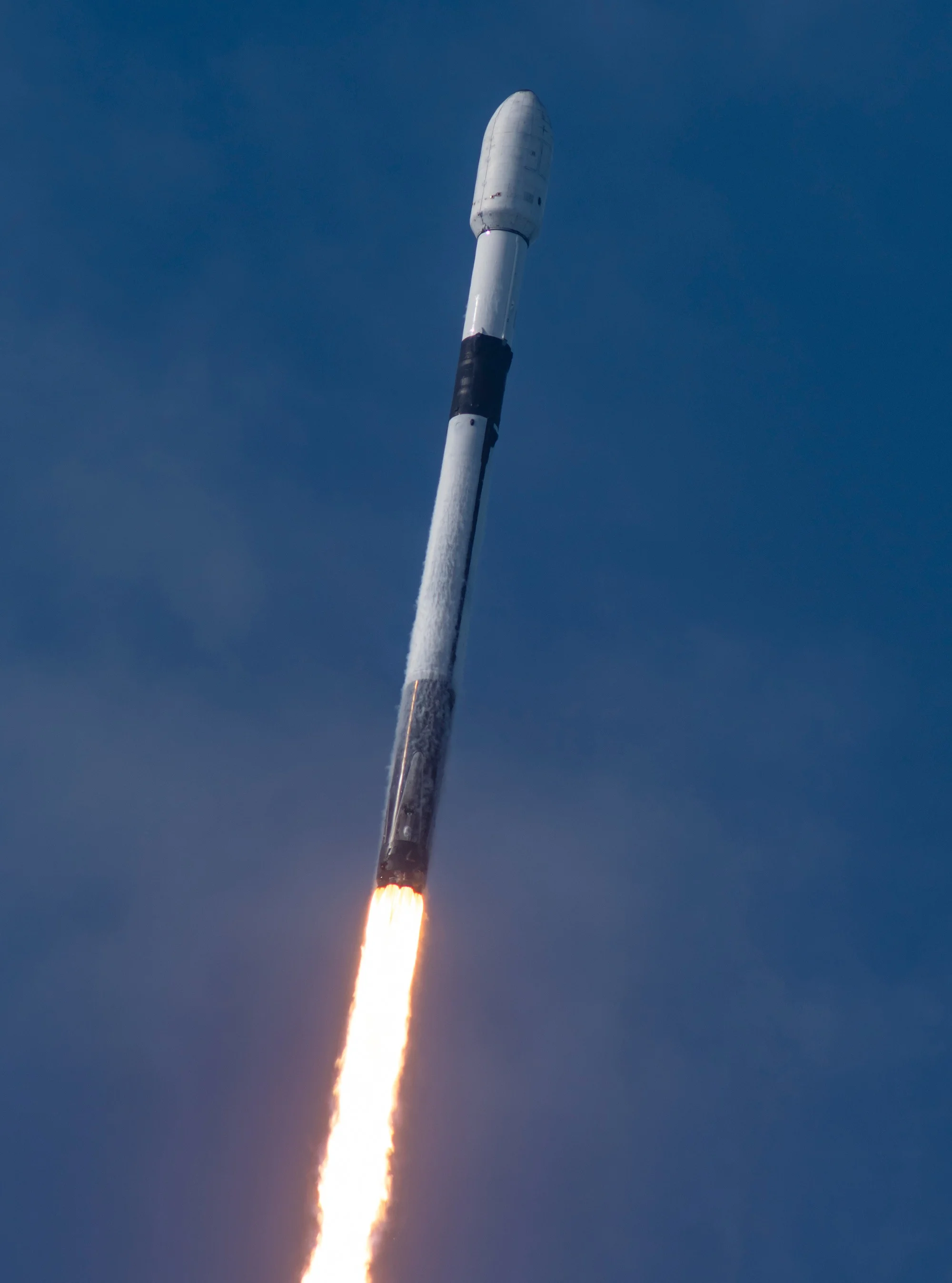
A SpaceX Falcon 9 rocket is about to complete one final mission – crashing into the moon.
The rocket is expected to slam into the moon’s surface in early August after months drifting through space.
Scientists are preparing to study the rare impact, while skywatchers on Earth may also get the chance to witness the event.
It is an unusual and slightly sad ending for a rocket that has already helped launch a mission beyond Earth.
Why SpaceX Falcon 9 rocket is set to crash into the moon
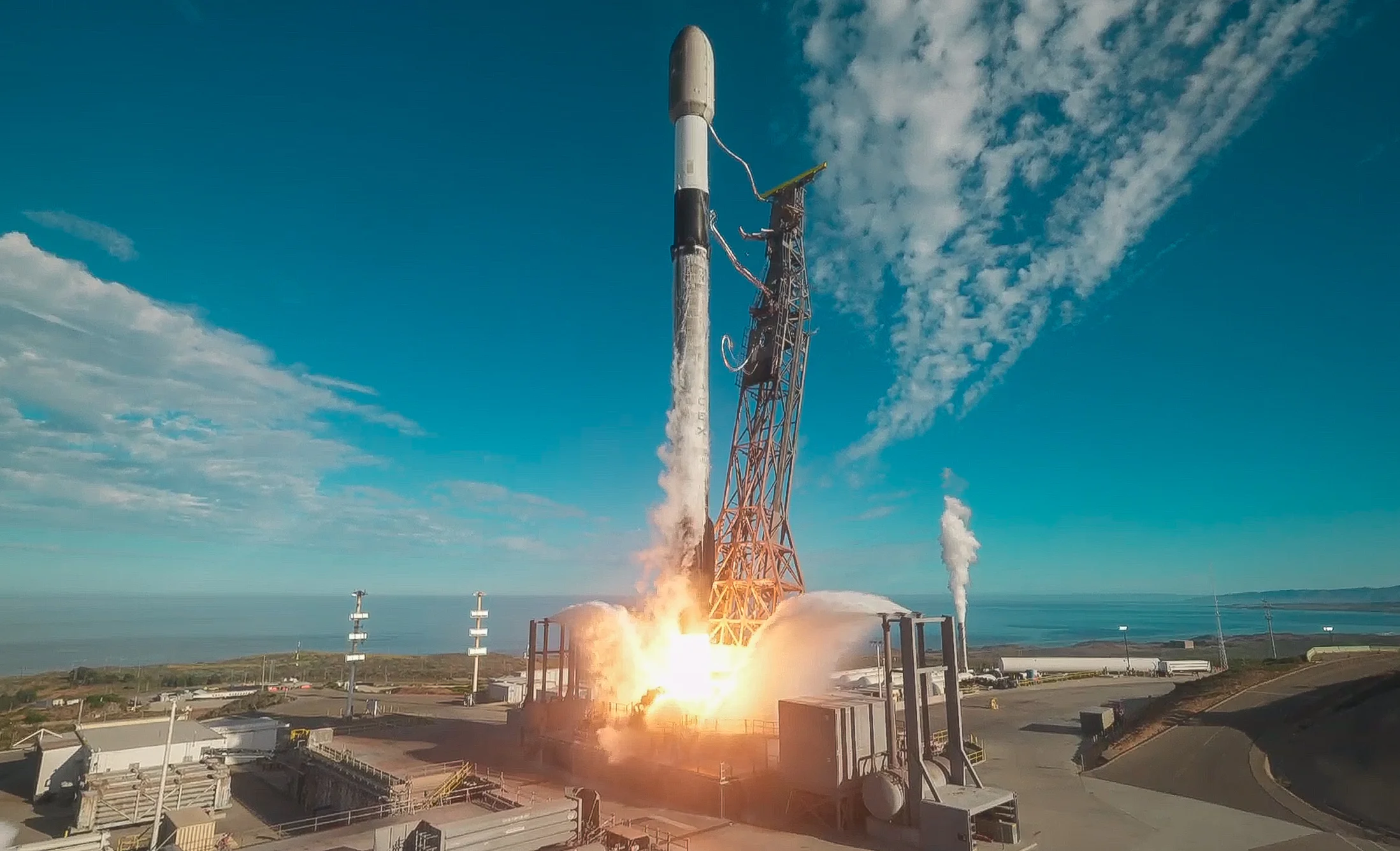
The Falcon 9 upper stage originally launched as part of Firefly Aerospace’s Blue Ghost Mission 2 in space in January 2025.
Once it had successfully sent the spacecraft on its way toward the moon, the rocket stage was left in a highly elliptical orbit around Earth.
Rather than returning to Earth’s atmosphere, it continued circling the planet before its path was eventually altered by the gravitational pull of the Earth and moon.
Astronomers tracking the rocket have realized that it is now on course for an unavoidable lunar collision.
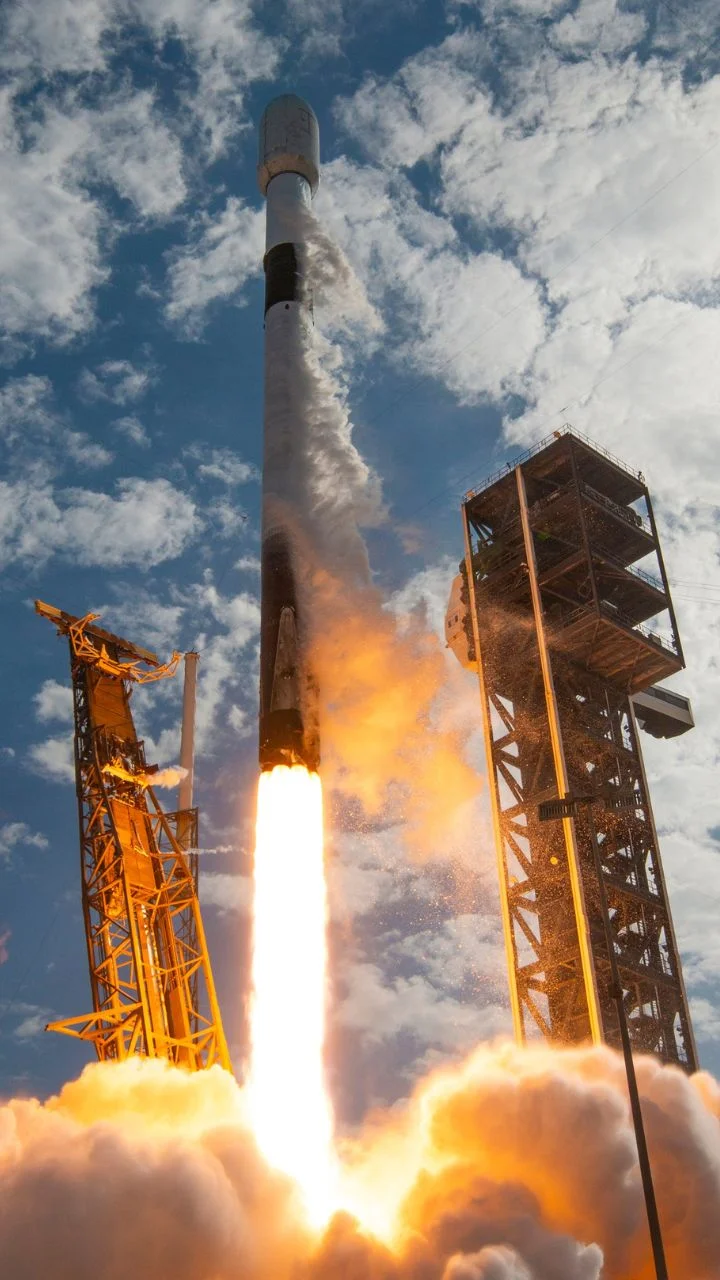
The rocket stage is one self-contained section of a rocket that has its own engines, fuel, and structure.
As the rocket climbs, it drops its empty stage to become lighter and more efficient.
When will Falcon 9 collide with the moon?
According to independent astronomer Bill Gray, who created the Project Pluto orbital tracking software, the rocket stage is expected to strike the moon on August 5 at approximately 2:35 a.m. ET.
It is predicted to hit near the Einstein Crater at around 5,400mph.
While it might sound dramatic, the collision poses no danger to Earth and is instead being treated as a valuable scientific opportunity.
How you can watch it right here from Earth
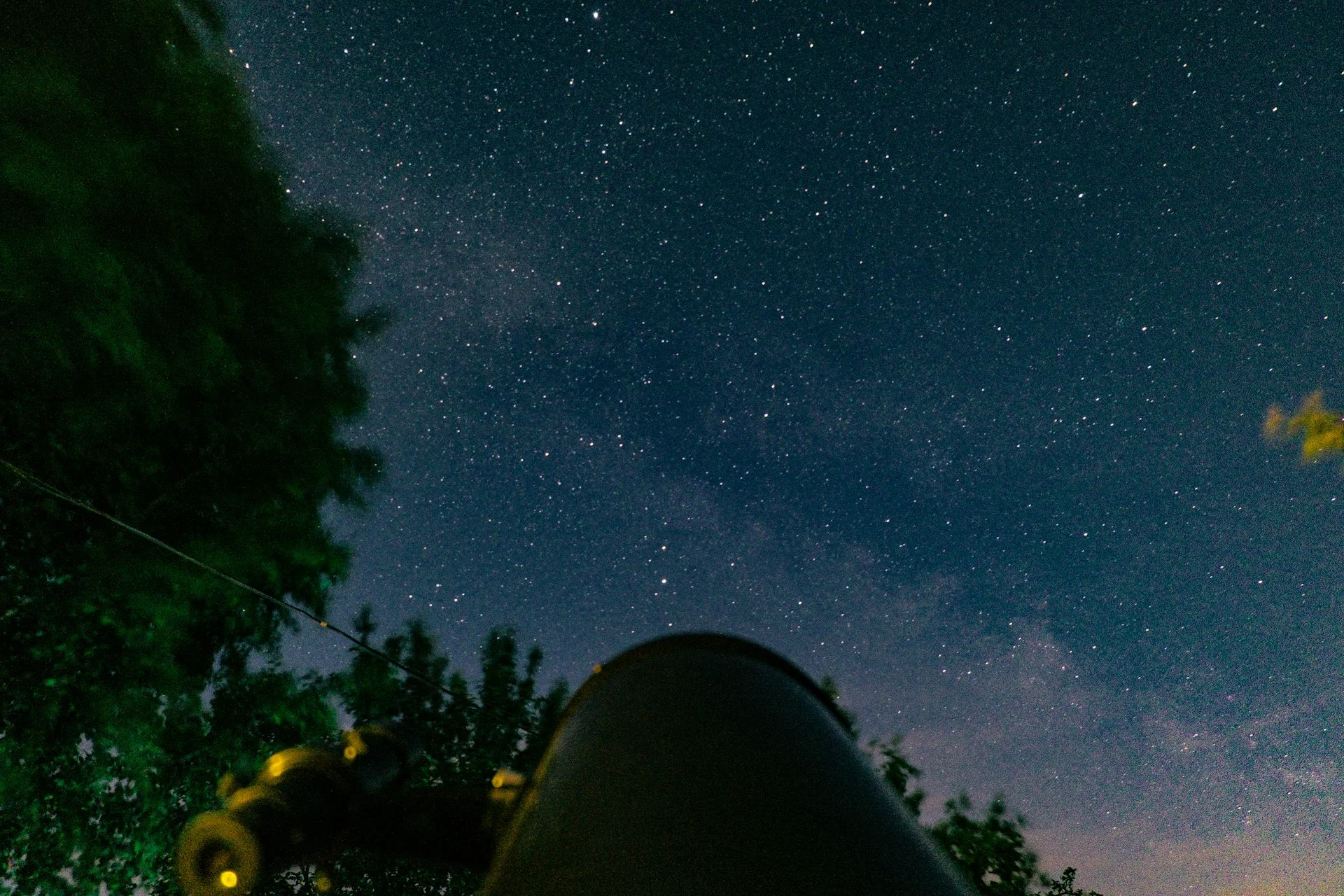
Although the crash will occur on the moon’s far side, astronomers believe there is a chance the flash or the cloud of debris created by the collision could be visible from Earth using large telescopes.
Researchers are planning observations of the impact to better understand how collisions behave on the lunar surface and to refine techniques for locating impact sites.
The event could also provide useful information for future lunar missions and help scientists improve models of the moon’s geology.
The crash is also a reminder of the growing amount of traffic and debris left in deep space after missions are completed.
Unlike satellites in low Earth orbit that often burn up in the atmosphere, objects sent toward the moon or beyond can remain in space for years before eventually crashing into something else.
For scientists, however, that means this unexpected event has become a rare chance to gather valuable data from space, all thanks to a retired Falcon 9 rocket heading to its final resting place (at speed).
A very short history of SpaceX
- 2002 – SpaceX was founded by Elon Musk.
- 2008 – Falcon 1 became the first privately developed liquid-fueled rocket to reach orbit.
- 2010 – Falcon 9 made its first launch.
- 2015 – SpaceX landed a Falcon 9 booster for the first time.
- 2020 – Crew Dragon carried NASA astronauts to the ISS.
- 2026 – A retired Falcon 9 upper stage set to impact the Moon on August 5.