Submarine disappears after finding something very odd on the ocean floor


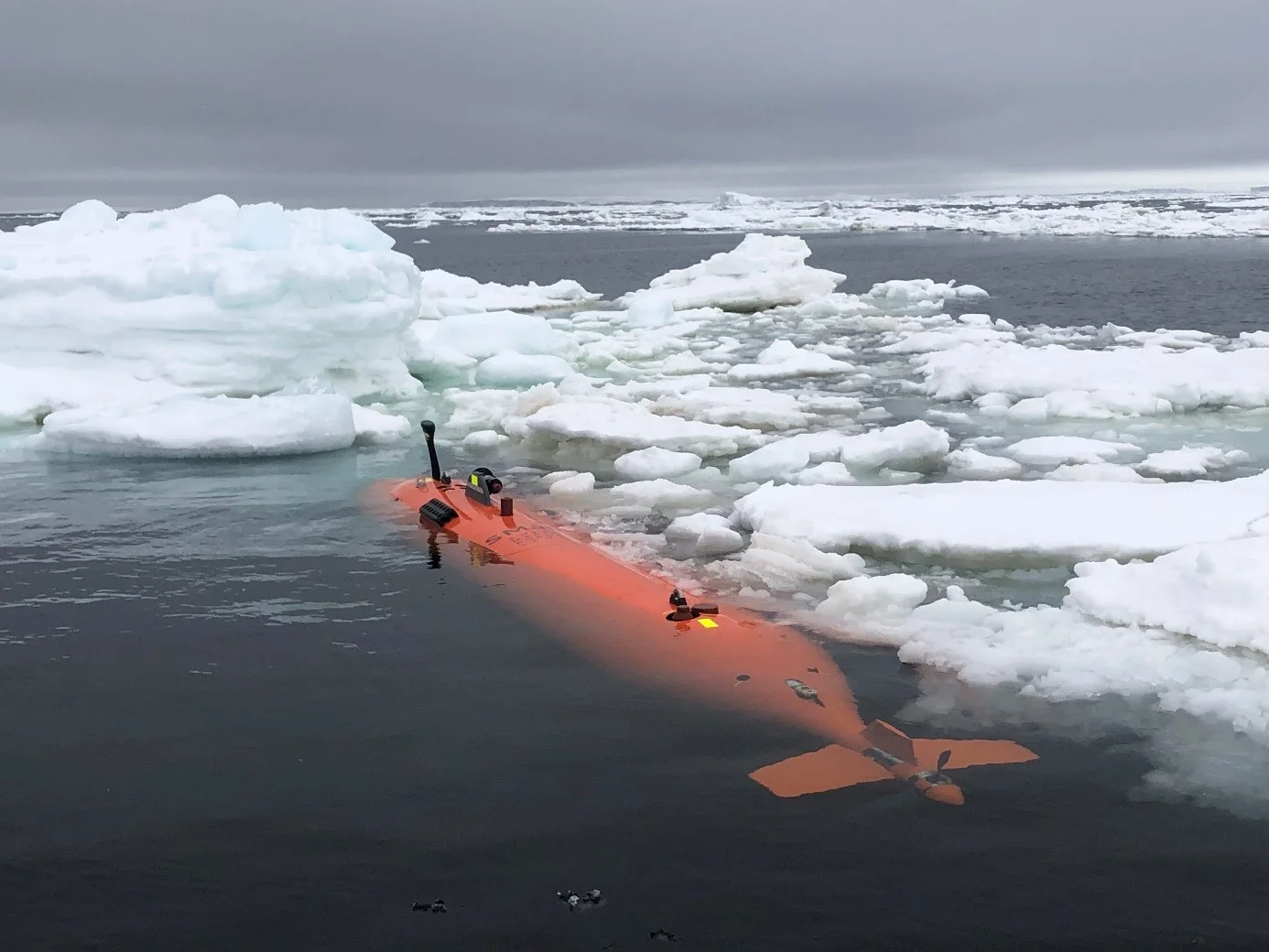
An autonomous submarine vanished beneath Antarctica’s ice after making a discovery that left scientists fascinated.
The robot explorer, known as Ran, had been sent into one of the most remote and unexplored places on Earth.
Before disappearing, it mapped a hidden world beneath an enormous ice shelf and uncovered strange formations that had never been seen before.
While the submarine itself remains missing, the data it sent back is helping researchers understand one of the planet’s biggest mysteries.
The submarine found bizarre structures hidden beneath Antarctica
The autonomous underwater submarine, called Ran, is an impressive piece of tech, and it was sent beneath the Dotson Ice Shelf in West Antarctica to investigate how ocean currents are melting the icy blocks from below.
During its mission, the submarine spent weeks exploring an area that no human had ever seen directly.
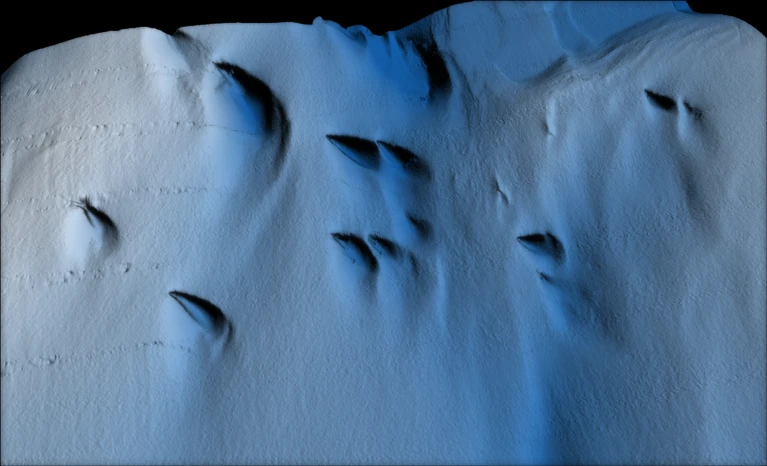
Using advanced sonar equipment, Ran mapped around 54 square miles of the underside of the shelf and revealed a landscape unlike anything scientists expected.
The scans showed giant terraces resembling steps, deep channels, unusual teardrop-shaped pits, and massive fractures carved into the bottom; many of these features were completely invisible from satellite observations above.
Researchers believe the strange formations were created by warm ocean water flowing beneath the shelf and melting it in complex ways.
The findings suggest that ice loss is happening far less evenly than scientists previously thought.
The discovery was followed by a mysterious disappearance
After completing a series of successful missions beneath the ice, Ran was sent back under the shelf to gather even more information, but unfortunately, this time, the submarine never returned.
The mission was always risky because GPS signals and normal communications cannot penetrate hundreds of feet of Antarctic ice.
Ran operated entirely on its own, navigating through a dark maze beneath the glacier before returning to a pre-arranged pickup point.
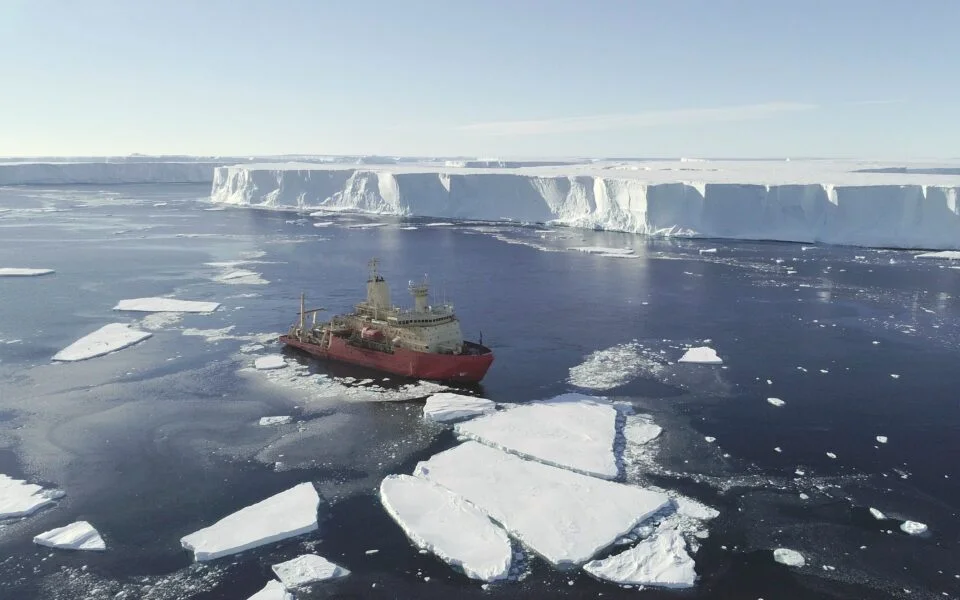
When the submarine failed to appear, scientists launched searches but found no signal, debris, or clues explaining what happened.
Researchers have suggested everything from a mechanical failure to a collision with hidden ice formations, but the exact cause remains unknown.
Despite the loss, the submarine’s final mission produced a treasure trove of information, and the hidden structures it discovered are already forcing scientists to rethink how Antarctic ice shelves melt.
This is already giving them more insight into rising sea levels caused by climate change.