Trademarking a spoken voice is totally untested in court but Taylor Swift is ready to take on the AI industry

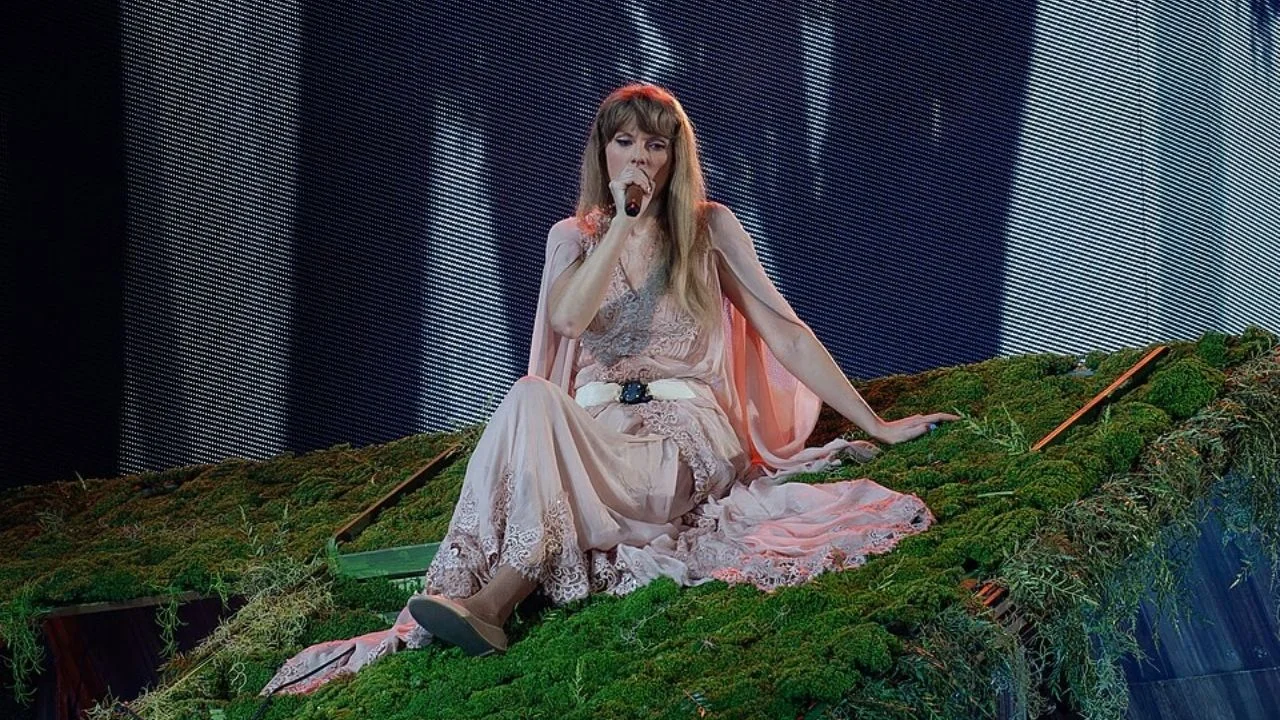

Pop superstar Taylor Swift is taking on one of the biggest threats in tech right now, the AI industry, and she’s doing it in a way courts have barely seen before.
The singer has filed trademark applications not just for her image, but for her actual voice, in a bold attempt to fight back against AI-generated deepfakes.
It’s a move that could reshape how celebrities protect themselves in the age of artificial intelligence.
And while it sounds futuristic, the legal reality is that no one really knows how it will play out in court yet.
Taylor Swift is pushing boundaries by taking on the AI industry
Taylor Swift is saying Look What You Made Me Do to the tech industry after her legal team filed trademarks for two short audio clips of her speaking, alongside a specific image of her performing on stage.
The phrases themselves are short and sweet, saying: “Hi, this is Taylor” and “Hi, this is Taylor Swift“.
The goal is simple: stop people from using AI to recreate her voice or likeness without permission, but the method is anything but simple.
Trademarking logos or brand names is standard practice, but applying that same logic to a human voice is largely uncharted territory.
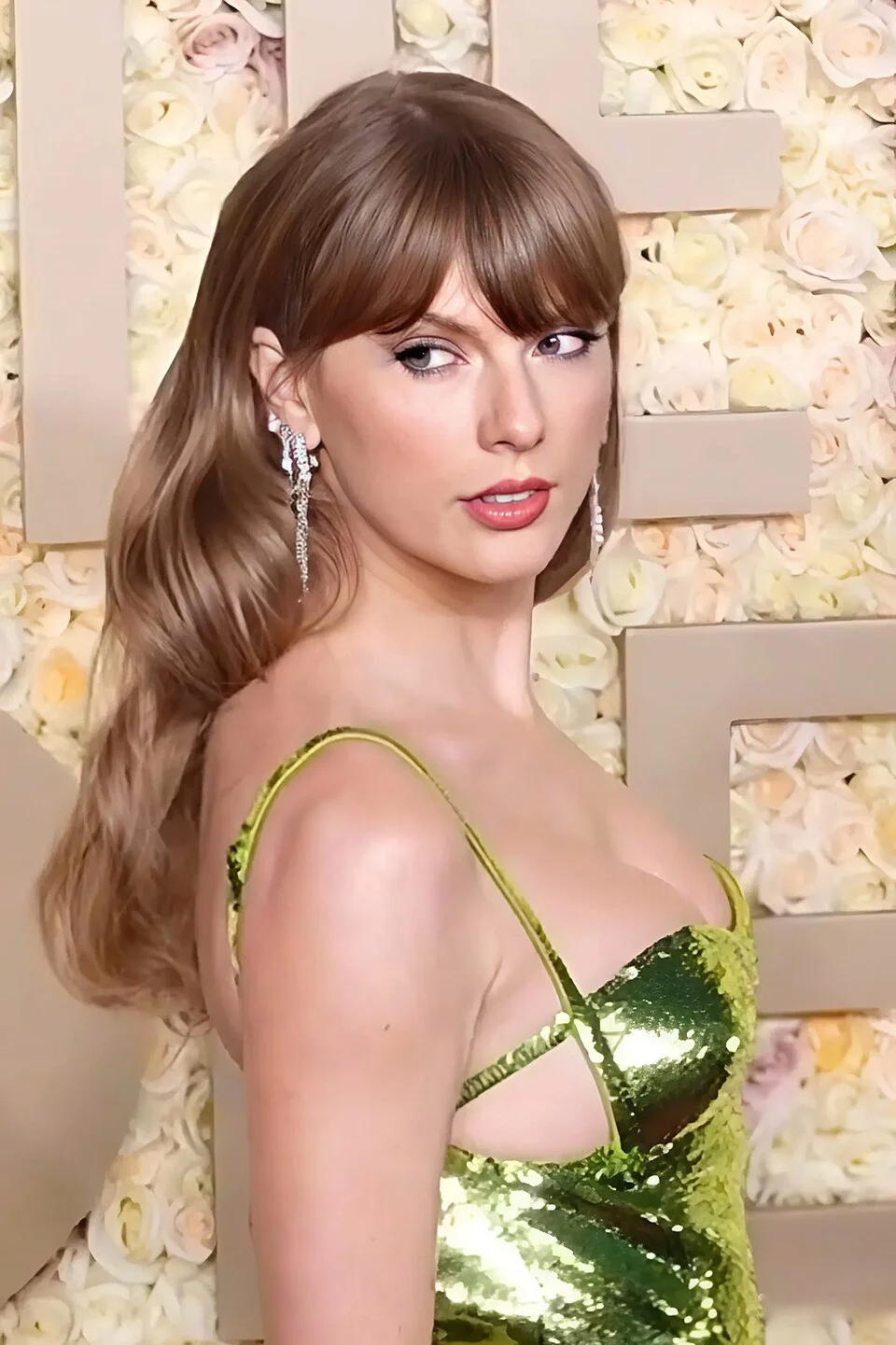
Legal experts say this strategy could allow Swift to challenge AI-generated imitations that are ‘confusingly similar’ to her real voice, even if they’re newly created.
That matters because existing protections like copyright don’t fully cover AI-generated replicas.
Copyright protects recordings, not a voice itself, which leaves a gap that AI tools have been quick to exploit, and when your job is your voice, like Taylor’s, that could be a big problem.
In other words, Swift is trying to build a new kind of legal shield for the AI era.
This will send deepfake videos fleeing in a Getaway Car
This move didn’t come out of nowhere because the singer has already been targeted by AI-generated content, including fake endorsements and explicit deepfakes that spread rapidly online.
Those incidents highlighted just how vulnerable even the biggest stars are to this technology.
By filing through her company, TAS Rights Management, Swift is attempting to take back control of her identity in a digital world where voices and faces can be cloned in seconds.
As well as the audio phrases, the filing also covers a specific photo of her performing on stage during the Eras Tour, rather than a general claim over her likeness.
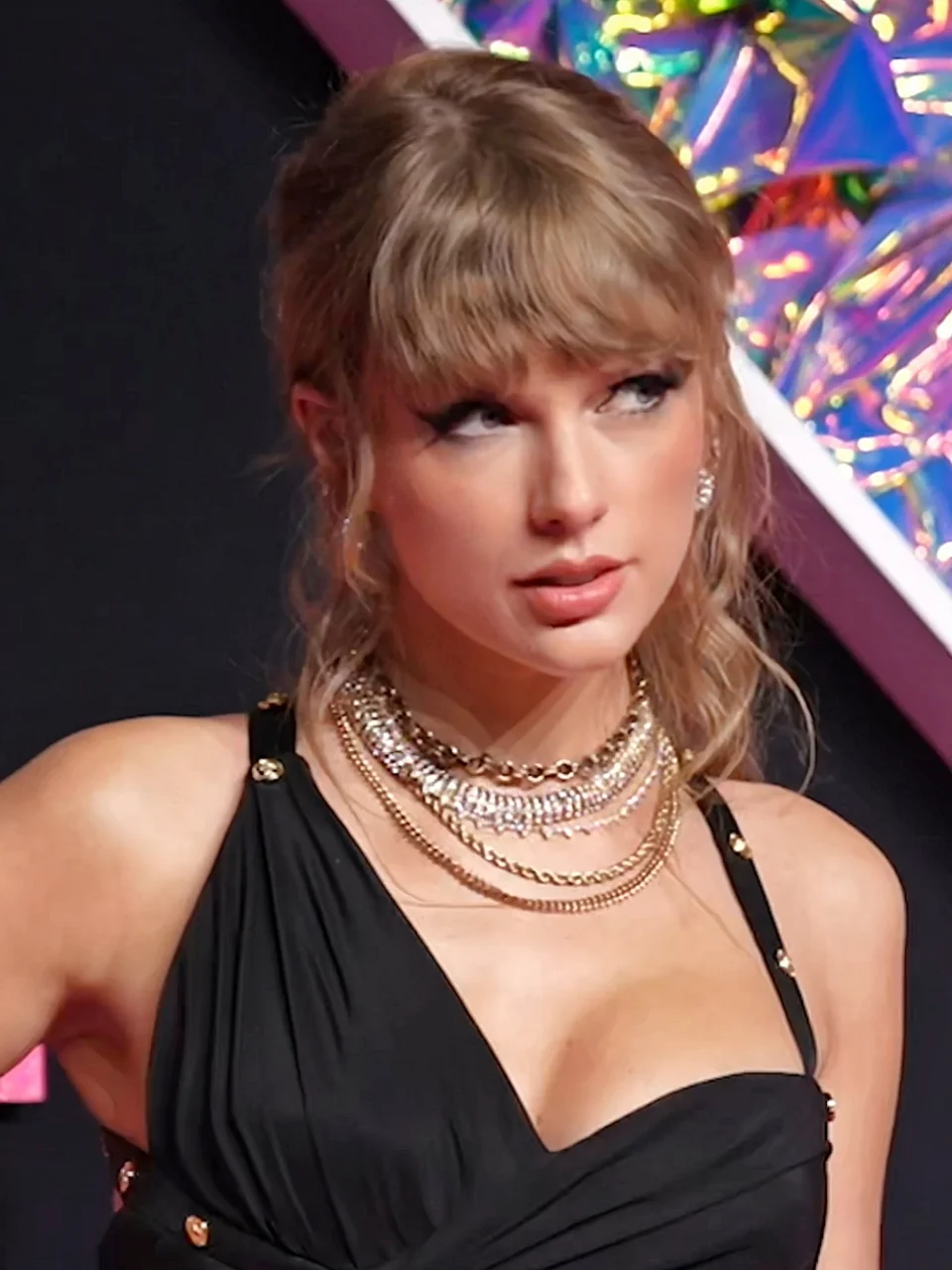
She’s not alone either.
Other celebrities have started exploring similar protections, signalling a wider shift in how public figures are responding to AI.
The big question now is whether the courts will accept this approach.
If they do, it could open the door for a whole new category of intellectual property, but if they don’t, it highlights just how far the law still has to catch up with the AI industry in general.