Virginia high school student creates membrane-free filter that removes microplastics from water at a low cost

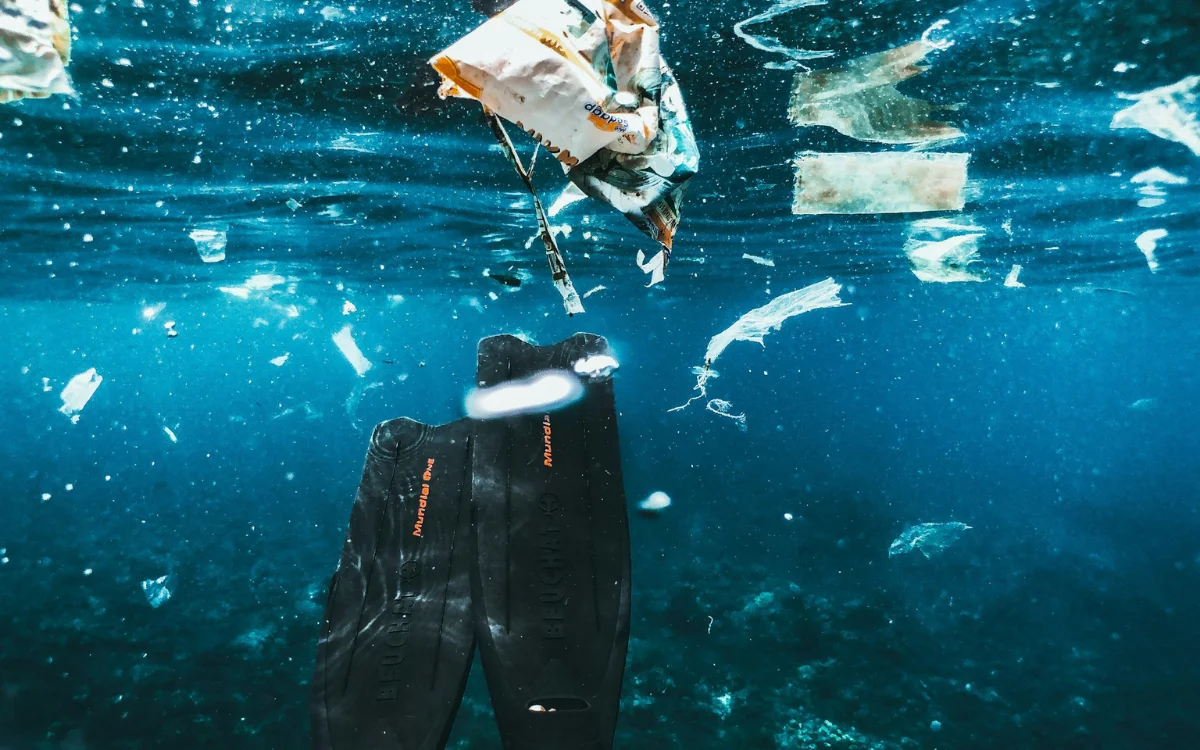

Microplastics are an increasingly problematic issue in our world, but, a student who is still only in high school managed to create a membrane-free filter that removes microplastics from water at a low cost.
The breakthrough comes from 18-year-old Mia Heller, who designed a system that skips traditional filters entirely and it could be a game-changer for clean water.
Instead of relying on disposable membranes, her invention uses a clever magnetic process to trap tiny plastic particles.
And the best part is that it is designed to be affordable, reusable, and easy to maintain.
Click the star icon next to supercarblondie.com in Google Search to stay ahead of the curve on the latest and greatest supercars, hypercars, and ground-breaking technology
Virginia high school stands up against microplastics using magnets
The science behind the novel tech invention is surprisingly clever and will send microplastics running for the hills.
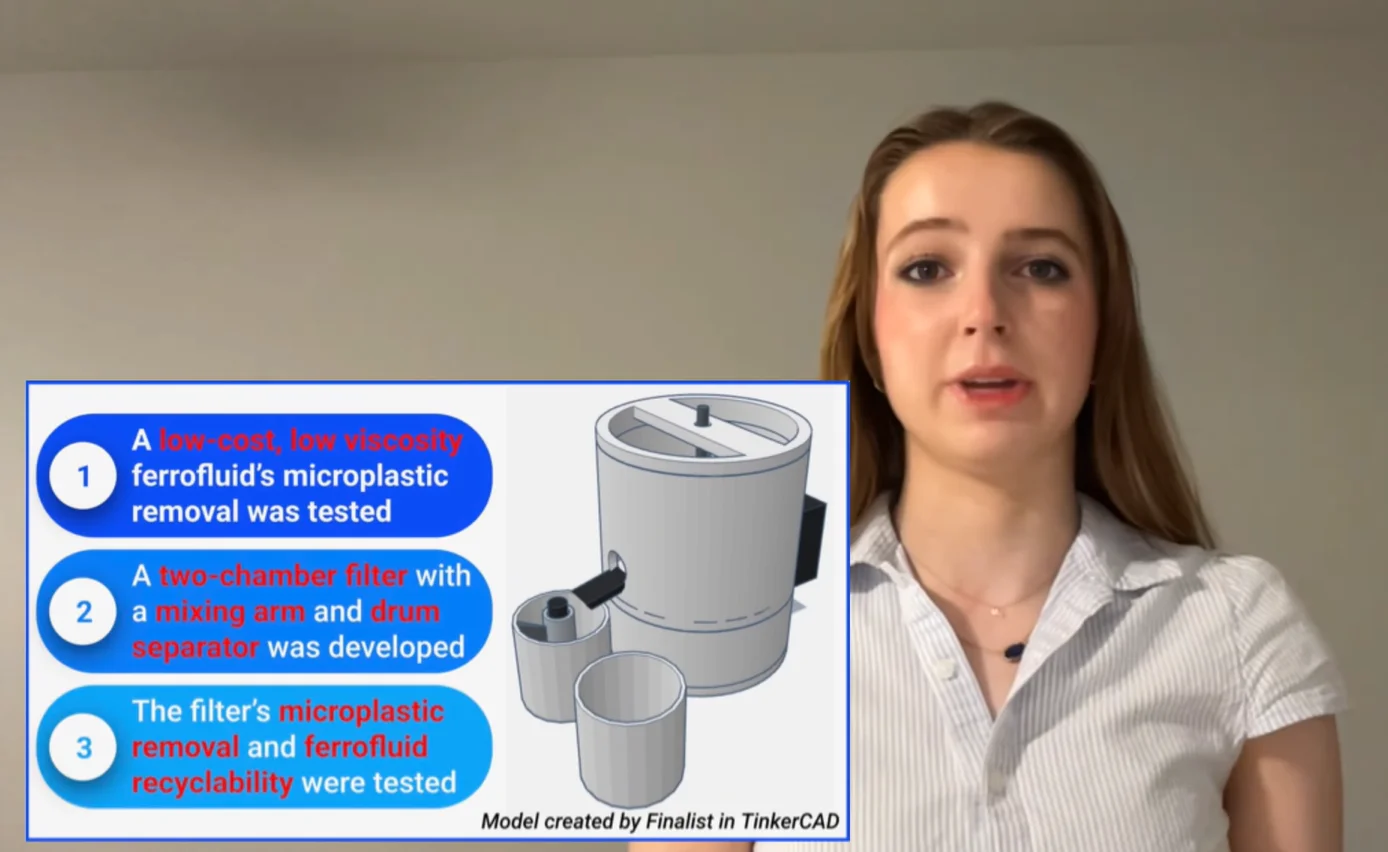
Virginia high school student Mia Heller’s system uses a substance called ferrofluid, which is a magnetic liquid that binds to microplastics as water flows through it.
Once the particles are attached, a magnetic field pulls them out of the water entirely.
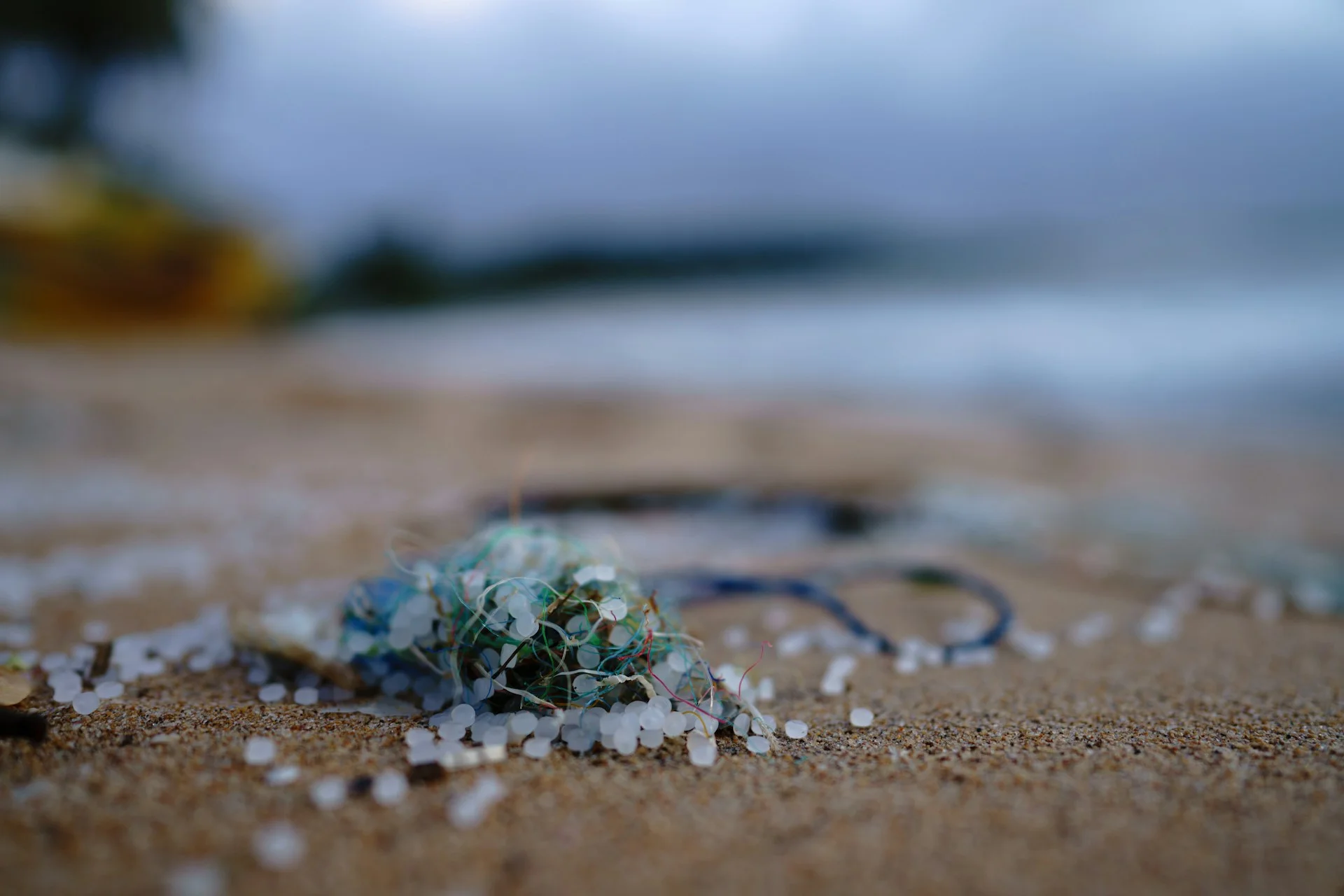
The ferrofluid is then recovered and reused in a closed loop, meaning the system does not rely on constantly replacing parts.
Her current prototype is about the size of a bag of flour and can filter roughly one liter of water at a time, making it suitable for home use.
This is a big deal because traditional water filters depend on membranes that clog easily and need frequent replacement, which adds both cost and hassle.
Speaking to us, Heller told of her reasons for creating the filter: “I would say that seeing gaps within water filtration technology and implementation were the main things driving my research.”
She has already had impressive results
The results are seriously impressive for something built by a student.
Tests showed the system could remove around 95 to 96 percent of microplastics from water, putting it on par with or even better than many existing filtration methods.
What makes this even more exciting is how the idea came about.
Heller was inspired by water contamination issues in her own Virginia community, where residents had to deal with microplastics and pollutants without much official support.
Seeing how expensive and high-maintenance traditional systems were, she set out to create something simpler and more accessible.
While the filter is still in its early stages, experts say it shows huge potential, especially as microplastics are now being found everywhere from oceans to the human body.
If it can be scaled up or widely adopted for homes, this low-cost invention could become one of the easiest ways to tackle one of the world’s most invisible pollution problems.
However, Heller is actually looking at scaling down her project in the future, telling us, “I would be interested in scaling down my design for accessibility.”
Heller is looking forward to the future, though, and says her research is “subject to change based on what [she] learns and modifies going into university.”
One thing’s for sure, we will definitely be hearing the name Mia Heller again.
Follow topics and authors from this story to see more like this in your personalised homepage feed and to receive email updates.